🇨🇩 DR Congo · Leopards
DR Congo travelogue: routes, football and local culture
City → River → Rainforest → Lava lake
The travel story
Kinshasa's ring road at four-thirty in the afternoon becomes a parking lot without an end. My yellow taxi was wedged between trucks, motorbikes, and pedestrians balancing entire bunches of bananas on their heads, going absolutely nowhere. The driver, a young guy named Pascal, rolled down his window and got into an argument in Congolese French with a phone-card vendor — not about signal reception, but because the vendor thought the Leopards could win at least one match in the next Africa Cup, and Pascal said: 'If the Leopards score a single goal I'll give you this taxi.' Football is Kinshasa's most effective icebreaker. Traffic is the second.
The Democratic Republic of the Congo sits in the heart of Africa, capital Kinshasa, population over 100 million. Its land area is four times that of France, yet it has fewer than 3,000 kilometers of paved roads. When I told friends back home I was going to DR Congo to see a volcano, most people's reaction was: 'You know Mount Nyiragongo last erupted in 2021, right?' Another common reaction was: 'You know how bad Kinshasa traffic is, right?' I was about to find out.
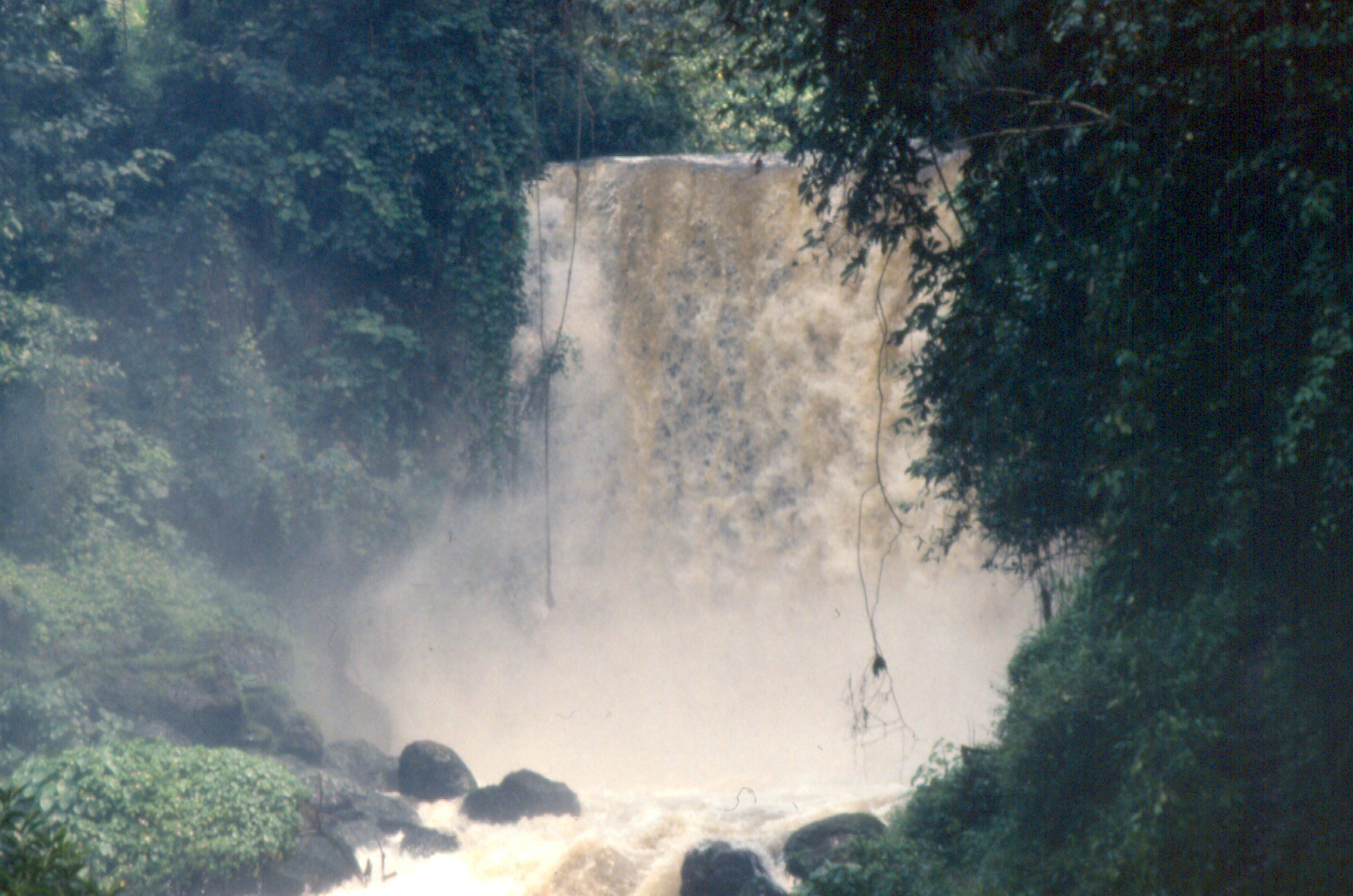
Kinshasa is a city you hear before you see. At five-thirty in the morning, the neighbor's radio begins to leak Congolese rumba — that lazy, irresistible groove that makes West African hiplife and Cuban salsa both feel insufficient. By nine, the market's shouting has become a conductorless symphony — fish sellers, used phone-charger vendors, secondhand suits, live chickens, every voice fighting for survival on the same frequency. At noon, the Congo River ferry blasts its horn — a note so low it vibrates in your chest cavity. At six in the evening, the church choir begins rehearsal — Congo is the world's largest Francophone country and one of its most fervently Catholic. At nine at night, the football commentary explodes from the open window of a bar — Chancel Mbemba's name rolling like an African drum pattern. I spent two days in this city and never once felt alone.
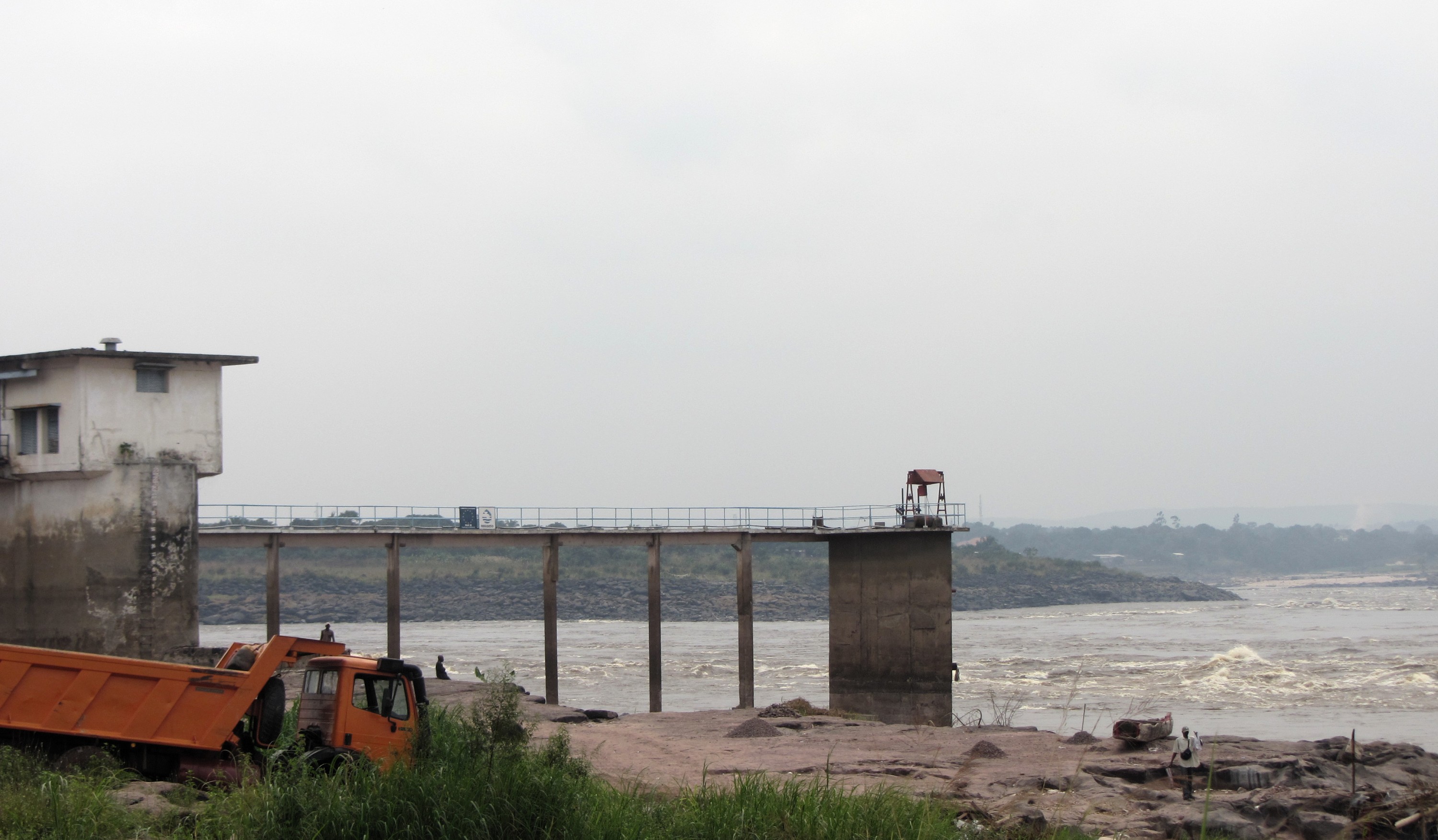
The road east from Kinshasa is a patience endurance test. Three hundred kilometers can take anywhere from eight to twelve hours — depending on the weather, the frequency of goats crossing the highway, and the probability of an oil tanker breaking down. I finished an entire bag of roadside grilled plantains — crispy outside, soft inside, sprinkled with coarse salt and chili — and the road still wasn't clear. But I gradually noticed something: at every village entrance, there was a patch of beaten earth, and on every patch of earth, barefoot children playing football — some with plastic bottles, some with a bundle of rags tied into a ball, occasionally a faded real football whose plastic skin had worn through to show the threads inside. Every patch of earth was a miniature World Cup. The 'stands' were overturned plastic buckets. The referee was a passing goat.
Virunga National Park lies north of Goma. Entering the park requires an armed ranger escort — not because of wildlife attacks, but because this region has been repeatedly crisscrossed by armed conflict over the decades. The ranger was a young man in his early thirties named Emmanuel. On his right calf, an old scar — '2008, a chimpanzee. Not an attack — it just jumped down from a tree and tripped over me.' He told this joke without smiling. He'd been on over 120 anti-poaching patrols, and he said that compared to the volcano, poachers were far less predictable.
Places, routes and match-day culture
The climb up Mount Nyiragongo begins at 1,989 meters above sea level, in tropical rainforest. The first two hours: air thick with moisture, legs coated in mud. The vegetation shifts from broadleaf to fern to scattered moss, and then — then all the green disappears. Above three thousand meters, the ground becomes black volcanic rock. Every step crunches, like walking on burnt biscuits. The temperature drops from thirty degrees to eight. The guide said: 'Now you understand why I told you to bring an extra jacket.'
Half past seven in the evening. I stood on the crater rim. The world's most active lava lake churned two hundred meters below — not red, but some unnameable shade of orange, the internal organs of the sun, the blood of the Earth exposed directly to the air. No guardrails. No artificial light of any kind. The only illumination was that rolling lake of molten rock. The wind pulled upward from the crater floor, carrying sulfur and a low-frequency rumble — not really a sound, more a vibration you feel in your bones. My climbing companion — a student from Goma — lay flat on a rock at the edge and said nothing for ten full minutes. Then he said something in Lingala. Emmanuel translated: 'He says — as a child I thought volcanoes were things from mythology, drawn in textbooks. Now I'm not sure anymore.'
On the way down, my legs were shaking. Not from fear — creatine and fatigue. The scattered lights of Goma glowed below, the Congo River a dark ribbon in the night. A small boy pointed at my hiking boots and said in French: 'Tu es allé au volcan?' I nodded. He gave me a thumbs-up and ran off. Goma's football pitches are paved with volcanic ash — the ball bounces at a slightly wrong height, the spin defies standard physics. But the kids here have long since adapted. In DR Congo, you're always adjusting to a bounce that doesn't follow the expected laws — whether it's football, traffic, or a volcano with a temper.
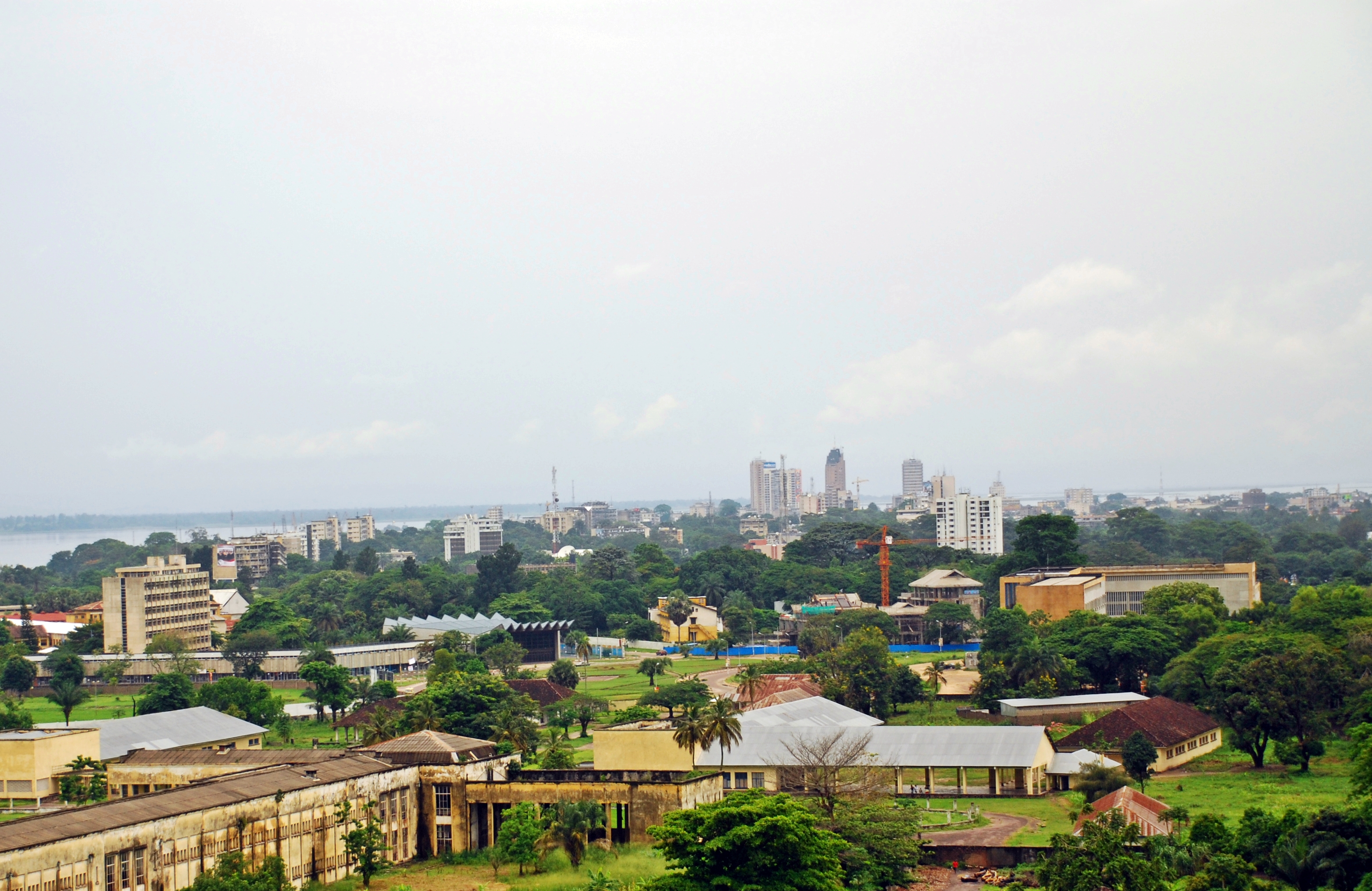
Back in Kinshasa, a morning rain was falling. Pascal's taxi was stuck on the same ring road — or at least one that looked identical. The radio was playing rumba; he was humming along, drumming his fingers on the steering wheel. I asked him if he still thought the Leopards could score. He smiled: 'In Congo, optimism is a survival skill — as important as knowing how to bargain.' Outside the window, I saw a young man with a football at his feet, rainwater splashing off its surface, catching the light. Pascal's radio switched from rumba to match commentary — Chancel Mbemba had scored again. He rolled down his window and shouted at a total stranger on the sidewalk. Nobody understood what he said. But everyone smiled.
Discover more countries
Travel stories from other countries
Cape Verde
Entering an Atlantic archipelago through its music
Curacao
One island, two worlds
Uzbekistan
Searching for modern answers on an ancient trade route
Jordan
Tracing the entire journey backward from the Treasury's light
Haiti
Returning home through the eyes of a diaspora footballer
Iraq
Between Mesopotamian ruins and teahouses
Qatar
The real bill for 24 hours in Doha
Netherlands
From Amsterdam's canals to Breda's football ground, water routes and land routes unfold together
Switzerland
A geographical-acoustic travelogue, from Zurich lake mist to the whistle of Jungfrau trains
Morocco
An olfactory-map travelogue, from spice markets to the sweetness of mint tea
South Africa
From the silence of Robben Island to street football in Soweto, seeing how Bafana Bafana kicks the country back into one team
Japan
An immersive five-senses travelogue, from Shibuya's live screens to the sea breeze of Yokohama
Senegal
From Dakar street football and the silence of Goree Island to the salt light of Lac Rose, understanding the Lions of Teranga
Korea
An immersive five-senses travelogue, from street football in Hongdae to dusk in Chuncheon
Ivory Coast
Lagoons, cocoa, and orange shirts.
Norway
A landscape-contrast travelogue, from the edge of the North Sea to the depths of the fjords
Uganda
An immersive five-senses travelogue, from Kampala street football to Bwindi's silverback gorillas
← View all stories · Country travel guide · Browse all downloadable travel maps
Plan with confidence
DR Congo travelogue FAQ
What does this DR Congo travelogue cover?
It connects DR Congo's routes, landscapes, food and football culture with practical next steps in the country guide.
Where can I find practical DR Congo travel information?
Use the DR Congo travel guide for entry planning, transport, budgets and route ideas, then confirm time-sensitive requirements with official sources.
Is this page a substitute for official travel advice?
No. Entry rules, safety guidance and transport conditions can change; confirm them with official sources before booking.