Country travel snapshot
DR Congo travel basics: entry, season, budget and transport
Huge Central African country around the Congo River basin. Start here for the practical checks that decide whether a DR Congo trip works: entry rules, weather, costs and local movement.
- Population
- About 100+ million people.
- Time zone
- UTC+1 in the west, UTC+2 in the east.
- People
- Very diverse, with hundreds of ethnic groups; Kongo, Luba, Mongo, Mangbetu-Azande, and many others.
- Local languages
- French is the official language and the main language of administration, education, and formal travel arrangements. The country also uses major national languages: Lingala around Kinshasa and the northwest, Swahili/Kingwana in the east, Kikongo/Kituba in the west, and Tshiluba in the Kasai region; these are mostly Bantu languages within the Niger-Congo family. English is limited outside specialist operators, NGOs, and some hotels, so a French-speaking guide or fixer is important.
- Currency and exchange
- Congolese franc (CDF).
Planning snapshot: 1 USD about 2,700-3,000 CDF; 1 EUR about 3,000-3,300 CDF; 1 CNY about 380-420 CDF.Loading live reference rates CDF...
Visa / arrival rules
Treat DR Congo as an advance-visa destination: ordinary tourists generally need an embassy visa or the official e-visa/visa-volant route before travel, plus yellow-fever proof. Visa on arrival is not a normal tourist fallback except special cases such as travelers of Congolese origin or travelers from places without a DRC mission who already hold official confirmation. Start at least 3-4 weeks before departure, and earlier if the route needs Virunga/park permits, domestic flights, or security-vetted operators. Before booking flights, recheck the official rule against passport nationality, arrival point, and transit plan.
Visa/entry information last reviewed: 2026-07-08. Rules can change by passport, arrival point and transit plan; recheck official rules before booking.Best local transport
In DR Congo, use vetted operators, not ad hoc transport: Kinshasa city driving, airport transfers, Goma/Virunga logistics, and park permits should be arranged before arrival. A private car with driver can easily run about $80-$200 per day in Kinshasa and more with security, poor roads, or remote pickups; guides and fixers vary widely, so quote them with the operator and itinerary. Domestic flights are essential for Kinshasa-Goma, Kinshasa-Kisangani, or other long jumps; roads are not realistic tourist connectors. Congo River boats and Lake Kivu crossings exist but are not simple daily sightseeing shuttles, and safety/permit conditions decide whether they belong in the trip. Inside Kinshasa choose a trusted driver; bicycles are not a practical visitor transport choice.
Best season
June-September and December-February are often better for drier travel windows. Equatorial/tropical, humid in much of the country, cooler in eastern highlands. Kinshasa often feels around 28-32°C (82-90°F) by day and 21-24°C (70-75°F) at night; Goma, Virunga, and eastern highland routes can be much cooler, especially after dark. Read season and climate together with the outdoor workload: beach days, desert drives, old-city walking, hiking, and inter-island movement all have different weather tolerance.
Cost level
High for secure tourism logistics, flights, guides, and reliable hotels. In Kinshasa, a simple local meal can be about 15,000-30,000 CDF per person, while mid-range restaurants often run 30,000-75,000 CDF or more. Taxis and private cars should be agreed in advance; short central rides may be about $5-15, while airport or security-vetted transfers can be far higher. Tipping is not mandatory but expected in many travel situations: 5-10% in restaurants if service is good, and small dollar tips for porters, drivers, and guides. Plan about $1,800-$4,500 per person for a short, operator-supported trip; Virunga-style logistics can exceed this.
Before you book
DR Congo practical checks
Use these extra notes after the travel basics to check safety, entry friction, money, transport, routing and the easiest first meal.
DR Congo Local customs?
Security and permits should be checked before every content update. Kinshasa nightlife is lively but use trusted local contacts.
DR Congo Visa / arrival rules?
Treat DR Congo as an advance-visa destination: ordinary tourists generally need an embassy visa or the official e-visa/visa-volant route before travel, plus yellow-fever proof. Visa on arrival is not a normal tourist fallback except special cases such as travelers of Congolese origin or travelers from places without a DRC mission who already hold official confirmation. Start at least 3-4 weeks before departure, and earlier if the route needs Virunga/park permits, domestic flights, or security-vetted operators. Ask before photographing people, soldiers, airports, or infrastructure.
DR Congo Currency and exchange?
Congolese franc (CDF). Planning snapshot: 1 USD about 2,700-3,000 CDF; 1 EUR about 3,000-3,300 CDF; 1 CNY about 380-420 CDF. High for secure tourism logistics, flights, guides, and reliable hotels. In Kinshasa, a simple local meal can be about 15,000-30,000 CDF per person, while mid-range restaurants often run 30,000-75,000 CDF or more. Taxis and private cars should be agreed in advance; short central rides may be about $5-15, while airport or security-vetted transfers can be far higher. Tipping is not mandatory but expected in many travel situations: 5-10% in restaurants if service is good, and small dollar tips for porters, drivers, and guides. Plan about $1,800-$4,500 per person for a short, operator-supported trip; Virunga-style logistics can exceed this.
Real route reference
7-day DR Congo itinerary for World Cup travelers
A practical route that turns interest in Leopards into cities, landscapes, food stops and match-night culture. DR Congo is not a casual self-drive itinerary. A responsible first route uses Kinshasa, the Congo River, music, and the Leopards football thread as the city opening, then treats Goma, Virunga, and Nyiragongo as operator-supported extensions.
Day 1 · Kinshasa
Arrive in Kinshasa
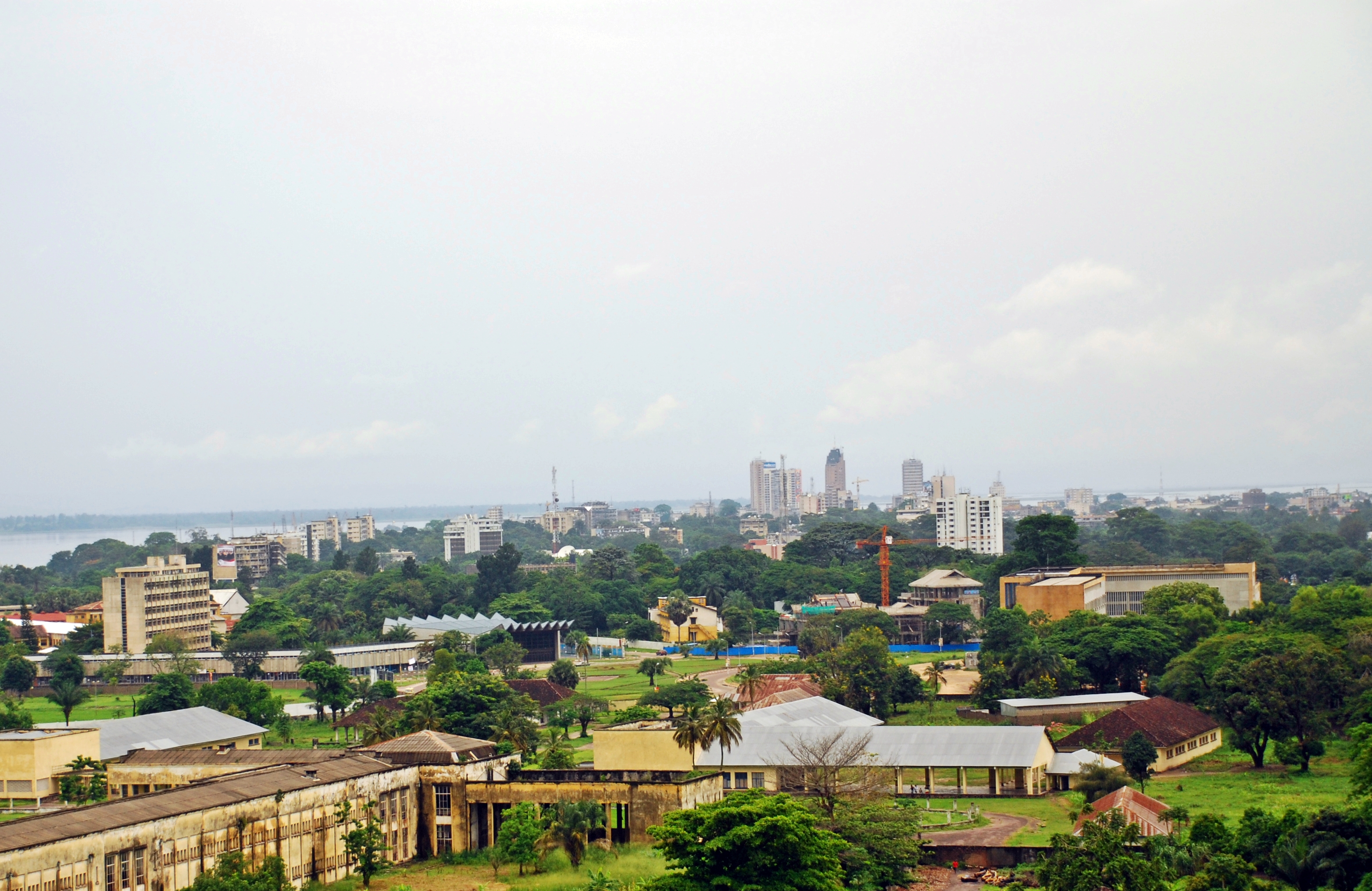
FIH -> Gombe hotel -> Congo River view
Start with airport transfer, Gombe, and the river rather than overpromising movement.
Use reliable pickup and local contacts.
Day 2 · Kinshasa
Kinshasa city day
Gombe -> riverfront -> music venue
Rumba, markets, river dinner, Lingala, and national-team conversations make Kinshasa a living chapter.
Nightlife only with trusted local support.
Day 3 · Congo River
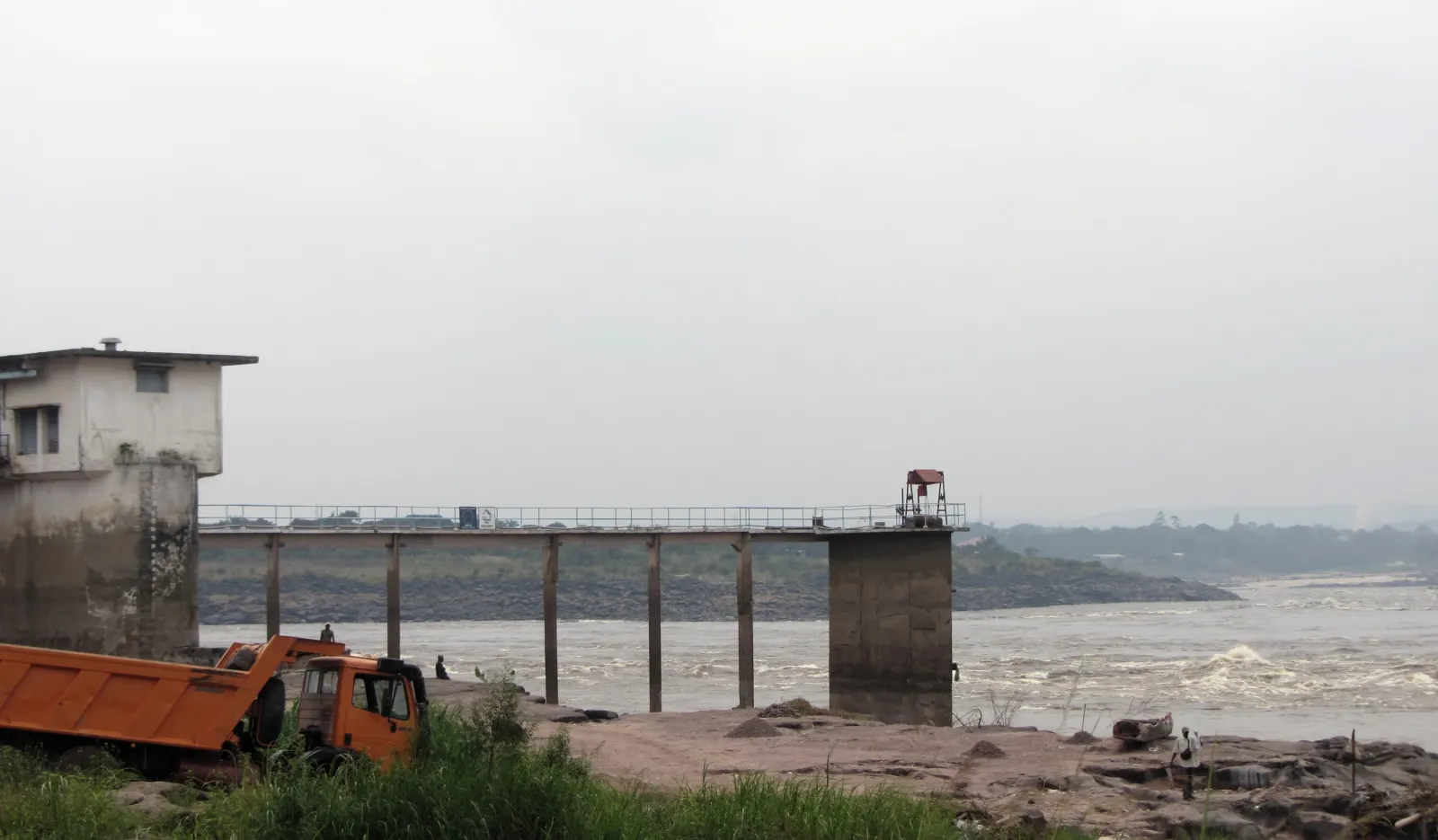
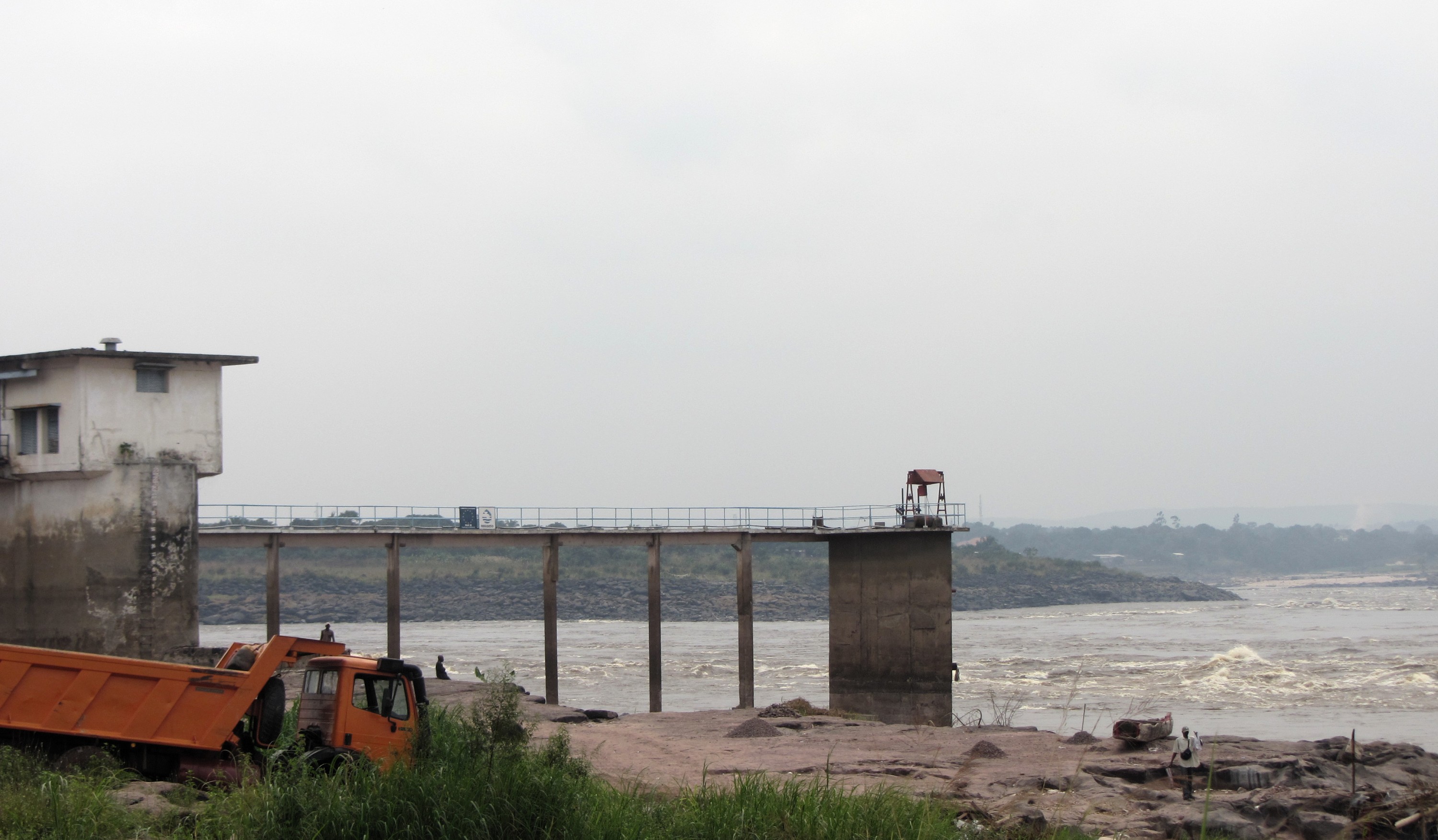
Congo River as the country's scale
Kinshasa river viewpoint / boat option
The Congo River is not just a map line; it gives the country page scale and atmosphere.
Verify boats and viewpoints locally.
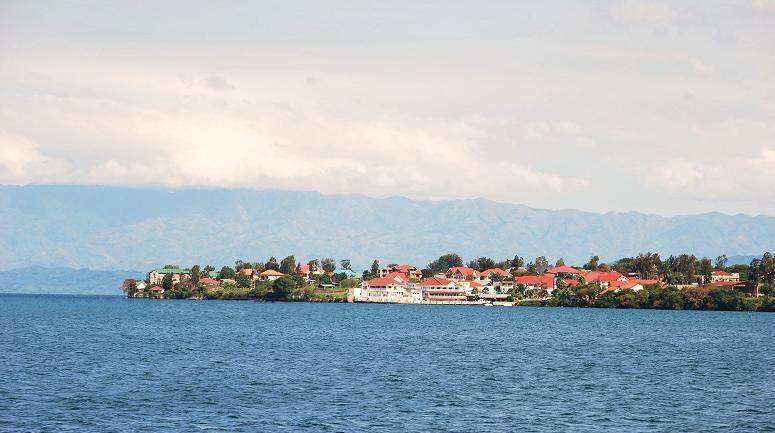
Day 4 · Goma
Fly to Goma
FIH -> GOM -> operator transfer
Goma begins a different itinerary that depends on operators, permits, and current conditions.
Do not promise Virunga access without checks.
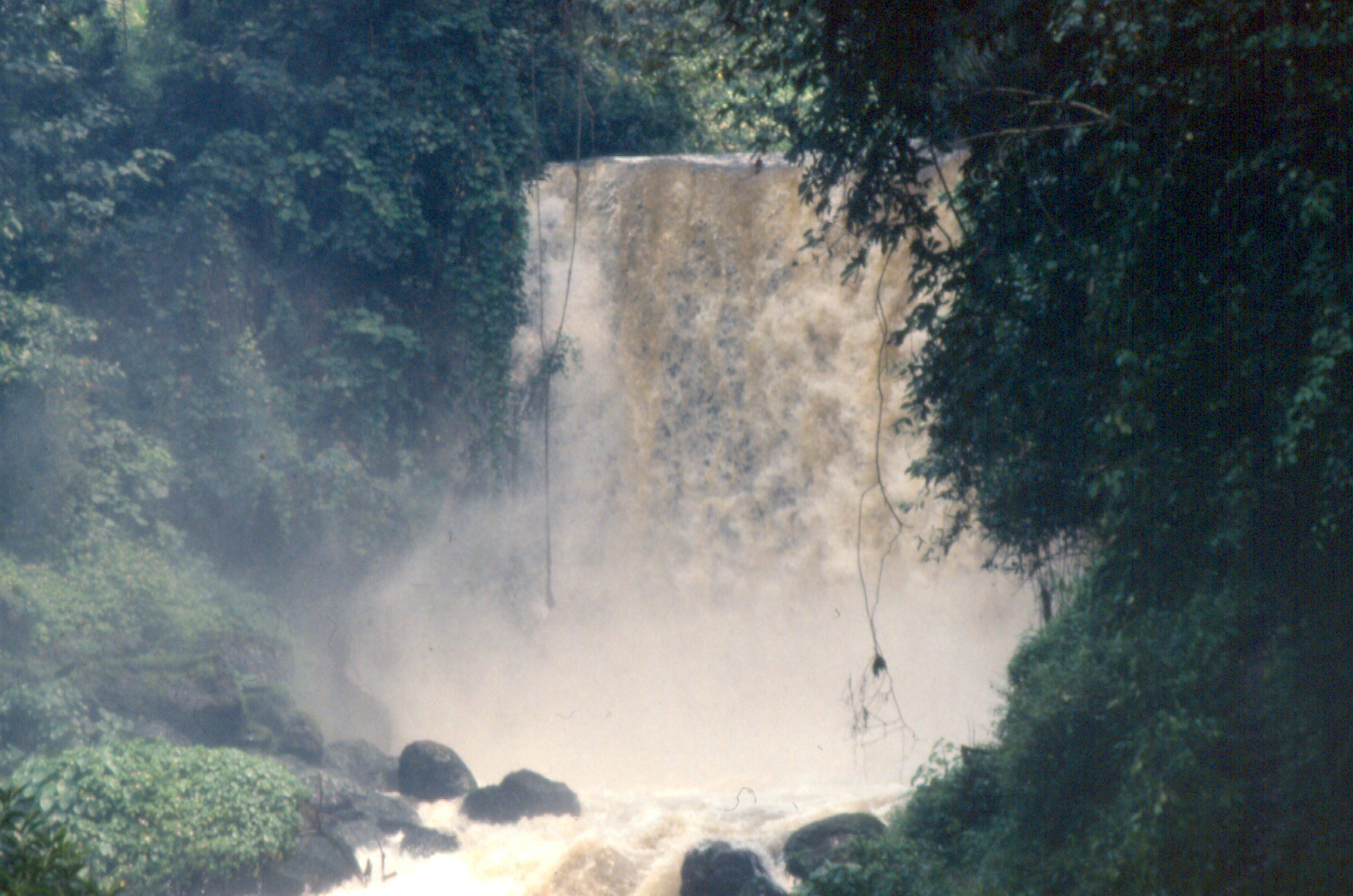
Day 5 · Virunga
Virunga if open and permitted
Goma -> Virunga area
Virunga should be written with respect for park rules, conservation, and operating reality.
Follow official park status.
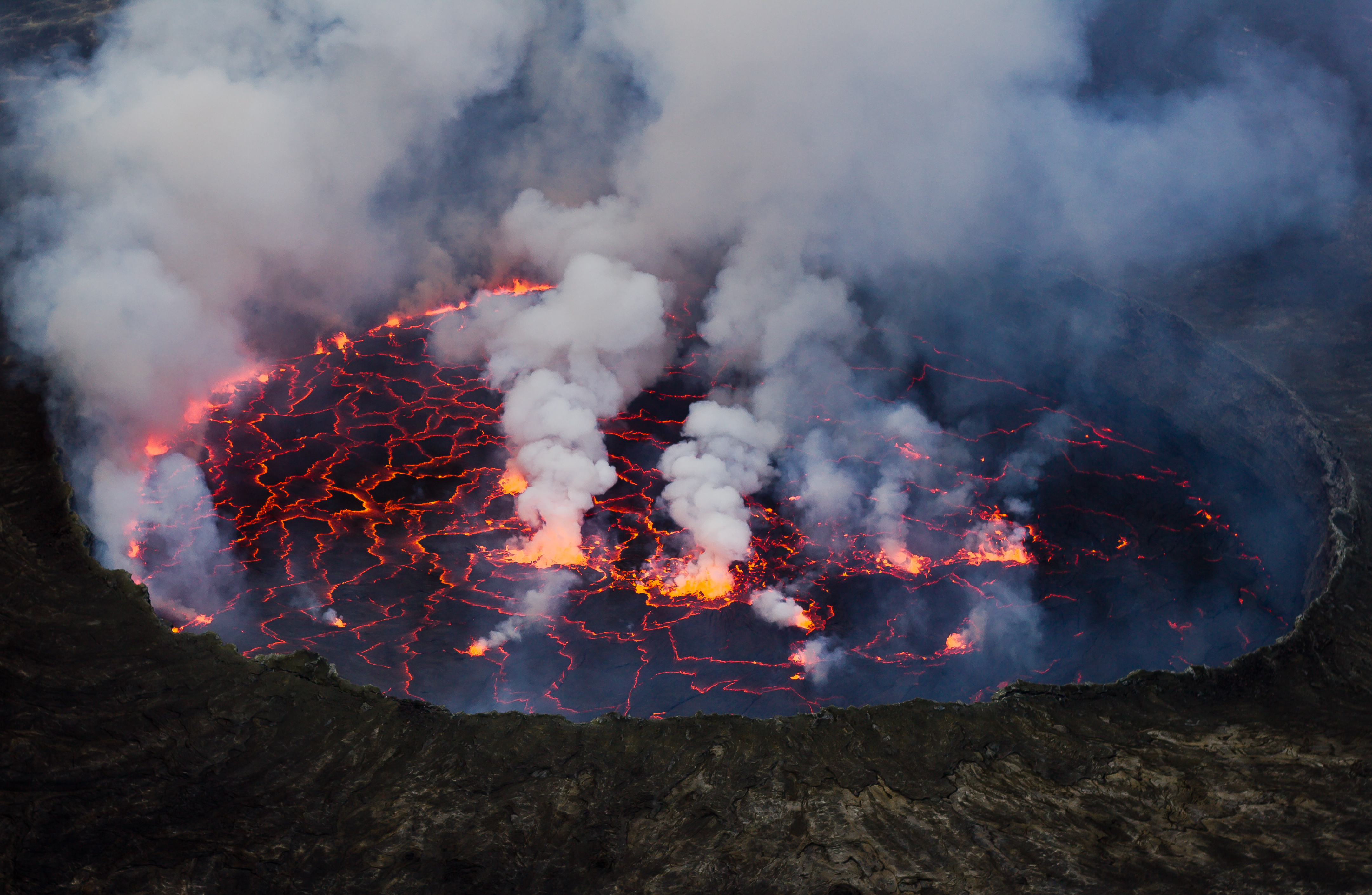
Day 6 · Nyiragongo
Nyiragongo as a conditional high point
Virunga / Goma -> Nyiragongo viewpoint or trek
Nyiragongo is visually powerful, but it must remain conditional on access, fitness, safety, and volcanic status.
Verify every time before publishing as bookable.
Day 7 · Return
Return with the Leopards thread
Goma / Kinshasa -> airport
Return to Chancel Mbemba, Leopards shirts, and Kinshasa's football identity.
Leave domestic-flight buffer.
🇨🇩 DR Congo travelogue
I Spent Three Days in DR Congo Trying to See a Volcano—and a Day and a Half of It Was Traffic
Read the narrative side of DR Congo: how arrival, football curiosity and local rhythm connect beyond a checklist.
Kinshasa's ring road at four-thirty in the afternoon becomes a parking lot without an end. My yellow taxi was wedged between trucks, motorbikes, and pedestrians balancing entire bunches of bananas on their heads, going absolutely nowhere. The driver, a young guy named Pascal, rolled down his window and got into an argument in Congolese French with a phone-card vendor — not about signal reception, but because the vendor thought the Leopards could win at least one match in the next Africa Cup, and Pascal said: 'If the Leopards score a single goal I'll give you this taxi.' Football is Kinshasa's most effective icebreaker. Traffic is the second.
The Democratic Republic of the Congo sits in the heart of Africa, capital Kinshasa, population over 100 million. Its land area is four times that of France, yet it has fewer than 3,000 kilometers of paved roads. When I told friends back home I was going to DR Congo to see a volcano, most people's reaction was: 'You know Mount Nyiragongo last erupted in 2021, right?' Another common reaction was: 'You know how bad Kinshasa traffic is, right?' I was about to find out.
Read the full DR Congo World Cup travel storyFamous player match photos
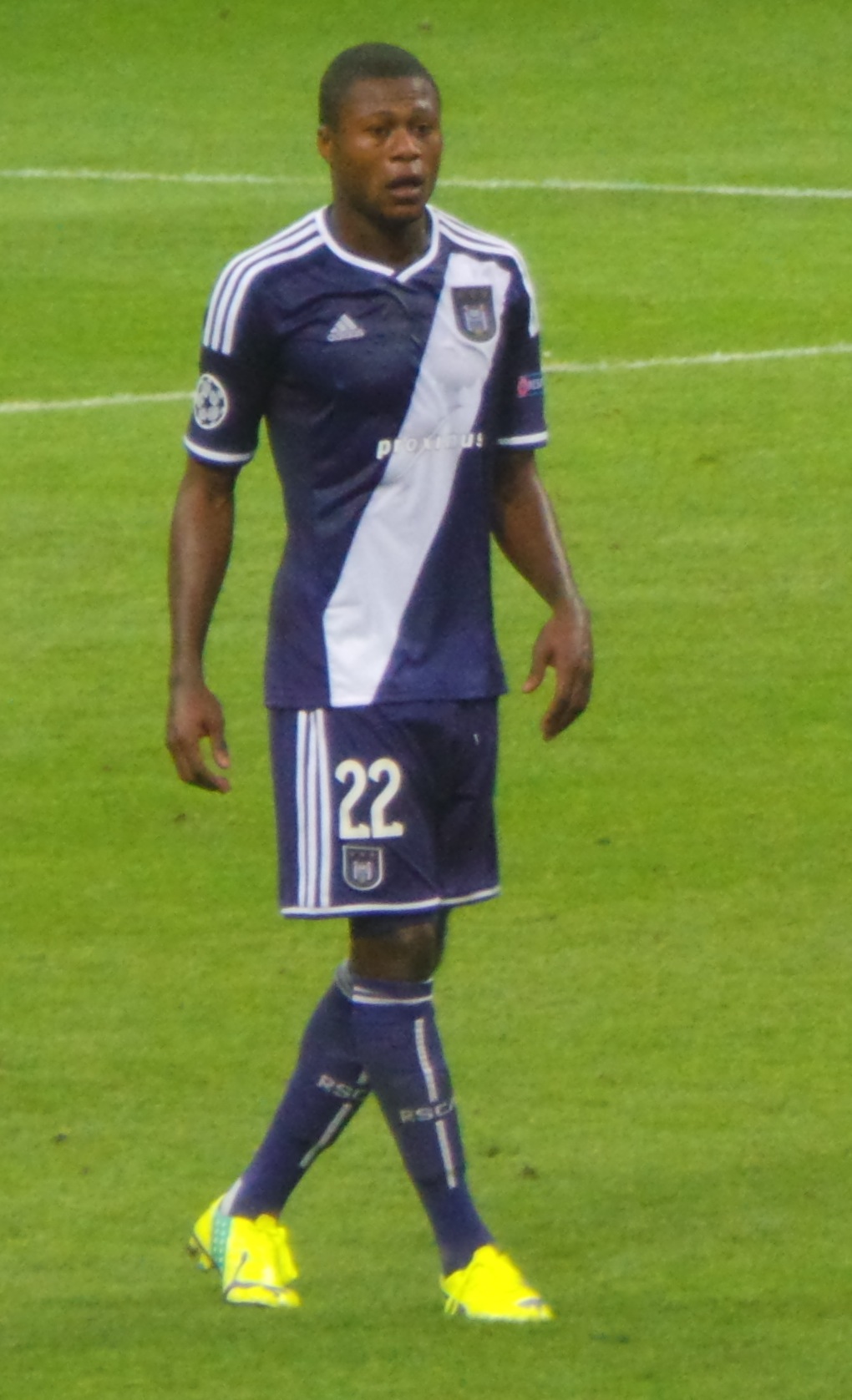
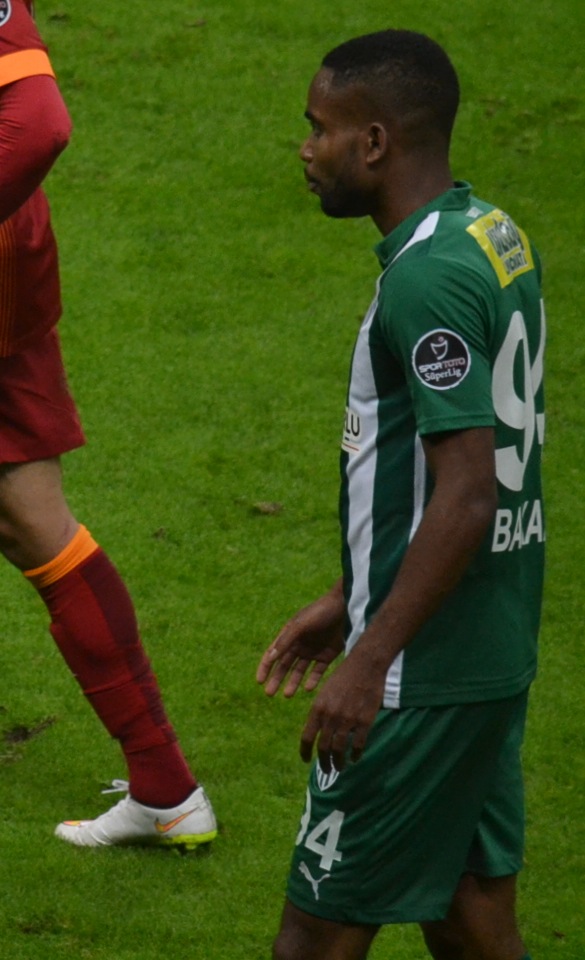
DR Congo players and football faces
Player context helps connect Leopards with hometowns, clubs, diaspora stories and routes a traveler can actually follow.
Recommended arrival airports and flight budget
DR Congo airports and flight routes
Use this section to compare arrival airports, likely connections and where each route places you inside DR Congo. Flight prices are seasonal planning ranges; check live fares before booking.
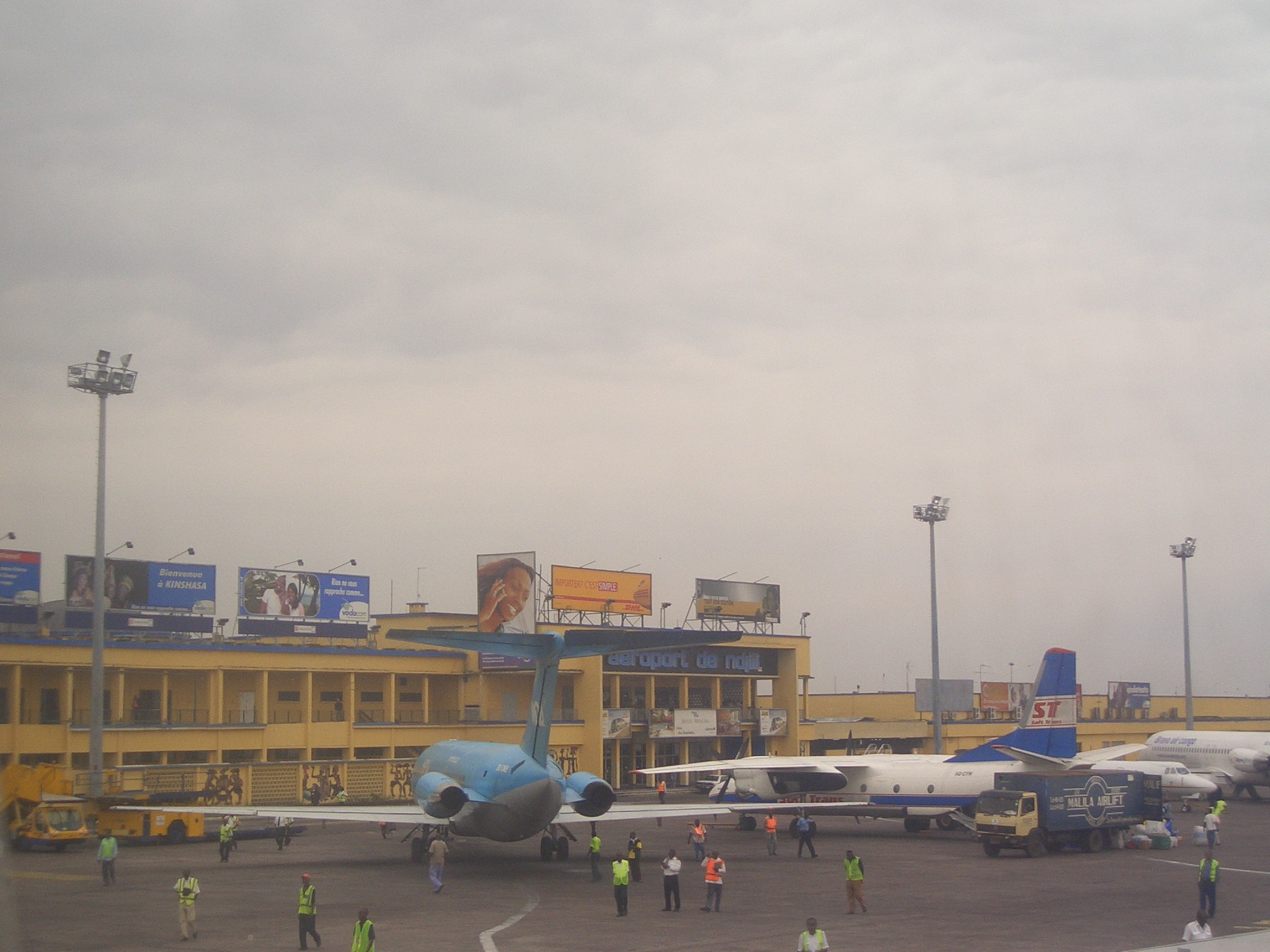
FIH
N'djili International Airport
Main gateway for Kinshasa, Congo River, and capital-based trips.
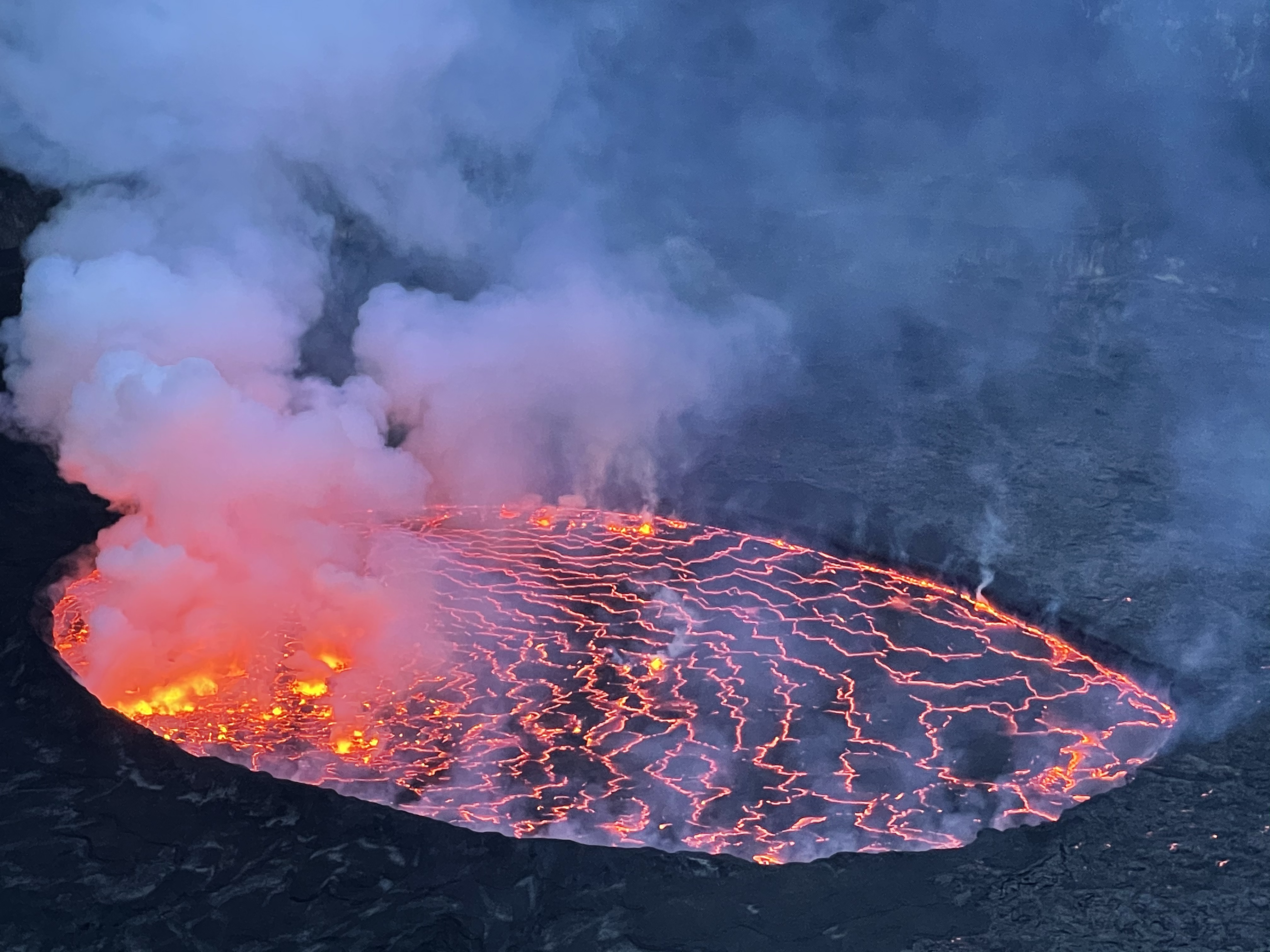
GOM
Goma International Airport
Eastern gateway for Virunga-region trips when conditions and permits allow.
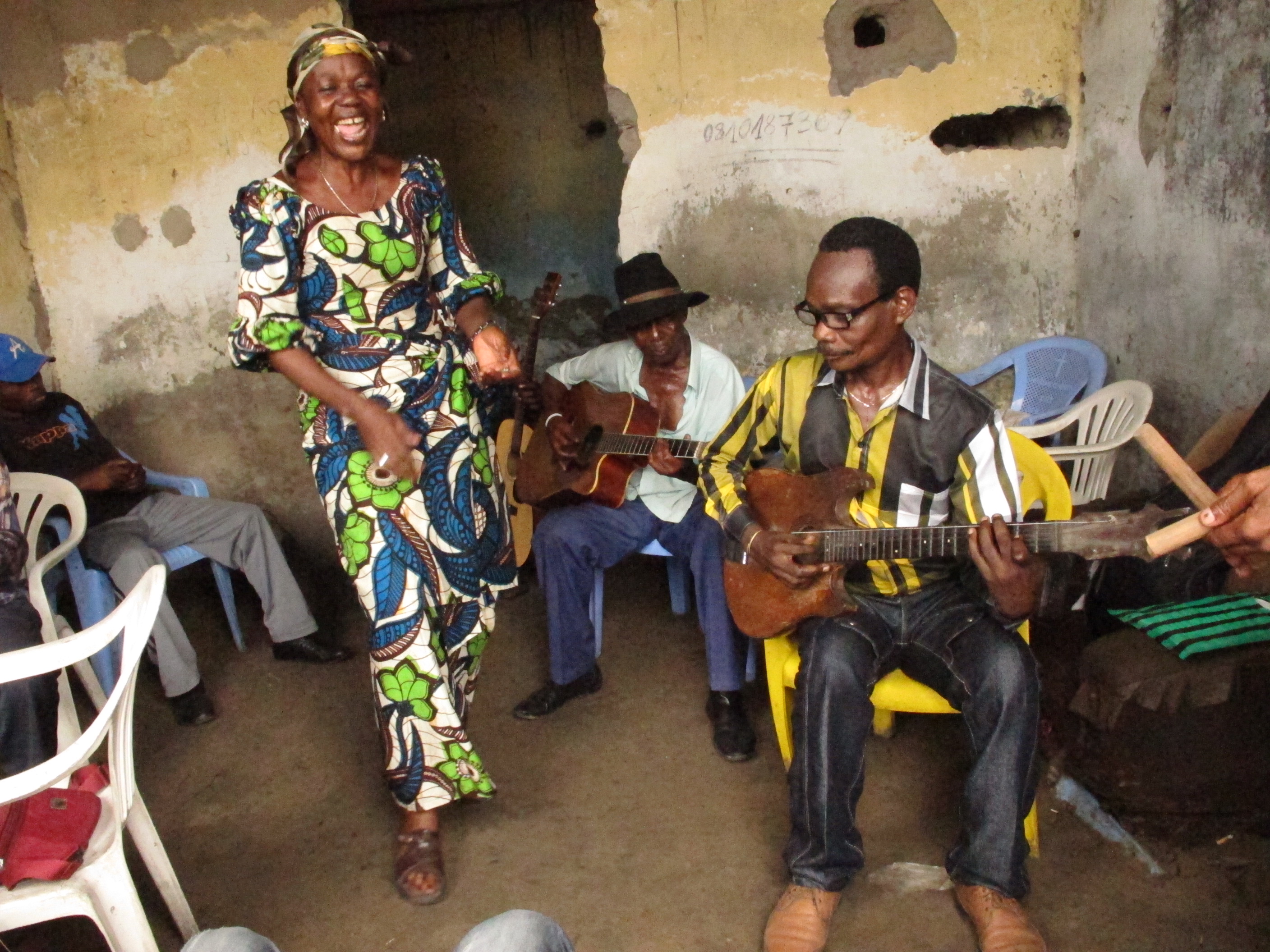
Local customs
- Security and permits should be checked before every content update.
- Kinshasa nightlife is lively but use trusted local contacts.
- Ask before photographing people, soldiers, airports, or infrastructure.
DR Congo Best local transport?
In DR Congo, use vetted operators, not ad hoc transport: Kinshasa city driving, airport transfers, Goma/Virunga logistics, and park permits should be arranged before arrival. A private car with driver can easily run about $80-$200 per day in Kinshasa and more with security, poor roads, or remote pickups; guides and fixers vary widely, so quote them with the operator and itinerary. Domestic flights are essential for Kinshasa-Goma, Kinshasa-Kisangani, or other long jumps; roads are not realistic tourist connectors. Congo River boats and Lake Kivu crossings exist but are not simple daily sightseeing shuttles, and safety/permit conditions decide whether they belong in the trip. Inside Kinshasa choose a trusted driver; bicycles are not a practical visitor transport choice.
DR Congo Route reference?
DR Congo is not a casual self-drive itinerary. A responsible first route uses Kinshasa, the Congo River, music, and the Leopards football thread as the city opening, then treats Goma, Virunga, and Nyiragongo as operator-supported extensions. Arrive in Kinshasa FIH -> Gombe hotel -> Congo River view Use reliable pickup and local contacts. Kinshasa city day Gombe -> riverfront -> music venue Nightlife only with trusted local support. Congo River as the country's scale Kinshasa river viewpoint / boat option Verify boats and viewpoints locally.
Hotels after landing
Where to stay in DR Congo
Hotel choices are grouped by route logic, airport access, neighborhood feel and match-day convenience.
Fleuve Congo Hotel
Price range: $250-$450/night
Landmark Kinshasa hotel by the river.
Pullman Kinshasa Grand Hotel
Price range: $220-$420/night
Business-class base for capital routes.
Hotel Memling
Price range: $170-$320/night
Historic central Kinshasa option.
Lac Kivu Lodge
Price range: $120-$260/night
Eastern base when Goma/Virunga travel is possible.
Local food and restaurants
What to eat in DR Congo
Food notes focus on local dishes, realistic restaurant types, prices and the easiest first meals after arrival.
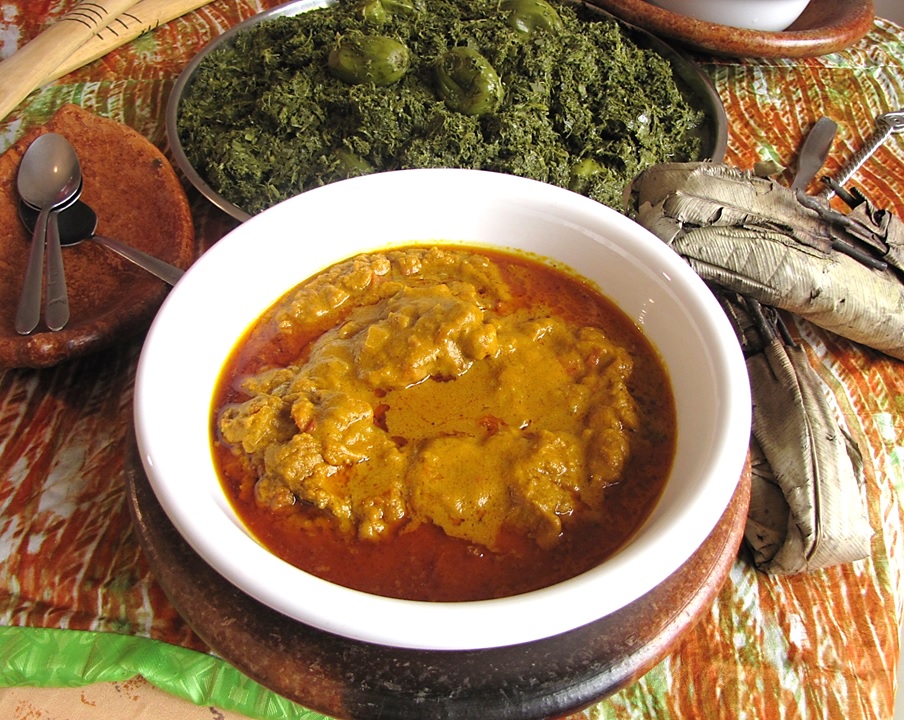
Moambe chicken
Palm-nut sauce dish common across the region.
Restaurants: Kinshasa Congolese restaurants, hotel dining rooms
Budget: $10-$25
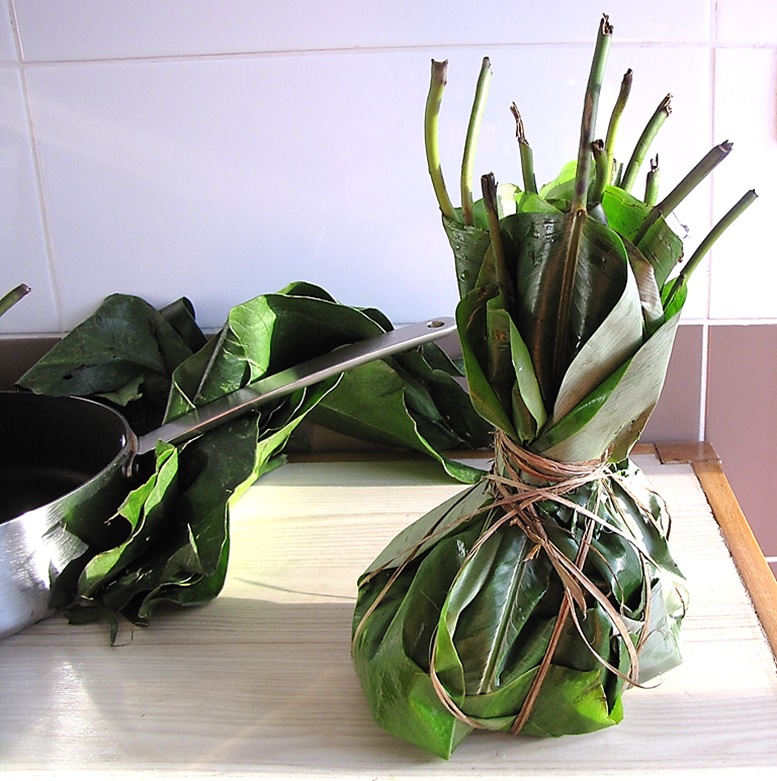
Liboke fish
Fish steamed in leaves with spices.
Restaurants: Riverfront/local restaurants
Budget: $12-$30
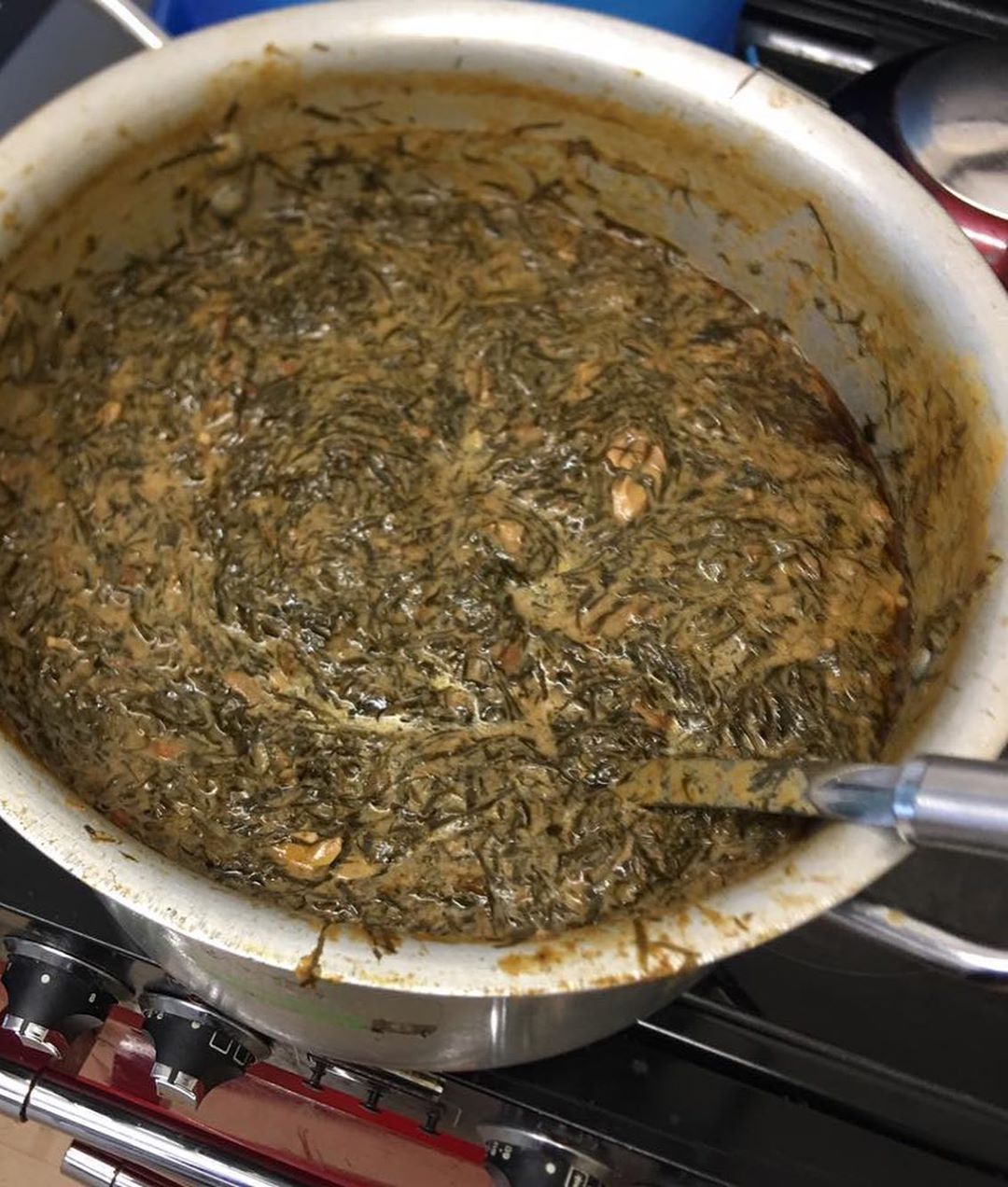
Fumbwa
Wild spinach-style greens often cooked with peanut or palm flavors.
Restaurants: Traditional Kinshasa kitchens
Budget: $8-$18
Makayabu
Salted fish with sides such as plantain or cassava.
Restaurants: Local lunch spots
Budget: $7-$18
DR Congo Local food and restaurants?
Moambe chicken Palm-nut sauce dish common across the region. Kinshasa Congolese restaurants, hotel dining rooms $10-$25
Shows, bars, and entertainment
DR Congo after dark and local nights
Evening ideas link music, waterfronts, markets and football screens without forcing every night into a match plan.
Kinshasa rumba clubs
The strongest music-led entertainment angle for the country page.
Congo River sunset bars
River views, skyline, and relaxed evening scenes.
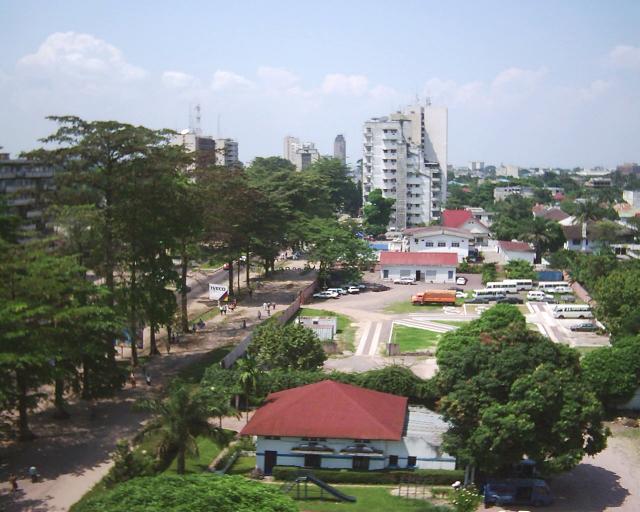
Gombe district lounges
Higher-end dining and nightlife district.
Domestic football clubs
DR Congo football clubs and match culture
Club context adds the local football layer behind Leopards, from stadium neighborhoods to supporter routines. Club sections can connect Kinshasa, Lubumbashi, national-team talent, and African club competition.
Lubumbashi
TP Mazembe
DR Congo's most internationally recognizable club, a Lubumbashi black-and-white anchor with African titles and Club World Cup memory.
Kinshasa
AS Vita Club
A leading Kinshasa club whose green-black-white identity connects the capital, Stade des Martyrs, and urban supporter culture.
Kinshasa
Daring Club Motema Pembe
A historic Kinshasa club for derby, league tradition, and everyday supporter culture in the capital.
Lubumbashi
FC Saint Eloi Lupopo
A Lubumbashi club whose yellow-and-blue identity creates a useful city contrast with TP Mazembe and extends the Katanga football story.
Landscape anchors
DR Congo attractions that match the Leopards story
These landscapes and city stops give the football-led route a stronger sense of place. The Leopards can connect football curiosity with volcanoes, rainforests, river cities, and Congolese music.
Virunga National Park
The country's most powerful nature hook, but it belongs in a permit-led, operator-supported plan.
Mount Nyiragongo
A dramatic volcanic highlight that should be presented as conditional on safety, access, and current rules.
Congo River
The scale-setting landscape for Kinshasa, giving the capital route a clear geographic center.
Kinshasa
The urban anchor: river views, rumba culture, hotels, food, and the football story all begin here.
Country travel map
DR Congo travel map for planning
Save the map to compare airports, hotels, restaurants, clubs and attractions before building the route. The map should split Kinshasa/Congo River from Goma/Virunga/Nyiragongo, linked by domestic flight rather than ordinary road travel.
Download travel mapBrowse all downloadable travel maps →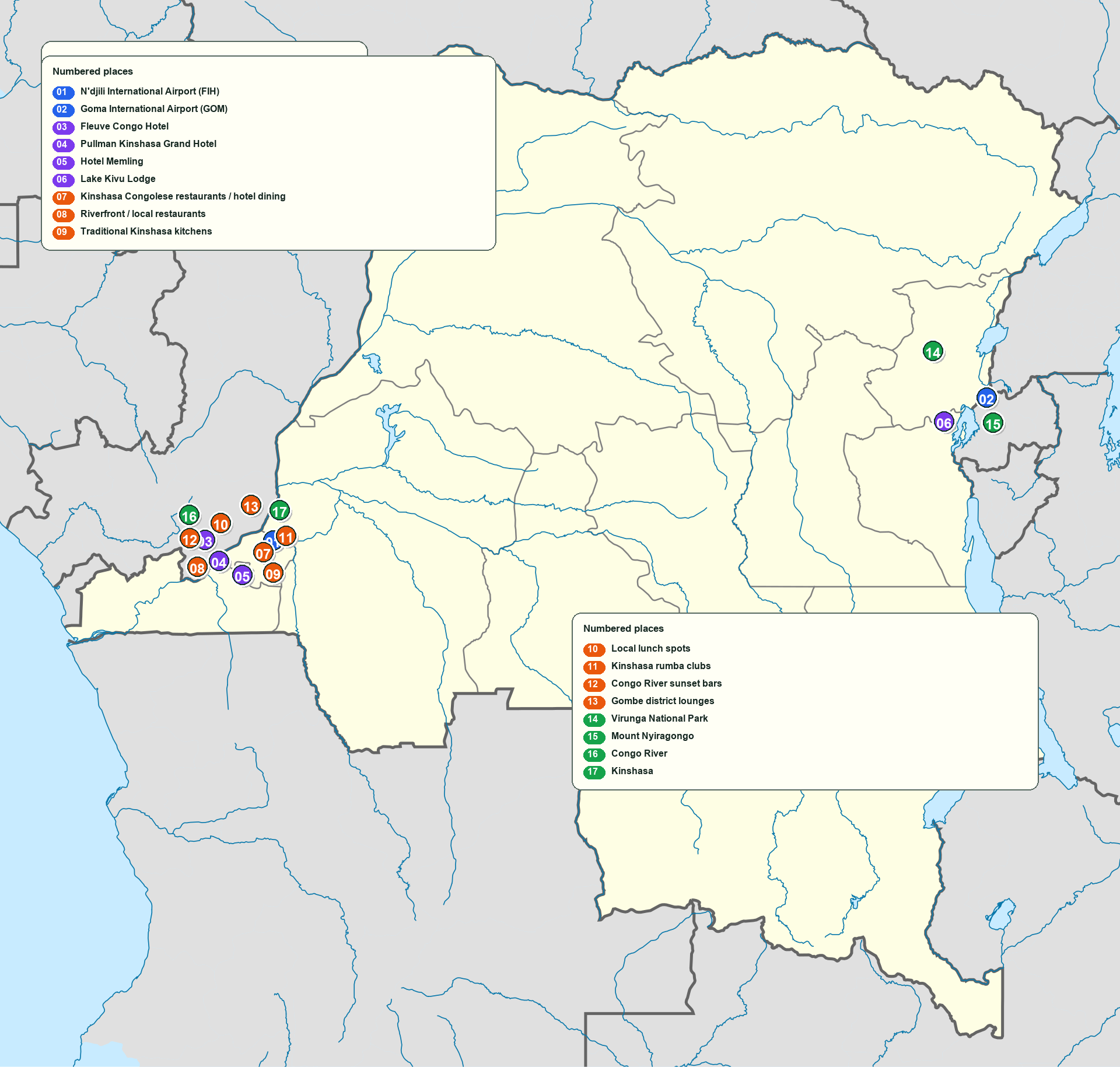
How much money to prepare
DR Congo trip budget
A quick cost frame for flights, hotels, food, transport and paid activities before you book. Plan about $1,800-$4,500 per person for a short, operator-supported trip; Virunga-style logistics can exceed this.
Best via Brussels, Paris, Addis Ababa, Nairobi.
Reliable accommodation is expensive.
Local meals are cheaper; hotel dining adds up.
Guides, permits, park logistics.
Private secure transfers are usually needed.
Travel rules, prices, transport schedules and safety conditions can change. Recheck official entry rules, local advisories and current prices before booking.
Route reference
DR Congo itinerary sources
External route references used to check pacing, logistics and travel assumptions.
- Virunga National Park — Reference for Virunga, Nyiragongo, permits, and operating status.
- Lonely Planet DR Congo — Background reference for major regions and travel basics.
- Untamed Borders DR Congo — Specialist operator routes emphasize support, permits, and safety.
- U.S. Travel Advisory DRC — Security status changes and must be checked before planning.
Related route
Compare another World Cup travel route
Editorial notes
How this DR Congo guide is maintained
Researched and edited by the Travel the Teams editorial team. This guide combines route-planning context, cultural background and the sources linked above; it is not a substitute for official entry, safety, health or transport advice.
Travel requirements and prices change. Confirm current information with the relevant official authorities and providers before booking.