Country Travel Snapshot
Senegal travel basics: entry, season, budget and transport
Located at the westernmost point of West Africa, surrounding The Gambia and facing the Atlantic Ocean; Dakar, Gorée Island, Lake Retba (Pink Lake), Saint-Louis, and Casamance form the main travel map. Start here for the practical checks that decide whether a Senegal trip works: entry rules, weather, costs and local movement.
- Population
- Approximately 18 million people.
- Time Zone
- GMT, UTC+0, 8 hours behind Beijing.
- Major Ethnic Groups
- Ethnic groups such as Wolof, Pulaar, Serer, Diola, and Mandinka collectively form the social structure, with Teranga hospitality culture being the most frequently mentioned national characteristic.
- Local Languages
- French is the official language; Wolof is the most commonly heard everyday lingua franca. French is most reliable for tourism services; English is available in hotels and among younger service staff but should not be fully relied upon.
- Currency and Exchange Rate
- West African CFA franc (XOF / CFA).
Planning reference: approximately 600 XOF per 1 USD, fixed approximately 656 XOF per 1 EUR, approximately 80-90 XOF per 1 CNY; verify real-time exchange rates before actual payment.
Visa/Visa on Arrival
Senegal's visa rules are stratified by nationality; ECOWAS citizens are typically visa-exempt, many European/partner countries can have short visa-free stays or be processed by category at DSS, but don't assume 'West Africa is easy to enter' as default. Chinese passport holders and those with uncertain nationalities should verify in advance with Senegalese embassies/consulates, airlines, and hotels; entry typically requires passport validity, return/continuation ticket, accommodation address, and sometimes yellow fever vaccine. Prepare hotel confirmations, airport pickup contacts, travel insurance, and cash, with French addresses clearly written; don't wait until the transfer counter to check.
Visa/entry information last reviewed: 2026-07-08. Rules can change by passport, arrival point and transit plan; recheck official rules before booking.Local Transportation
Dakar transportation should be planned with 'safety and time' in mind. Book airport transfers in advance; use hotel cars, reliable taxis, or ride-hailing services in the city, point-to-point at night. Long-distance options include sept-place shared cars and buses, but vehicle conditions, waiting times, and comfort vary greatly; first-time visitors going to Saint-Louis, Pink Lake, Bandia, or Saly will find private cars/official day tours more reliable. Take ferries to Gorée Island, check return schedules; don't squeeze Gorée Island, monuments, markets, and nightlife into the same day.
Best Travel Season
November to March is most comfortable, suitable for Dakar, Gorée Island, Saint-Louis, and Djoudj Bird Sanctuary; the rainy season is suitable for green landscapes but poses more challenges for transportation.
Price Level
Moderately high, especially Dakar is not inexpensive. Hotels, private cars, guides, seaside restaurants, and airport transfers approach European city prices; local lunches, shared transportation, and street drinks are cheaper. First-time visitors should not prioritize saving money by compromising transportation and safety; DSS is far from the city center, Dakar has heavy traffic, and Gorée Island/Pink Lake/Saint-Louis all require time buffers. Local lunch in Dakar costs approximately XOF 2,000-5,000, mid-range restaurant XOF 8,000-20,000, seaside/hotel restaurants are higher. DSS to Dakar takes about 45-90 minutes, taxi or pre-booked transfer commonly XOF 25,000-50,000; short city taxi rides approximately XOF 2,000-6,000, requiring prior price negotiation. Gorée Island ferry tickets are not expensive, but guided tours, museums, lunch, and tips add up. Private car day trips or overnight stays to Saint-Louis/Pink Lake will significantly increase the total budget. 6-7 day Dakar + Gorée Island + Saint-Louis trip, it's recommended to prepare approximately $1,100-$2,600 per person.
Before you book
Senegal practical checks
Use these extra notes after the travel basics to check safety, entry friction, money, transport, routing and the easiest first meal.
Senegal Local Customs?
Teranga is not a tourism slogan, but a social rhythm of greeting, small talk, and mutual face-saving. Before entering markets, asking directions, taking photos, or bargaining, greet first; even without French/Wolof, you can use Bonjour, Salaam aleikum, merci to break the ice. Directly pointing cameras at children, vendors, religious sites, or people at work will quickly make goodwill disappear. Dakar has a lot of energy but can also be draining. Traffic jams, bargaining, sea breezes, music, markets, and street football coexist. Arranging only one core objective per day is most practical: Gorée Island, Pink Lake, Saint-Louis, or city museums. For nighttime activities, choose venues recommended by hotels, local friends, or guides, and call a car before leaving.
Senegal Visa/Visa on Arrival?
Senegal's visa rules are stratified by nationality; ECOWAS citizens are typically visa-exempt, many European/partner countries can have short visa-free stays or be processed by category at DSS, but don't assume 'West Africa is easy to enter' as default. Chinese passport holders and those with uncertain nationalities should verify in advance with Senegalese embassies/consulates, airlines, and hotels; entry typically requires passport validity, return/continuation ticket, accommodation address, and sometimes yellow fever vaccine. Prepare hotel confirmations, airport pickup contacts, travel insurance, and cash, with French addresses clearly written; don't wait until the transfer counter to check. Be cautious with religious and family spaces. Senegal has a large Muslim population; Ramadan, Friday prayers, areas around mosques, and family gatherings require respect for dress codes and photography boundaries. Football jerseys and football topics easily start conversations, but don't turn poverty, street children, or spaces commemorating the slave trade into sensationalized material.
Senegal Currency and Exchange Rate?
West African CFA franc (XOF / CFA). Planning reference: approximately 600 XOF per 1 USD, fixed approximately 656 XOF per 1 EUR, approximately 80-90 XOF per 1 CNY; verify real-time exchange rates before actual payment. Moderately high, especially Dakar is not inexpensive. Hotels, private cars, guides, seaside restaurants, and airport transfers approach European city prices; local lunches, shared transportation, and street drinks are cheaper. First-time visitors should not prioritize saving money by compromising transportation and safety; DSS is far from the city center, Dakar has heavy traffic, and Gorée Island/Pink Lake/Saint-Louis all require time buffers. Local lunch in Dakar costs approximately XOF 2,000-5,000, mid-range restaurant XOF 8,000-20,000, seaside/hotel restaurants are higher. DSS to Dakar takes about 45-90 minutes, taxi or pre-booked transfer commonly XOF 25,000-50,000; short city taxi rides approximately XOF 2,000-6,000, requiring prior price negotiation. Gorée Island ferry tickets are not expensive, but guided tours, museums, lunch, and tips add up. Private car day trips or overnight stays to Saint-Louis/Pink Lake will significantly increase the total budget. 6-7 day Dakar + Gorée Island + Saint-Louis trip, it's recommended to prepare approximately $1,100-$2,600 per person.
Real route reference
7-day Senegal itinerary for World Cup travelers
A practical route that turns interest in Lions of Teranga into cities, landscapes, food stops and match-night culture. The 6-7 day Senegal route should start in Dakar, but only plan one core goal per day. Day 1: handle airport and beachside rhythm. Day 2: visit Gorée Island and respect its historical space. Day 3: understand modern Dakar through markets, monuments, and music. Day 4: choose between Lake Retba or Ngor based on season. Day 5/6: go to Saint-Louis for an overnight stay. Finally, return to Dakar to wrap up. The football thread is not just Sadio Mané's name, but jerseys, TV, street pitches, and the Teranga hospitality culture.
Day 1 · Dakar (Dakar)
Arriving in Dakar: First, Adjust to the Sea Breeze and Traffic
DSS → Hotel in Dakar → Seafood Dinner
Blaise Diagne Airport is not close to downtown Dakar. The most important things on Day 1 are transfers, cash, SIM card, and pace. Don't rush to markets or nightlife right after landing. First, get to the hotel, confirm the ferry/driver for the next day, then go to the seaside for grilled fish or Yassa. The sea breeze, traffic jams, French greetings, and street jerseys of Dakar will form the first impression together.
Book airport transfer in advance; stay in a reliable hotel in the Plateau, Almadies, or seaside area. If arriving late, don't cross zones to find a restaurant.
Day 2 · Gorée Island (Île de Gorée)
Gorée Island: Write History with Restraint
Dakar Port → Gorée Ferry → Slave House / Island Walk
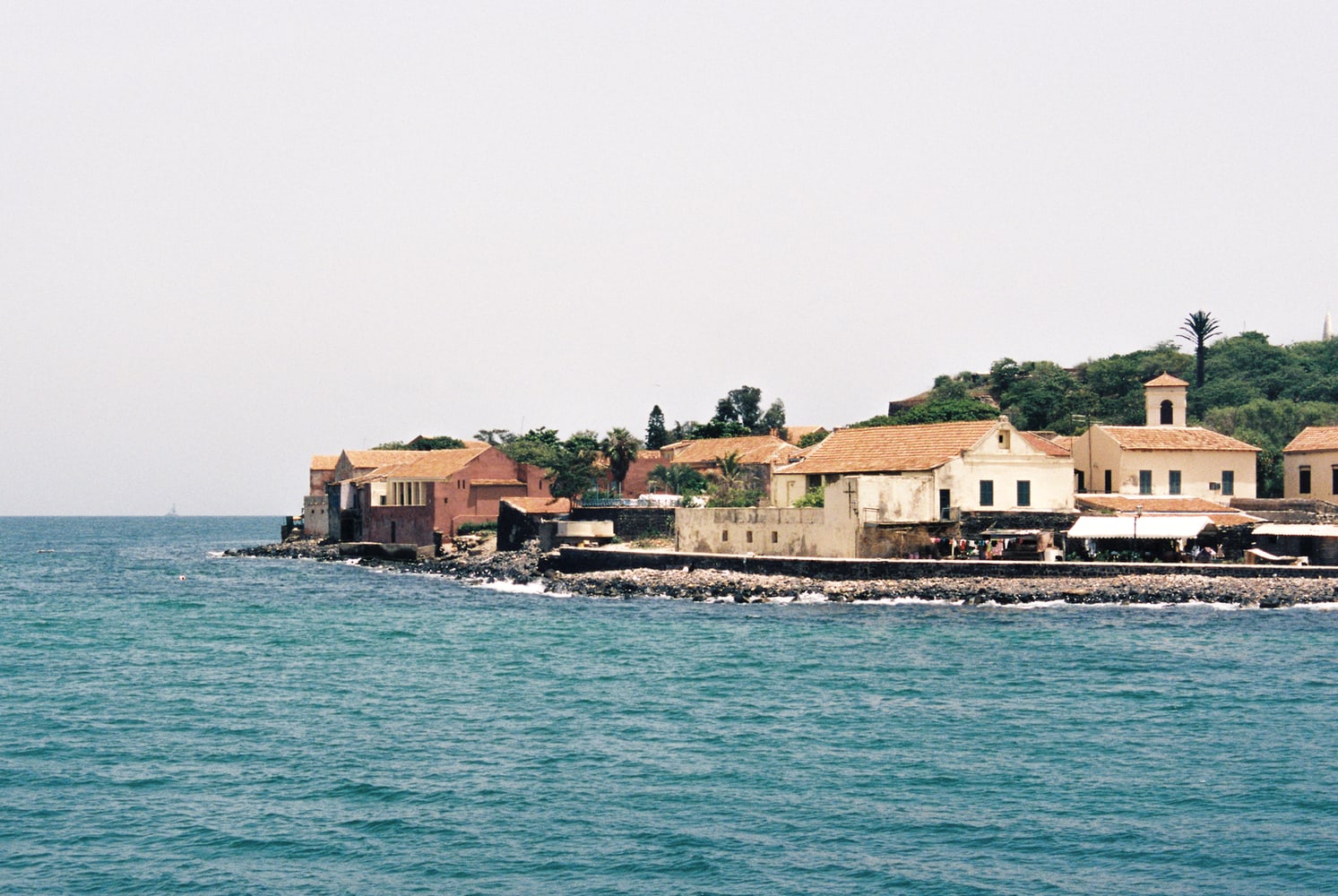
Gorée Island is both beautiful and heavy. Colorful walls, sea breeze, and the memory of the slave trade coexist. The page must avoid a frivolous tourist tone. Recommended to take the morning ferry, allow time for the Slave House, island walk, lunch, and quiet reflection; ask permission before photographing people, doorways, and children.
Check ferry times and allow buffer for return; bring water, sunscreen, and cash. Clarify guide prices and scope beforehand.
Day 3 · Dakar (Dakar)
Dakar City Day: Markets, Monuments, and Mbalax
Museum/Market → African Renaissance Monument → Music Night
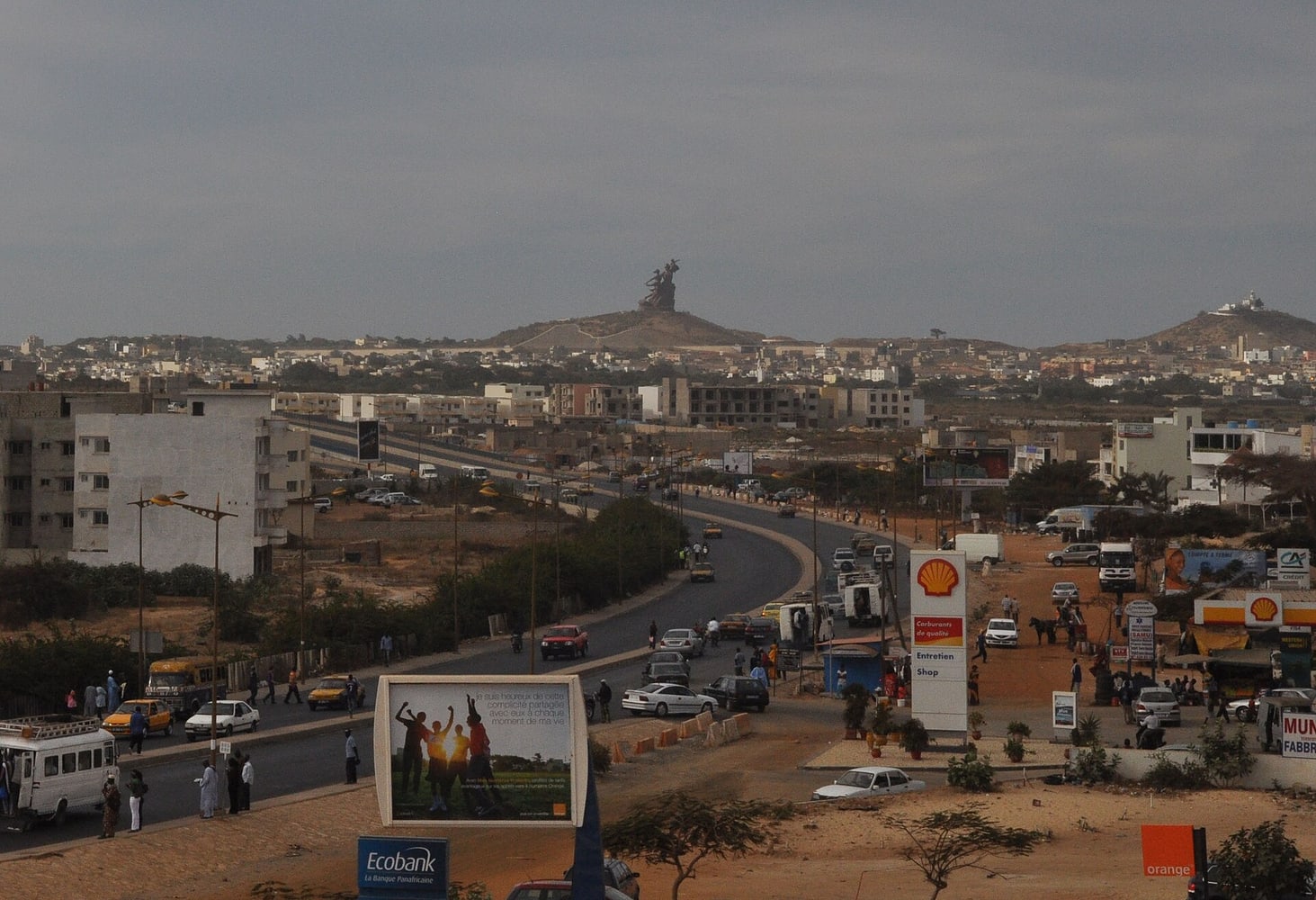
Dakar is a modern West African metropolis: traffic jams, markets, seaside restaurants, Mbalax rhythms, street football pitches, and national team jerseys can all appear on the same day. In the daytime, choose from museums, markets, and the African Renaissance Monument; in the evening, go to safe music or viewing venues. Don't point the lens at all poverty and chaos; what's truly useful is writing about how the city functions.
Use a driver or guide during the day; point-to-point transport at night. Ask before taking photos at markets; don't keep your phone out for long.
Day 4 · Lake Retba / Ngor (Lac Rose / Ngor)
Lake Retba or Ngor: A Nature Chapter for the Coast
Dakar → Lake Retba or Ngor/Almadies → Dakar
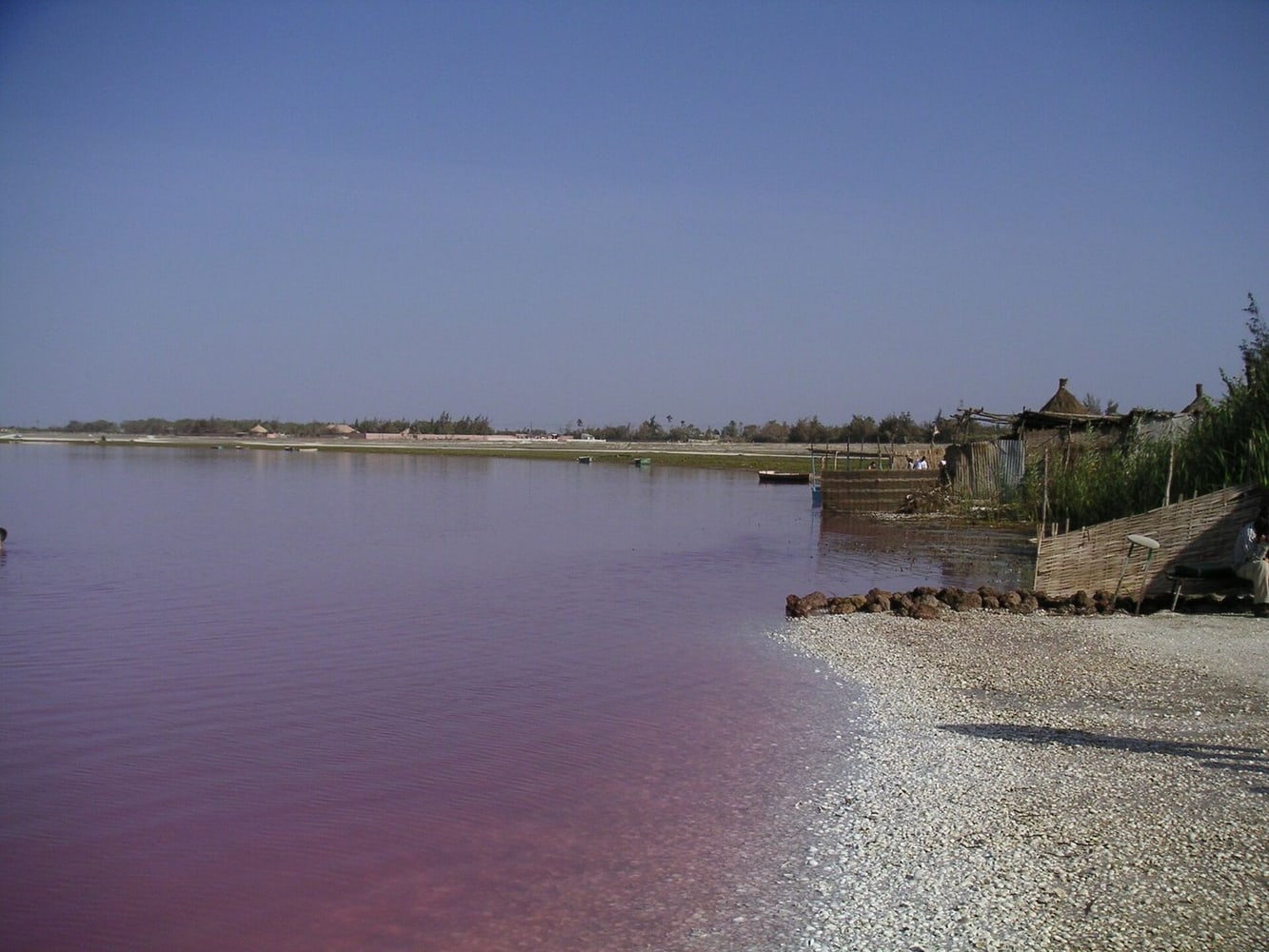
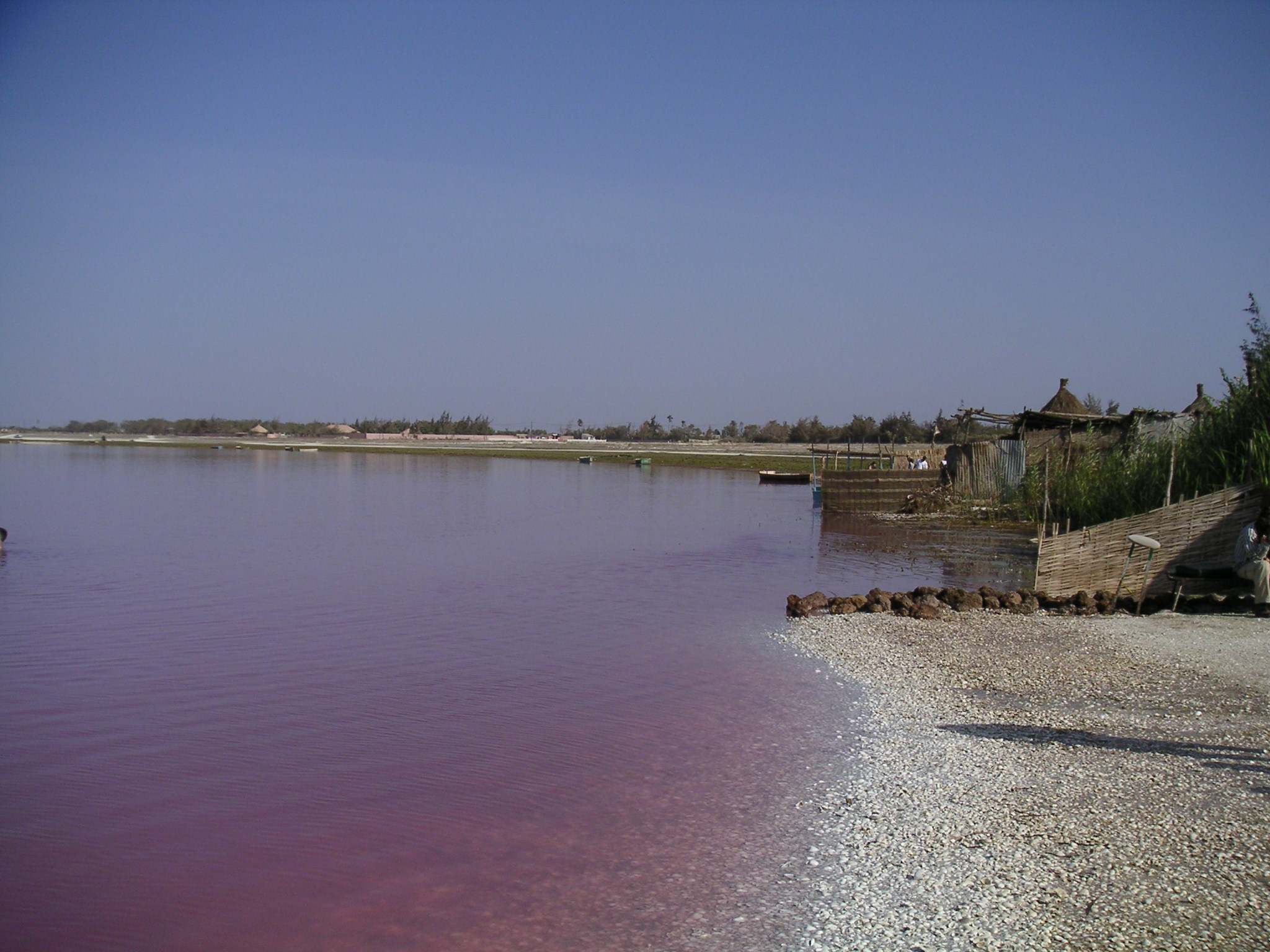
Lake Retba does not guarantee a pink color every day; it depends on water level, salinity, season, and weather. The professional route should give readers an alternative: if the lake color is disappointing, treat Ngor, Almadies, seaside cafes, and a slow lunch as the real coastal day. Senegal's coastal value lies not only in color but in salt, wind, labor, and urban respite.
Don't promise pink at Lake Retba; clarify stops and costs before hiring a car. Listen to local advice for swimming in the sea.
Day 5 · Saint-Louis (Saint-Louis)
Going to Saint-Louis: Bridges, Estuaries, and Northern Rhythm
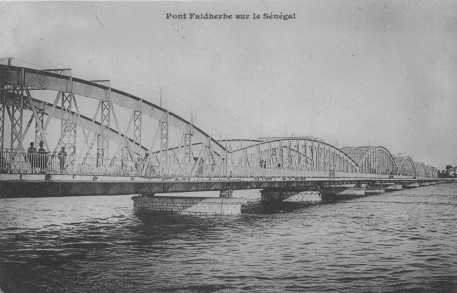
Dakar → Saint-Louis → Faidherbe Bridge (Pont Faidherbe)
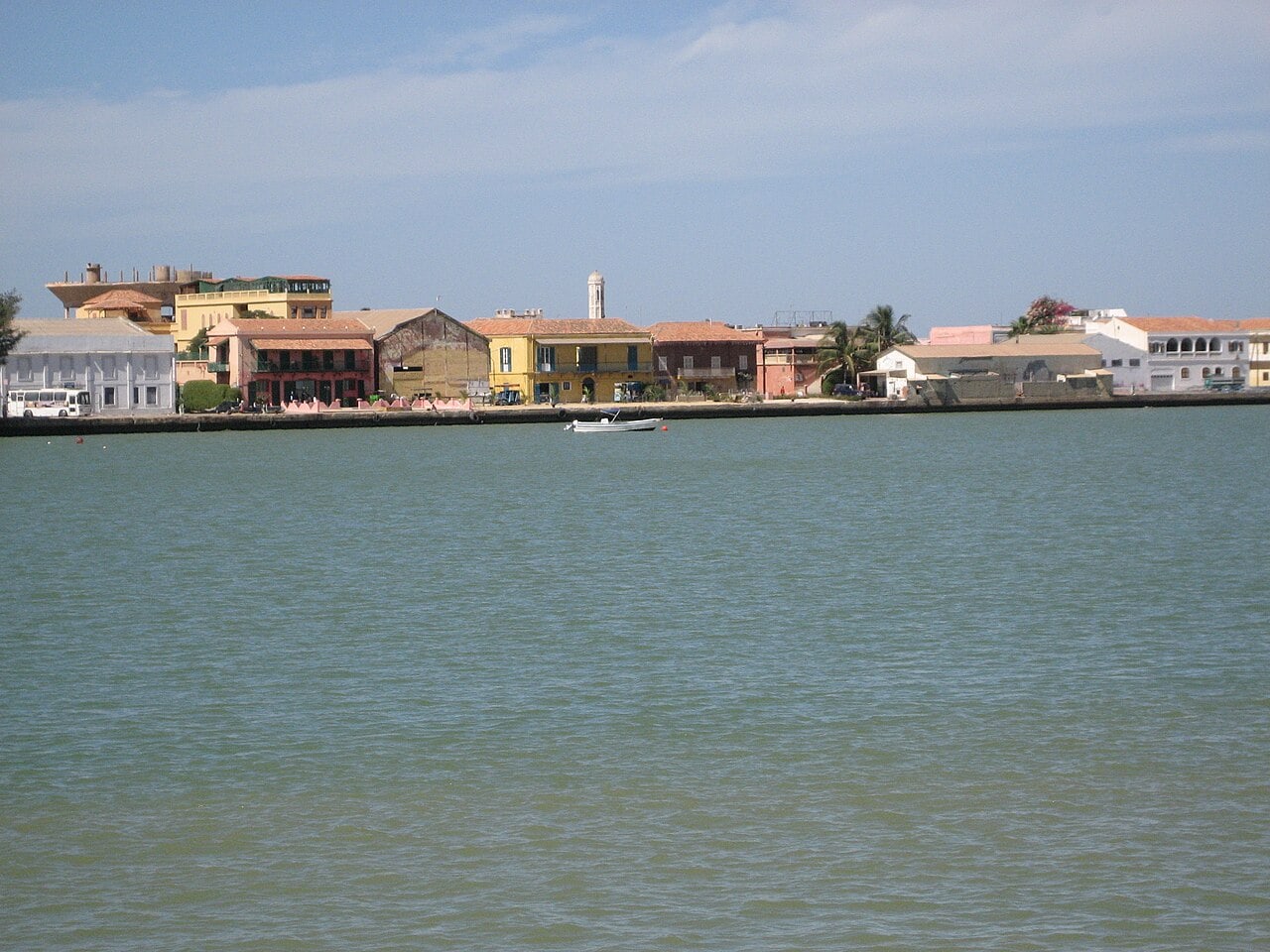
Saint-Louis is slower than Dakar. The river, bridge, old buildings, fishing boats, and Atlantic breeze will pull Senegal out of the capital narrative. Ismaïla Sarr's birthplace clue is also suitable here, rather than piling everything into Dakar. The real value lies in staying overnight to see the evening and early morning.
Long drive; recommend private car or reliable long-distance transport; not recommended as a day trip. Stay near the old town; keep evening walking range conservative.
Day 6 · Saint-Louis Surroundings
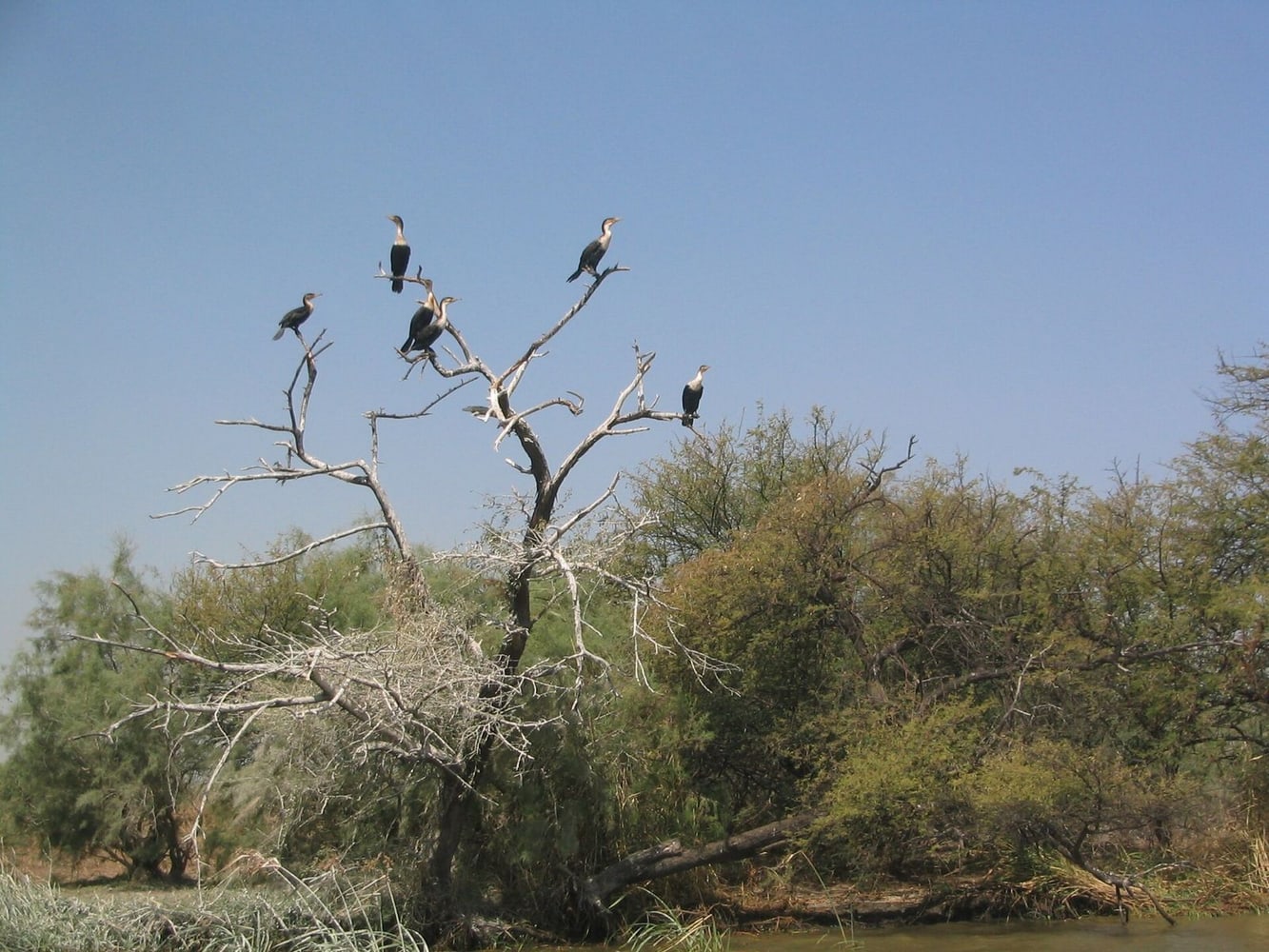
Djoudj or Barbary Cape: Birds and Waterways
Saint-Louis → Djoudj National Bird Sanctuary / Barbary Cape → Saint-Louis
If the season is right, Djoudj National Bird Sanctuary can give the page a completely different nature chapter; otherwise, write Barbary Cape, estuary, fishing boats, and sea breeze slowly. Don't treat natural reserves as all-weather attractions; water levels, opening times, migratory bird seasons, and road conditions all affect the experience.
Djoudj(Djoudj) is usually better during the dry season and migration period. Check opening status and water levels before departure. Bring sunscreen, a hat, and binoculars.
Day 7 · Dakar(Dakar)
Return to Dakar(Dakar): wrap up with Teranga and the jersey.
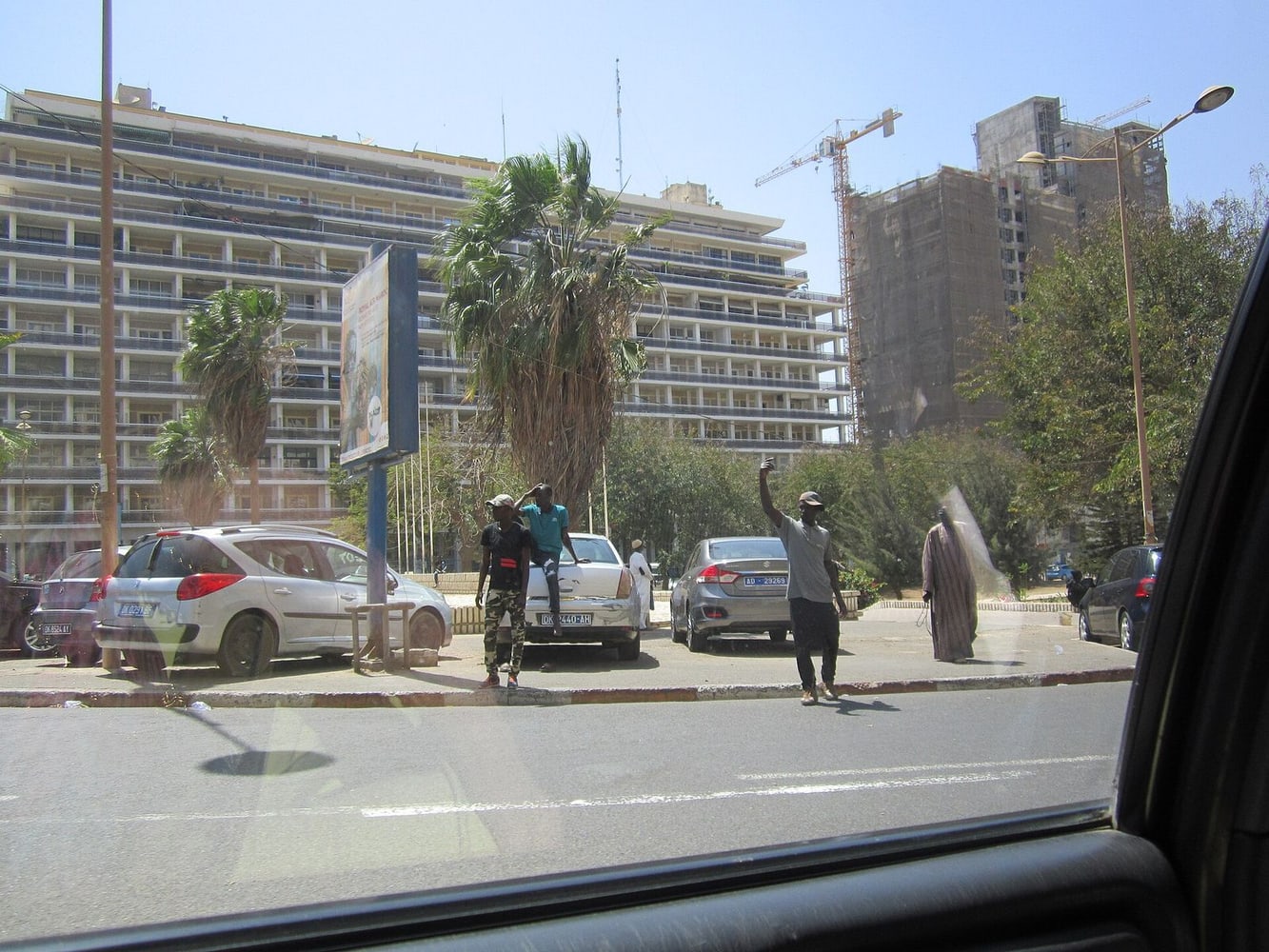
Saint-Louis(Saint-Louis) → Dakar(Dakar) → Airport / Last Meal
On the last day, return to Dakar(Dakar) without squeezing in new attractions. Buy a yellow national team jersey, drink a bissap, listen to some Mbalax, or watch a match at a safe restaurant — the trip shifts from sights to people. The most common issues before departure are road travel time and distance to the airport.
Leave ample buffer time for the road and airport on the return day; don't cut it too close by rushing from Saint-Louis(Saint-Louis) to catch an international flight on the same day.
🇸🇳 Senegal Travelogue
Senegal Travel: How One Ball Stitches a Country Together
Read the narrative side of Senegal: how arrival, football curiosity and local rhythm connect beyond a checklist.
The first sound of Senegal travel was not the sea, nor an airport announcement, but the dull thump of a ball striking a wall. The car drove from Blaise Diagne Airport toward Dakar, baobabs and wind-whitened billboards on both sides of the road. After we entered the city, the sea wind suddenly turned salty, and traffic suddenly lost its borders. Taxis, horse carts, motorbikes, vendors, and pedestrians moved like a match without a referee, each fighting for position yet rarely colliding. At dusk on Yoff Beach, children used two flip-flops as goalposts and played on wet sand until dark. No grass, no kit, only an old ball and a group of boys shouting themselves hoarse. In that moment I understood that football plus travel in Senegal is not "watch a match while traveling." It is entering a country through a ball.
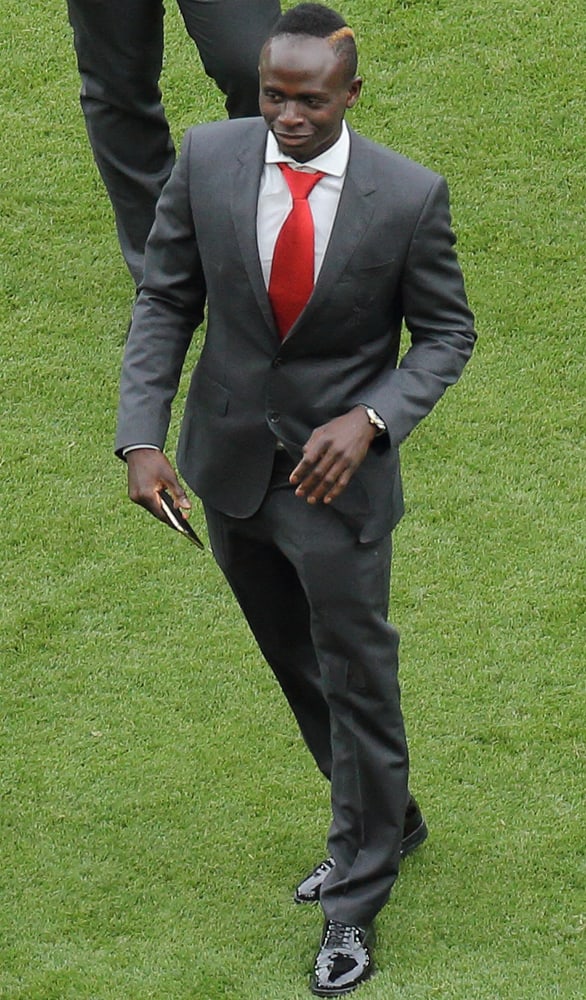
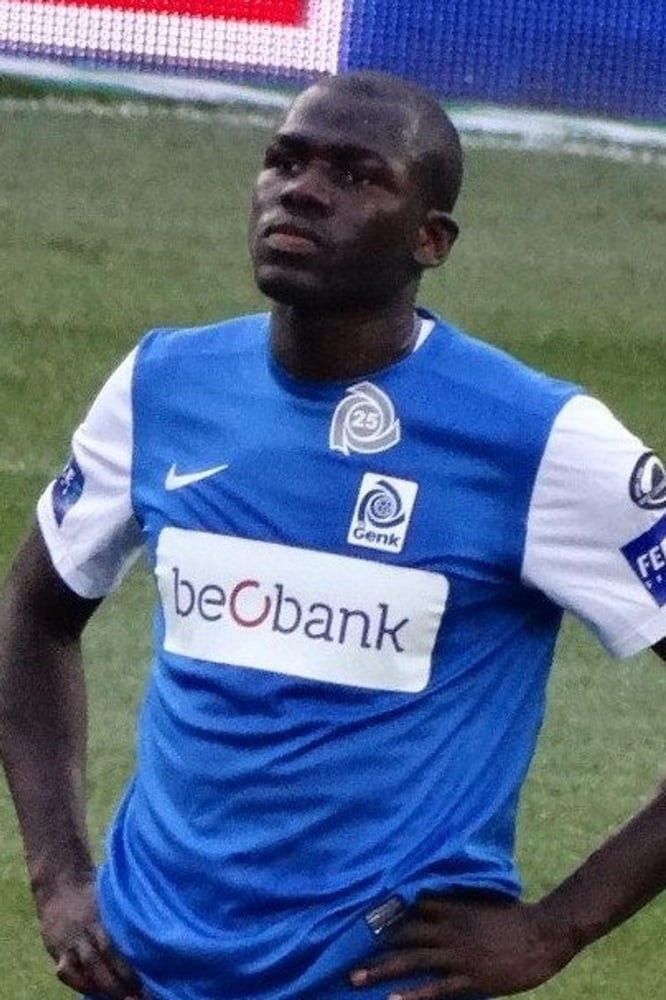
Dakar's street football is fast, like the city's breathing. The ball rolls past a coffee cart, past the feet of an old man mending nets, and when it reaches the road, a driver gives a short honk, the child hooks it back, and the game continues. Some wear Mane's number 10, some wear Koulibaly's green national-team shirt, and some are simply barefoot. Ask their favorite player and the answer is almost unnecessary: Mane. In Dakar, that name is not celebrity gossip. It is a shared password. A jersey seller told me Mane came from Bambali in the south, then went to Generation Foot in Dakar, then to France, Austria, Southampton, and Liverpool, "but he did not forget home." As he said it, he shook the shirt flat like he was displaying a flag.
Read the full Senegal World Cup travel storyHandsome Photos of Local Famous Players
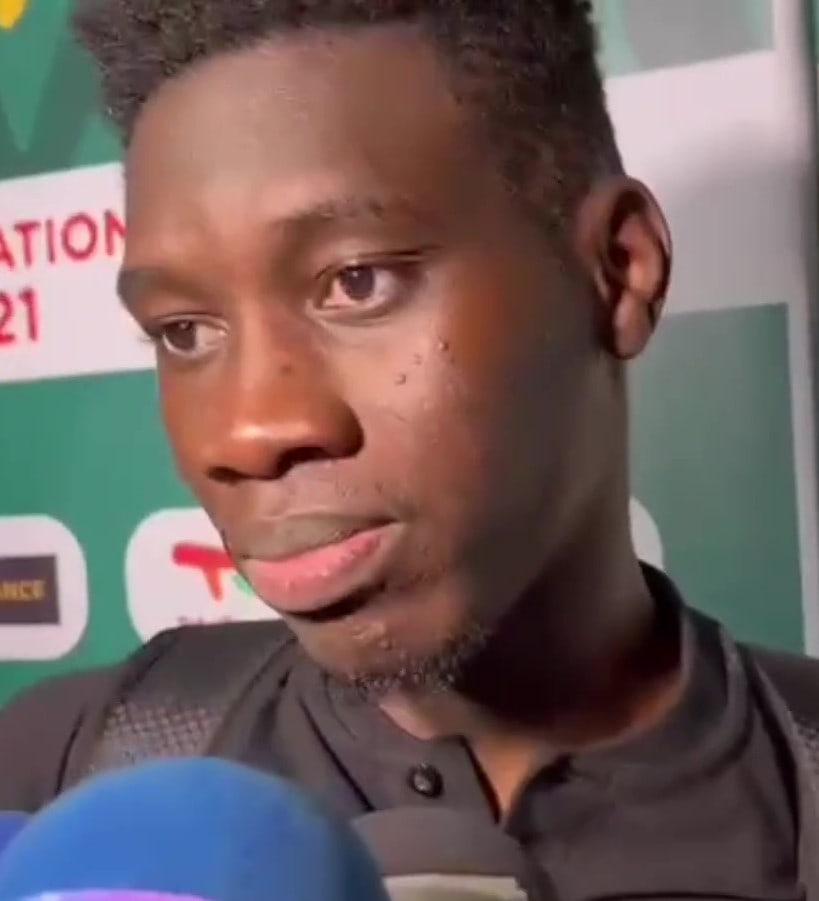
Senegal players and football faces
Player context helps connect Lions of Teranga with hometowns, clubs, diaspora stories and routes a traveler can actually follow.
Recommended Airport and Flight Budget
Senegal airports and flight routes
Use this section to compare arrival airports, likely connections and where each route places you inside Senegal. Flight prices are seasonal budget ranges; final prices depend on real-time searches.
DSS
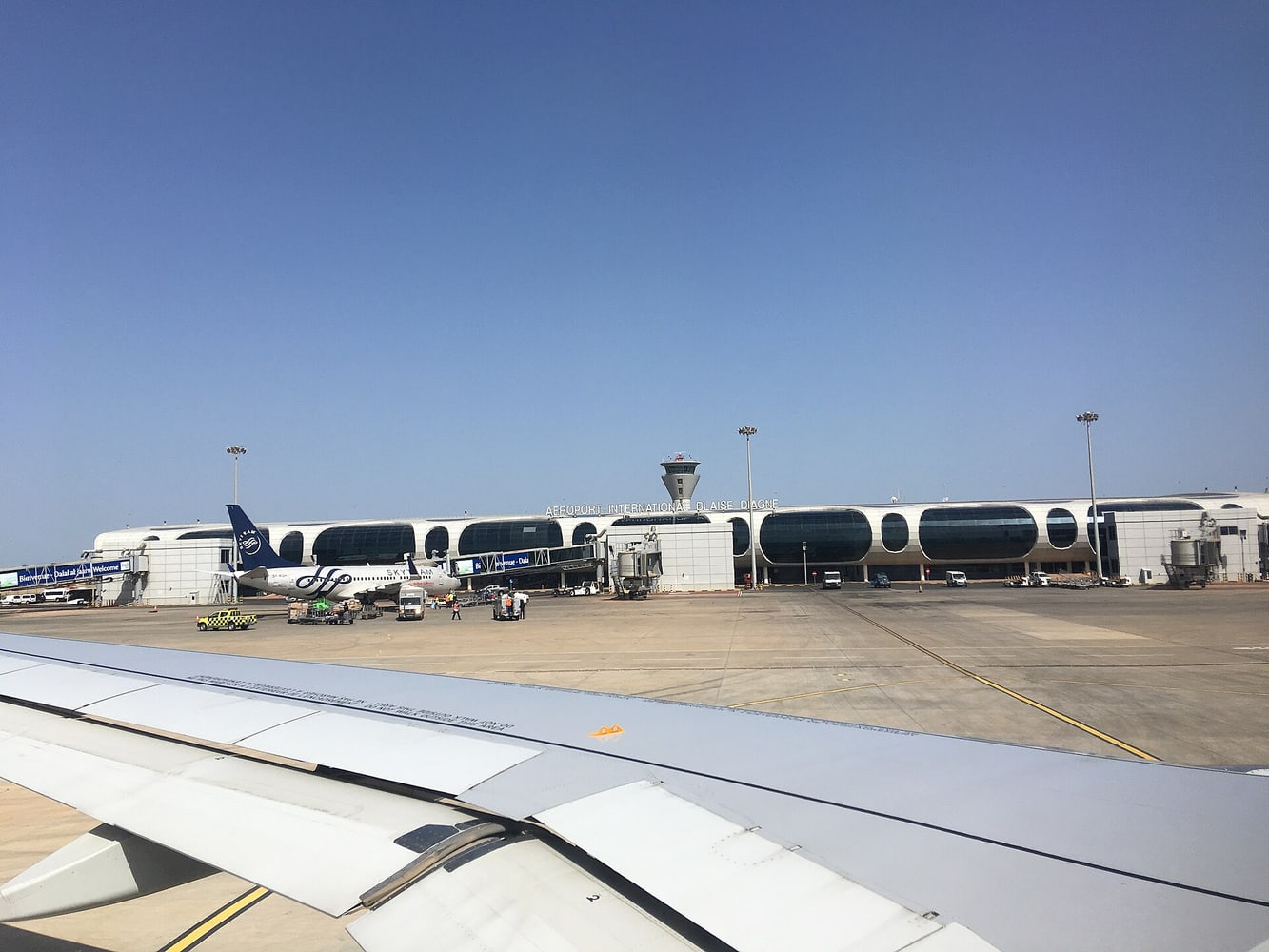
Blaise Diagne International Airport
Senegal's main international gateway, located far from downtown Dakar, suitable for arranging pick-up in advance.

CSK
Cap Skirring Airport
A regional airport on the Casamance coast, suitable for travelers wishing to extend their trip to southern beaches and Diola culture.
Local Customs
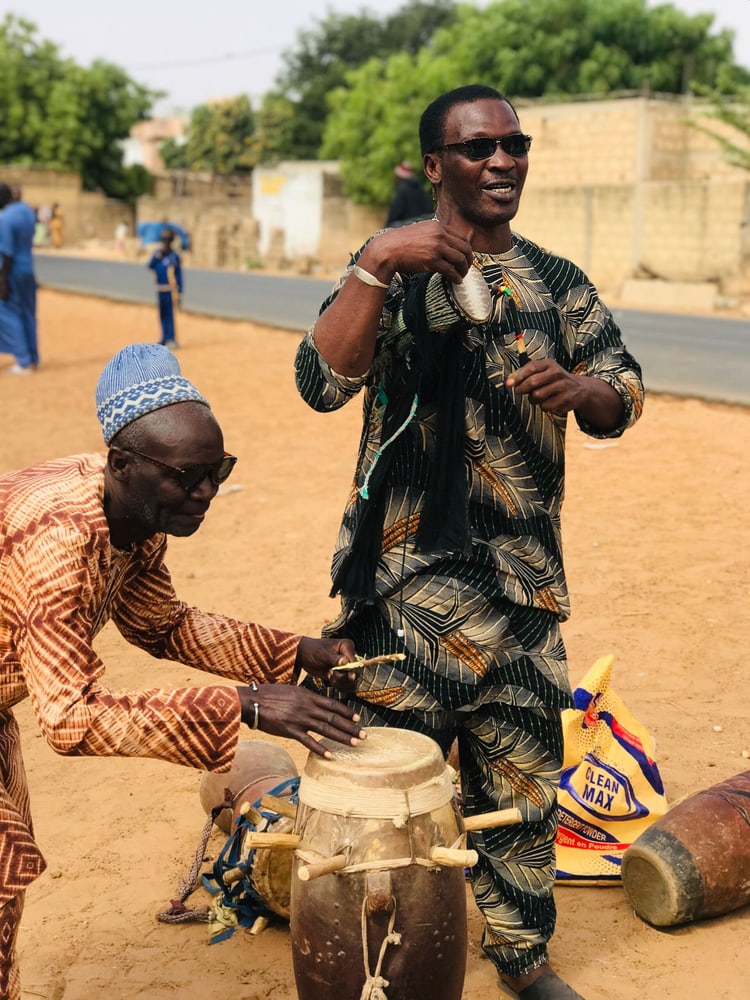
- Teranga is not a tourism slogan, but a social rhythm of greeting, small talk, and mutual face-saving. Before entering markets, asking directions, taking photos, or bargaining, greet first; even without French/Wolof, you can use Bonjour, Salaam aleikum, merci to break the ice. Directly pointing cameras at children, vendors, religious sites, or people at work will quickly make goodwill disappear.
- Dakar has a lot of energy but can also be draining. Traffic jams, bargaining, sea breezes, music, markets, and street football coexist. Arranging only one core objective per day is most practical: Gorée Island, Pink Lake, Saint-Louis, or city museums. For nighttime activities, choose venues recommended by hotels, local friends, or guides, and call a car before leaving.
- Be cautious with religious and family spaces. Senegal has a large Muslim population; Ramadan, Friday prayers, areas around mosques, and family gatherings require respect for dress codes and photography boundaries. Football jerseys and football topics easily start conversations, but don't turn poverty, street children, or spaces commemorating the slave trade into sensationalized material.
Senegal Local Transportation?
Dakar transportation should be planned with 'safety and time' in mind. Book airport transfers in advance; use hotel cars, reliable taxis, or ride-hailing services in the city, point-to-point at night. Long-distance options include sept-place shared cars and buses, but vehicle conditions, waiting times, and comfort vary greatly; first-time visitors going to Saint-Louis, Pink Lake, Bandia, or Saly will find private cars/official day tours more reliable. Take ferries to Gorée Island, check return schedules; don't squeeze Gorée Island, monuments, markets, and nightlife into the same day.
Senegal Flight Route Reference?
The 6-7 day Senegal route should start in Dakar, but only plan one core goal per day. Day 1: handle airport and beachside rhythm. Day 2: visit Gorée Island and respect its historical space. Day 3: understand modern Dakar through markets, monuments, and music. Day 4: choose between Lake Retba or Ngor based on season. Day 5/6: go to Saint-Louis for an overnight stay. Finally, return to Dakar to wrap up. The football thread is not just Sadio Mané's name, but jerseys, TV, street pitches, and the Teranga hospitality culture. Arriving in Dakar: First, Adjust to the Sea Breeze and Traffic DSS → Hotel in Dakar → Seafood Dinner Book airport transfer in advance; stay in a reliable hotel in the Plateau, Almadies, or seaside area. If arriving late, don't cross zones to find a restaurant. Gorée Island: Write History with Restraint Dakar Port → Gorée Ferry → Slave House / Island Walk Check ferry times and allow buffer for return; bring water, sunscreen, and cash. Clarify guide prices and scope beforehand. Dakar City Day: Markets, Monuments, and Mbalax Museum/Market → African Renaissance Monument → Music Night Use a driver or guide during the day; point-to-point transport at night. Ask before taking photos at markets; don't keep your phone out for long.
Hotel Recommendations Upon Arrival
Where to stay in Senegal
Hotel choices are grouped by route logic, airport access, neighborhood feel and match-day convenience.
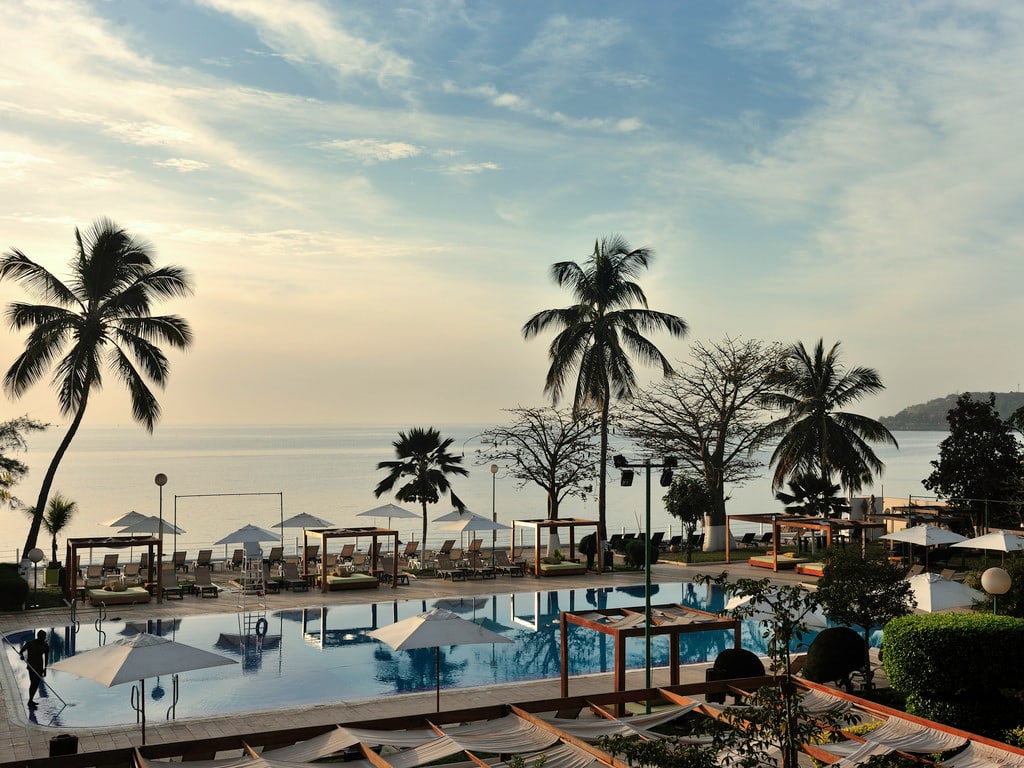
Pullman Dakar Teranga
Price Range: $180-$380/night
Suitable for the first night and high-friction arrivals: city center, seaside, business district, and Gorée Island ferry routes are all clear. The price is high, but the stable front desk, shuttle service, and restaurant reduce the uncertainty of a first-time Dakar visit. Suitable for those with ample budget, late arrivals, or heading to Gorée Island the next day.
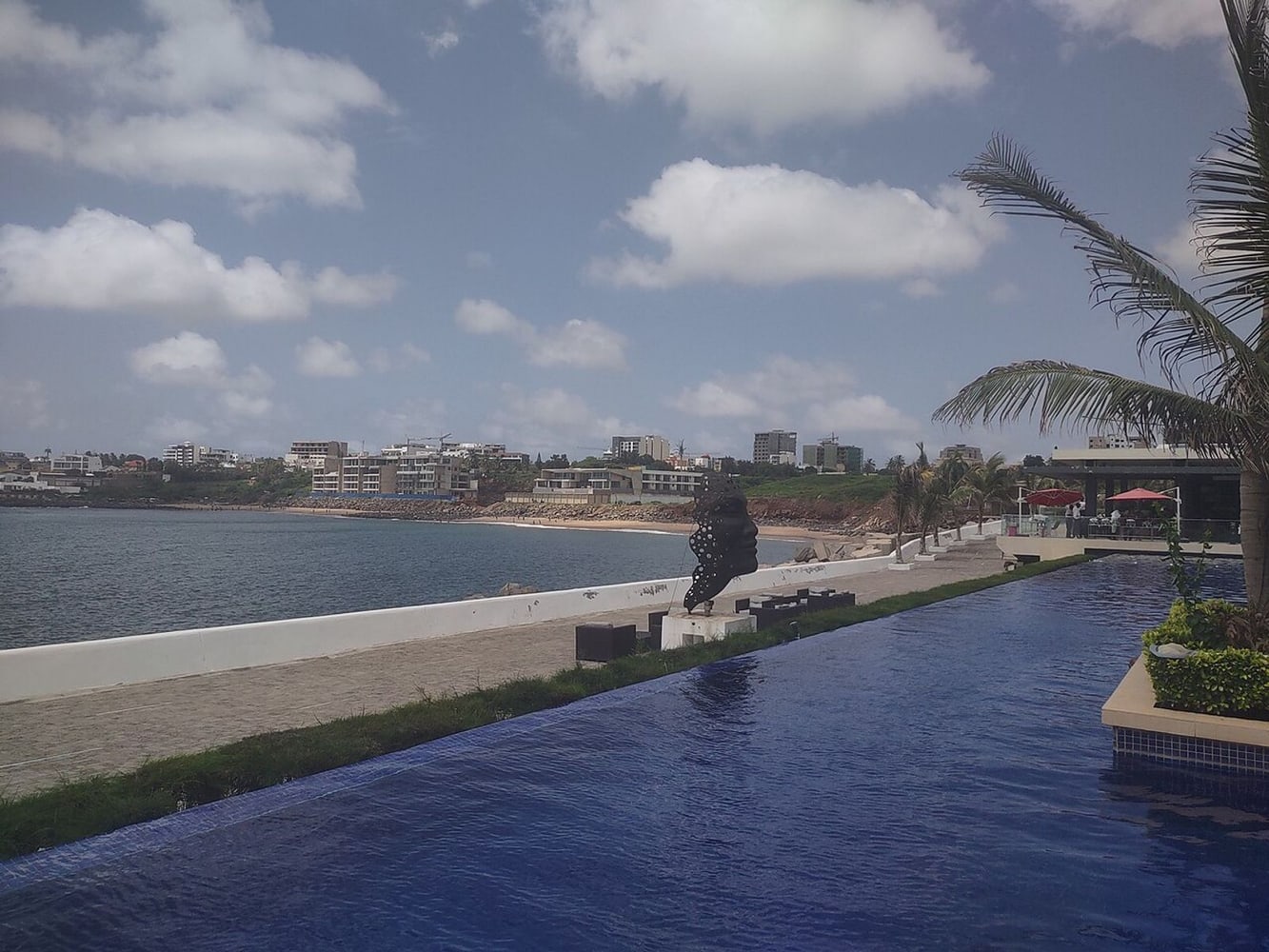
Radisson Blu Hotel Dakar Sea Plaza
Price Range: $170-$360/night
The seaside and mall facilities make it suitable for tourists looking to reduce city friction; dining, cash withdrawal, taxis, and rest are all convenient. The downside is that it is not as intuitive as the city center for some historical/port spots, and extra time should be allowed for cross-district travel during traffic jams.
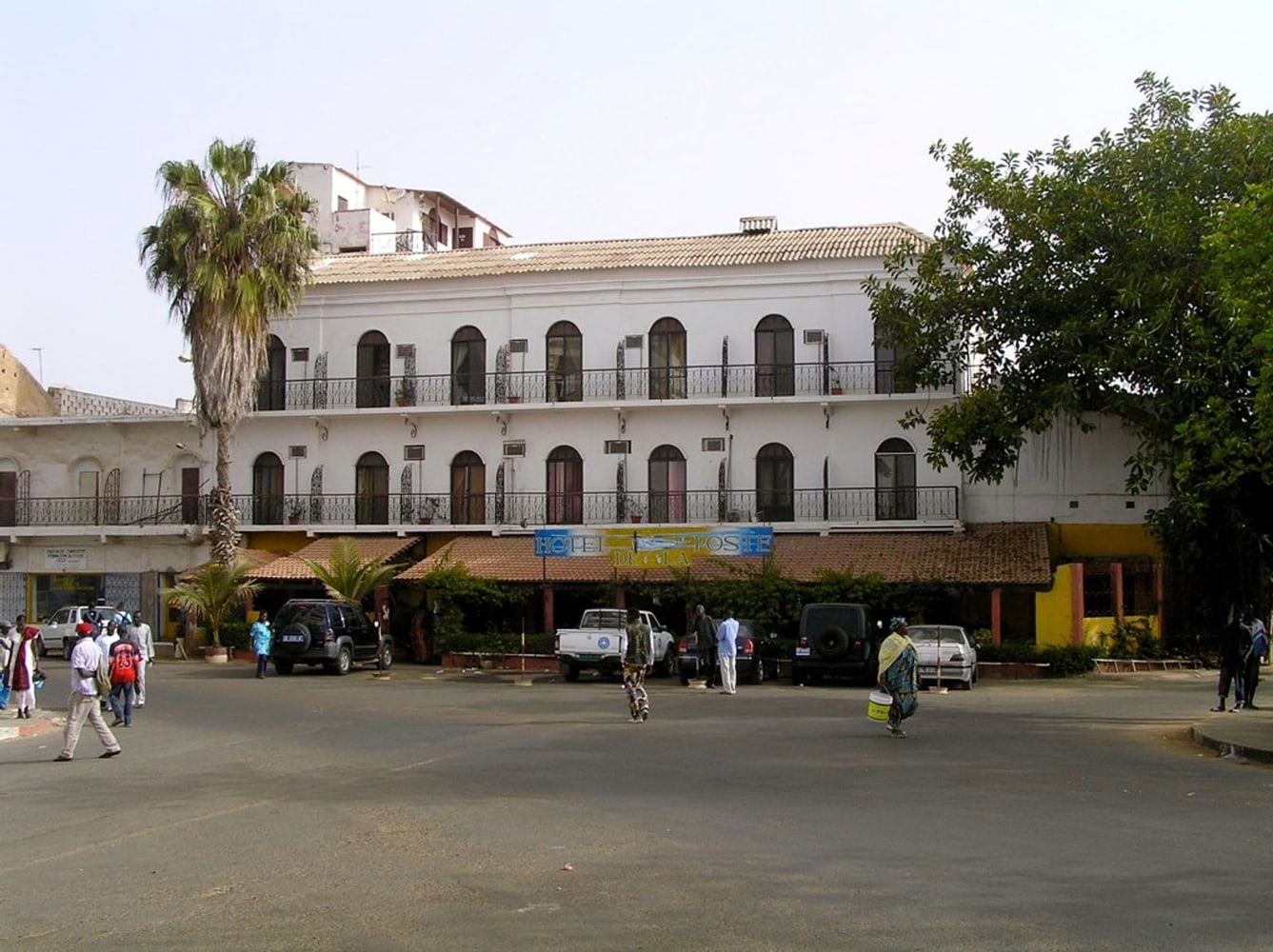
Hotel de la Poste Saint-Louis
Price Range: $70-$180/night
The value of an overnight stay in Saint-Louis is slowing down the northern pace: the Faidherbe Bridge, the old town, the river mouth, and the evening light all require time. Hotel de la Poste has a sense of history; do not expect modern luxury facilities. Staying one night helps understand Saint-Louis better than a day trip from Dakar.
Local Cuisine and Restaurants
What to eat in Senegal
Food notes focus on local dishes, realistic restaurant types, prices and the easiest first meals after arrival.
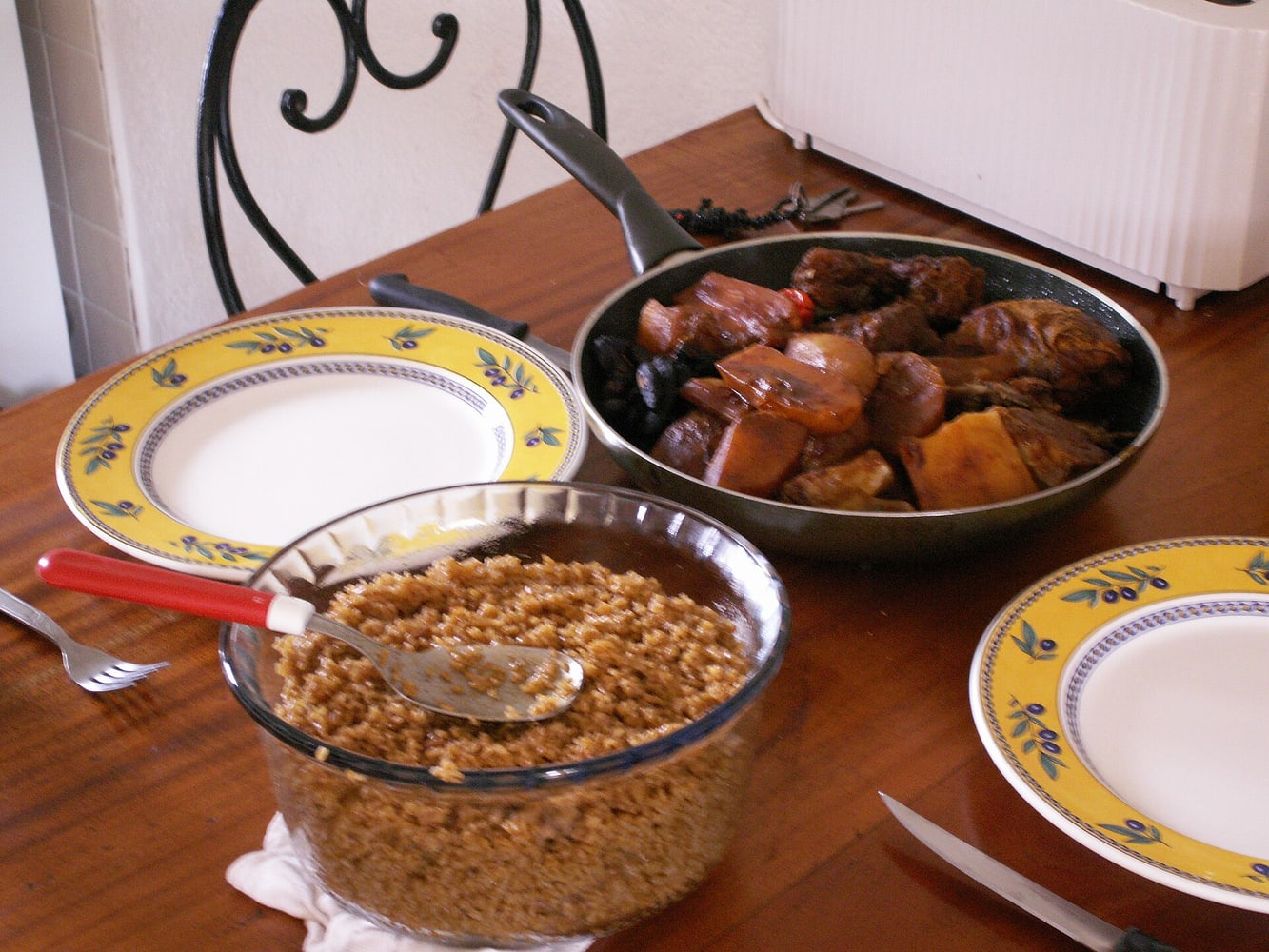
Thieboudienne
Rice with fish is the national dish, but it is best eaten at lunch, as local restaurants often prepare it most completely at noon. It is not a single delicate platter, but a shared meal consisting of fish, rice, vegetables, tomato base, and spicy sauce. For the first time, ask for the spicy sauce on the side; prices at seaside restaurants will be much higher than local lunch spots.
Recommended Restaurants: Chez Loutcha, local lunch spots, hotel-recommended restaurants, seaside restaurants
Budget: XOF 2,500-8,000
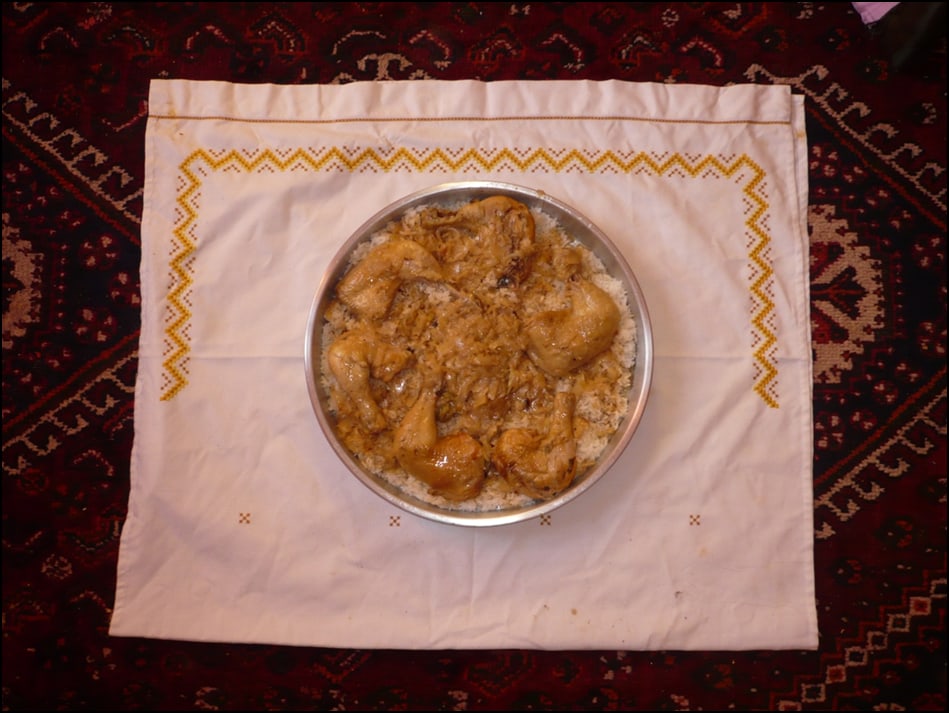
Yassa Poulet
Yassa is friendly for first-timers eating Senegalese food: onions, lemon, mustard, and chicken create a sour and appetizing flavor, pairing steadily with rice. It is suitable for the first meal after airport arrival or a rest stop on the way to Saint-Louis, not relying on daily seafood choices like seafood dishes.
Recommended Restaurants: Dakar local restaurants, Saint-Louis family-style restaurants, seaside casual restaurants
Budget: XOF 3,000-9,000
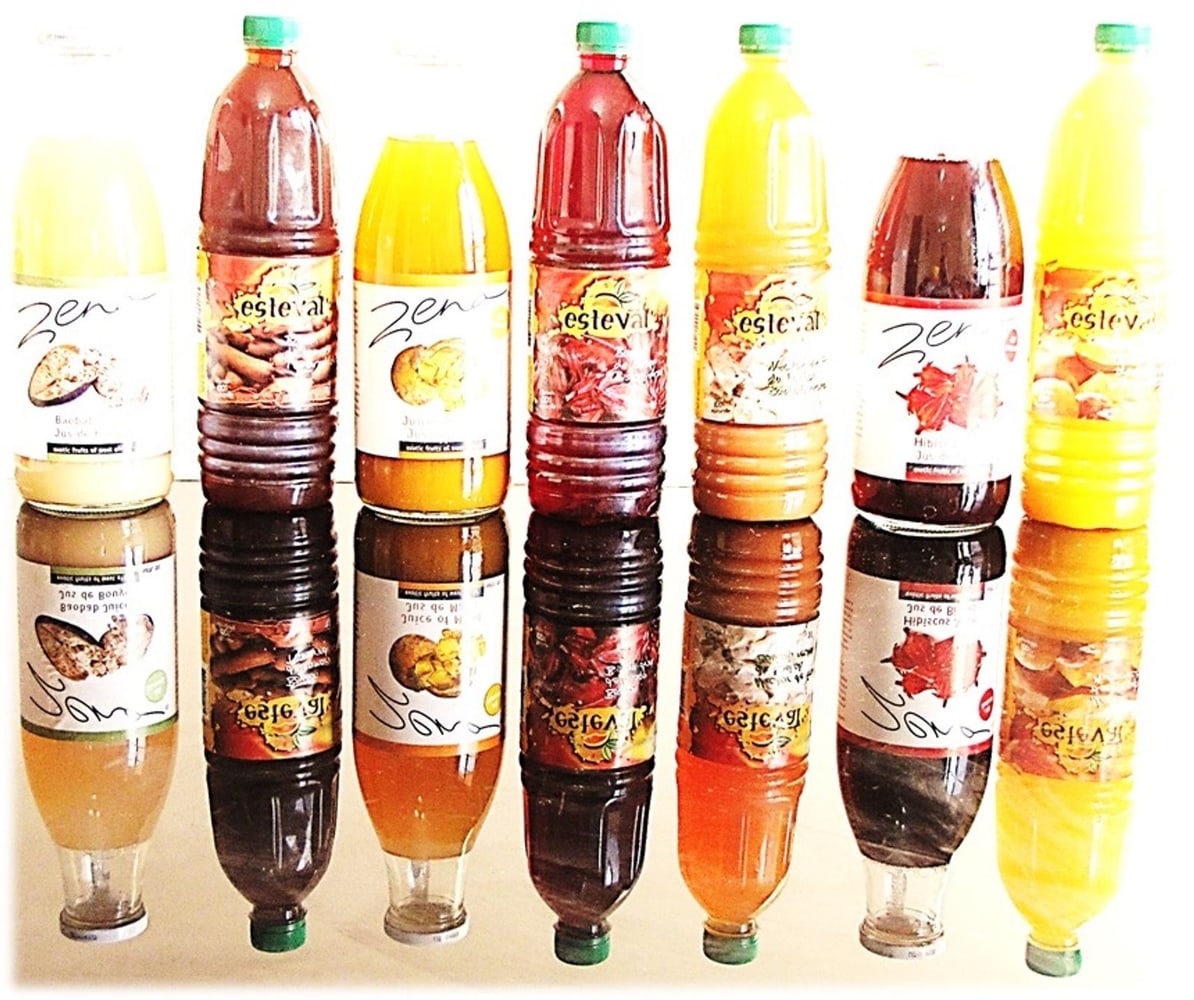
Bissap / Attaya
Bissap and Attaya are gateways to understanding the social pace. Tea is not a fast beverage, but part of waiting for transport, chatting, watching sports, and slowing down in the evening. Sugar content is usually high, so mention if you dislike sweetness; be mindful of ice and hygiene with street drinks.
Recommended Restaurants: Markets, cafes, family-style restaurants, music night venues
Budget: XOF 500-2,000
Senegal Local Cuisine and Restaurants?
Thieboudienne Rice with fish is the national dish, but it is best eaten at lunch, as local restaurants often prepare it most completely at noon. It is not a single delicate platter, but a shared meal consisting of fish, rice, vegetables, tomato base, and spicy sauce. For the first time, ask for the spicy sauce on the side; prices at seaside restaurants will be much higher than local lunch spots. Chez Loutcha, local lunch spots, hotel-recommended restaurants, seaside restaurants XOF 2,500-8,000
Nightlife, Shows, and Entertainment Venues
Senegal after dark and local nights
Evening ideas link music, waterfronts, markets and football screens without forcing every night into a match plan.
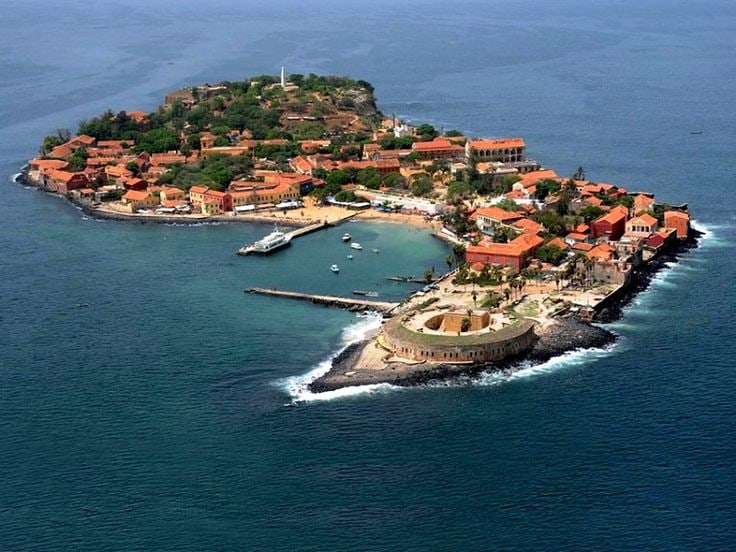
Gorée Island Day Trip
Gorée Island should be described with restraint: the colorful walls and sea breeze are beautiful, but the memory space of the slave trade should not be covered by frivolous check-ins. Check ferry times, bring water, sunscreen, and cash; negotiate price and route before hiring a guide. Don't just photograph doors and walls; respect the boundaries of residents' lives.
Dakar Music Night
Mbalax, drum beats, and live music can bring Dakar nights to life, but nightlife is not something to just wander into. Choose venues recommended by hotels or local friends, and arrange departure transport in advance; if attending traditional dance/lion dance events, confirm if fees include transport, seating, tips, and safety escort.
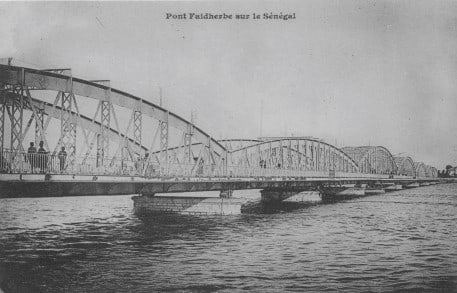
Saint-Louis Riverside
Saint-Louis is meant for slowing down: the bridge, river, old buildings, fishing boats, sea breeze, and Ismaël Lô's birthplace clues can all fit into the same chapter. The honest advice is to stay one night, leaving both dusk and dawn for walking; a day trip turns most of the experience into highway time.
Domestic football clubs
Senegal football clubs and match culture
Club context adds the local football layer behind Lions of Teranga, from stadium neighborhoods to supporter routines. The Senegal club module should serve a real football map: the local Dakar league, Rufisque, Casamance, and youth export pipelines collectively form the national team's talent background. Tourists don't necessarily have to enter stadiums, but should know that behind the yellow national team jersey lie local clubs, football schools, street pitches, and the European transfer chain.
Dakar(Dakar)
Yaraf Sports Association (ASC Jaraaf)
Jaraaf is a representative club of Dakar(Dakar), suitable for connecting local leagues, capital fans, and national team talent export. If tourists want to watch a local game, they must first confirm the schedule, venue, transportation, and safety advice, preferably with a local companion.

Rufisque(Rufisque)
Teungueth FC(Teungueth FC)
Teungueth FC extends the Dakar(Dakar) metropolitan area to Rufisque(Rufisque), suitable for writing about recent Senegalese club competitiveness and youth academy vitality. It reminds readers: Senegalese football doesn't only exist in European TV broadcasts; it continues to happen around the capital.
Ziguinchor(Ziguinchor)
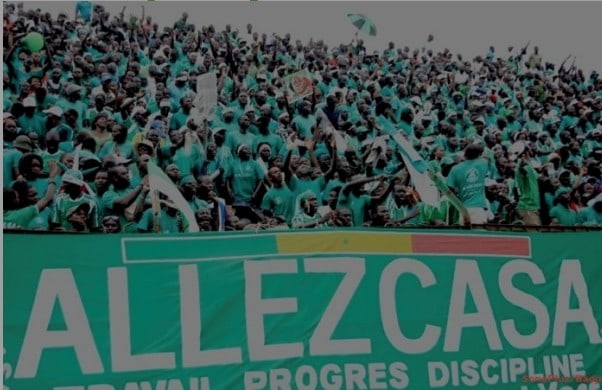
Casa Sports(Casa Sports)
Casa Sports extends the page to Casamance(Casamance), preventing Senegalese football from being entirely represented by the single city of Dakar(Dakar). If travelers have plans for the southern coast, this club can combine regional identity with football.
Deni Biram Ndao(Déni Biram Ndao)
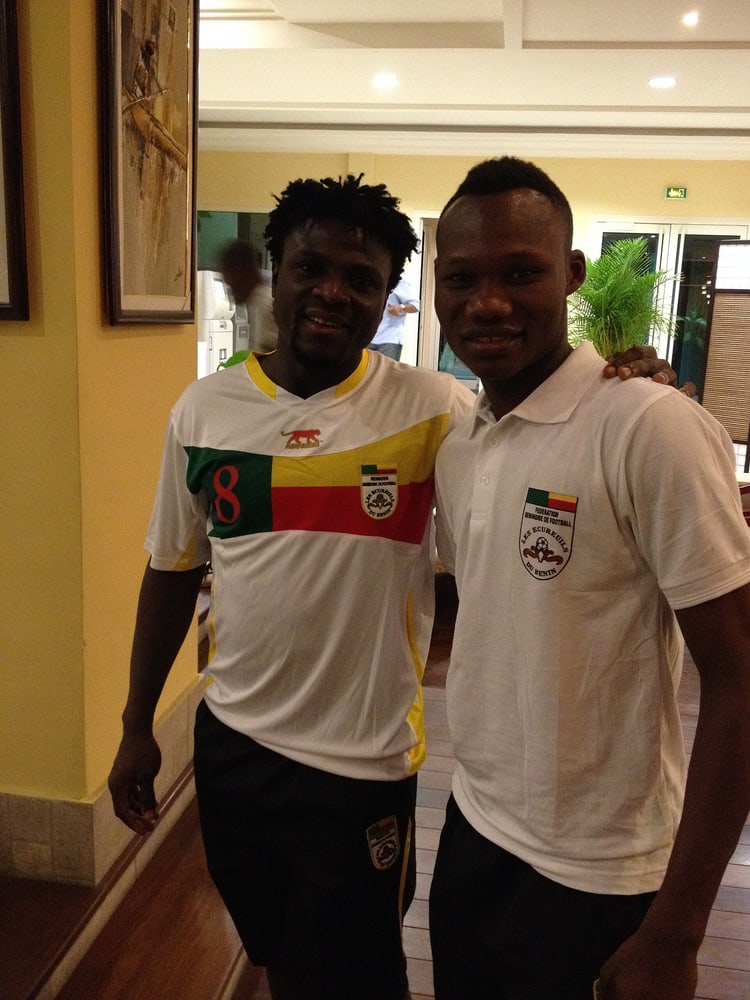
Generation Foot(Génération Foot)
Generation Foot is a key entry point for understanding Senegalese youth training and the transfer pipeline to Europe, naturally linked to the growth story of Sadio Mané. When writing about it, emphasize the youth system, opportunities, and community, rather than just listing which stars it has produced.
Landscape anchors
Senegal attractions that match the Lions of Teranga story
These landscapes and city stops give the football-led route a stronger sense of place. Behind the Lions of Teranga are Dakar, Gorée Island, Lake Retba (Lac Rose), Saint-Louis, Mbalax music, and Atlantic football culture.
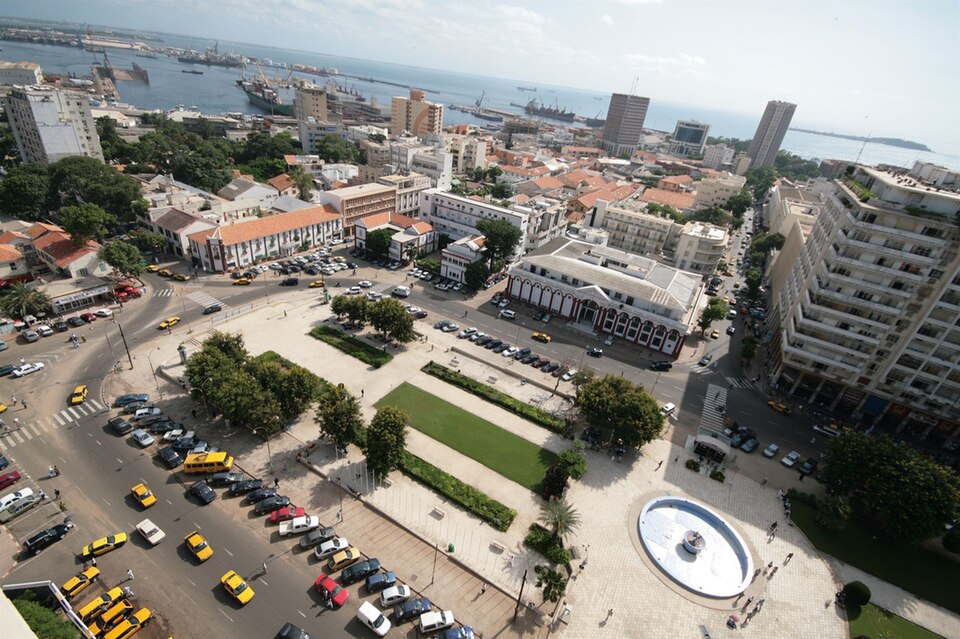
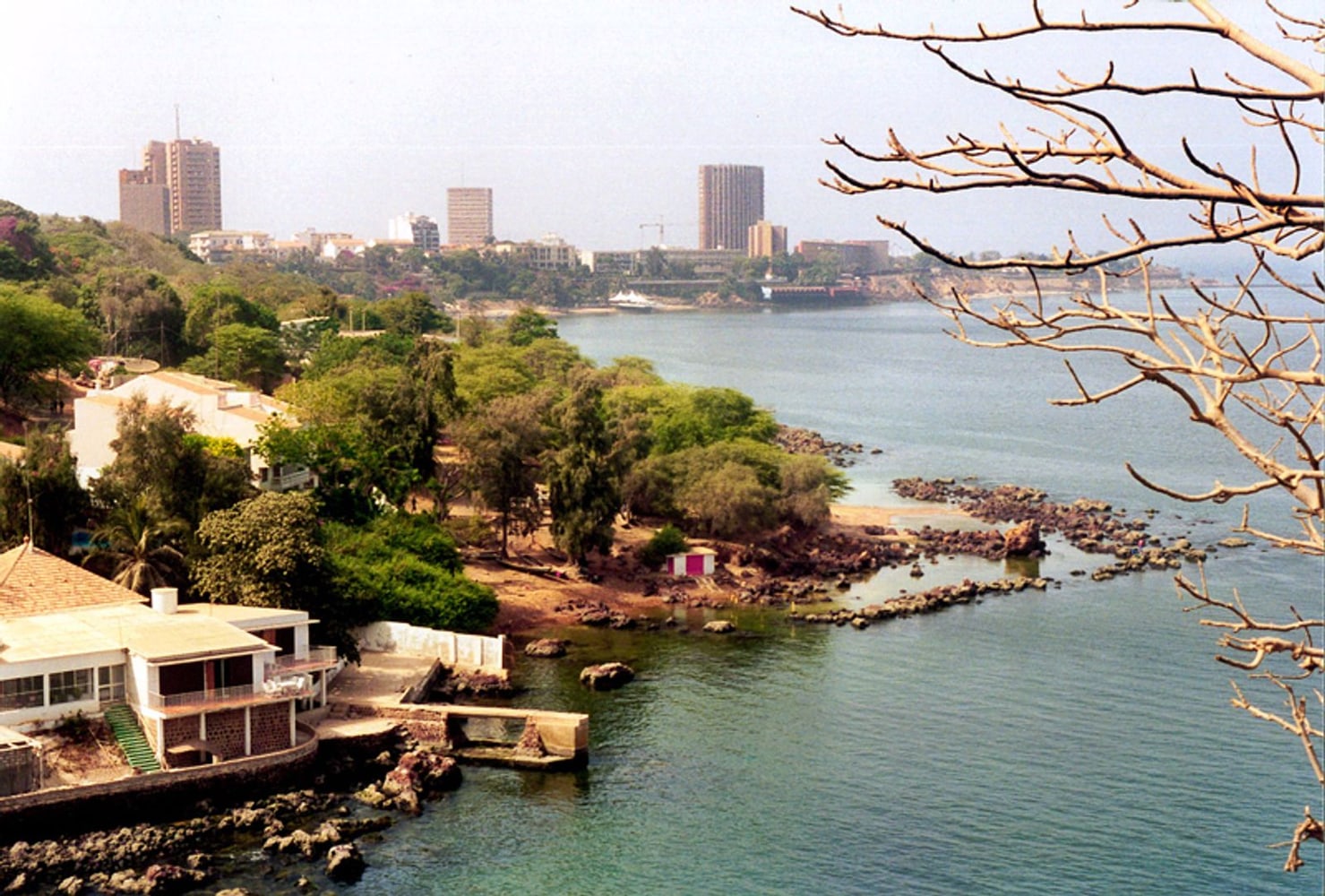
Dakar
The westernmost peninsula city in Africa. A day consists of Independence Square, the African Renaissance Monument, and the Corniche seaside promenade. Traffic is heavy; it's most practical to schedule only one core goal per day. Wear a Senegalese jersey into a bar to watch TV, and everyone will talk to you about Mané.
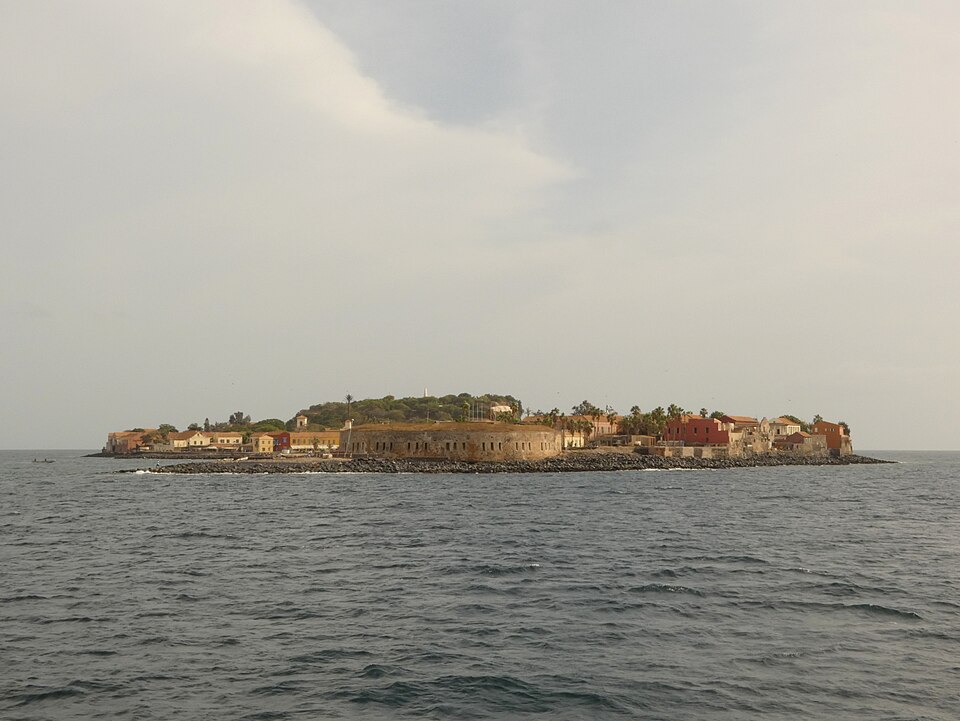
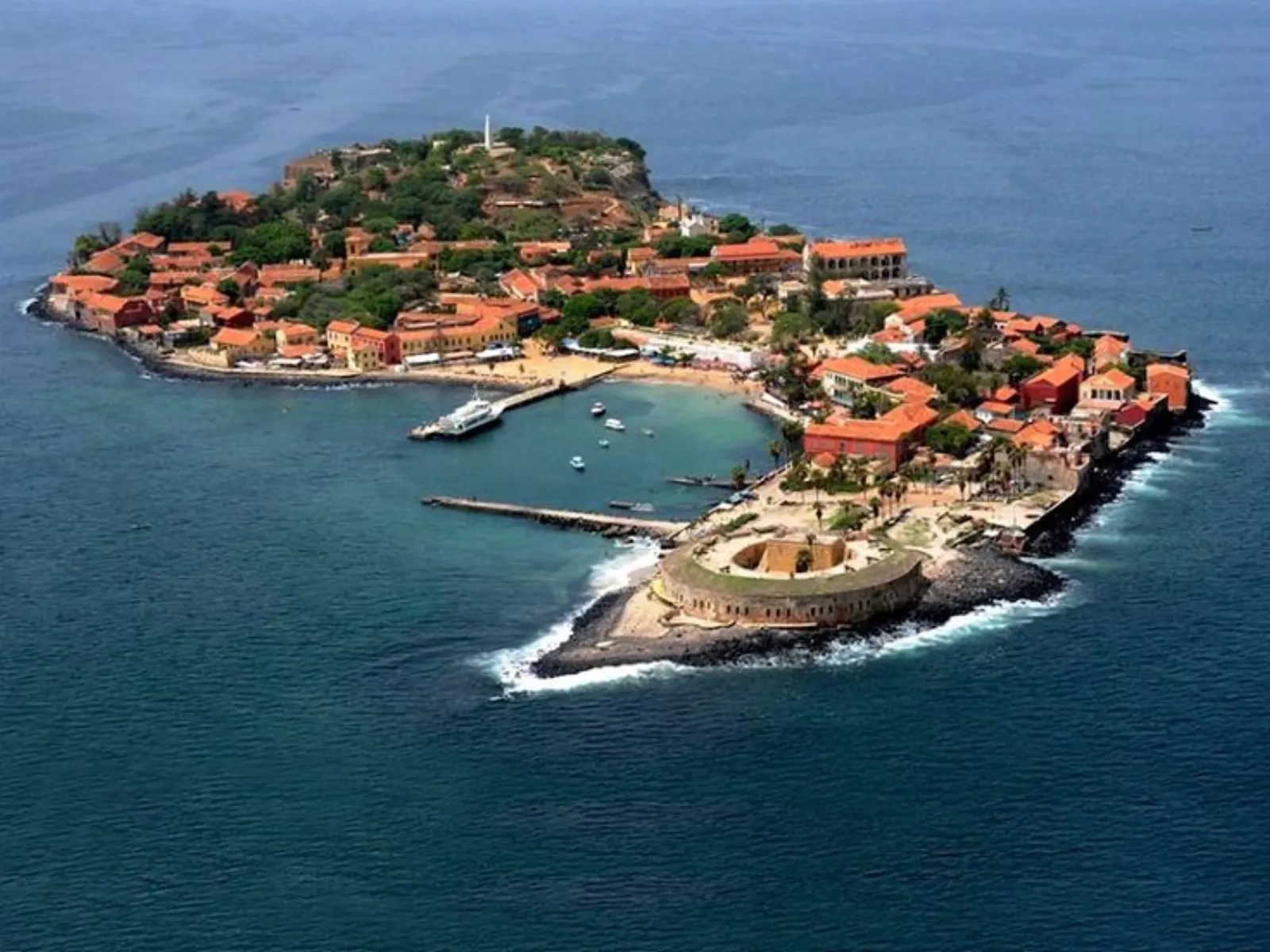
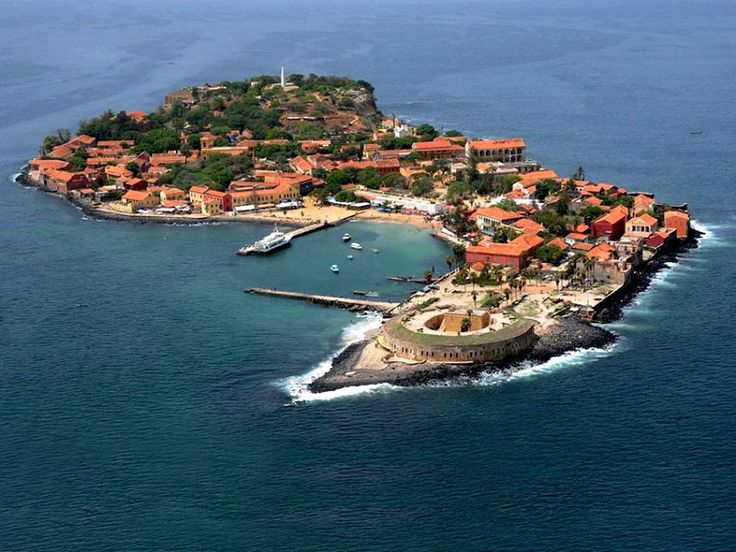
Goree Island
Colorful walls and sea breezes are beautiful, but the memory space of the slave trade cannot be treated as a frivolous photo op. The ferry departs from Dakar(Dakar) pier and takes 20 minutes. Negotiate the price with a guide first, and respect the boundaries of residents' lives. The silent minutes in the museum are more important than any photos.
Lac Rose
A pink lake with higher salinity than the Dead Sea; the color is most intense in the dry season. It takes one hour by chartered car from Dakar(Dakar). Taking a small boat to the center of the lake to watch salt workers is more interesting than taking photos from the shore. Swimming makes you float, but the salt stings the skin.
Saint-Louis
Senegal's former colonial capital. The Faidherbe Bridge, old town, river mouth fishing, and the evening light are the core images. Staying one night rather than a day trip from Dakar(Dakar) allows you to better understand its rhythm; the morning light on the bridge is best for photos.
Global Travel Map
Senegal travel map for planning
Save the map to compare airports, hotels, restaurants, clubs and attractions before building the route. The map centers on Dakar (Dakar), with Gorée Island connected by ferry, Lake Retba/Ngor as a coastal side trip, Saint-Louis as a northern overnight route, and Bandafassi/Casamance as deep extensions rather than first-time must-sees.
Download and save travel mapBrowse all downloadable travel maps →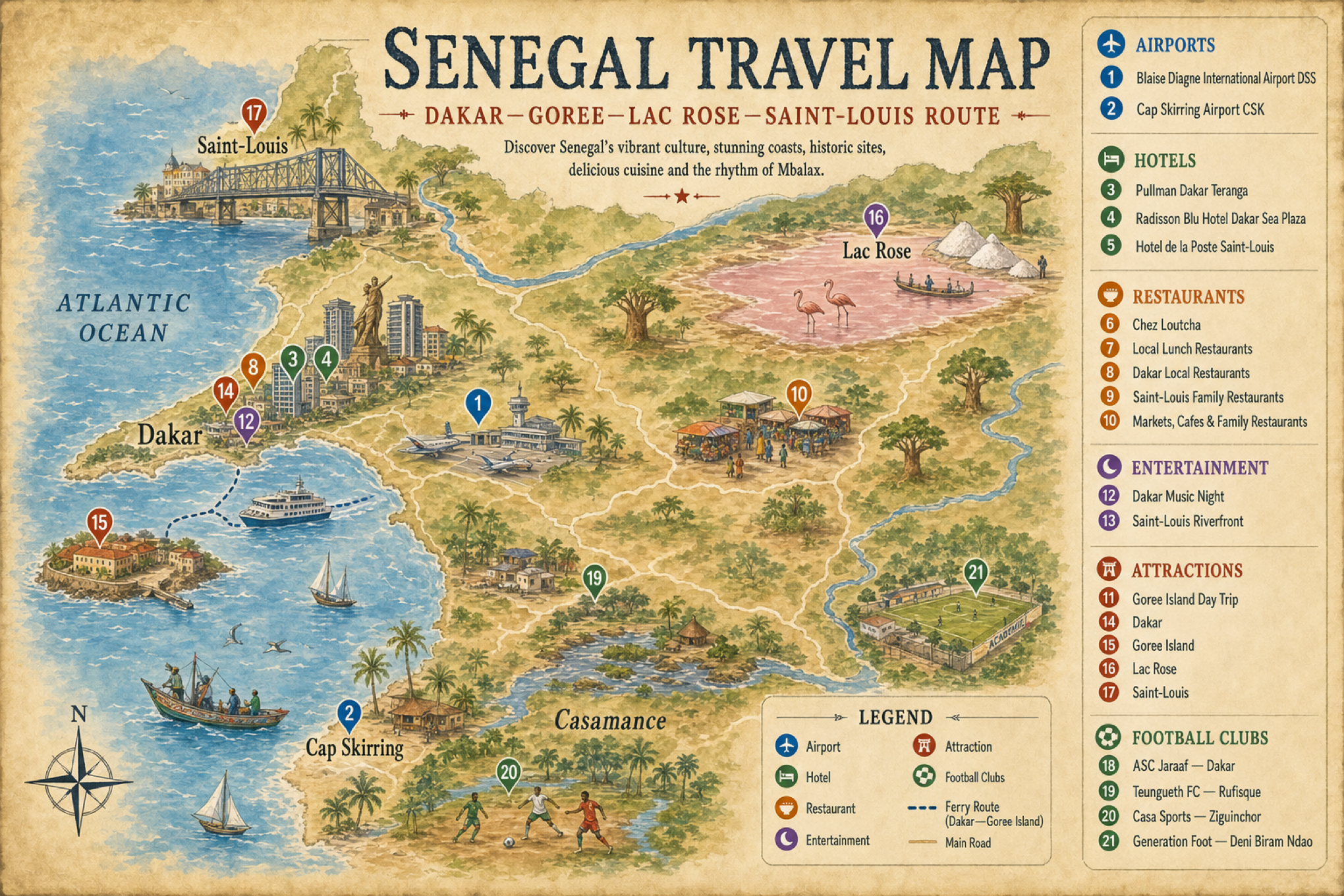
How Much Money to Prepare
Senegal trip budget
A quick cost frame for flights, hotels, food, transport and paid activities before you book. 6-7 day Dakar + Gorée Island + Saint-Louis trip, it's recommended to prepare approximately $1,100-$2,600 per person.
Many transfer options from Europe and West Africa, Asia/Americas typically have greater seasonal fluctuations.
Dakar seaside hotels are most expensive, Saint-Louis and inland areas are lower.
Local lunches are inexpensive, hotel restaurants and seaside restaurants are much higher.
Gorée Island, museums, and private car day tours have large price differences.
City taxis are inexpensive, inter-city private cars are the major expense.
Travel rules, prices, transport schedules and safety conditions can change. Recheck official entry rules, local advisories and current prices before booking.
Flight Route Reference
Senegal itinerary sources
External route references used to check pacing, logistics and travel assumptions.
- Discover Senegal — Used to verify basic travel information about Dakar(Dakar), Gorée Island(Île de Gorée), Saint-Louis(Saint-Louis), and travel basics.
- UNESCO Goree Island — Used to verify the World Heritage and historical memory of Gorée Island(Île de Gorée).
- Air Senegal / Dakar(Dakar) airport — Used to verify the DSS airport and arrival route.
- Federation Senegalaise de Football — Used to verify national team, players, and match context.
Related route
Compare another World Cup travel route
Editorial notes
How this Senegal guide is maintained
Researched and edited by the Travel the Teams editorial team. This guide combines route-planning context, cultural background and the sources linked above; it is not a substitute for official entry, safety, health or transport advice.
Travel requirements and prices change. Confirm current information with the relevant official authorities and providers before booking.