Country Travel Snapshot
South Africa travel basics: entry, season, budget and transport
"Located at the southernmost tip of the African continent, Cape Town, Johannesburg, Kruger, and Durban are like four different countries: the coast, city plateau, wildlife, and Indian Ocean humid tropics must be understood separately." Start here for the practical checks that decide whether a South Africa trip works: entry rules, weather, costs and local movement.
- Population
- "Approximately 63 million people."
- Time Zone
- "UTC+2, 6 hours behind Beijing."
- Major Ethnic Groups
- "Extremely diverse in ethnicity and language, English, Zulu, Xhosa, Afrikaans, etc. collectively constitute daily life."
- Local Language
- "South Africa has 11 official languages, with English being the most commonly used in travel services."
- Currency & Exchange Rate
- "South African Rand (ZAR)."
"Planning reference: 1 USD ≈ 18 ZAR, 1 EUR ≈ 20 ZAR, 1 CNY ≈ 2.5 ZAR; check real-time exchange rates before actual payment."Fetching live reference exchange rates ZAR...
Visa/Visa on Arrival
"South Africa is not a visa-on-arrival destination where ordinary tourists can make last-minute arrangements. Passports from the US, Canada, UK, EU/Schengen, Japan, South Korea, Singapore, Australia, New Zealand, Brazil, etc. typically enjoy visa-free short stays; passports from China, India, Morocco, etc. usually require applying for a visa in advance or using the South African Department of Home Affairs eVisa/ETA/recognized travel agency channels, depending on the system's open countries at the time, entry airport, and travel method. Chinese individual travelers should not assume visa-on-arrival is available; start the process at least 3-4 weeks in advance."
Visa/entry information last reviewed: 2026-07-08. Rules can change by passport, arrival point and transit plan; recheck official rules before booking.Local Transportation
"South Africa is best experienced with 'Uber/hotel cars within cities + flights between cities + safari vehicles in Kruger'. CPT-JNB flight is about 2 hours, commonly $50-120 if booked in advance; within Cape Town, use Uber or hotel-arranged cars; in Johannesburg, use Gautrain to connect the airport, Sandton, Rosebank, Pretoria, supplemented with Uber. Kruger can be reached by flying to Skukuza/KMIA or driving 4.5-6 hours from Johannesburg, but free driving is not allowed within the park at night; game drives should use official or lodge vehicles."
Best Travel Season
May-Sep is best for Kruger safari; short grass, concentrated water sources, and animals are easier to find. Nov-Mar is best for Cape Town's coast, Table Mountain, and wine lands, but accommodation is most expensive from Christmas to Jan. Sep-Nov balances the Cape flower season, the tail end of whale watching, and Johannesburg's weather.
Price Level
"Lower than Western Europe and the United States, but wildlife safaris can quickly raise the budget." "For mid-range travelers in regular cities, about ZAR 1,800-3,000 per day; with luxury private reserve safari lodges in Kruger, it can reach ZAR 6,000+ per day. Cape Town/Johannesburg hostel beds: ZAR 250-500, regular hotel double rooms: ZAR 1,200-2,500, with good locations in V&A/Sandton often higher; regular restaurant main courses: ZAR 120-250, coffee: ZAR 35-55, beer: ZAR 40-70. Kruger international visitor daily conservation fee: approximately ZAR 602." 7-day South Africa trip, it's recommended to prepare approximately $1,800-$3,500 per person.
Before you book
South Africa practical checks
Use these extra notes after the travel basics to check safety, entry friction, money, transport, routing and the easiest first meal.
South Africa Local Customs?
For city travel in South Africa, incorporate safety boundaries into your itinerary rather than judging on-site by feeling. In Cape Town and Johannesburg, don't rely on walking as main transportation after dark; when visiting CBD, Maboneng, Long Street, Soweto and other areas, it's best to use qualified guides or clear point-to-point Uber/hotel cars. Experience consistently shows: popular areas can be wonderful during the day, but wandering across areas at night quickly increases risks; don't hold your phone on the street for extended periods, and don't place bags in visible positions inside cars. Safari is not a zoo, nor is it a 'Big Five checklist' mission. Follow ranger instructions: don't exit the vehicle, don't imitate animal sounds, don't extend your body outside the vehicle; early mornings can be cold enough for fleece, while daytime can be very sunny - prepare sunscreen, insect repellent, water, and binoculars simultaneously. There's a significant difference between Kruger self-drive camps and private lodges: the former offers freedom and savings, the latter is more expensive but provides rangers/trackers, night or off-road permissions, and more comprehensive explanations.
South Africa Visa/Visa on Arrival?
"South Africa is not a visa-on-arrival destination where ordinary tourists can make last-minute arrangements. Passports from the US, Canada, UK, EU/Schengen, Japan, South Korea, Singapore, Australia, New Zealand, Brazil, etc. typically enjoy visa-free short stays; passports from China, India, Morocco, etc. usually require applying for a visa in advance or using the South African Department of Home Affairs eVisa/ETA/recognized travel agency channels, depending on the system's open countries at the time, entry airport, and travel method. Chinese individual travelers should not assume visa-on-arrival is available; start the process at least 3-4 weeks in advance." Tipping is an actual part of the budget: give about 10% at restaurants for good service; safari rangers/trackers, hotel porters, and gas station attendants typically expect separate cash tips. Card payments are common, but small denomination ZAR notes are very useful, especially for parking assistance, luggage, and short services. Don't treat tipping as 'optional' as it affects your actual cash preparation for the journey.
South Africa Currency & Exchange Rate?
"South African Rand (ZAR)." "Planning reference: 1 USD ≈ 18 ZAR, 1 EUR ≈ 20 ZAR, 1 CNY ≈ 2.5 ZAR; check real-time exchange rates before actual payment." "Lower than Western Europe and the United States, but wildlife safaris can quickly raise the budget." "For mid-range travelers in regular cities, about ZAR 1,800-3,000 per day; with luxury private reserve safari lodges in Kruger, it can reach ZAR 6,000+ per day. Cape Town/Johannesburg hostel beds: ZAR 250-500, regular hotel double rooms: ZAR 1,200-2,500, with good locations in V&A/Sandton often higher; regular restaurant main courses: ZAR 120-250, coffee: ZAR 35-55, beer: ZAR 40-70. Kruger international visitor daily conservation fee: approximately ZAR 602." 7-day South Africa trip, it's recommended to prepare approximately $1,800-$3,500 per person.
Real route reference
7-day South Africa itinerary for World Cup travelers
A practical route that turns interest in Bafana Bafana into cities, landscapes, food stops and match-night culture. South Africa is best experienced along a two-city axis: Cape Town covers Table Mountain, Robben Island, the Winelands, and the Cape of Good Hope; Johannesburg covers Soweto (Soweto), Constitution Hill (Constitution Hill), and Soccer City (Soccer City), with Kruger National Park (Kruger National Park) providing a natural break in between. The football thread comes from the memory of the 2010 World Cup host and Bafana Bafana.
Day 1 · Cape Town (Cape Town / Kaapstad / iKapa)
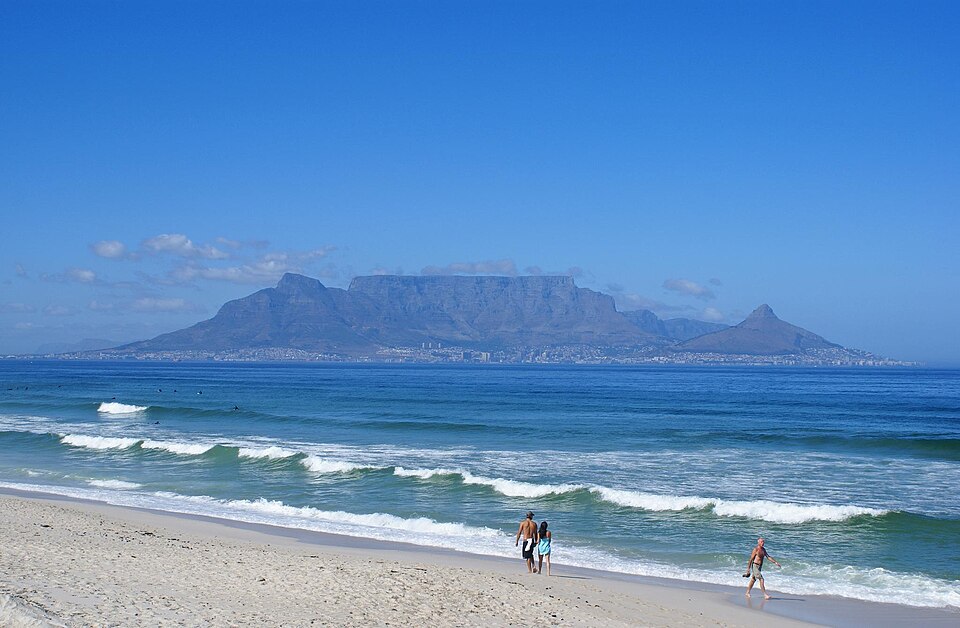
Arriving in Cape Town: The skyline of Table Mountain is the first sentence
CPT → Table Mountain (Table Mountain / Tafelberg) → V&A Waterfront (V&A Waterfront)
When driving in from the airport, Table Mountain suddenly fills your view, but don't pack the first day full. The V&A Waterfront (V&A Waterfront) is great for a safe landing, dinner, getting a SIM/exchanging cash, and scoping out the Robben Island ferry; the Table Mountain cable car depends on wind and clouds—if the weather is bad, switch to a beachside stroll or Zeitz MOCAA (Zeitz MOCAA). The most common lesson is 'you can't command the weather for Table Mountain,' so be flexible when you see a clear window.
It takes about 20–30 minutes from the airport to the city center; use Uber or hotel cars after dusk, and don't rely on long walks as transportation. Stay in the Waterfront (Waterfront), Sea Point (Sea Point), or Green Point (Green Point) on the first night to better adapt to safety boundaries.
Day 2 · Cape Town (Cape Town / Kaapstad / iKapa)
Robben Island and Bo-Kaap (Bo-Kaap): Two Sides of a Nation
V&A ferry → Robben Island (Robben Island) → Bo-Kaap (Bo-Kaap)
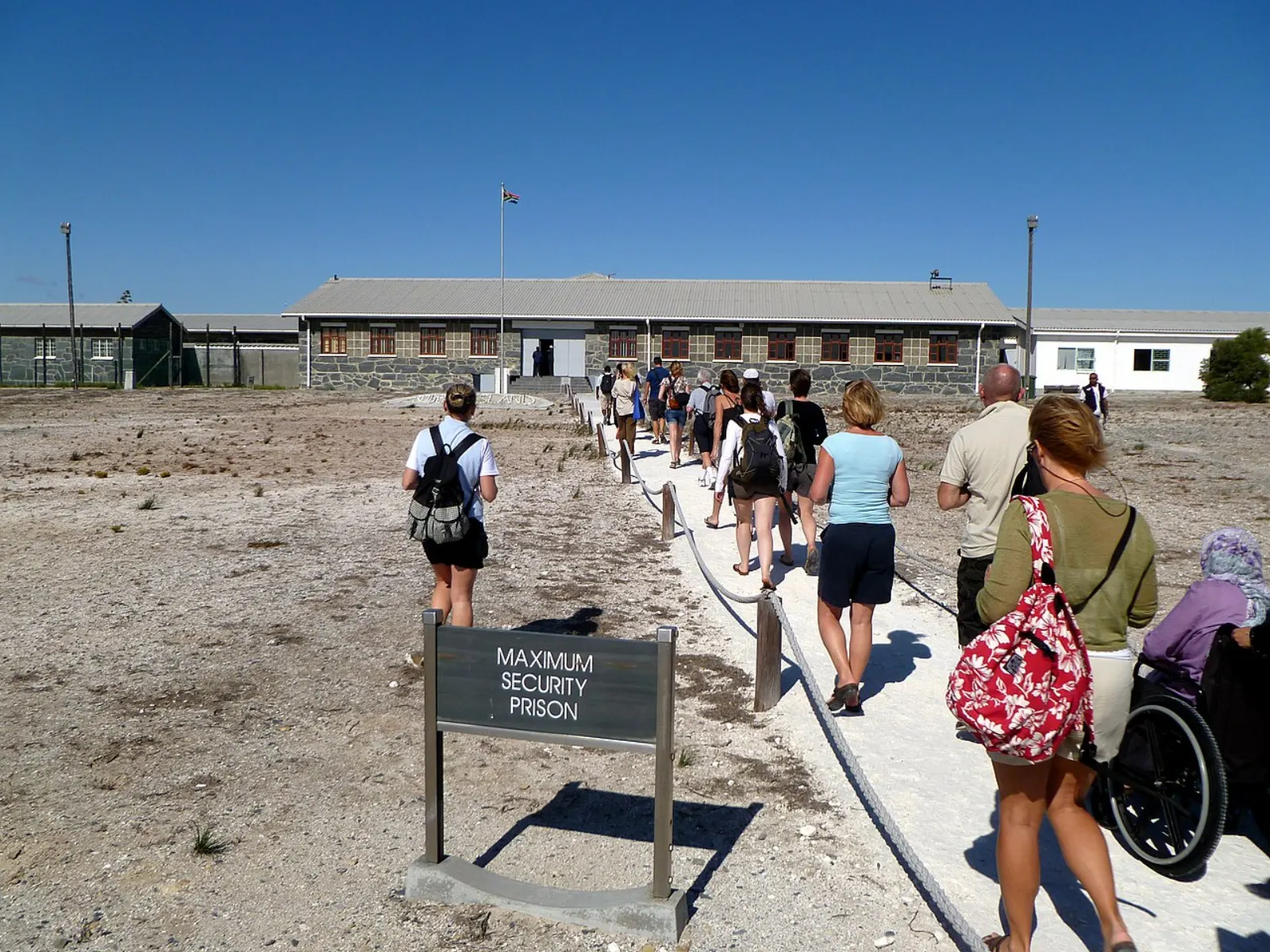
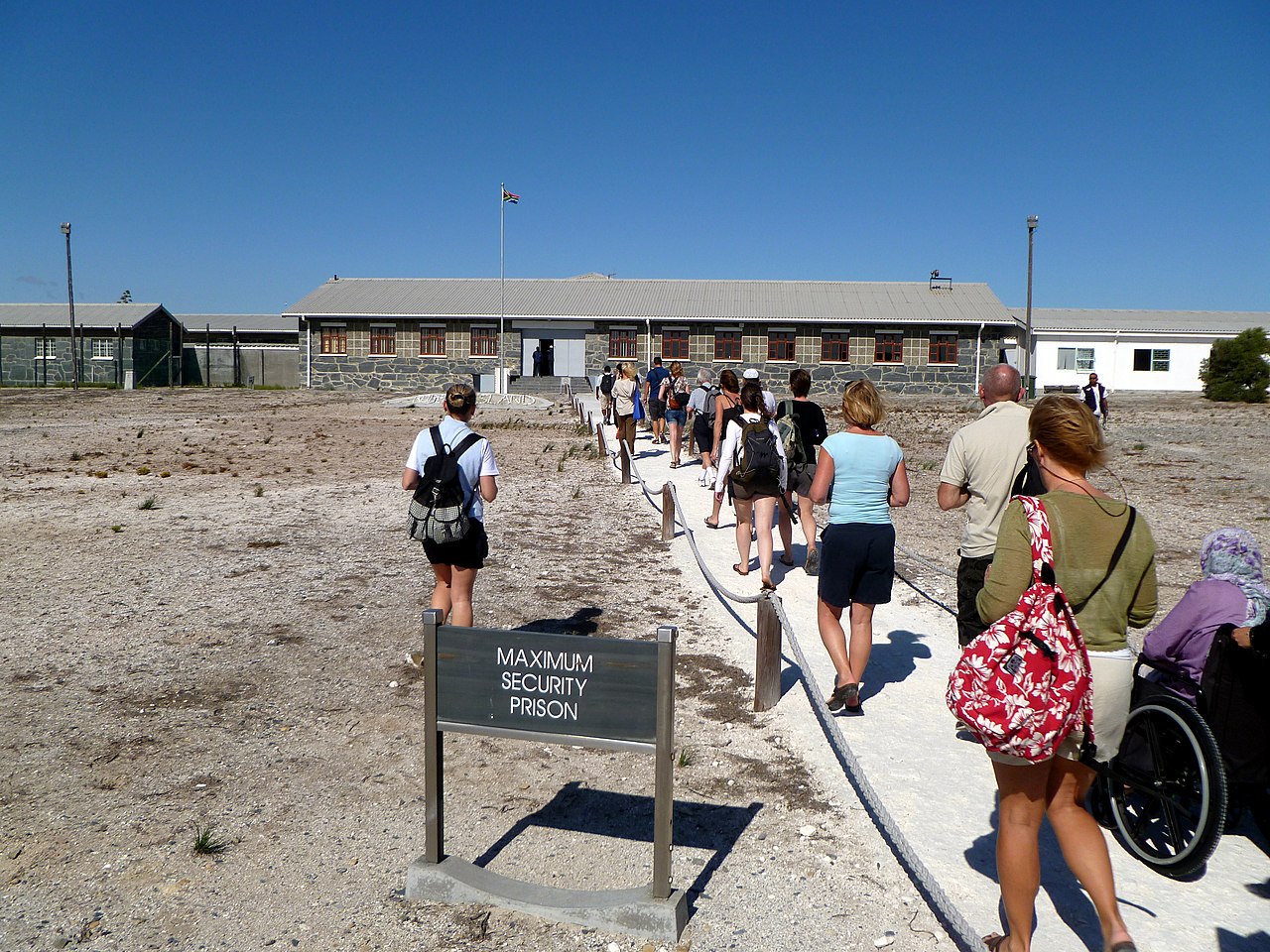
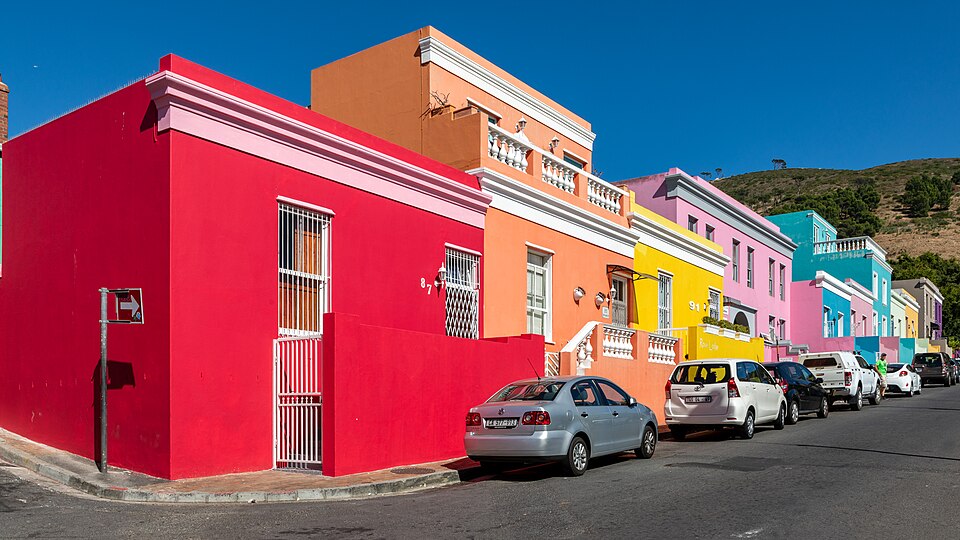
Robben Island is not just a regular island attraction—it is the core of South Africa's political memory. The ferry, the old prison, and the guided tour turn apartheid history from textbooks into a spatial experience. In the afternoon, the colorful streets of Bo-Kaap (Bo-Kaap) focus on Cape Malay culture, mosques, home kitchens, and residents' lives—not just a photo backdrop. Robben Island is often canceled due to wind and waves, so it's best to have a backup plan ready.
Robben Island ferry tickets need to be booked in advance and may be canceled due to wind and waves; when photographing in Bo-Kaap (Bo-Kaap), respect residents' doorways and religious spaces. If the morning ferry is canceled, consider switching to the District Six Museum (District Six Museum), Company's Garden (Company's Garden), or a Cape Malay cooking class.
Day 3 · Cape Peninsula (Cape Peninsula) / Stellenbosch (Stellenbosch)
Cape of Good Hope, Penguins, and the Winelands
Cape Point (Cape Point) → Boulders Beach (Boulders Beach) → Stellenbosch (Stellenbosch)
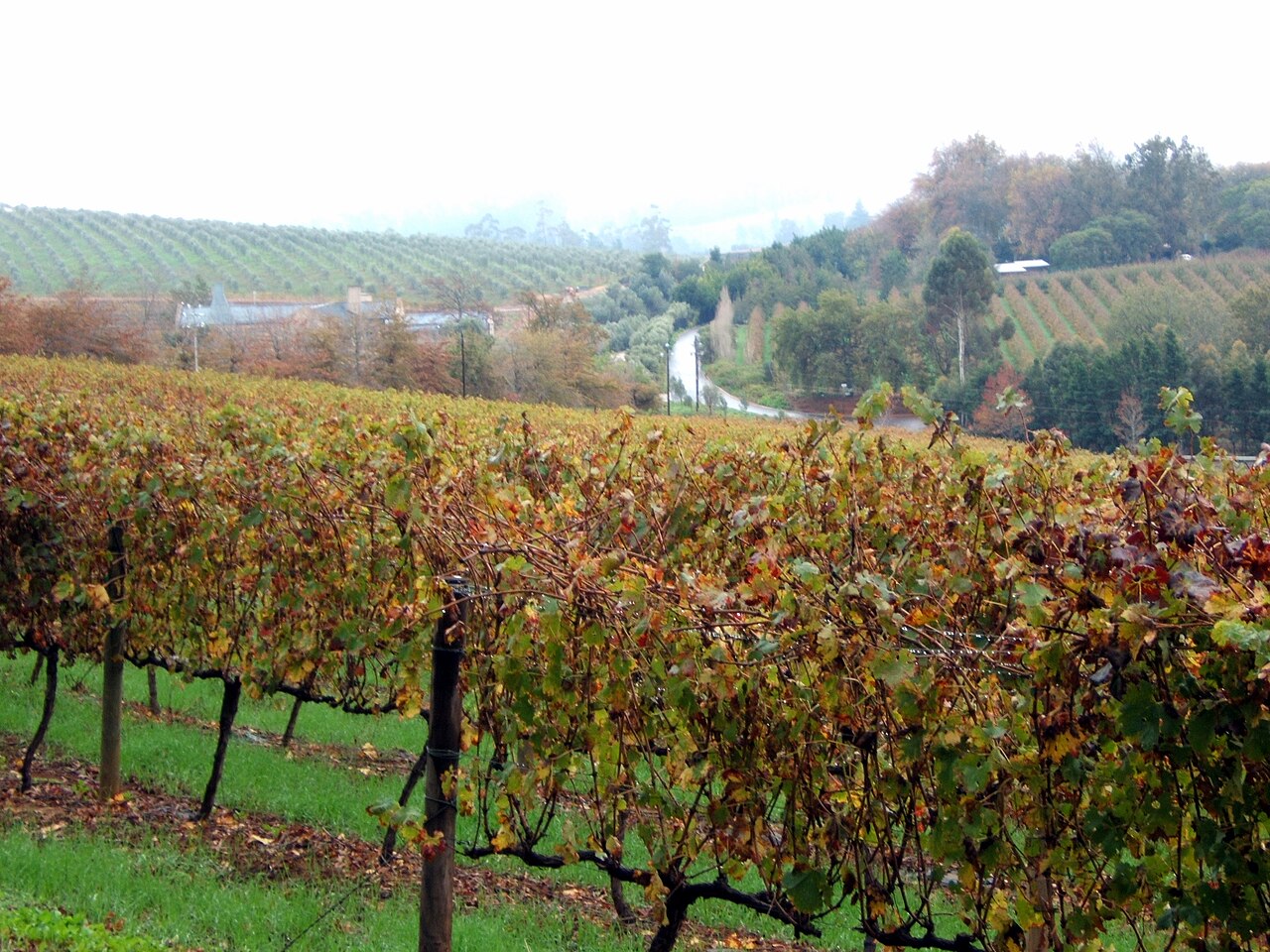
The value of this day lies in the changing landscapes: cliffside roads, the wind at Cape Point (Cape Point), the penguins at Boulders (Boulders), coastal towns, and the vineyards of Stellenbosch (Stellenbosch). Don't treat every stop as just a 'beautiful view'—the key is the long drive, parking, wind, entrance fees, and the logistics of wine tasting; people often underestimate the full-day length of the Cape Peninsula (Cape Peninsula) and end up rushing the Winelands.
Self-driving offers the most flexibility; wine tasting requires a designated driver or a tour group. During peak season, arriving early at Cape Point (Cape Point) and Boulders (Boulders) is better. If you want to take it easy, you can make the Winelands a separate half-day or full-day trip without cramming it together with the Cape of Good Hope.
Day 4 · Johannesburg (Johannesburg)
Flying to Johannesburg: From Ocean to Gold
CPT → JNB → Constitution Hill (Constitution Hill) → Maboneng (Maboneng)
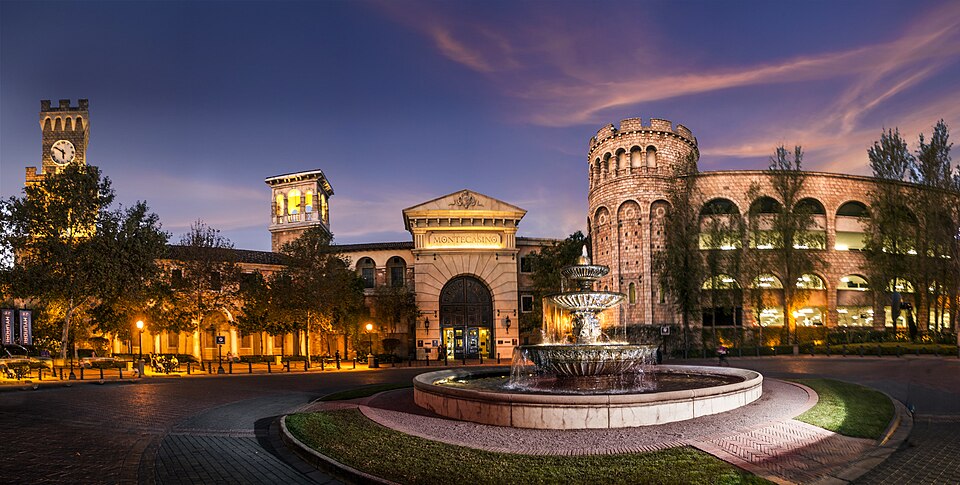
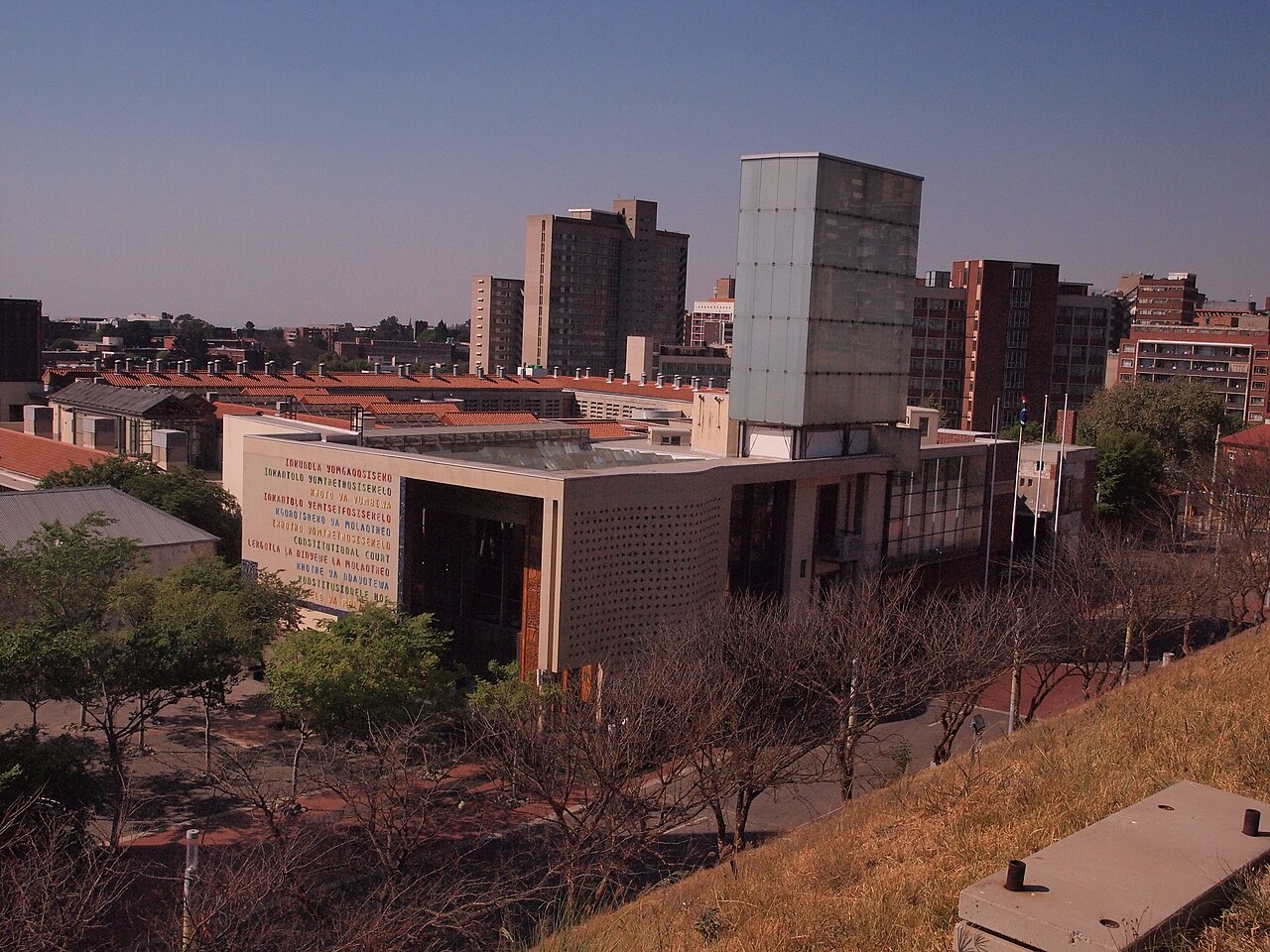
Johannesburg is not just a supporting chapter to Cape Town. Constitution Hill (Constitution Hill) tells the story of institutional transformation, while Maboneng (Maboneng) speaks to urban renewal, street art, and a young dining scene—but safety boundaries must be planned in advance: daytime to early evening, point-to-point ride-hailing, and no random walking. Reviews are often polarized, and the difference is usually not the city itself but whether there is a reliable route and local context.
The CPT-JNB route is frequent; book early for around $50-$120. Staying in Sandton/Rosebank makes getting around easier. The Gautrain connects the airport to Sandton/Rosebank, but Uber or a hotel car is still recommended for the last leg.
Day 5 · Soweto
Soweto: Vilakazi Street, Orlando and FNB Stadium
Soweto → Vilakazi Street → Orlando Stadium → FNB Stadium
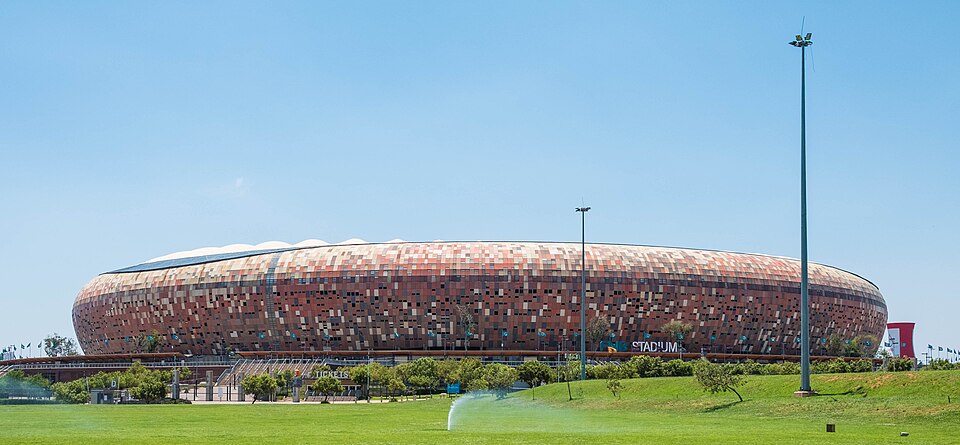
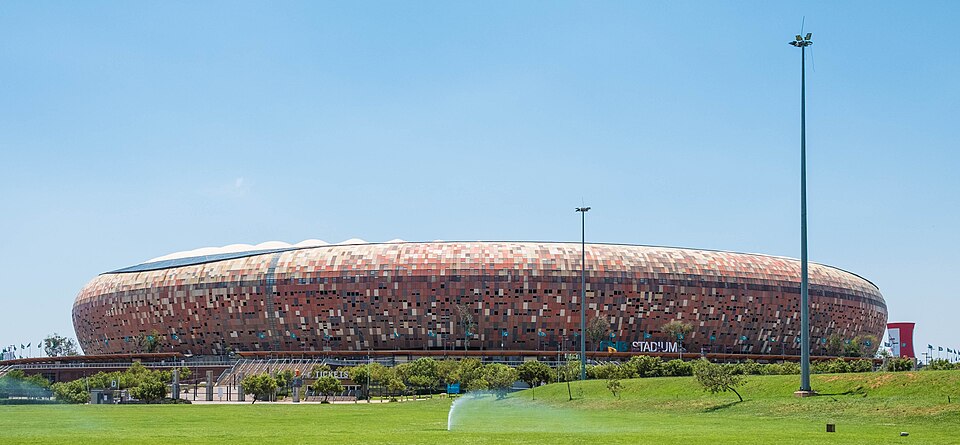
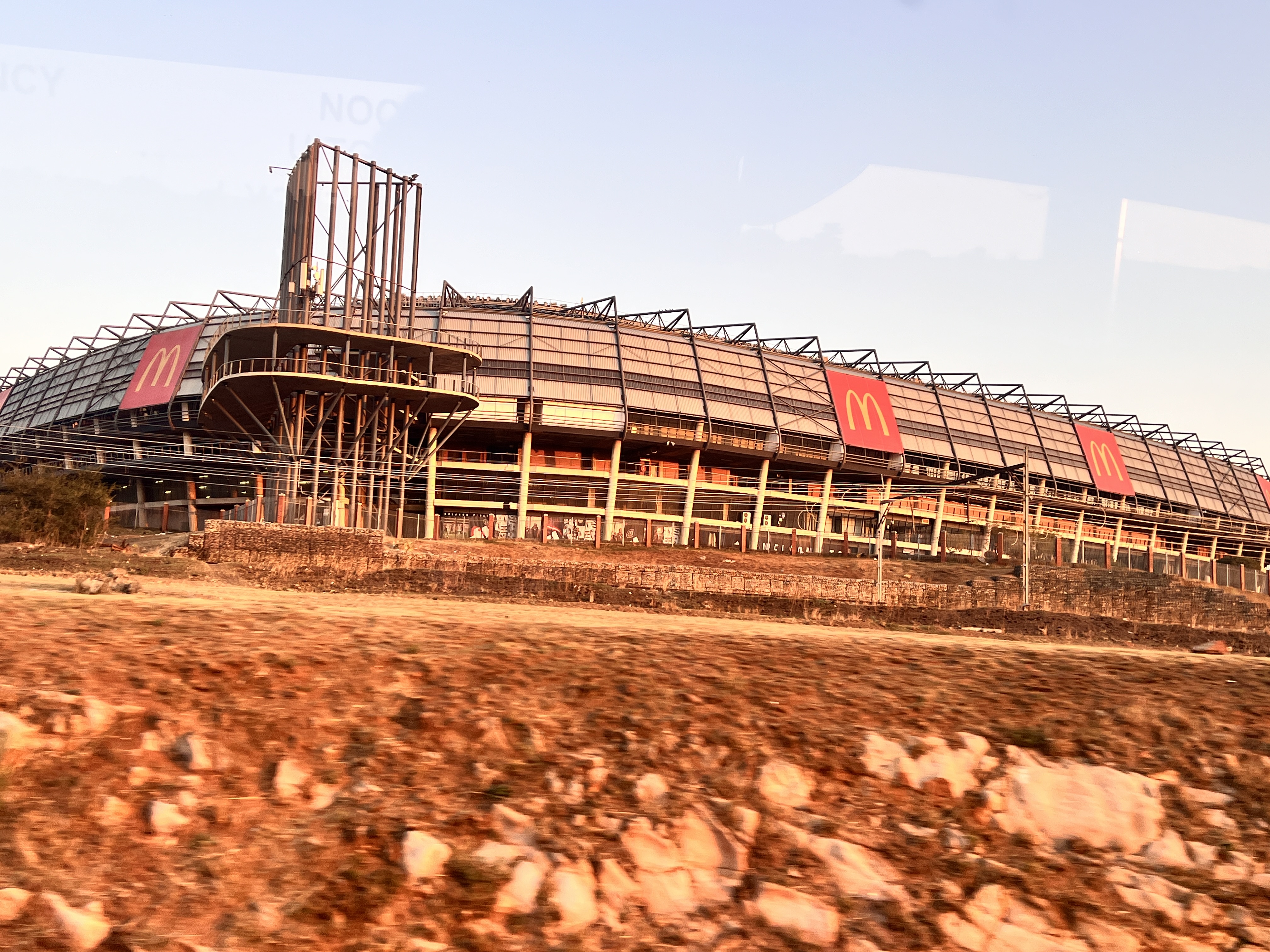
Soweto should not be seen merely as a poverty label. Vilakazi Street, Mandela House, Orlando Stadium, and FNB Stadium together tell the story of anti-apartheid, community life, the 2010 World Cup, and the Soweto Derby; this is also the real gateway to understanding Orlando Pirates, Kaizer Chiefs, and Bafana Bafana. For an authentic experience, it's best to have a guide, a route, and explanations, rather than tourists driving around looking for 'real neighborhoods' on their own.
It is recommended to go with a qualified local guide; do not drive around alone, and do not look for community taverns (shebeen) at night. On derby or national team match days, confirm tickets, parking/shuttle, and departure points in advance.
Day 6 · Kruger National Park
Kruger: Let Wildlife Reset Your Sense of Time
JNB → Skukuza / Kruger → afternoon game drive
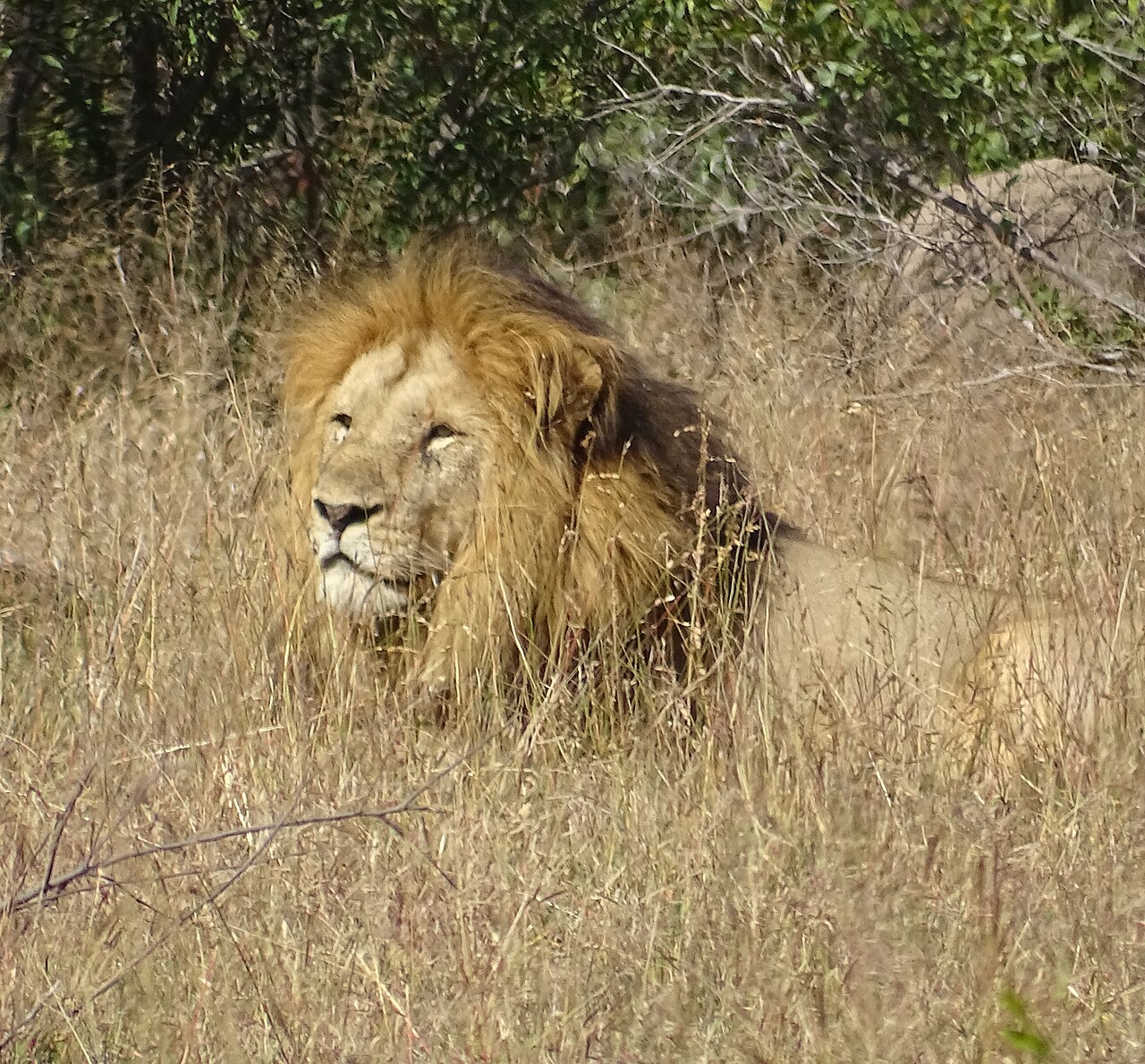
The first lesson of Kruger is patience. The Big Five is not a checklist game; early morning temperature, animal activity, track reading, and the experience of a ranger/guide matter more than tourist wishes. You need to distinguish between the experience of self-drive camps and luxury lodges: the former is cheaper and offers freedom but requires managing road conditions and gate closing times yourself; the latter is expensive but provides more comprehensive explanations, vehicles, and nighttime experiences.
For official camps, pay attention to gate closing time; for game drives, use official or lodge vehicles. In summer, bring mosquito repellent; in winter, bring a warm jacket in the early morning. Don't schedule a day too tightly with a long drive from Joburg into the park followed by a sunset game drive.
Day 7 · Kruger / Johannesburg
Leaving Kruger: Wrap Up with Braai and Jerseys
Morning game drive → Skukuza / JNB → return trip
Do one last game drive in the final morning—animal activity is usually better than at noon—then return to Joburg or near the airport to wrap up. A South African braai, a Bafana Bafana jersey, memories of the 2010 World Cup, and a final meal before the airport can all go together, but nighttime city travel should not be taken lightly. The most common problem is a too-tight schedule: park road conditions, animal stops, flight delays, and Joburg traffic can all eat up your buffer.
Allow a 3-4 hour buffer for travel within the Kruger area; be even more conservative when connecting from a domestic flight to an international flight on the same day. If your return is late, staying at an airport hotel or in Sandton is safer than traveling across the city late at night.
🇿🇦 South Africa Travelogue
South Africa Travel: Hurting and Celebrating at the Same Time
Read the narrative side of South Africa: how arrival, football curiosity and local rhythm connect beyond a checklist.
My journey through South Africa truly began not at the airport, nor when I first saw Table Mountain outside the hotel window, but at the moment the ferry to Robben Island slowly left shore. Cape Town's sea wind was hard, like a hand pushing you into the past. Behind the stern, the V&A Waterfront still shone, while Table Mountain lay quietly behind the city, cloud spilling over its flat top like a white waterfall. The guide said locals call this cloud the tablecloth. Watching it cover the city, I suddenly understood: South Africa's beauty has never hidden pain. It lets pain and sunlight exist at the same time.
The heaviest thing on Robben Island is silence. Mandela's cell is not dramatic: narrow, low, clean, with only a thin mat on the floor and a metal bucket in the corner. Tourists file past the doorway, their steps softened. The former political prisoner guiding us does not stir emotion artificially. He simply points at the quarry and says many prisoners damaged their eyes there under the sun. Mandela later walked out of prison and did not turn twenty-seven years into revenge; he turned them into a negotiating table. That sounds like a sentence from a great-man biography, but standing before that small cell, it feels more like a difficult decision a person once made with himself: I cannot let hatred keep governing this country.
Read the full South Africa World Cup travel storyPhotos of Famous Local Players
South Africa players and football faces
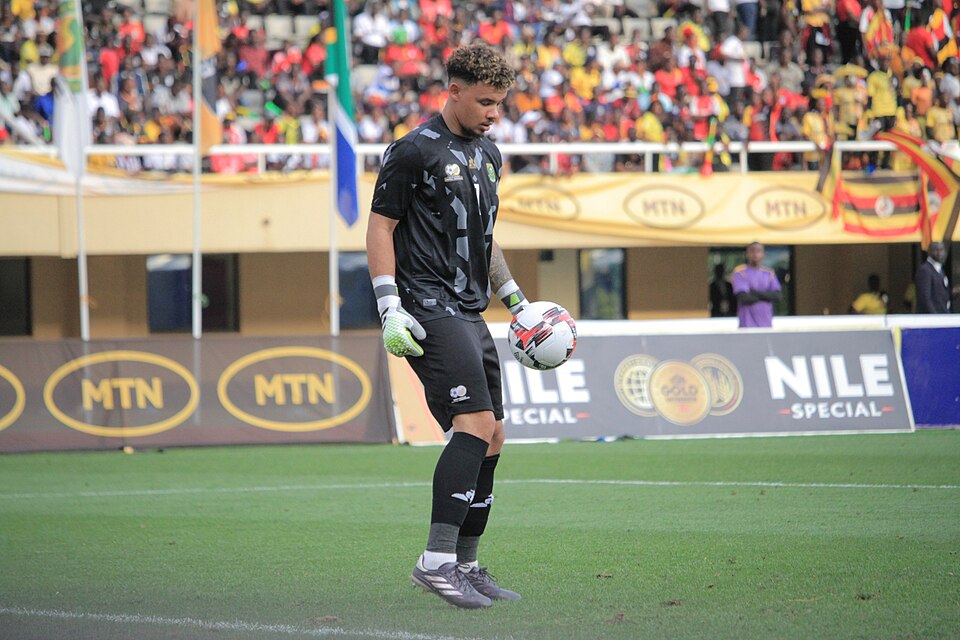
Player context helps connect Bafana Bafana with hometowns, clubs, diaspora stories and routes a traveler can actually follow.

Recommended Airport & Flight Budget
South Africa airports and flight routes
Use this section to compare arrival airports, likely connections and where each route places you inside South Africa. Flight prices are seasonal budget ranges. Final prices are subject to real-time search.
CPT
Cape Town International Airport
Suitable for seaside, Table Mountain, Robben Island, wine lands, and Cape Peninsula routes.
JNB
O.R. Tambo International Airport
Suitable for Johannesburg, Soweto, Soccer City, and Kruger connections.
Local Customs
- For city travel in South Africa, incorporate safety boundaries into your itinerary rather than judging on-site by feeling. In Cape Town and Johannesburg, don't rely on walking as main transportation after dark; when visiting CBD, Maboneng, Long Street, Soweto and other areas, it's best to use qualified guides or clear point-to-point Uber/hotel cars. Experience consistently shows: popular areas can be wonderful during the day, but wandering across areas at night quickly increases risks; don't hold your phone on the street for extended periods, and don't place bags in visible positions inside cars.
- Safari is not a zoo, nor is it a 'Big Five checklist' mission. Follow ranger instructions: don't exit the vehicle, don't imitate animal sounds, don't extend your body outside the vehicle; early mornings can be cold enough for fleece, while daytime can be very sunny - prepare sunscreen, insect repellent, water, and binoculars simultaneously. There's a significant difference between Kruger self-drive camps and private lodges: the former offers freedom and savings, the latter is more expensive but provides rangers/trackers, night or off-road permissions, and more comprehensive explanations.
- Tipping is an actual part of the budget: give about 10% at restaurants for good service; safari rangers/trackers, hotel porters, and gas station attendants typically expect separate cash tips. Card payments are common, but small denomination ZAR notes are very useful, especially for parking assistance, luggage, and short services. Don't treat tipping as 'optional' as it affects your actual cash preparation for the journey.
South Africa Local Transportation?
"South Africa is best experienced with 'Uber/hotel cars within cities + flights between cities + safari vehicles in Kruger'. CPT-JNB flight is about 2 hours, commonly $50-120 if booked in advance; within Cape Town, use Uber or hotel-arranged cars; in Johannesburg, use Gautrain to connect the airport, Sandton, Rosebank, Pretoria, supplemented with Uber. Kruger can be reached by flying to Skukuza/KMIA or driving 4.5-6 hours from Johannesburg, but free driving is not allowed within the park at night; game drives should use official or lodge vehicles."
South Africa Flight Route Reference?
South Africa is best experienced along a two-city axis: Cape Town covers Table Mountain, Robben Island, the Winelands, and the Cape of Good Hope; Johannesburg covers Soweto (Soweto), Constitution Hill (Constitution Hill), and Soccer City (Soccer City), with Kruger National Park (Kruger National Park) providing a natural break in between. The football thread comes from the memory of the 2010 World Cup host and Bafana Bafana. Arriving in Cape Town: The skyline of Table Mountain is the first sentence CPT → Table Mountain (Table Mountain / Tafelberg) → V&A Waterfront (V&A Waterfront) It takes about 20–30 minutes from the airport to the city center; use Uber or hotel cars after dusk, and don't rely on long walks as transportation. Stay in the Waterfront (Waterfront), Sea Point (Sea Point), or Green Point (Green Point) on the first night to better adapt to safety boundaries. Robben Island and Bo-Kaap (Bo-Kaap): Two Sides of a Nation V&A ferry → Robben Island (Robben Island) → Bo-Kaap (Bo-Kaap) Robben Island ferry tickets need to be booked in advance and may be canceled due to wind and waves; when photographing in Bo-Kaap (Bo-Kaap), respect residents' doorways and religious spaces. If the morning ferry is canceled, consider switching to the District Six Museum (District Six Museum), Company's Garden (Company's Garden), or a Cape Malay cooking class. Cape of Good Hope, Penguins, and the Winelands Cape Point (Cape Point) → Boulders Beach (Boulders Beach) → Stellenbosch (Stellenbosch) Self-driving offers the most flexibility; wine tasting requires a designated driver or a tour group. During peak season, arriving early at Cape Point (Cape Point) and Boulders (Boulders) is better. If you want to take it easy, you can make the Winelands a separate half-day or full-day trip without cramming it together with the Cape of Good Hope.
Hotel Recommendations upon Arrival
Where to stay in South Africa
Hotel choices are grouped by route logic, airport access, neighborhood feel and match-day convenience.
Victoria & Alfred Hotel
Price Range: $180-$350/night
A historic hotel in the V&A Waterfront; security, restaurant density, and convenience for the Robben Island ferry are its core selling points, suitable for the first night's landing, recovering from jet lag, and getting familiar with Cape Town's pace. Its advantage isn't the most local neighborhood feel, but rather low friction for dining out, returning to the hotel, and catching the ferry the next day; if the Robben Island trip is cancelled due to wind and waves, you can immediately switch to the seaside, museums, or restaurants. The price carries a clear location premium; if on a tight budget, stay in Sea Point / Green Point and use Uber to get in and out.
Sandton Sun Hotel
Price Range: $180-$400/night
Connected to the Sandton City and Gautrain areas, suitable as a base for Johannesburg business, transit, Soweto day trips, and Pretoria/Mamelodi football trips. Pros include clear traffic flow, dense mall dining, and relatively easy airport access; the con is that it represents a high-security, commercialized Johannesburg, not street life itself. The key point here: staying in Sandton is to reduce travel risks, not equivalent to understanding Johannesburg.
Kruger Rest Camps
Price Range: $80-$300+/night
SANParks official camps like Skukuza and Lower Sabie are suitable for budget-controlled safaris and are the choice of many local families. When booking, confirm gate closing times, restaurant/shop availability, official game drive quotas, whether you need to drive into the park yourself, and road conditions during the rainy season. Official camps don't equal luxury service: what you gain is location, convenience for early morning departures, and a lower budget, but you need to manage your own drives, supplies, and time.
Local Cuisine & Restaurants
What to eat in South Africa
Food notes focus on local dishes, realistic restaurant types, prices and the easiest first meals after arrival.
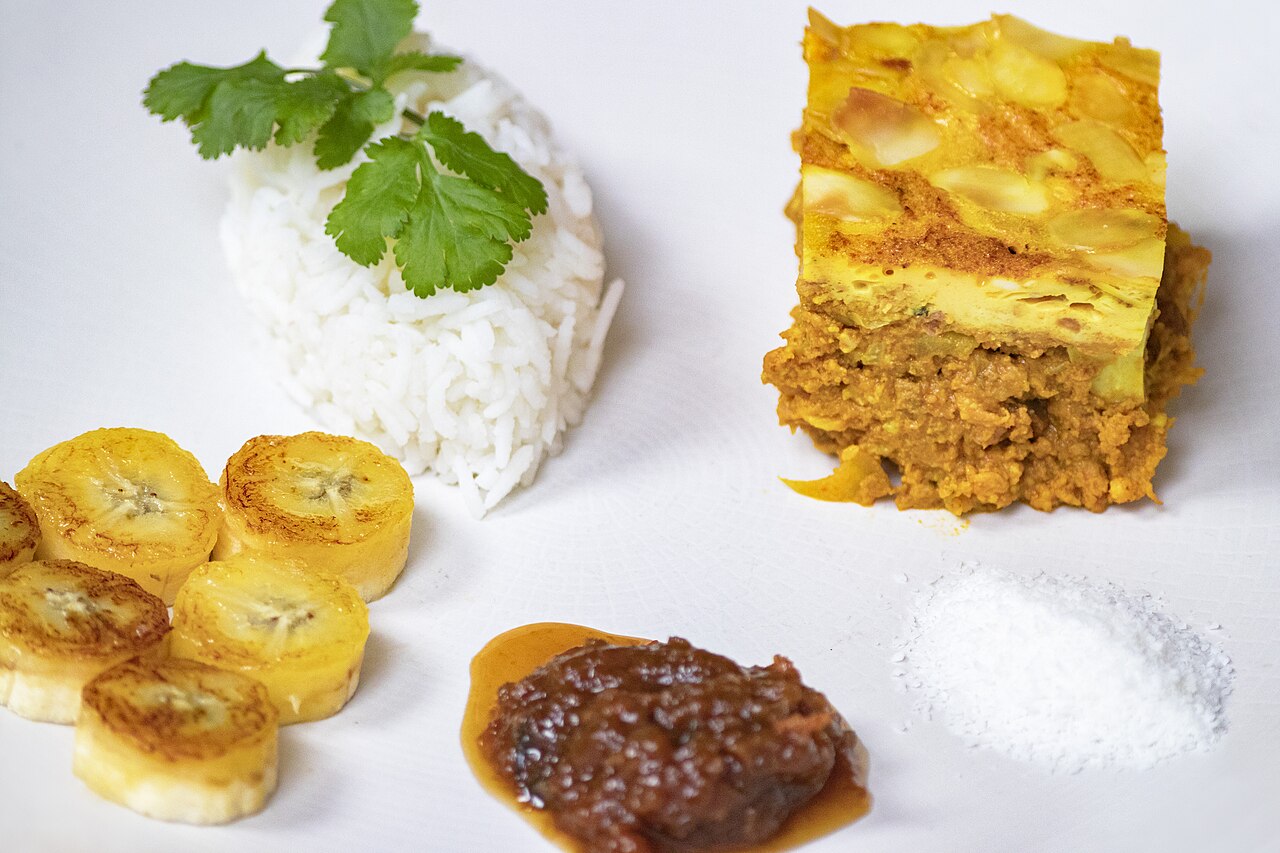
Bobotie
Representative of Cape Malay cuisine: spiced minced meat topped with an egg custard layer, often served with yellow rice, raisins, and chutney; the flavor is sweet and savory rather than spicy. Best eaten in Bo-Kaap or Cape Malay restaurants, ideally understood in the context of a meal including samoosas, pickled fish, or Cape Malay curry. Behind it lies the history of Cape Town slavery, Malay/Indian Ocean trade, and home kitchens, not just an ordinary 'meat pie'.
Recommended Restaurants: Bo-Kaap Kombuis, Gold Restaurant, Cape Malay restaurants
Budget: ZAR 120-280
Braai
South African barbecue (Braai) is a social event, not just a barbecue menu; common items include boerewors, steak, chops, pap, and chakalaka. The real experience depends on where you eat: city steakhouses are safer and more controlled, wine estates are more refined, while township braais require a reliable guide or someone familiar with the venue. Don't go to places like Mzoli's just based on internet fame; first confirm opening status, transportation, cash, and departure methods.
Recommended Restaurants: Mzoli's, The Local Grill, guided township food tours
Budget: ZAR 150-350
Bunny Chow
Representative food of the Durban Indian community: a hollowed-out loaf of bread filled with curry, usually available in bean, chicken, or mutton versions, suitable for tearing the bread by hand to dip in the curry. Best suited for a Durban side trip; available in Cape Town/Johannesburg too, but note it is not a local Cape Town dish. Practical advice for foreign tourists: ordering a half or small portion is easier to finish, and ask about the curry spice level in advance.
Recommended Restaurants: House of Curries, Durban curry shops, selected urban casual restaurants
Budget: ZAR 80-160
South Africa Local Cuisine & Restaurants?
Bobotie Representative of Cape Malay cuisine: spiced minced meat topped with an egg custard layer, often served with yellow rice, raisins, and chutney; the flavor is sweet and savory rather than spicy. Best eaten in Bo-Kaap or Cape Malay restaurants, ideally understood in the context of a meal including samoosas, pickled fish, or Cape Malay curry. Behind it lies the history of Cape Town slavery, Malay/Indian Ocean trade, and home kitchens, not just an ordinary 'meat pie'. Bo-Kaap Kombuis, Gold Restaurant, Cape Malay restaurants ZAR 120-280
Nightlife, Shows & Entertainment Venues
South Africa after dark and local nights
Evening ideas link music, waterfronts, markets and football screens without forcing every night into a match plan.
Maboneng Precinct
Maboneng is suitable for daytime to early evening to see street art, cafes, design shops, and weekend markets; it presents a side of Johannesburg's urban renewal. Do not treat it as an around-the-clock safe neighborhood: security changes quickly between blocks. Take a point-to-point taxi to leave at night, and don't spontaneously expand your walking range just because it feels comfortable during the day. A better arrangement is to put Constitution Hill, the Apartheid Museum, or guided city tours on the same day to form a bounded understanding of Johannesburg.
Cape Town Long Street
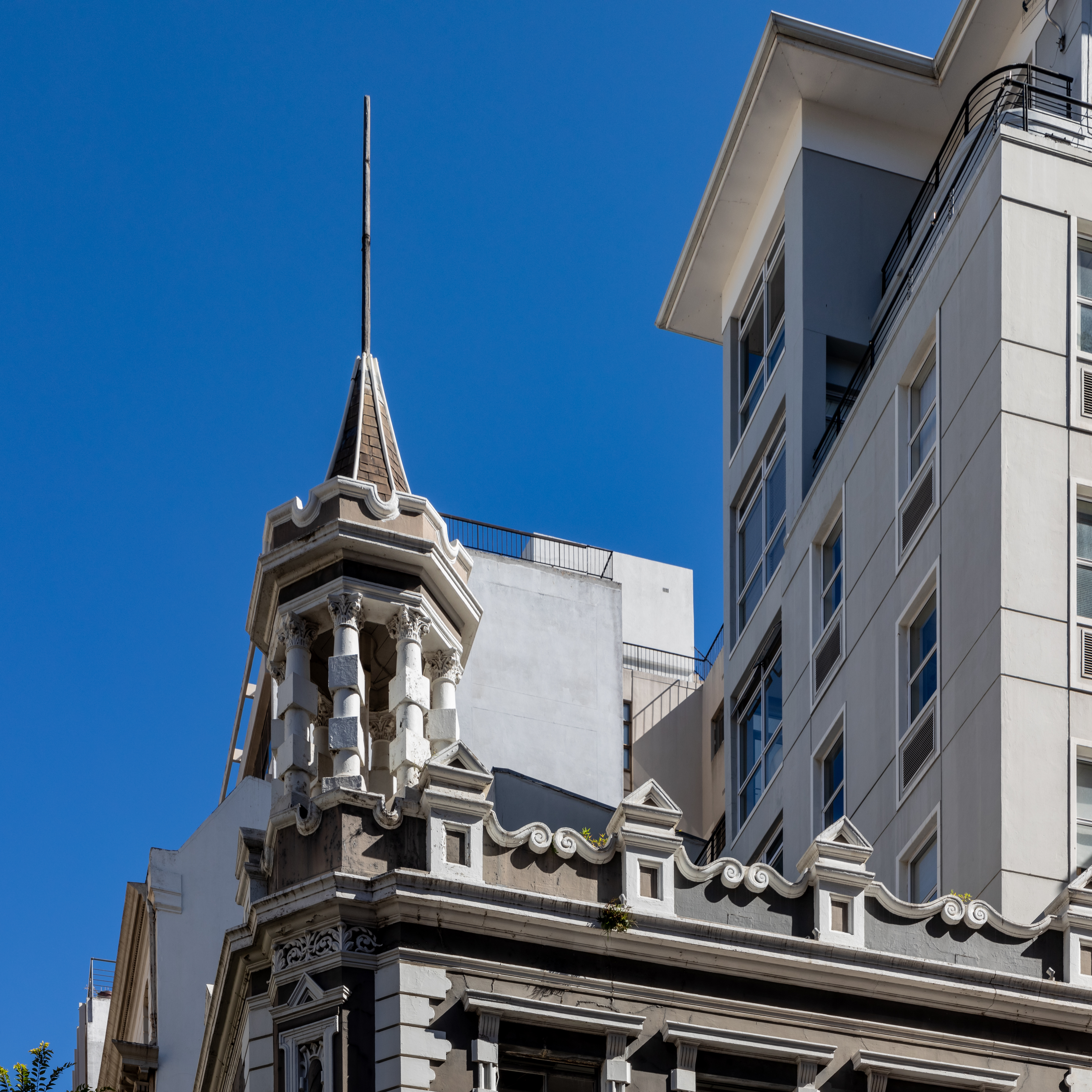
Long Street has backpackers, bars, live music, and historic buildings, but risks of phone snatching, drunkenness at night, and solicitation at entrances are real. Suggest going in a group, carrying little cash, using Uber to the door, and returning to accommodation before early morning; if you want a more stable evening, Kloof Street, Sea Point, or Waterfront restaurants are usually easier to control. Long Street is better viewed as a 'high-energy but risk-managed' scene, rather than a mindless nightlife recommendation.
Soweto Community Tavern (shebeen)
Community taverns (shebeens) are township social spaces related to football, music, family gatherings, and weekend braais, but tourists should enter with a local guide. Combining it with Vilakazi Street, Mandela House, Orlando Towers, Orlando Stadium, and FNB Stadium on the same day is more stable than a solo night visit. The atmosphere is stronger during a Soweto Derby or national team match day, but departure logistics are also more complex and must be arranged in advance.
Domestic football clubs
South Africa football clubs and match culture
Club context adds the local football layer behind Bafana Bafana, from stadium neighborhoods to supporter routines. The South African club route revolves around Johannesburg (Johannesburg)/Pretoria (Pretoria / Tshwane): the Soweto Derby (Soweto Derby) offers fan culture, Mamelodi Sundowns (Mamelodi Sundowns) provides African Champions League-level competitiveness, and Cape Town City (Cape Town City) brings Cape Town into the football map.
Soweto, Johannesburg
Orlando Pirates
Orlando Pirates is one of the cores of Soweto football. Orlando Stadium can be arranged on the same day as Vilakazi Street, Mandela House, and FNB Stadium. Its highlights include CAF history, the pirate skull logo, black-and-white colors, and the derby atmosphere; visitors should also enter through a guided tour or reliable transport. Pirates gives players like Lyle Foster a more realistic context: community, youth training, professional clubs, and European opportunities are not abstract words.
Soweto, Johannesburg
Kaizer Chiefs
The Soweto Derby between Kaizer Chiefs and Pirates is one of South Africa's most important club narratives. The FNB Stadium thread can link together the 2010 World Cup, the national team, taxi discussions, bar viewing, and weekend city transport. If tourists encounter a derby, they should not treat it as a casual entertainment event: official ticketing, stand sections, pickup points, and departure times must all be arranged in advance.
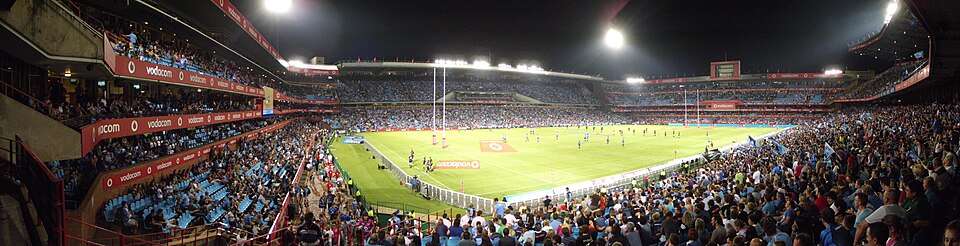
Pretoria / Mamelodi
Mamelodi Sundowns
Sundowns represents the competitiveness of South African and African clubs in recent years. National team core players like Ronwen Williams and Teboho Mokoena can be connected here. It fits well as a Pretoria/Mamelodi side trip, and it also moves the South African football narrative from nostalgia for the 2010 World Cup to contemporary CAF Champions League competitiveness. The focus of the tourist experience is not 'finding stars,' but understanding how South African clubs maintain intensity and resource advantages on the African stage.
Cape Town
Cape Town City FC
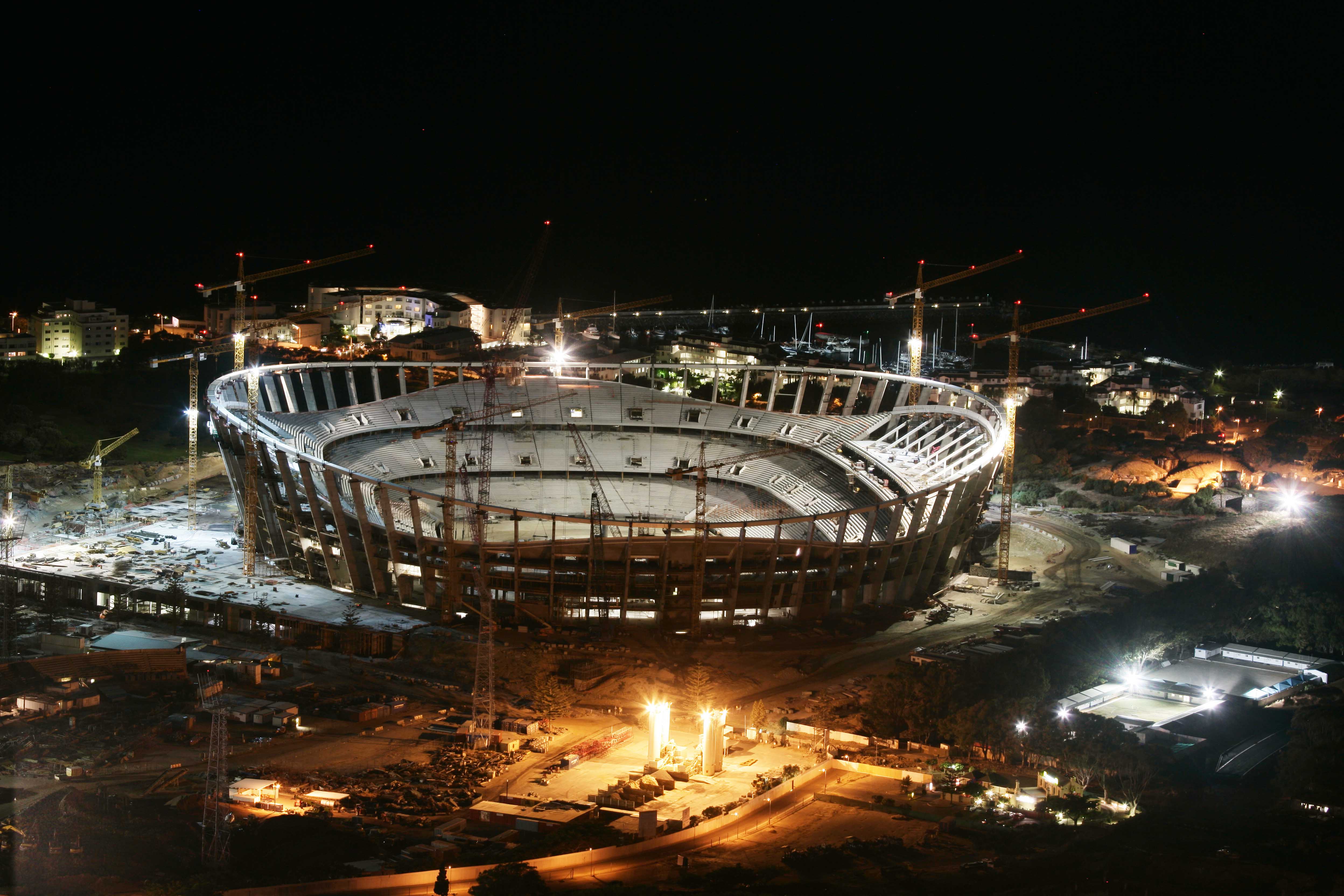
Cape Town City makes Cape Town more than just about scenery. Cape Town Stadium sits between the waterfront, Green Point, and the Table Mountain cityscape, making it ideal for extending the 2010 World Cup legacy into the contemporary league. Its match days are usually easier for foreign tourists to manage than the Soweto Derby, and can be scheduled on the same day as dinner at the Waterfront or Sea Point and the city night view.
Landscape anchors
South Africa attractions that match the Bafana Bafana story
These landscapes and city stops give the football-led route a stronger sense of place. Behind Bafana Bafana are the streets of Cape Town, Soweto, Kruger, wine country, and South Africa where the 2010 World Cup still shines.
Table Mountain
Table Mountain sits within the main travel corridor of Southern Africa.
Robben Island
Robben Island sits within the main travel corridor of Southern Africa.
Kruger National Park
Kruger National Park sits within the main travel corridor of Southern Africa.
Soweto
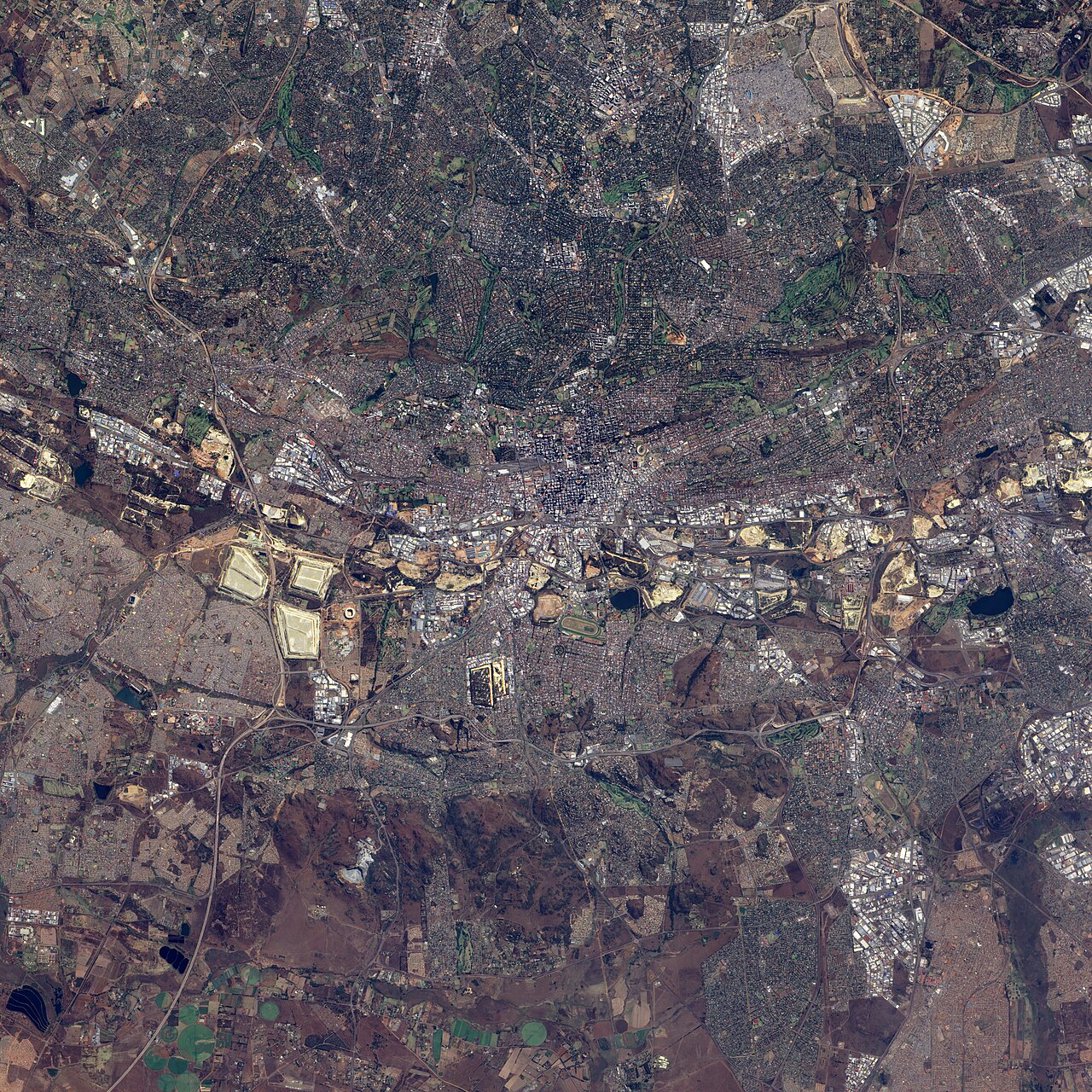
Soweto sits within the main travel corridor of Southern Africa.
Overall Travel Map
South Africa travel map for planning
Save the map to compare airports, hotels, restaurants, clubs and attractions before building the route. The map centers on the CPT/JNB dual cities: Cape Town (Cape Town / Kaapstad / iKapa), Johannesburg (Johannesburg), Soweto (Soweto), Soccer City (Soccer City), Kruger National Park (Kruger National Park), and the Winelands should be clearly layered.
Download travel mapBrowse all downloadable travel maps →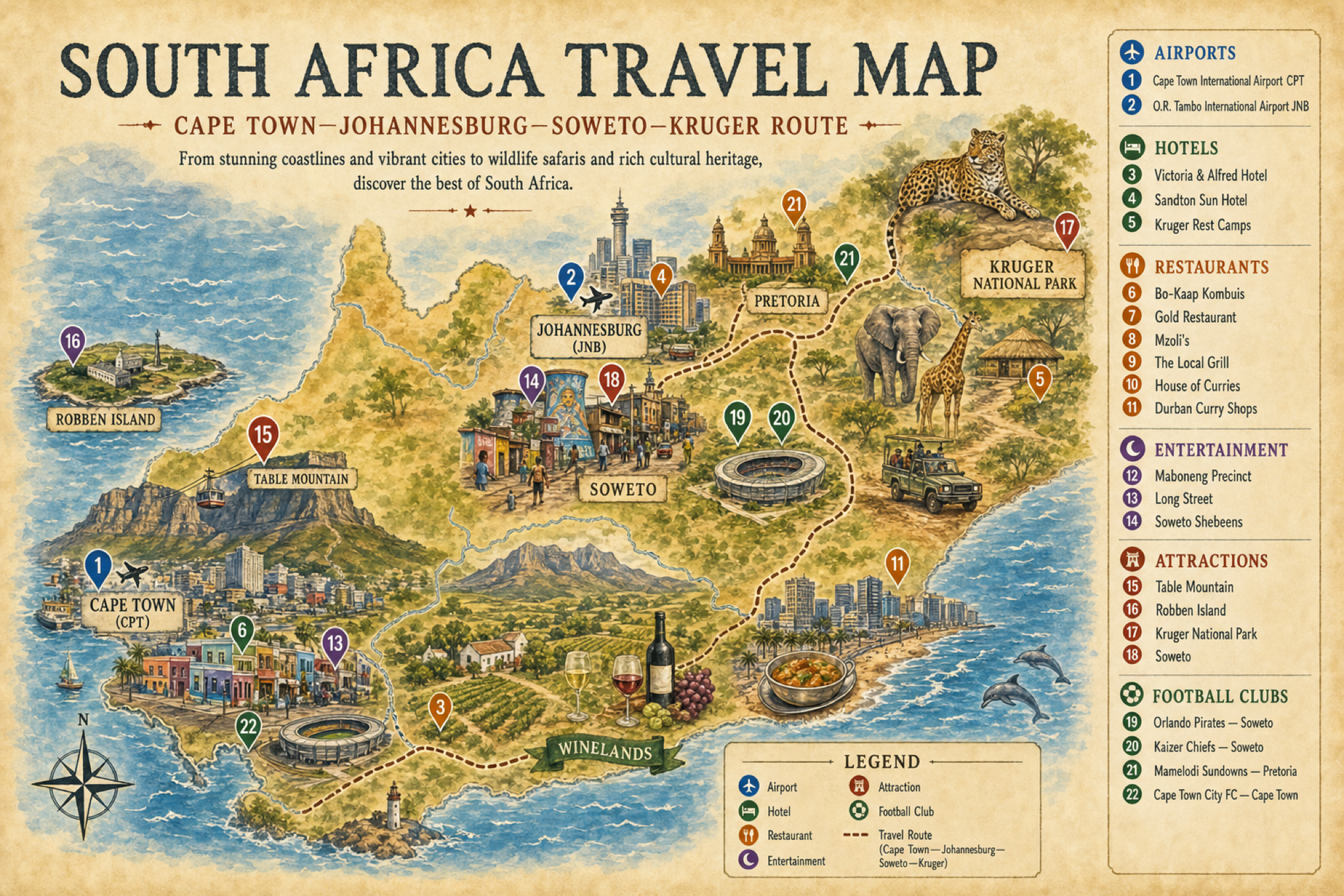
How Much to Budget per Person
South Africa trip budget
A quick cost frame for flights, hotels, food, transport and paid activities before you book. 7-day South Africa trip, it's recommended to prepare approximately $1,800-$3,500 per person.
Asia-South Africa round trips usually require transit, recommended to book 3-6 months in advance.
Huge range from backpacker hostels to private luxury safari lodges.
Casual and mid-range restaurants offer good value, fine dining is separate.
Table Mountain, Robben Island, Kruger safaris, and guides.
City Uber, domestic flights, car rentals, and safari transfers.
Travel rules, prices, transport schedules and safety conditions can change. Recheck official entry rules, local advisories and current prices before booking.
Flight Route Reference
South Africa itinerary sources
External route references used to check pacing, logistics and travel assumptions.
- South African Tourism — Use this to cross-check official attractions, cultural experiences, and wildlife experience information.
- SANParks Kruger — Used to verify Kruger National Park fees, campsites, and game drive regulations.
- Gautrain — Used to verify Johannesburg Airport, Sandton, Rosebank, and Pretoria transportation.
- South Africa DHA — Used to verify visa, eVisa/ETA, and visa-exempt list.
- SAFA / CAF — Used to verify Bafana Bafana, national team, and tournament context.
- Orlando Pirates / Kaizer Chiefs / Mamelodi Sundowns — Used to verify South African clubs, the Soweto Derby, and urban football routes.
Related route
Compare another World Cup travel route
Editorial notes
How this South Africa guide is maintained
Researched and edited by the Travel the Teams editorial team. This guide combines route-planning context, cultural background and the sources linked above; it is not a substitute for official entry, safety, health or transport advice.
Travel requirements and prices change. Confirm current information with the relevant official authorities and providers before booking.