Country Travel Snapshot
Japan travel basics: entry, season, budget and transport
An island nation located on the western side of the Pacific Ocean in East Asia, travel typically centers around Tokyo , Kyoto , Osaka , Mount Fuji , and the Hokkaido /Kyushu routes. Start here for the practical checks that decide whether a Japan trip works: entry rules, weather, costs and local movement.
- Population
- Approximately 124 million people.
- Time Zone
- Japan Standard Time , UTC+9, 1 hour ahead of Beijing.
- Major Ethnic Groups
- Predominantly Yamato people, along with Ryukyuan, Ainu, foreign residents in Japan, and multi-generational immigrant communities.
- Local Language
- Japanese is the official and daily core language. English is available at airports, major stations, hotels, and tourist areas in large cities, but small restaurants, local buses, and hot spring inns often require translation apps.
- Currency & Exchange Rate
- Japanese Yen (JPY).
Planning reference: 1 USD ≈ 150-160 JPY, 1 CNY ≈ 20-22 JPY; check real-time exchange rates before actual payment.Fetching live reference exchange rates JPY...
Visa/Visa on Arrival
Japan is not a "figure it out at the airport" destination. Chinese ordinary passport holders usually need to apply for a short-term tourist visa in advance; the most common hurdles in the application materials are itinerary, hotel bookings, employment/assets, and multiple-entry visa conditions. Passport holders from the United States, Canada, the United Kingdom, EU/Schengen, Australia, New Zealand, South Korea, Singapore, etc. are typically visa-free for short stays of about 90 days. In 2026, visa categories and fees for Japan will still be adjusted by nationality; check the Ministry of Foreign Affairs/embassy pages before departure. For flights, look for refundable options; for hotels, use cancellable bookings. When entering the country, have Visit Japan Web ready, the address of your first night, a return ticket, and cash/credit card. Do not misunderstand "visa-free" as not needing to explain the purpose of your trip.
Visa/entry information last reviewed: 2026-07-08. Rules can change by passport, arrival point and transit plan; recheck official rules before booking.Local Transportation
The key to transportation in Japan is not "buy a pass" but to layer the routes: use Suica/PASMO/ICOCA IC cards or mobile wallets for city transport, buy individual Shinkansen tickets for Tokyo-Kyoto/Osaka, and use regular JR/private railways between Kyoto/Osaka. Everyone needs their own IC card because fares are calculated individually per entry/exit. If you have a lot of luggage, use takkyubin to send it from Tokyo to Kyoto/Osaka in advance; it's much more comfortable than dragging suitcases on crowded trains. Google Maps works well, but transfer stations are huge; allow 10-15 minutes to find the platform. Kyoto buses are crowded in peak season; leaving early in the morning and returning at night is less stressful than crossing the scenic area at noon. Taxis are clean but expensive; use them only late at night, in rain, with large luggage, or with elderly/children.
Best Travel Season
Note: Season, climate, and outdoor intensity must be considered together: beaches, hiking, deserts, old town walks, or inter-island transport all have completely different tolerance for weather.
Cost of Living
Moderate to high, but manageable. Japan is expensive in intercity transport, peak-season accommodation, and reservation-only restaurants, but not expensive for daily meals. Convenience stores, gyudon, ramen, kaitenzushi, business hotels, and city subways can keep your budget stable; the cherry blossom/autumn leaf seasons in Kyoto , weekends in Tokyo , and hot spring inns can suddenly push prices up. The most common mistake foreign tourists make is buying a nationwide JR Pass for just a Tokyo-Kyoto-Osaka route: in 2026, the 7-day nationwide JR Pass requires very dense Shinkansen itineraries to break even; for the Golden Route, buying individual tickets is often more flexible. Daily budget suggestion (transport separate): convenience store breakfast JPY 500-900, ramen/curry/teishoku JPY 900-1,800, ordinary izakaya dinner JPY 3,000-6,000/person, kaitenzushi easy meal about JPY 1,500-3,500. Mid-range hotels in Tokyo /Kyoto commonly JPY 12,000-35,000/night, doubling in peak season; capsule or business hotel low-end rooms around JPY 5,000-12,000. Tokyo-Kyoto Shinkansen one-way about JPY 14,000; a day of subway/train in Tokyo often JPY 800-1,500. Cash is still important: physical IC card top-ups, some small shops, temples/shrines, coin lockers, and local buses should not rely entirely on credit cards. For a 7-day trip to Tokyo + Kansai in Japan, budget approximately $1,500-$3,500 per person.
Before you book
Japan practical checks
Use these extra notes after the travel basics to check safety, entry friction, money, transport, routing and the easiest first meal.
Japan Local Customs?
The underlying logic of Japanese etiquette is "don't outsource your trouble to others." Avoid phone calls on trains, take garbage back to your hotel, wash your body before entering a hot spring, line up at the end of a queue, and don't suddenly stop for a selfie on a narrow street. Tourists don't need to stress about theatrical bowing, but observe the scene's rhythm: if others are quiet, you be quiet; if others put away their umbrella, you do the same. Restaurant experiences should respect the establishment's system. Ramen shops often require buying a ticket from a vending machine first; izakaya may have a seat charge; sushi restaurants may strictly adhere to reservation times; small shops may not accept separate payments. If you see a queue at the entrance, first check if you need to write your name, take a number, or stand in formation—don't just poke your head in the kitchen. For allergies, vegetarian, halal, or other dietary needs, prepare a Japanese explanation in advance, because "remove onion/garlic/broth/soy sauce" is not always feasible on the spot at small Japanese restaurants.
Japan Visa/Visa on Arrival?
Japan is not a "figure it out at the airport" destination. Chinese ordinary passport holders usually need to apply for a short-term tourist visa in advance; the most common hurdles in the application materials are itinerary, hotel bookings, employment/assets, and multiple-entry visa conditions. Passport holders from the United States, Canada, the United Kingdom, EU/Schengen, Australia, New Zealand, South Korea, Singapore, etc. are typically visa-free for short stays of about 90 days. In 2026, visa categories and fees for Japan will still be adjusted by nationality; check the Ministry of Foreign Affairs/embassy pages before departure. For flights, look for refundable options; for hotels, use cancellable bookings. When entering the country, have Visit Japan Web ready, the address of your first night, a return ticket, and cash/credit card. Do not misunderstand "visa-free" as not needing to explain the purpose of your trip. On match days, don't just use Shibuya as a celebration backdrop. Japanese stadiums have clear home/away stands, supporter sections, flag size restrictions, allowed food items, garbage sorting, and exit routes. Follow local fans in buying tickets, entering, singing, and leaving—the experience will be more natural than imitating on the fly. Before taking photos of people, children, or supporter groups, assess whether it's appropriate; especially don't shove your lens in someone's face on a crowded train or in a fan queue.
Japan Currency & Exchange Rate?
Japanese Yen (JPY). Planning reference: 1 USD ≈ 150-160 JPY, 1 CNY ≈ 20-22 JPY; check real-time exchange rates before actual payment. Moderate to high, but manageable. Japan is expensive in intercity transport, peak-season accommodation, and reservation-only restaurants, but not expensive for daily meals. Convenience stores, gyudon, ramen, kaitenzushi, business hotels, and city subways can keep your budget stable; the cherry blossom/autumn leaf seasons in Kyoto , weekends in Tokyo , and hot spring inns can suddenly push prices up. The most common mistake foreign tourists make is buying a nationwide JR Pass for just a Tokyo-Kyoto-Osaka route: in 2026, the 7-day nationwide JR Pass requires very dense Shinkansen itineraries to break even; for the Golden Route, buying individual tickets is often more flexible. Daily budget suggestion (transport separate): convenience store breakfast JPY 500-900, ramen/curry/teishoku JPY 900-1,800, ordinary izakaya dinner JPY 3,000-6,000/person, kaitenzushi easy meal about JPY 1,500-3,500. Mid-range hotels in Tokyo /Kyoto commonly JPY 12,000-35,000/night, doubling in peak season; capsule or business hotel low-end rooms around JPY 5,000-12,000. Tokyo-Kyoto Shinkansen one-way about JPY 14,000; a day of subway/train in Tokyo often JPY 800-1,500. Cash is still important: physical IC card top-ups, some small shops, temples/shrines, coin lockers, and local buses should not rely entirely on credit cards. For a 7-day trip to Tokyo + Kansai in Japan, budget approximately $1,500-$3,500 per person.
Real route reference
7-day Japan itinerary for World Cup travelers
A practical route that turns interest in Blue Samurai into cities, landscapes, food stops and match-night culture. For first-time Japan, the most useful thing is not the answer 'how many days in Tokyo, how many days in Kyoto', but to resolve the friction points of each day in advance: don't force sightseeing on arrival day; on Tokyo match days, allow time for the end of the match and the last train; on Shinkansen days, handle luggage; in Kyoto, use early morning/evening instead of midday; in Osaka, allocate for food and nightlife; Mount Fuji/Yokohama can only be flexibly chosen based on weather and flights. The Blue Samurai thread enters through Japan National Stadium, J.League, Kawasaki, Yokohama, and Saitama, then uses players like Kaoru Mitoma, Takefusa Kubo, and Wataru Endo to pull European attention back to Japan's domestic football ecosystem.
Day 1 · Tokyo
Arriving in Tokyo: A Soft Landing via Shibuya and Convenience Stores
HND / NRT → Shinjuku/Shibuya → Convenience Store Dinner
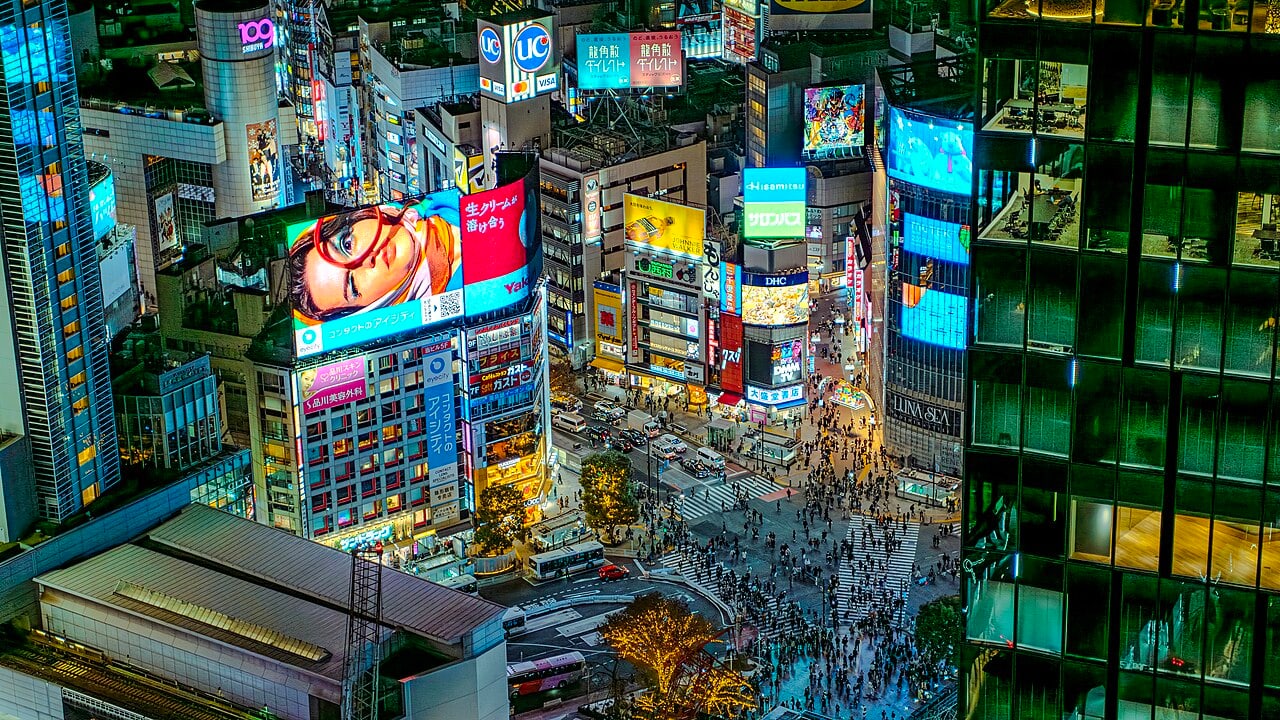
The worst thing to do on the first night is to drag your suitcase across the city for sightseeing. After arriving at Haneda or Narita, first handle your transit card, cash, SIM/eSIM, and hotel route. Drop your luggage near Shinjuku/Shibuya/Tokyo Station, then go to a convenience store for onigiri, fried chicken, hot tea, or beer, and on the way take in the Shibuya Crossing and night streetscape. This opening lets travelers understand Japan's cities as 'precise but not noisy': convenience stores, subways, queues, crowds, and illuminated signs all operate simultaneously.
Haneda is quicker to the city; Narita requires 60-90 minutes to reach downtown. On the first night, stay near a major subway station; don't cram Asakusa, Odaiba, Tokyo Tower, and Shibuya into the same evening.
Day 2 · Tokyo
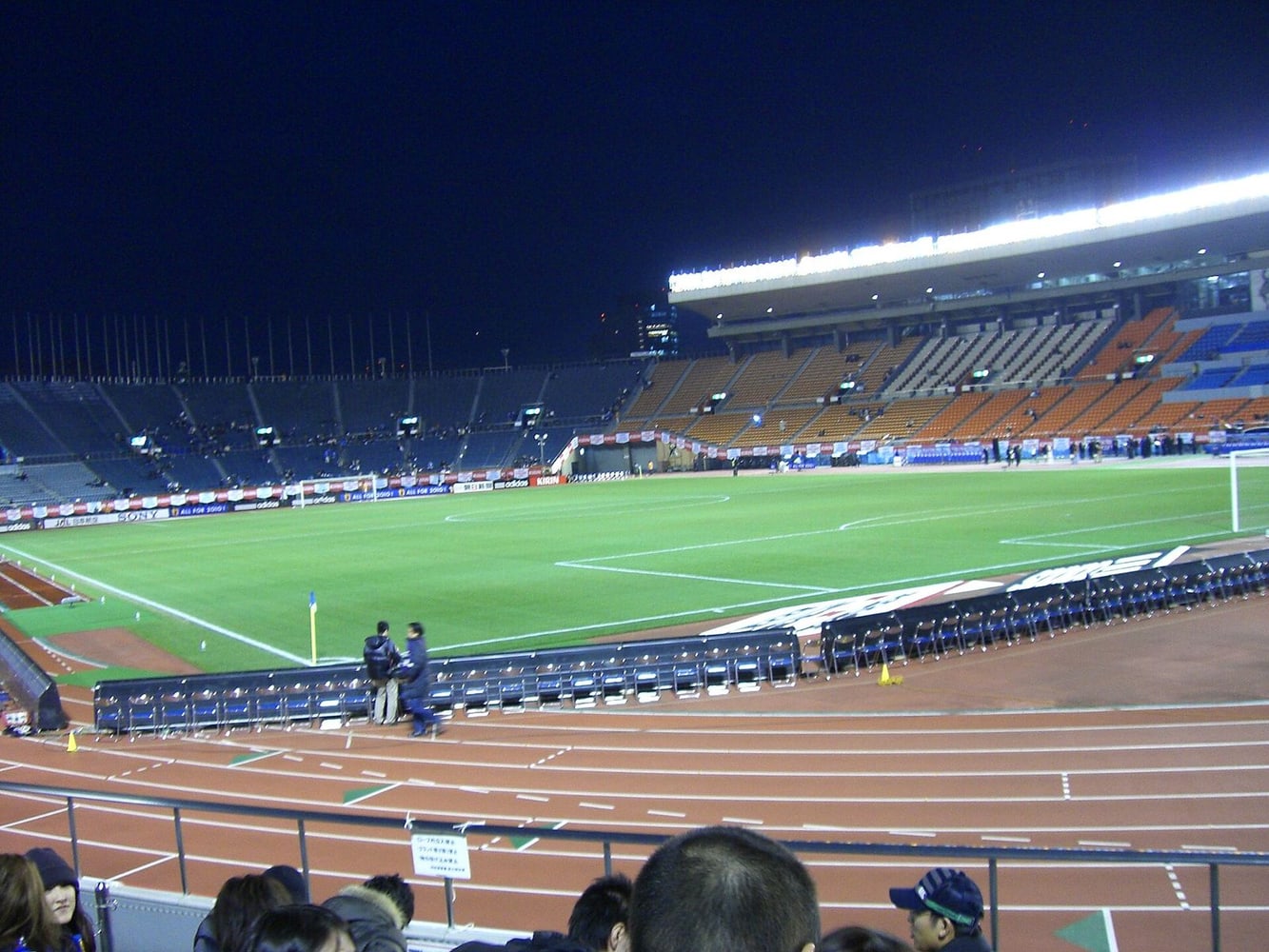
Tokyo Football Day: Japan National Stadium, J.League, and Match Night
Harajuku/Sendagaya → Japan National Stadium → Shibuya Match Night
The focus of Tokyo football day is not to run into stars by chance, but to see how order organizes passion. Japan National Stadium, Ajinomoto Stadium, Kawasaki Todoroki Athletics Stadium, or Nissan Stadium can all be entry points; convenience store supplies, fan queues, the rhythm of support zones, and the post-match subway are part of Japanese football culture. Shibuya on national team match night has energy, but true understanding of Japanese football often comes from an ordinary J.League match.
Check J.League/national team schedules in advance, confirm home/away stands, e-tickets, prohibited items, and egress routes. After the match, do not rush for the last train across cities.
Day 3 · Tokyo / Kyoto
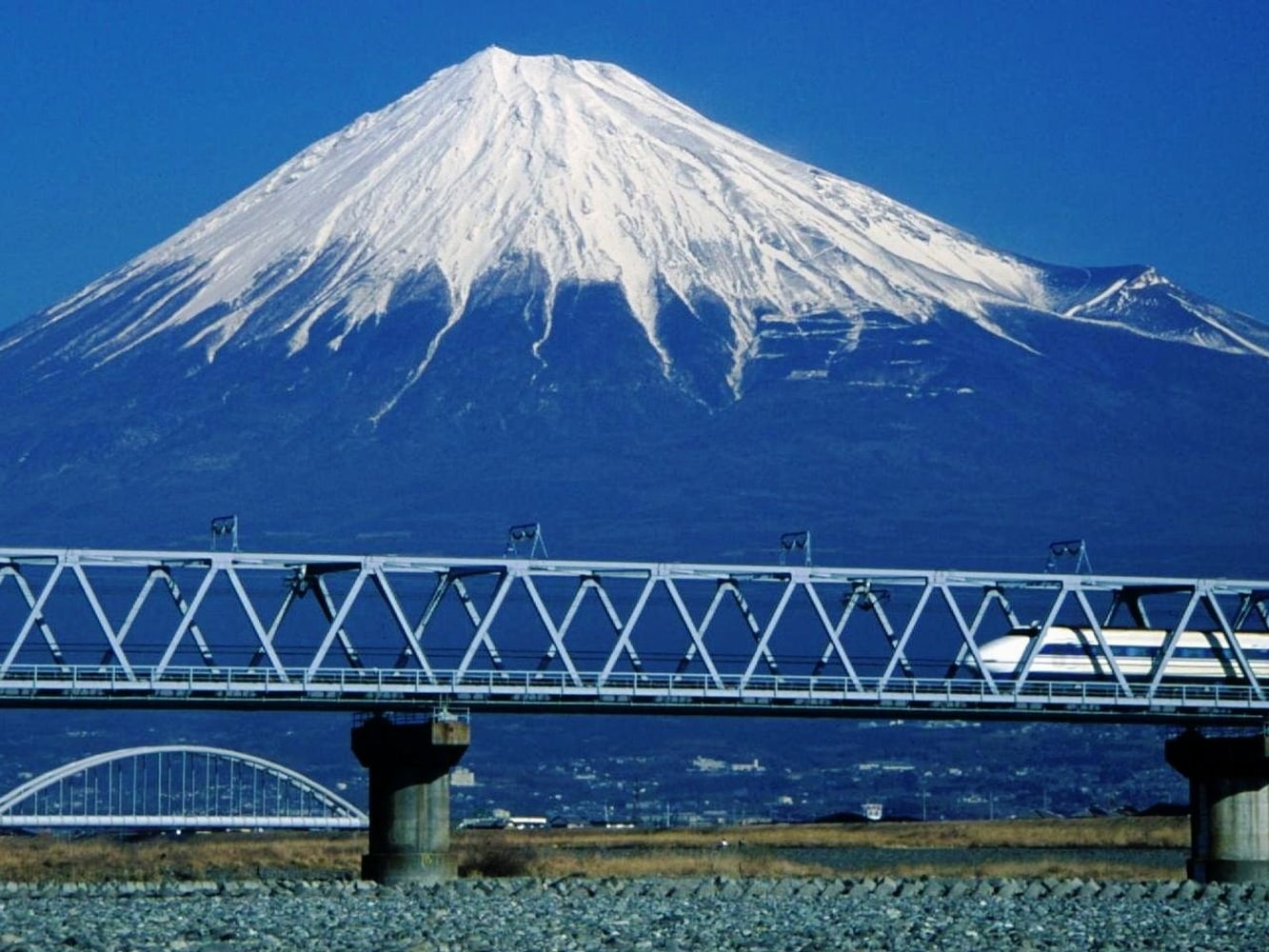
Tokyo to Kyoto: Treating the Shinkansen as Part of the Journey Itself
Tokyo Station → Shinkansen → Kyoto Station → Higashiyama
The Shinkansen is not a transportation gap, but a core experience of traveling in Japan. Buying tickets in advance, watching platform queues, purchasing ekiben (station bento), listening to the announcements, and occasionally catching glimpses of Mount Fuji from the window—these details feel more 'Japan' than squeezing one more temple in Kyoto. If you have large luggage, it's best to use takkyubin (luggage delivery) to send it to Kyoto or Osaka, and only take an overnight bag on the train; the experience will be completely different.
Tokyo–Kyoto is about 2 hours 15 minutes. Reserve reserved seats in peak season; for large luggage, confirm the oversized luggage rules or send it in advance.
Day 4 · Kyoto
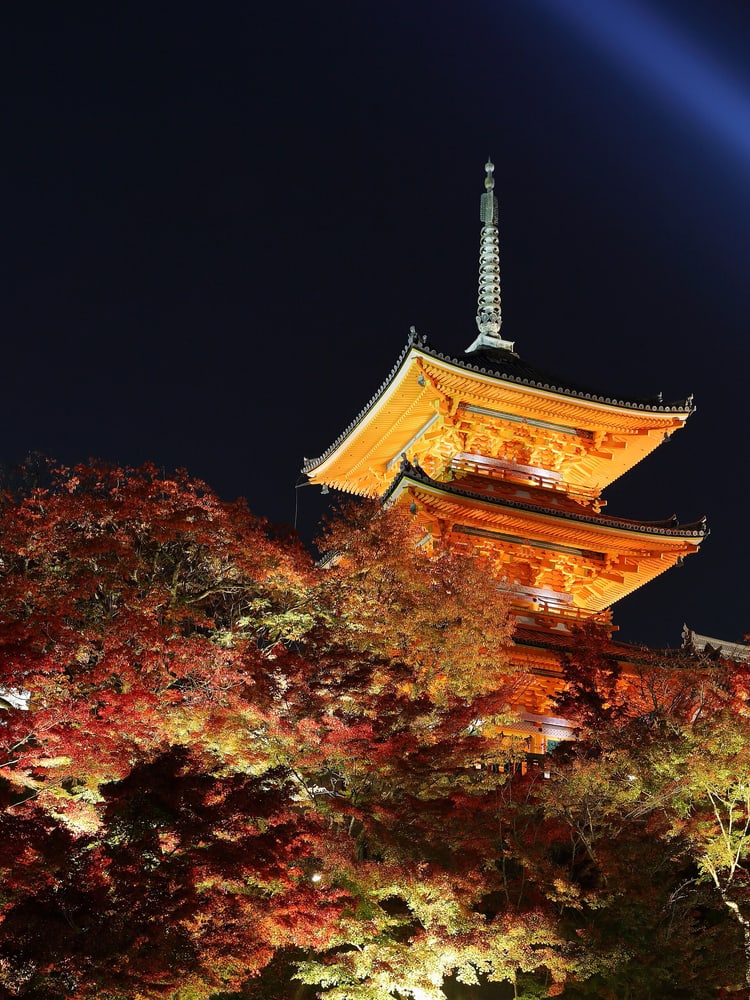
Kyoto: Early Morning Temples and Evening Kamogawa
Kiyomizu-dera → Gion → Kamogawa
The most professional way to enjoy Kyoto is to choose the right time. Visit Kiyomizu-dera, Ninenzaka, and Sannenzaka in the early morning, when the wooden houses, stone steps, and noren curtains are not yet overwhelmed by crowds; retreat to the hotel or a café at midday; and then stroll through Gion, Kamogawa, and Ponto-cho in the evening. Kyoto is not a theme park; its residential areas, private homes, geisha-related alleys, and small streets all have a sense of boundary.
Visit temples and shrines as early as possible; avoid dragging luggage onto buses; do not chase and photograph geisha, local residents, or the interiors of private homes.
Day 5 · Kyoto / Nara
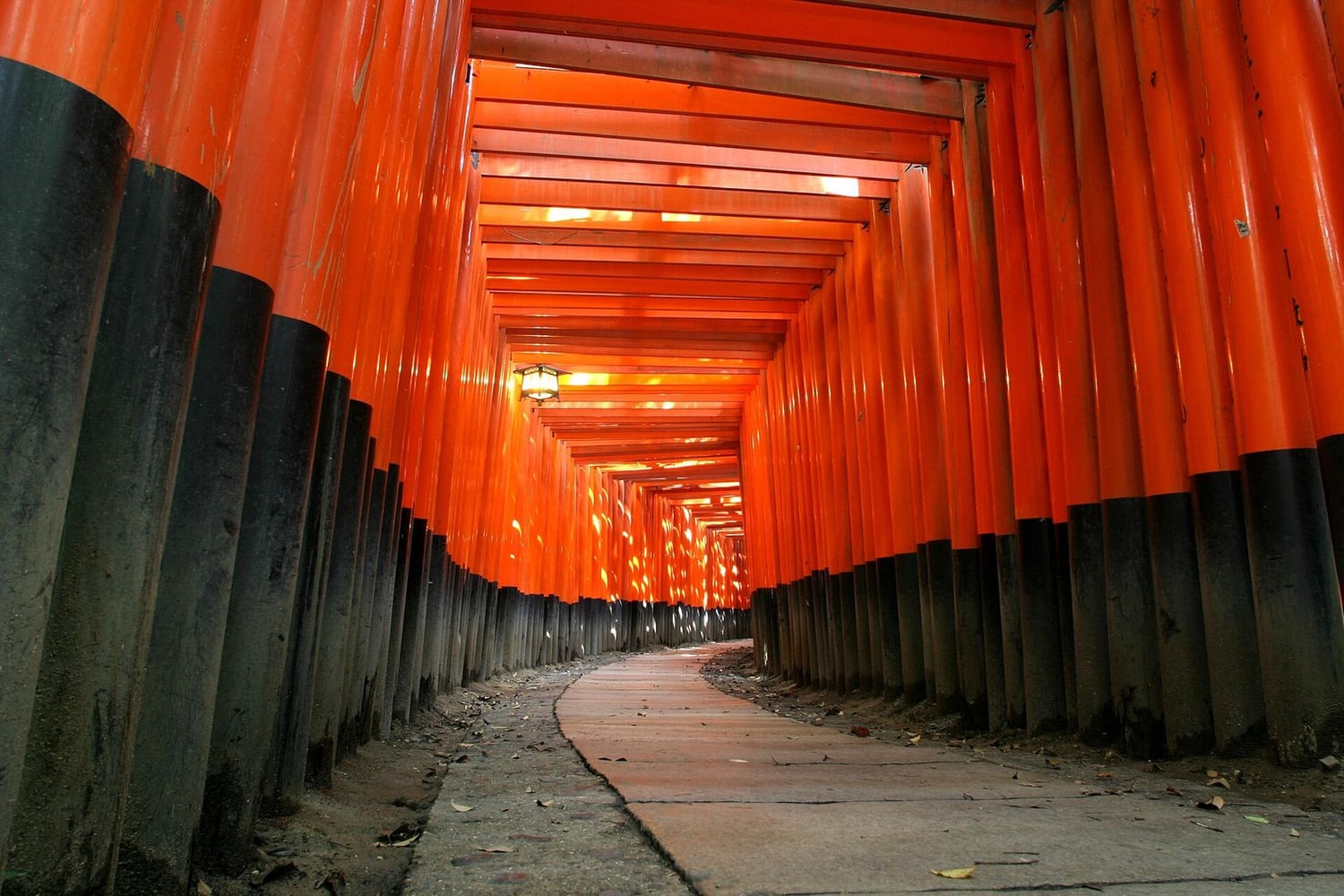
Fushimi Inari or Nara: Choose one slow side trip
Kyoto -> Fushimi Inari or Nara -> Kyoto
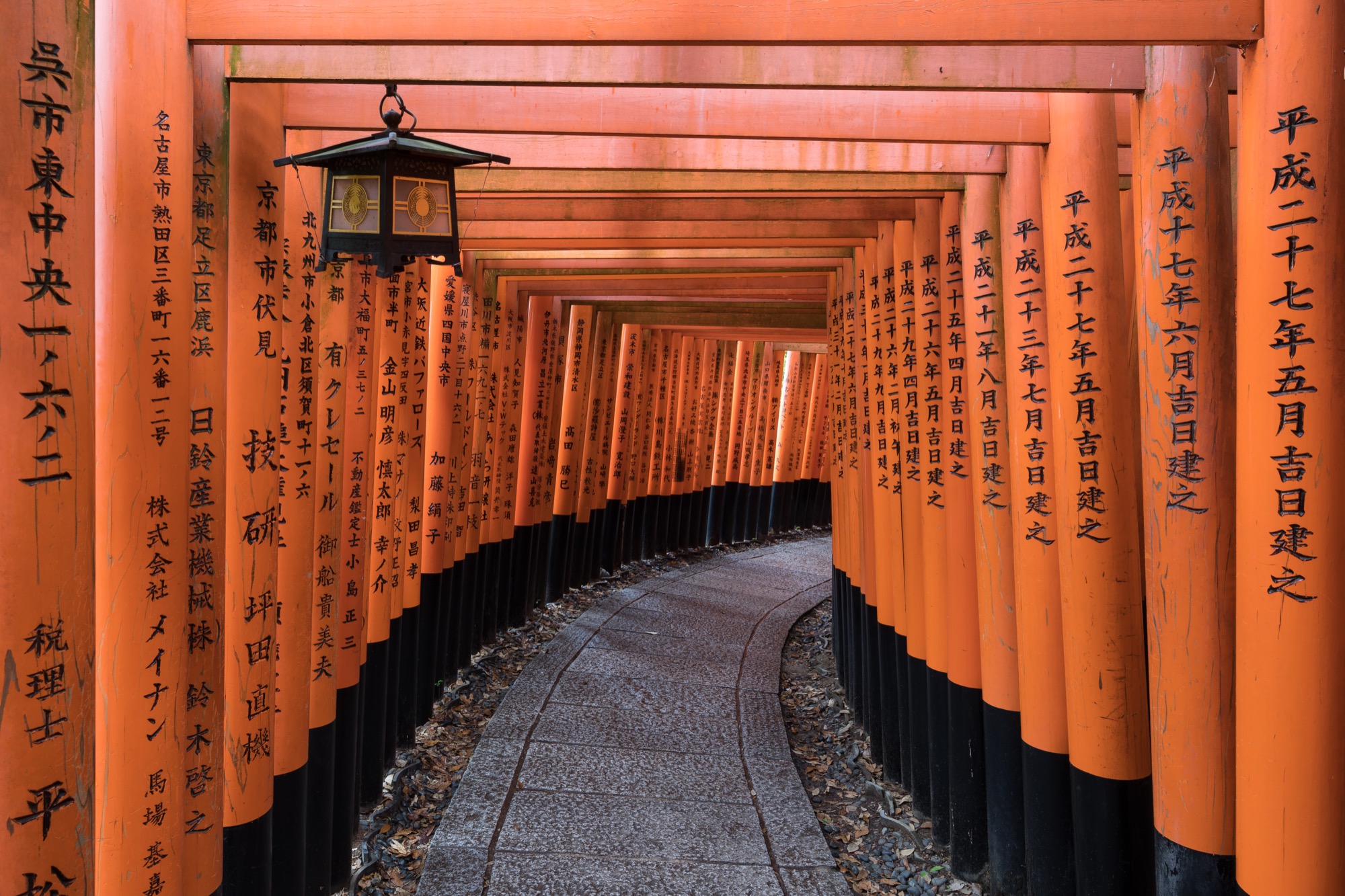
Resist the urge to do both on this day. Fushimi Inari is best for writing about the red torii gates, mountain paths, and the experience of fewer crowds the higher you go; Nara is for temples, deer, and a more relaxed streetscape. Both can be done as day trips, but for first-time visitors, choosing one and taking it slow leaves a stronger memory. If it rains, be conservative on Fushimi Inari's mountain trails, and in Nara pay attention to the rules for interacting with deer and tourists.
Fushimi Inari is better in the early morning or late afternoon; in Nara, follow the on-site rules when feeding deer. Do not cram Arashiyama, Fushimi Inari, and Nara into the same day.
Day 6 · Osaka
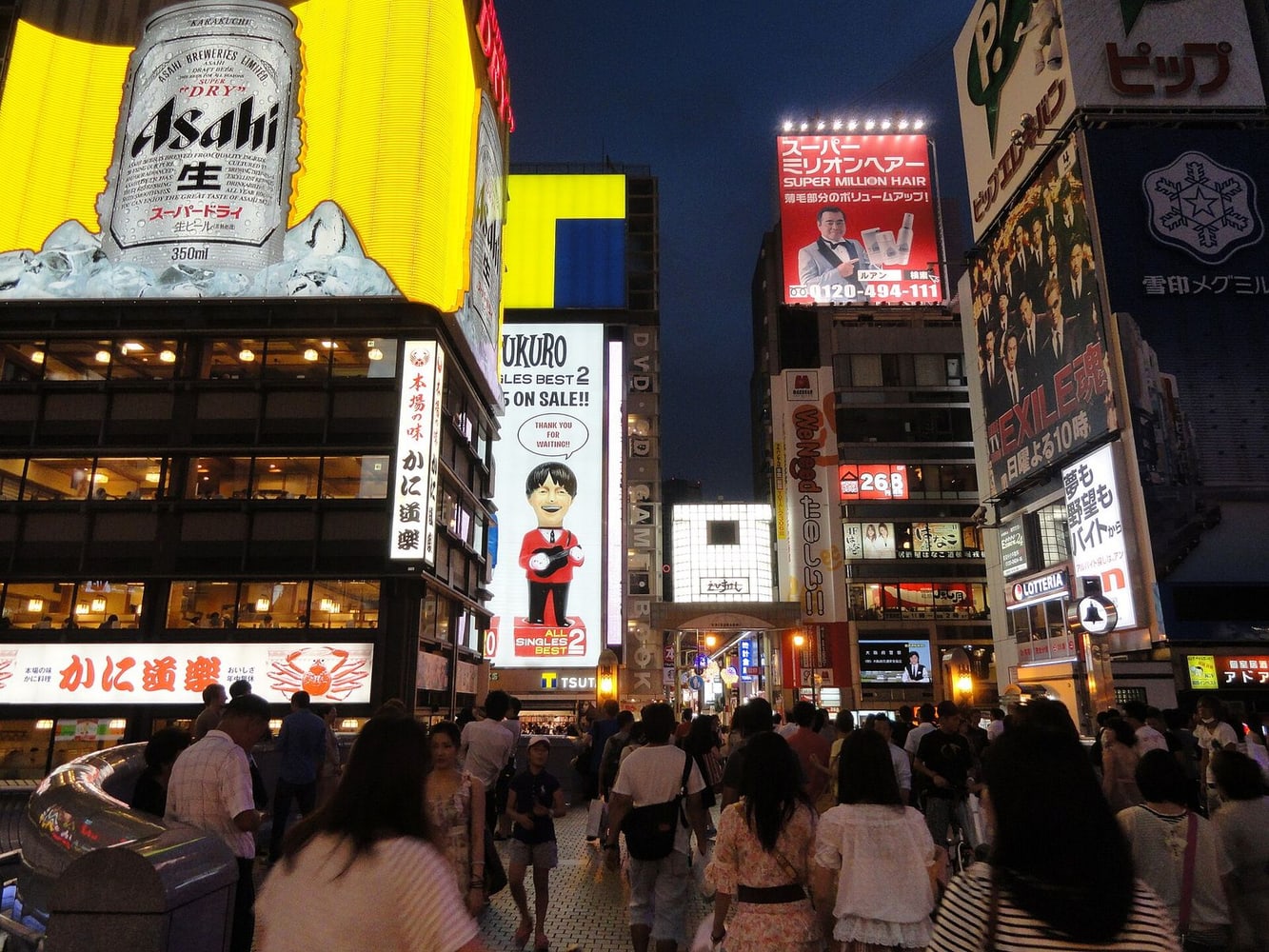
Osaka: Give the evening to Dotonbori and takoyaki
Kyoto -> Osaka -> Namba / Dotonbori
Osaka is where Japan pulls back from quiet temples and shrines to lively streets. Dotonbori, Namba, the underground shopping streets, takoyaki, okonomiyaki, and sports bars give the Kansai route a more direct appetite and nightlife. This section is better for writing about what to eat, what time to go, and how to get back to the hotel, rather than just listing place names. The beauty of Osaka is that the cost of failure is low: if you can't get into the famous restaurant, a small shop around the corner often serves great food.
Kyoto to Osaka is very close. If flying from KIX the next day, staying in Namba or Umeda is safer; crowds are heavy at night, so keep your passport and cash secure.
Day 7 · Fuji / Yokohama / Tokyo
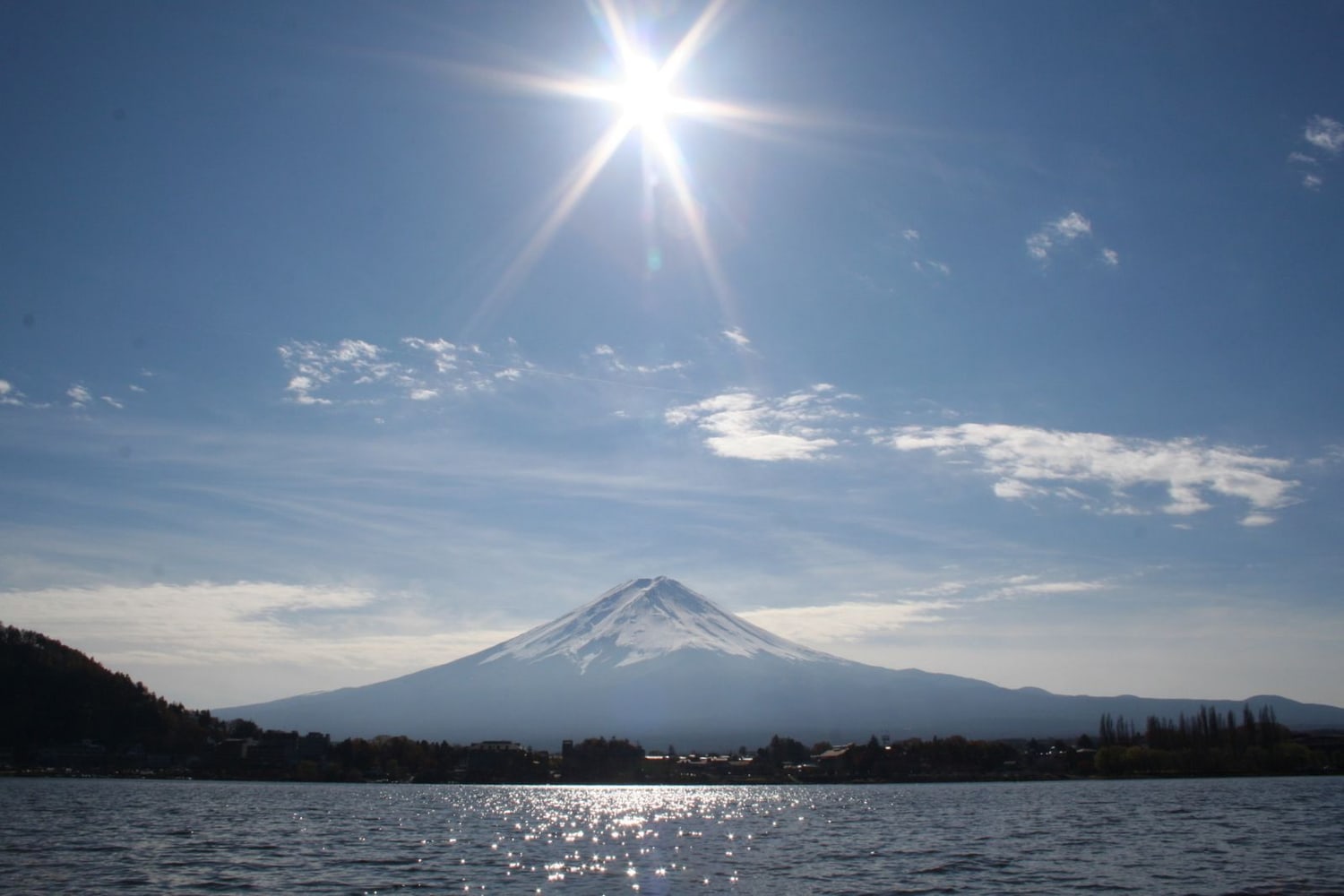
Mount Fuji, Yokohama, or Return: Wrap up according to the weather
Osaka/Kyoto → Greater Tokyo Area → Mount Fuji or Yokohama
On the last day, acknowledge that the weather can rewrite a Japan trip. Mount Fuji is only worth forcing if the weather is good; when the weather is average, Yokohama Port, Chinatown, Nissan Stadium, and last-minute shopping in Tokyo are safer bets. Memories of Wataru Endo, Yokohama, and the national team can be wrapped up here. A mature Japan itinerary is not about executing a checklist every day, but knowing when to give up one attraction for a smoother return journey.
Do not plan a long-distance adventure on your departure day. Check the weather, transportation, and luggage situation for a Mount Fuji day; Yokohama is more suitable as a low-risk finale.
🇯🇵 Japan Travelogue
Japan Travel: Walking Between Rain, Whistles, and the Blue Samurai
Read the narrative side of Japan: how arrival, football curiosity and local rhythm connect beyond a checklist.
The World Cup broadcast at Shibuya Crossing was where my trip through Japan truly began. At nine o'clock at night, the red lights flared on all four sides, holding pedestrians behind the crosswalks like water just short of boiling. On the screen above TSUTAYA, pre-match footage of Japan was playing, and blue jerseys surfaced across the crowd in small, sudden patches. A salaryman tucked his briefcase under one arm and bent toward his phone to send a voice message to a colleague: "If we win tonight, tomorrow's morning meeting should be canceled, right?" A high school student beside him burst out laughing, but no one really shouted. Japanese excitement often waits first in the throat; when the whistle blows, it becomes the inhalation of an entire street.
Before kickoff, I bought a skewer of oden at a convenience store. The daikon had soaked until nearly translucent, and the salty edge of kombu rose along the rim of the paper bowl. The clerk asked whether I wanted mustard; before I fully caught the question, a boy behind me in Japan's number 7 shirt answered for me: "Sukoshi." A little. He pointed at the screen and told me Kaoru Mitoma was from Kanagawa, then added that kids who came out of Kawasaki all carried the wind of riverside pitches in their feet. I followed his gesture toward the intersection, where taxis, umbrellas, supporter scarves, and convenience-store steam were all mixing together. In that moment, football was not sports news. It was a scent belonging to Tokyo after midnight.
Read the full Japan World Cup travel storyHandsome Photos of Local Famous Players
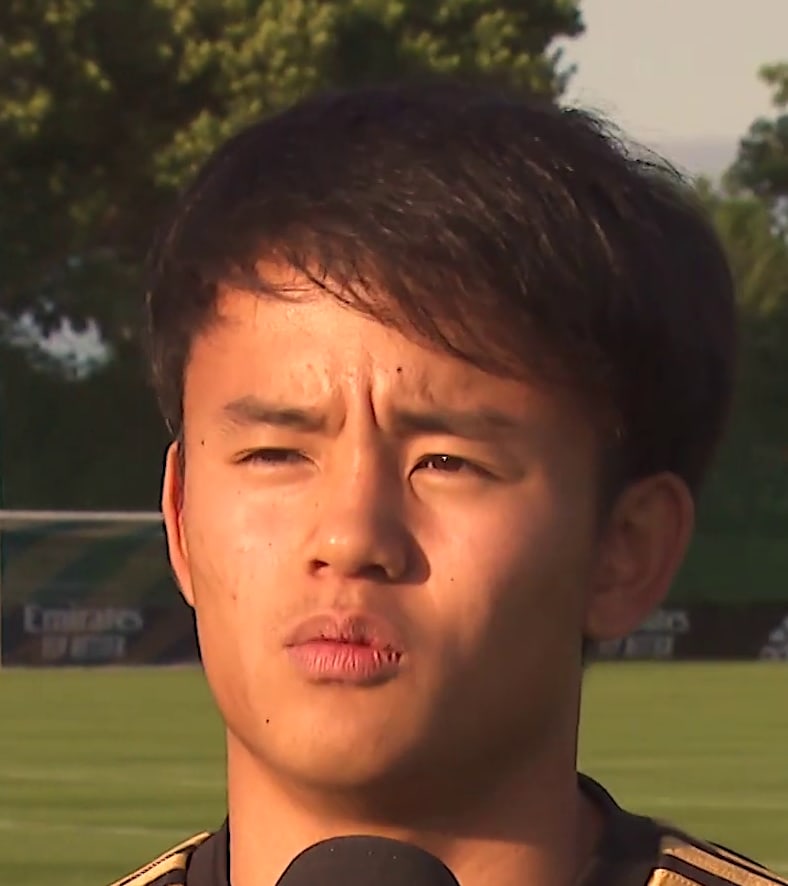
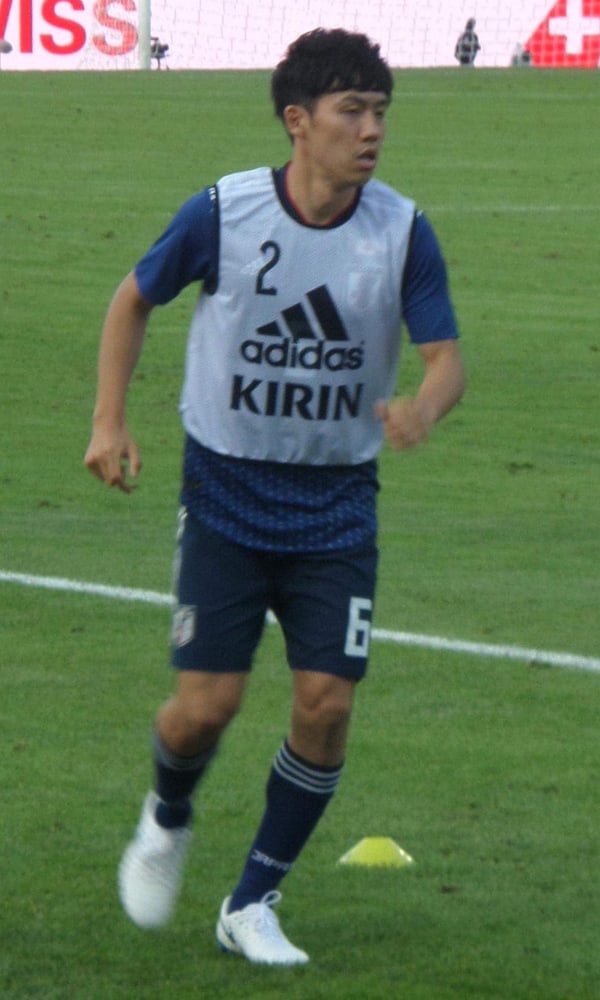
Japan players and football faces
Player context helps connect Blue Samurai with hometowns, clubs, diaspora stories and routes a traveler can actually follow.

Recommended Arrival Airport & Flight Budget
Japan airports and flight routes
Use this section to compare arrival airports, likely connections and where each route places you inside Japan. Flight prices are seasonal budget ranges; final prices depend on real-time searches.
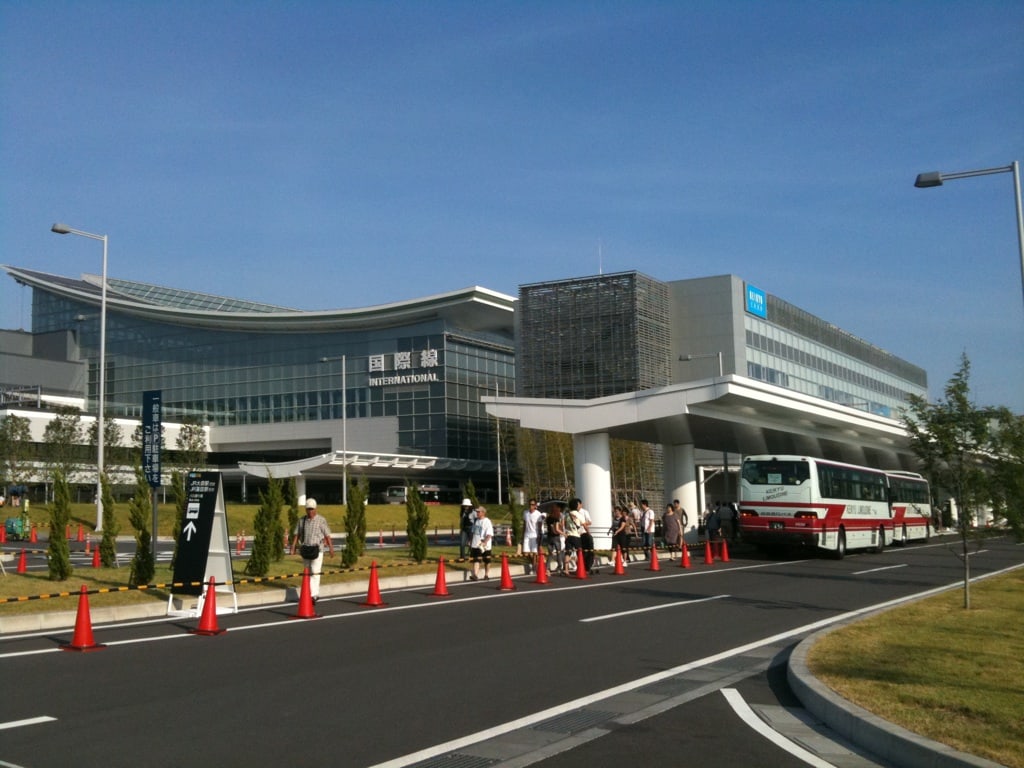
HND
Haneda Airport
The closest international airport to central Tokyo, suitable for Tokyo, Yokohama, and same-day domestic transfers.
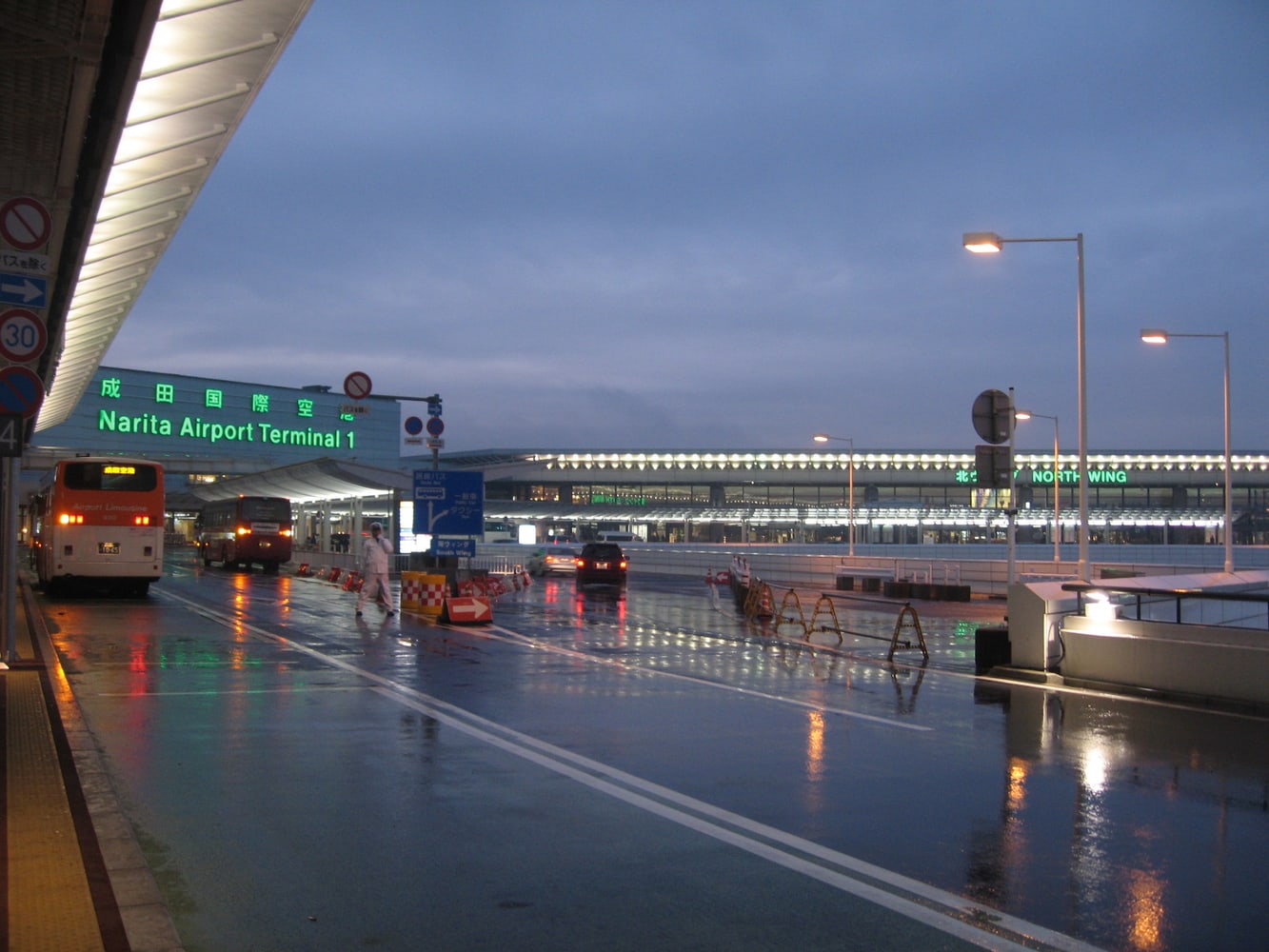
NRT
Narita International Airport
Tokyo's international flights offer many options, travel time to the city is longer than Haneda, suitable for budget airlines and international transits.
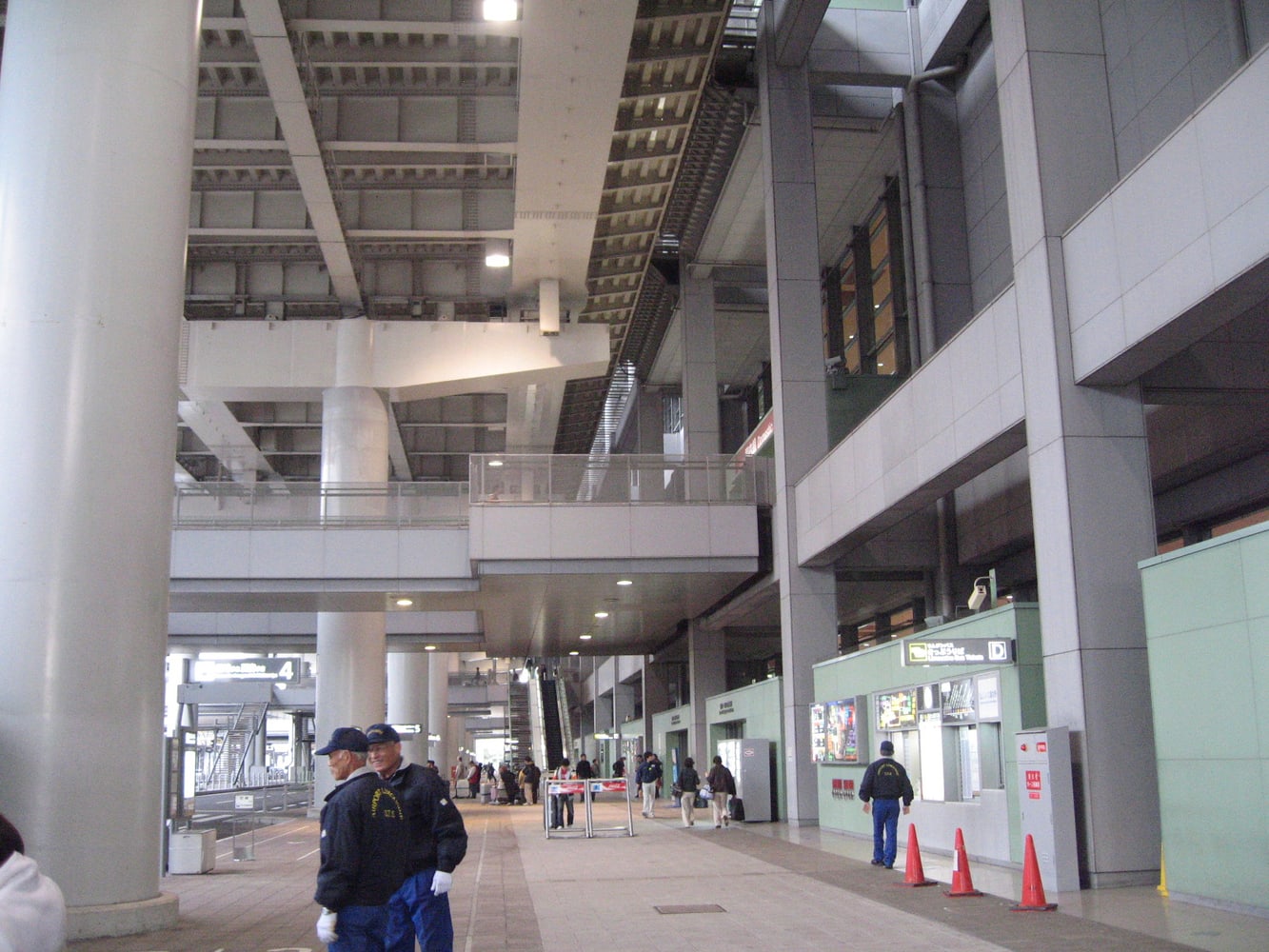
KIX
Kansai International Airport
The gateway to Kansai, ideal for routes covering Osaka, Kyoto, Nara, and Kobe.
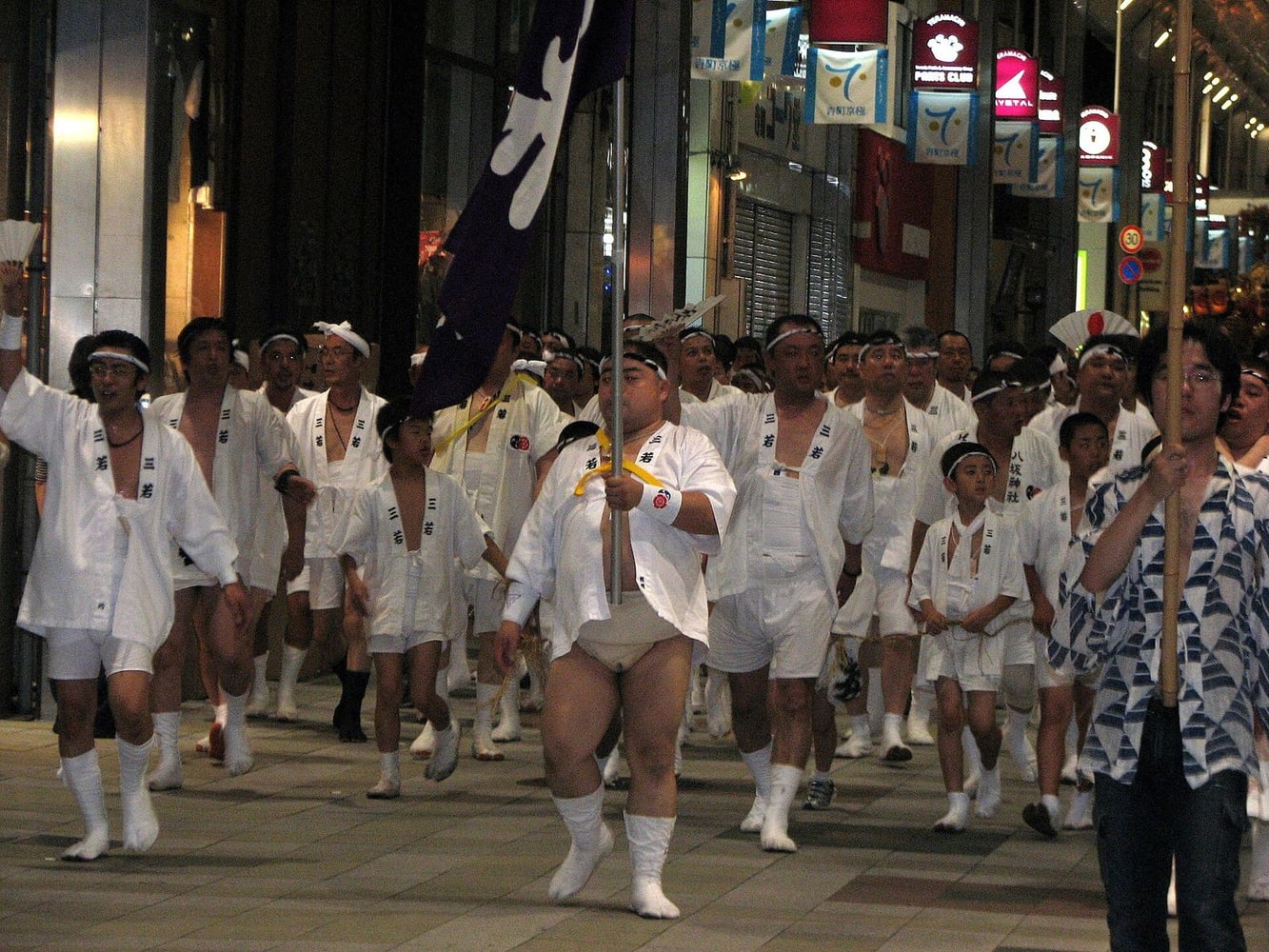
Local Customs
- The underlying logic of Japanese etiquette is "don't outsource your trouble to others." Avoid phone calls on trains, take garbage back to your hotel, wash your body before entering a hot spring, line up at the end of a queue, and don't suddenly stop for a selfie on a narrow street. Tourists don't need to stress about theatrical bowing, but observe the scene's rhythm: if others are quiet, you be quiet; if others put away their umbrella, you do the same.
- Restaurant experiences should respect the establishment's system. Ramen shops often require buying a ticket from a vending machine first; izakaya may have a seat charge; sushi restaurants may strictly adhere to reservation times; small shops may not accept separate payments. If you see a queue at the entrance, first check if you need to write your name, take a number, or stand in formation—don't just poke your head in the kitchen. For allergies, vegetarian, halal, or other dietary needs, prepare a Japanese explanation in advance, because "remove onion/garlic/broth/soy sauce" is not always feasible on the spot at small Japanese restaurants.
- On match days, don't just use Shibuya as a celebration backdrop. Japanese stadiums have clear home/away stands, supporter sections, flag size restrictions, allowed food items, garbage sorting, and exit routes. Follow local fans in buying tickets, entering, singing, and leaving—the experience will be more natural than imitating on the fly. Before taking photos of people, children, or supporter groups, assess whether it's appropriate; especially don't shove your lens in someone's face on a crowded train or in a fan queue.
Japan Local Transportation?
The key to transportation in Japan is not "buy a pass" but to layer the routes: use Suica/PASMO/ICOCA IC cards or mobile wallets for city transport, buy individual Shinkansen tickets for Tokyo-Kyoto/Osaka, and use regular JR/private railways between Kyoto/Osaka. Everyone needs their own IC card because fares are calculated individually per entry/exit. If you have a lot of luggage, use takkyubin to send it from Tokyo to Kyoto/Osaka in advance; it's much more comfortable than dragging suitcases on crowded trains. Google Maps works well, but transfer stations are huge; allow 10-15 minutes to find the platform. Kyoto buses are crowded in peak season; leaving early in the morning and returning at night is less stressful than crossing the scenic area at noon. Taxis are clean but expensive; use them only late at night, in rain, with large luggage, or with elderly/children.
Japan Flight Route Reference?
For first-time Japan, the most useful thing is not the answer 'how many days in Tokyo, how many days in Kyoto', but to resolve the friction points of each day in advance: don't force sightseeing on arrival day; on Tokyo match days, allow time for the end of the match and the last train; on Shinkansen days, handle luggage; in Kyoto, use early morning/evening instead of midday; in Osaka, allocate for food and nightlife; Mount Fuji/Yokohama can only be flexibly chosen based on weather and flights. The Blue Samurai thread enters through Japan National Stadium, J.League, Kawasaki, Yokohama, and Saitama, then uses players like Kaoru Mitoma, Takefusa Kubo, and Wataru Endo to pull European attention back to Japan's domestic football ecosystem. Arriving in Tokyo: A Soft Landing via Shibuya and Convenience Stores HND / NRT → Shinjuku/Shibuya → Convenience Store Dinner Haneda is quicker to the city; Narita requires 60-90 minutes to reach downtown. On the first night, stay near a major subway station; don't cram Asakusa, Odaiba, Tokyo Tower, and Shibuya into the same evening. Tokyo Football Day: Japan National Stadium, J.League, and Match Night Harajuku/Sendagaya → Japan National Stadium → Shibuya Match Night Check J.League/national team schedules in advance, confirm home/away stands, e-tickets, prohibited items, and egress routes. After the match, do not rush for the last train across cities. Tokyo to Kyoto: Treating the Shinkansen as Part of the Journey Itself Tokyo Station → Shinkansen → Kyoto Station → Higashiyama Tokyo–Kyoto is about 2 hours 15 minutes. Reserve reserved seats in peak season; for large luggage, confirm the oversized luggage rules or send it in advance.
Recommended Hotels near the Airport
Where to stay in Japan
Hotel choices are grouped by route logic, airport access, neighborhood feel and match-day convenience.
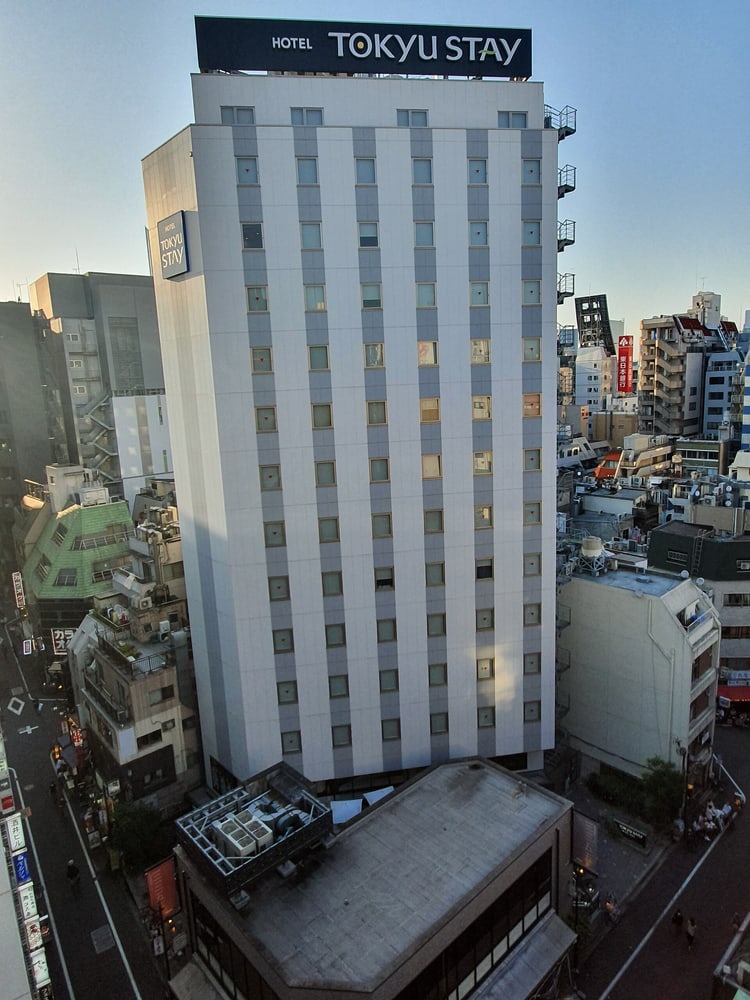
Tokyu Stay Shinjuku
Price Range: $120-$260/night
Great for first-time Tokyo stays: Shinjuku Sanchome has convenient metro access, easy late-night dining, and avoids the core noise of Kabukicho. The highlight isn't luxury but the in-room washer/microwave, ideal for packing before Tokyo-Kyoto. Downsides: rooms are small, opening two suitcases requires taking turns, and book early for weekends or cherry blossom/autumn leaf seasons.
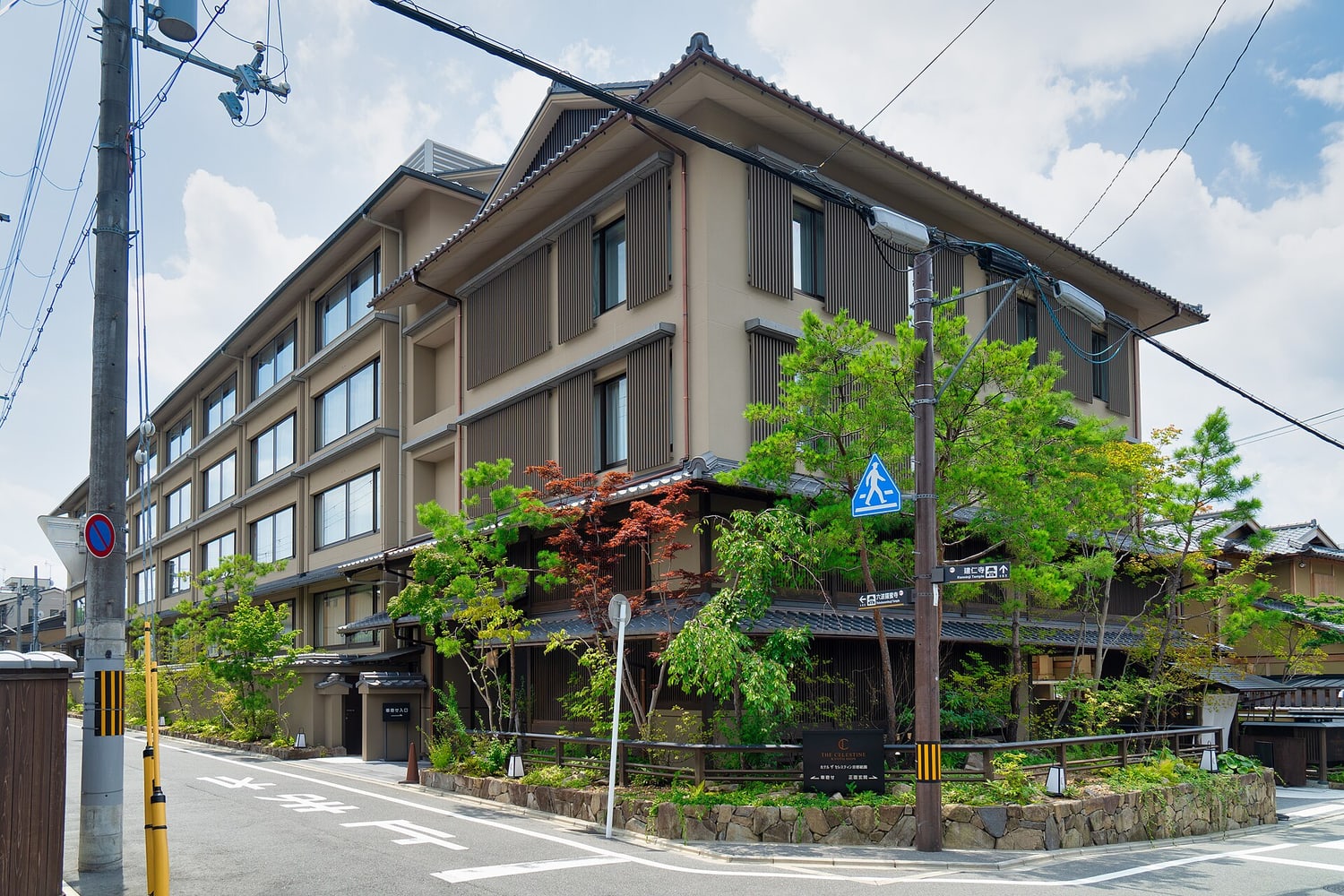
Hotel The Celestine Kyoto Gion
Price Range: $180-$420/night
Ideal for those who want to experience Kyoto at ‘dawn and dusk.’ Located near Higashiyama, Gion, Kenninji Temple, and the Kamo River; morning walks to temples beat midday bus crowds. The hotel has a quiet atmosphere, suitable for two or more nights. If you plan to visit Arashiyama, Fushimi Inari, and Osaka every day, Shijo or Kyoto Station might be more convenient.
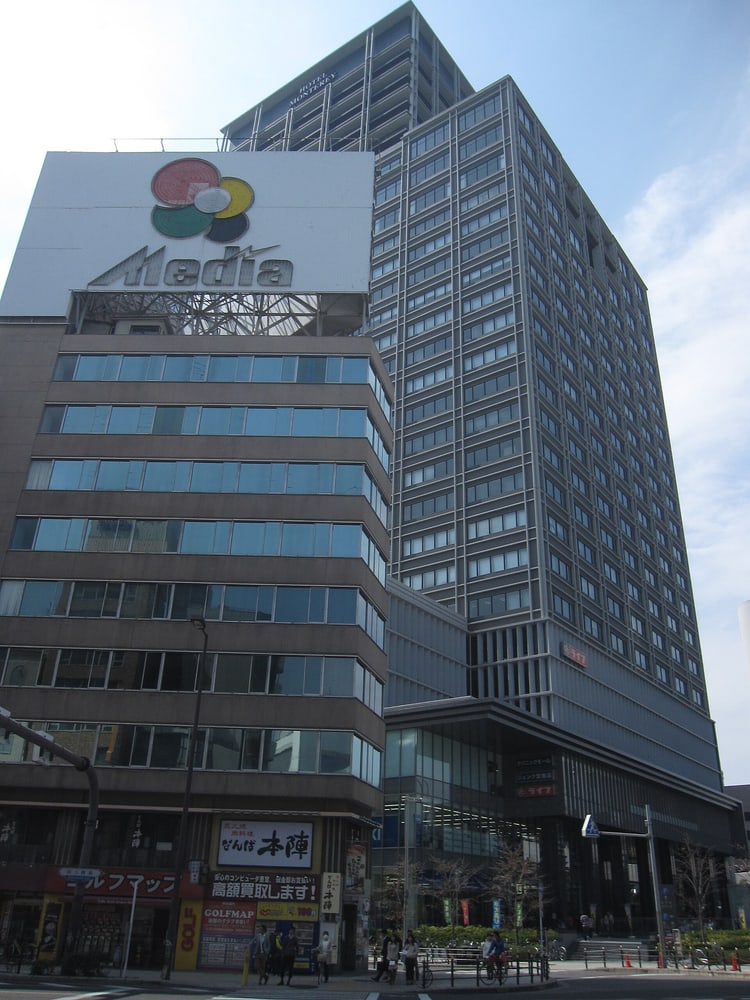
Hotel Monterey Grasmere Osaka
Price Range: $100-$240/night
A transit-friendly hotel above Namba, perfect for late-night Dotonbori eats, Kansai Airport access, and day trips to Kyoto/Nara. Its value lies in avoiding too many late-night transfers. Note that Osaka room rates fluctuate on weekends, during concerts, and Japanese holidays; if traveling with large luggage, confirm the elevator route from the station to the hotel.
Local Cuisine & Restaurants
What to eat in Japan
Food notes focus on local dishes, realistic restaurant types, prices and the easiest first meals after arrival.
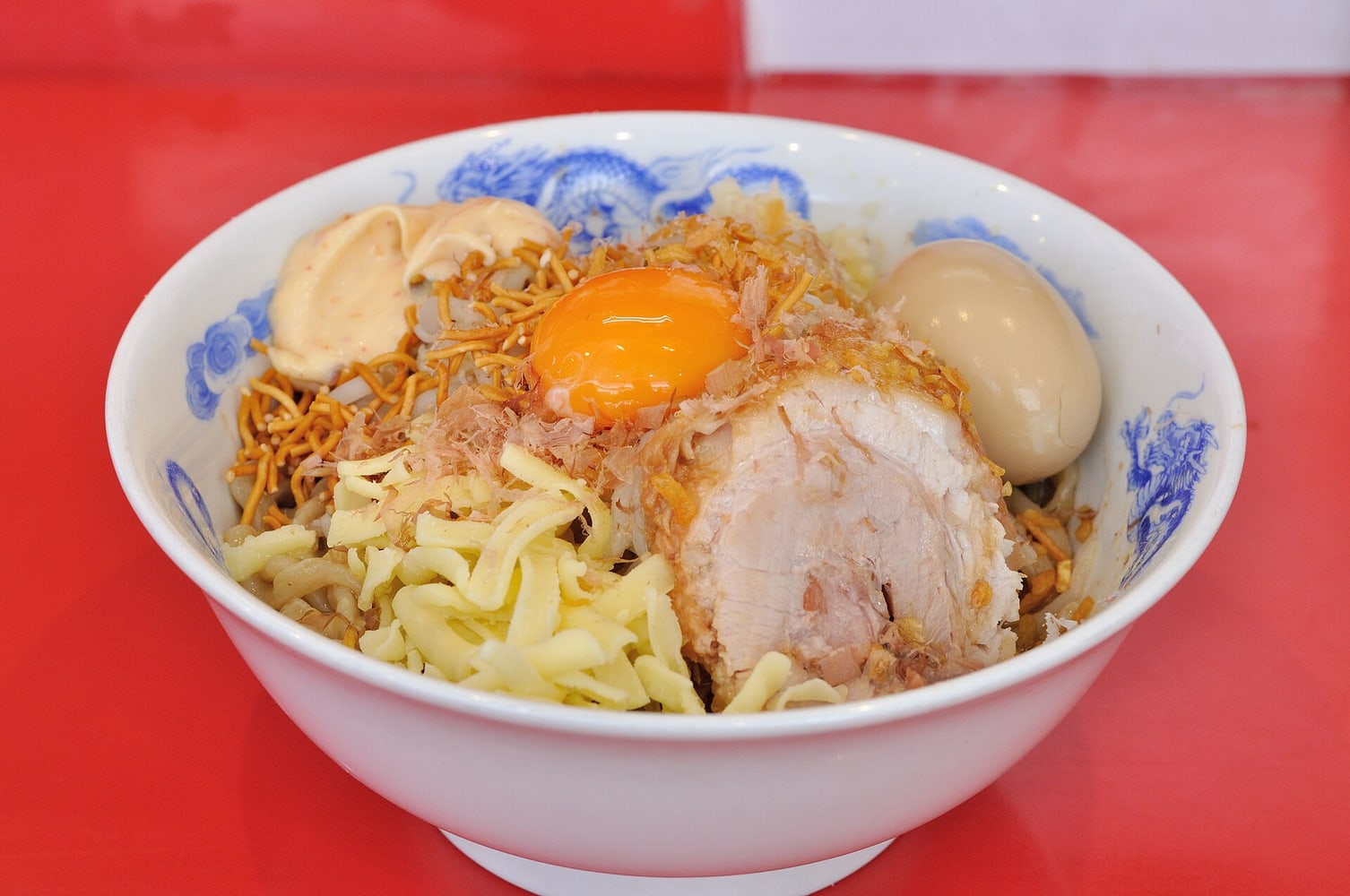
Ramen
Ramen is the most reliable 'low-friction dinner' in Japan travel: buy a ticket, queue, sit, eat, leave—perfect for match nights or after arriving on the Shinkansen. A truly useful tip is not to obsess over trendy shops—local shops just two or three stations away often offer better experiences. Tonkotsu, shoyu, shio, and miso are very different; ordering the shop's specialty on your first visit is a safe bet.
Recommended Restaurants: Ichiran, Afuri, Rokurinsha, local ramen shops; if the line is too long, switch to a small shop with stable ratings in the same neighborhood
Budget: JPY 900-1,800
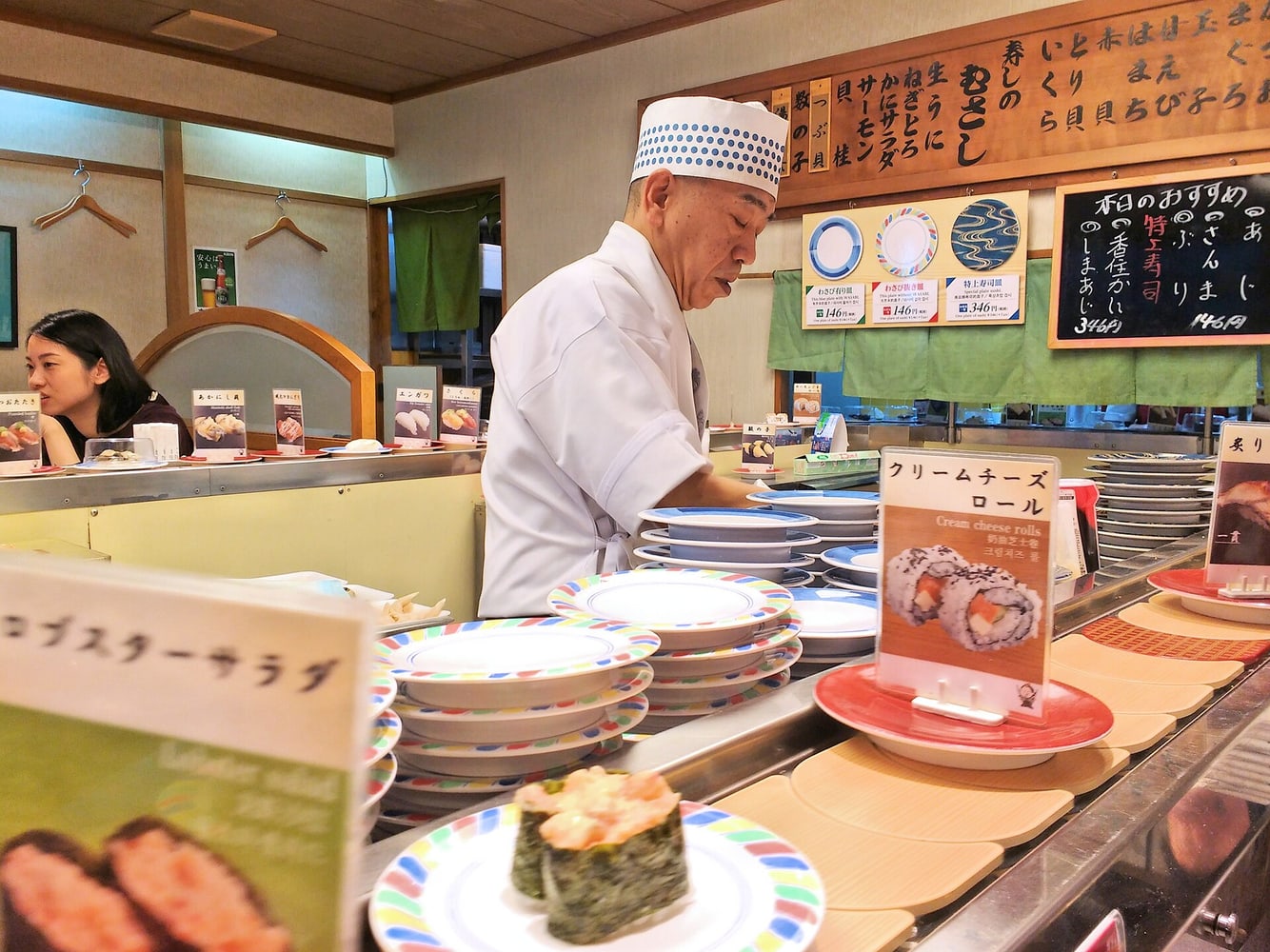
Sushi / Izakaya (Sushi / Izakaya)
For sushi, budget by tier: kaiten-zushi is casual and easy, standing sushi works for solo quick bites, and reservation-only sushi bars demand punctuality and good manners. Izakaya are great for a second round after a match, but watch out for seat charges, minimum orders, and smoking rules. If you don’t speak Japanese, pick places with picture menus or ask your hotel concierge; ordering smaller rounds is safer than one big order.
Recommended Restaurants: Sushiro, Nemuragohan, local standing sushi bars, izakaya recommended by hotel concierge
Budget: JPY 1,500-8,000+
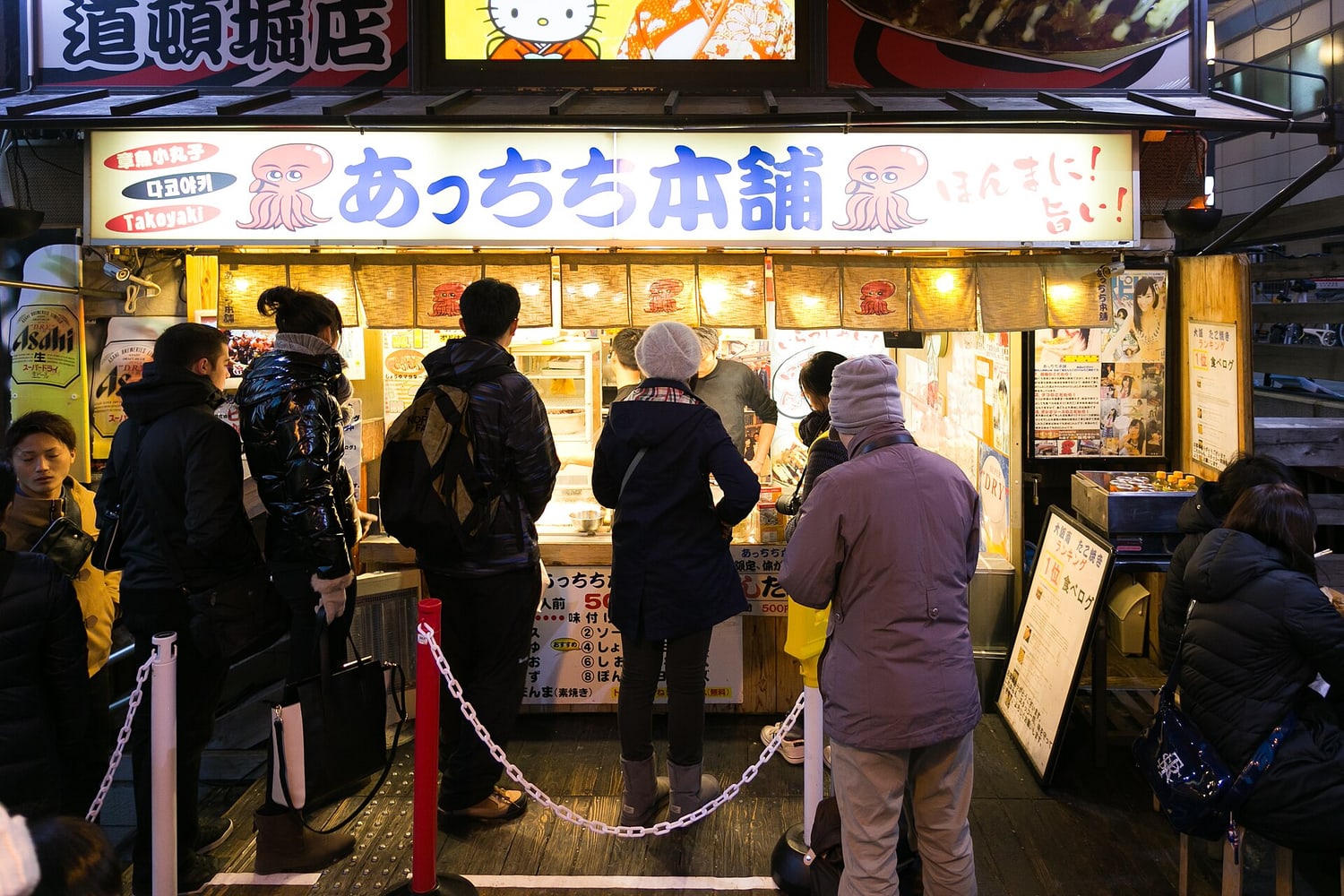
Takoyaki / Okonomiyaki (Takoyaki / Okonomiyaki)
Osaka street food fits perfectly into an evening itinerary: grab takoyaki after photos at Dotonbori, or sit down for okonomiyaki and beer. Takoyaki is scorching hot right off the grill—don’t try to eat it while weaving through crowds. Some okonomiyaki places let you cook it yourself, others have staff do it; check the store’s rhythm first. On match nights, look for shops around Namba or Umeda rather than crossing town for a famous spot.
Recommended Restaurants: Dotonbori street stalls, Mizuno, okonomiyaki restaurants in Sennichimae / Namba
Budget: JPY 600-2,500
Japan Local Cuisine & Restaurants?
Ramen Ramen is the most reliable 'low-friction dinner' in Japan travel: buy a ticket, queue, sit, eat, leave—perfect for match nights or after arriving on the Shinkansen. A truly useful tip is not to obsess over trendy shops—local shops just two or three stations away often offer better experiences. Tonkotsu, shoyu, shio, and miso are very different; ordering the shop's specialty on your first visit is a safe bet. Ichiran, Afuri, Rokurinsha, local ramen shops; if the line is too long, switch to a small shop with stable ratings in the same neighborhood JPY 900-1,800
Nightlife, Shows & Entertainment Venues
Japan after dark and local nights
Evening ideas link music, waterfronts, markets and football screens without forcing every night into a match plan.
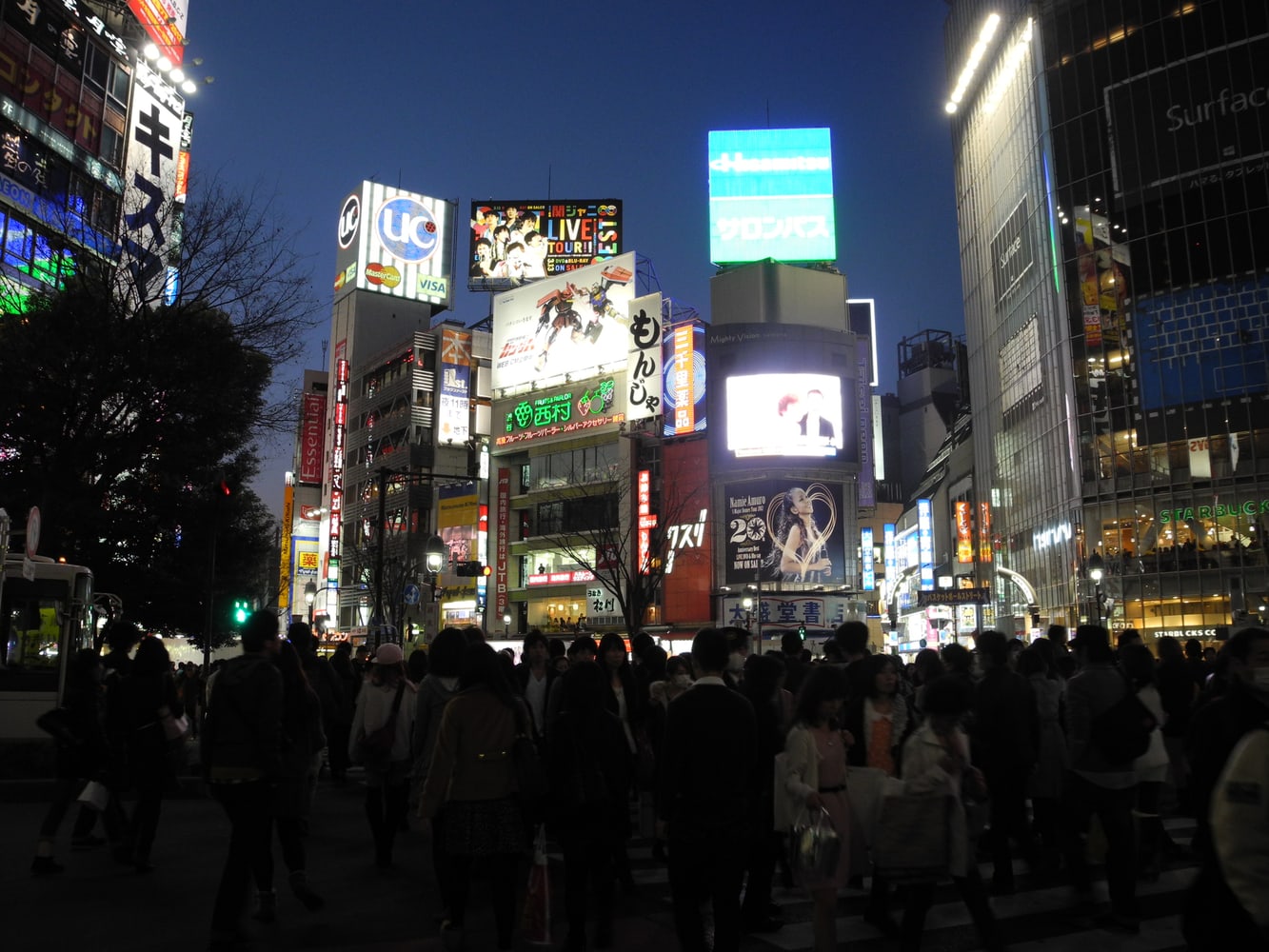
Match Night in Shibuya
Shibuya captures the urban energy of Japan national team match nights, but the real risks need to be stated: post-game crowds, police traffic control, restrictions on lingering at the intersection, and last-train pressure. It’s best to watch the match first at a bar or hotel, then walk to the crossing to soak in the atmosphere. Don’t bring luggage, and don’t stand by traffic for a long livestream.
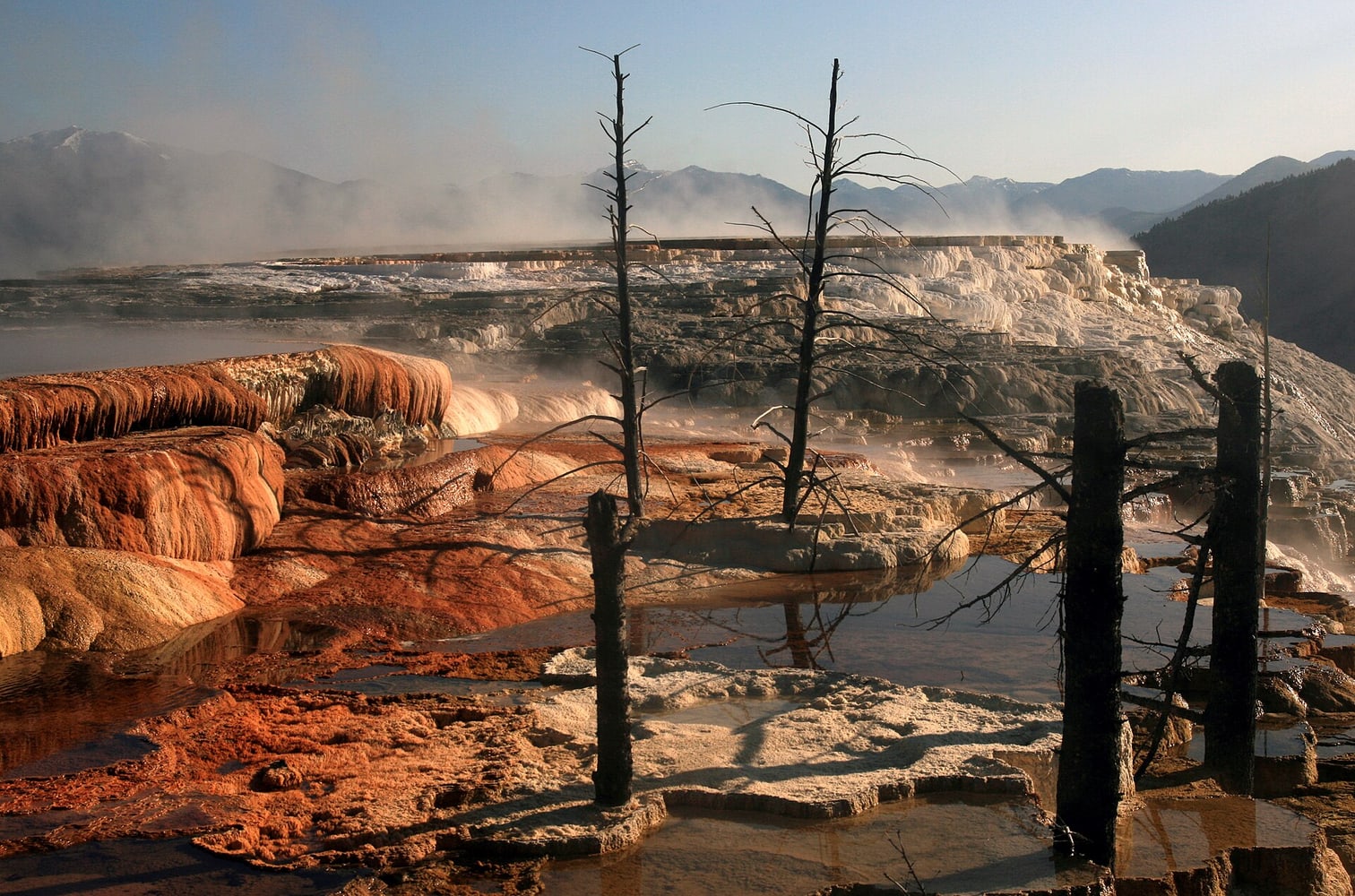
Evening Stroll in Kyoto
The key to Kyoto isn’t rushing through temples and shrines—it’s choosing the right time. Kiyomizudera, Ninenzaka, Sannenzaka, Gion, and the Kamo River look best in the early morning or evening; midday crowds make it better to rest at the hotel or a café. When photographing streets, avoid shooting into private homes, and never chase geisha or local residents for photos.
Onsen / Sento (Onsen / Sento)
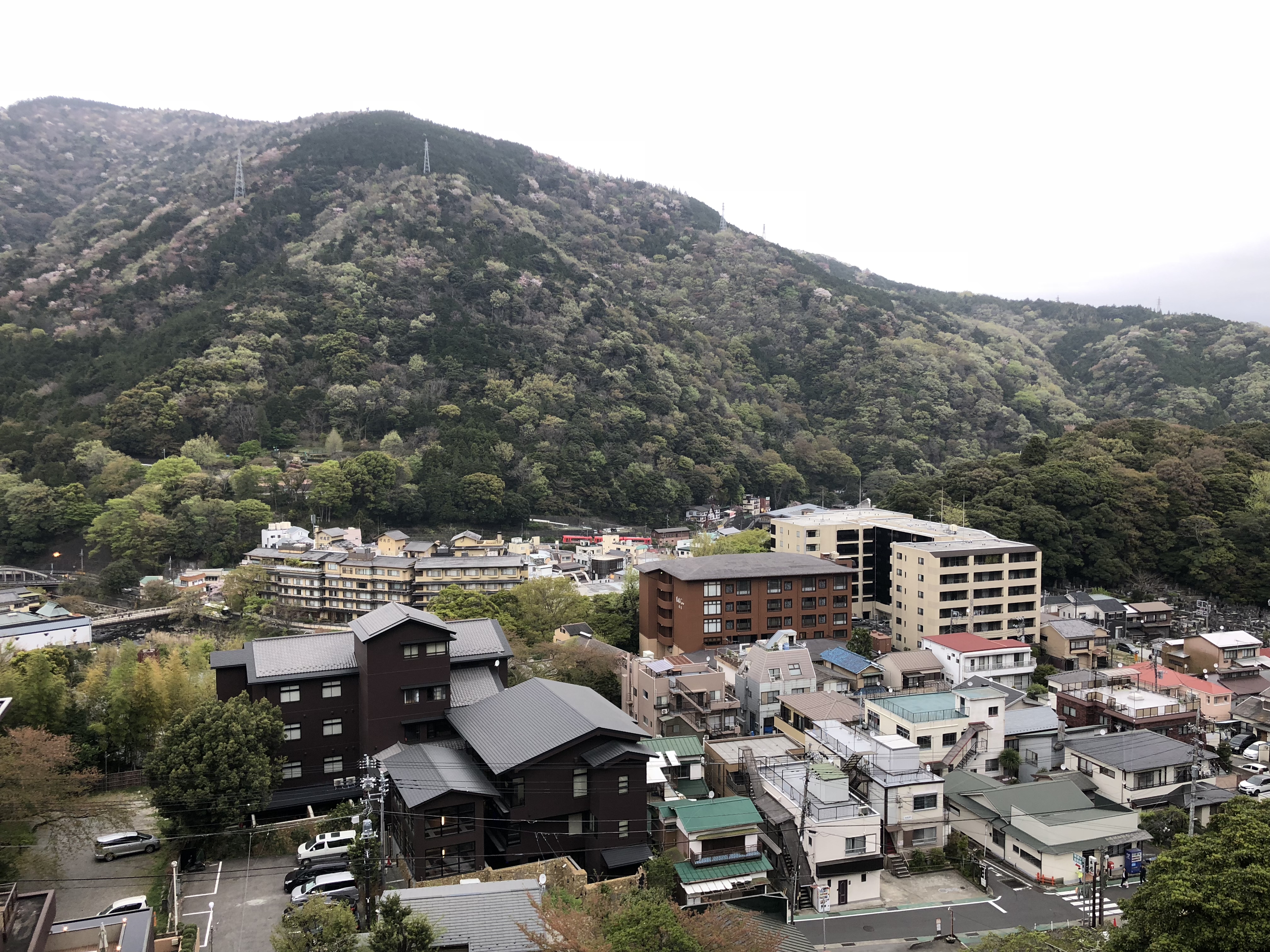
Onsen and sento are a great introduction to Japanese order: take off shoes first, then clothes, wash your body, keep hair out of the bath, and don’t put towels in the water. Tattoo policies still vary by place—check for “tattoo friendly” listings in advance or get cover stickers. For a first experience, choose a hotel’s large bath or a city sento; the rules are less intimidating than a remote mountain ryokan.
Domestic football clubs
Japan football clubs and match culture
Club context adds the local football layer behind Blue Samurai, from stadium neighborhoods to supporter routines. The Japan club section should pull the European star label back to the domestic scene: the Tokyo area, Kawasaki, Yokohama, Saitama, and Osaka/Kansai together form a real map that Japanese football travelers can actually follow. The focus is not 'how strong the club is', but how to get there by transport, how to buy tickets on match days, what the support zone rules are, and how these clubs connect youth development, community, and the national team.
Kawasaki
Kawasaki Frontale
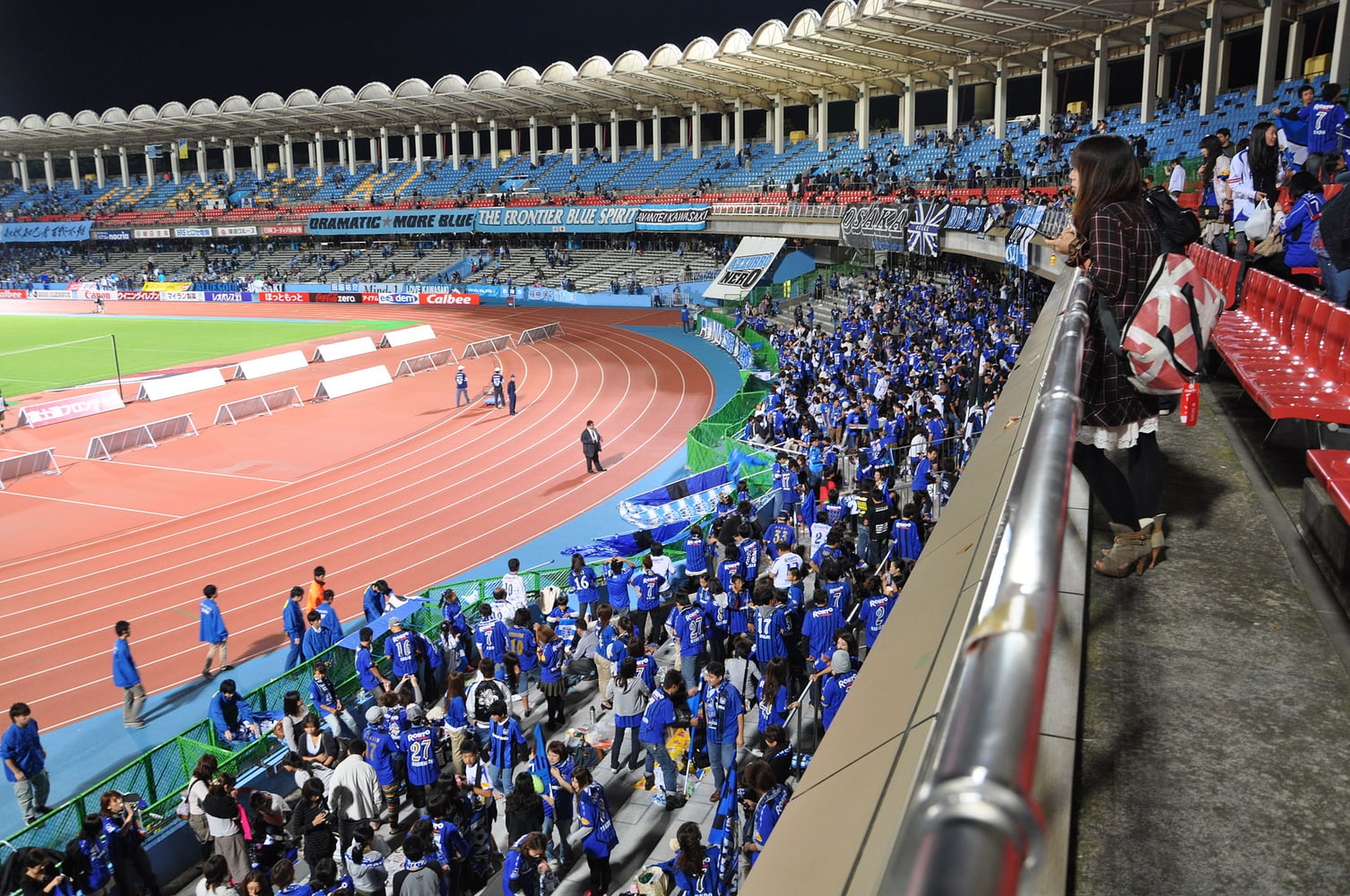
Kawasaki Frontale is an important entry point into the path taken by modern Japanese players such as Kaoru Mitoma and Hidemasa Morita. A day trip from Tokyo to Todoroki Athletics Stadium is entirely feasible, offering a look at the community feel, family-oriented spectators, and technical football of Japanese clubs. Tourists should confirm the home and away supporter sections in advance, and avoid wearing the wrong colors into the cheering zones; returning to Tokyo after the match is more reliable than crossing the city for a second nightlife event.
Yokohama
Yokohama F. Marinos
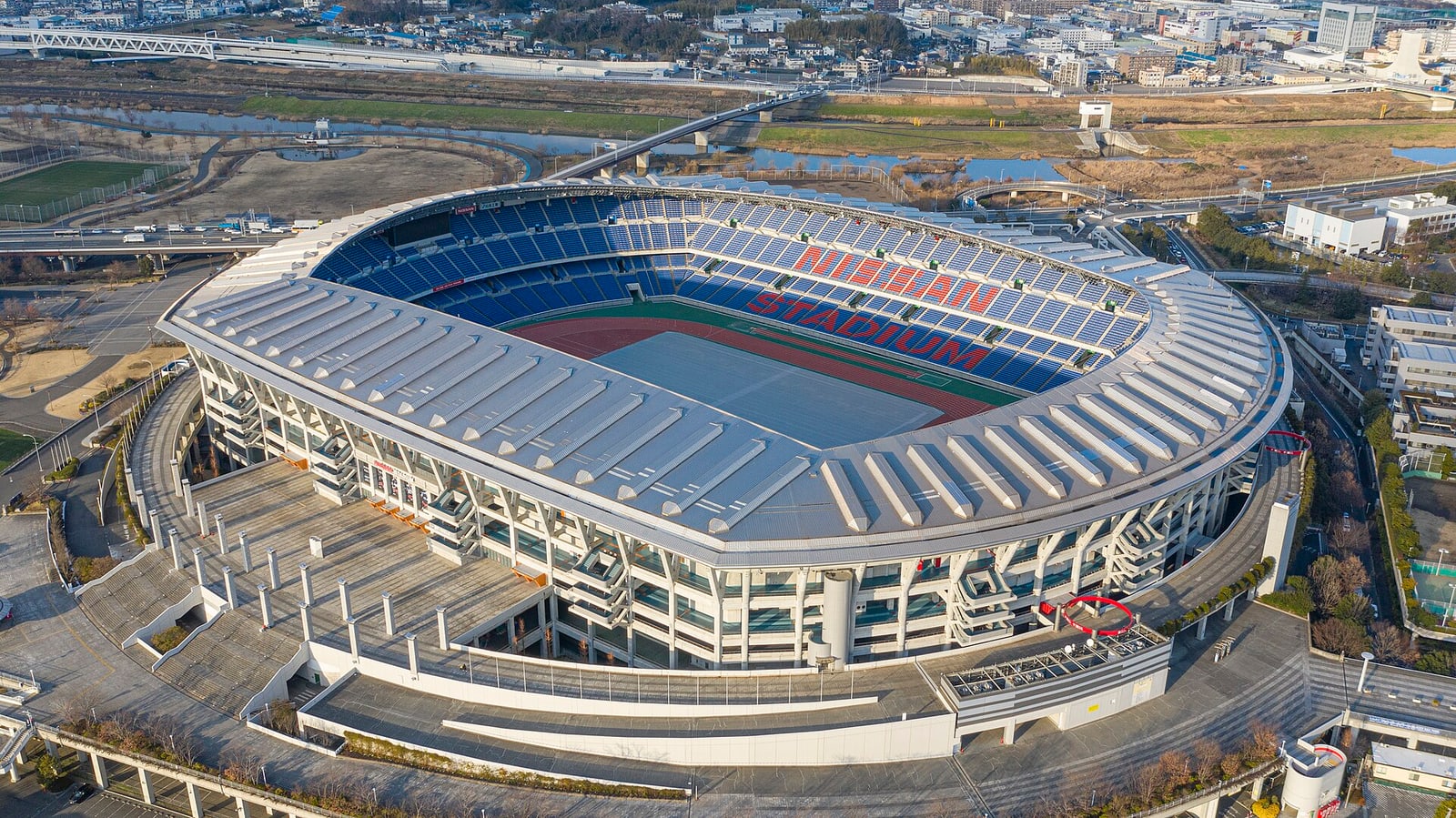
Yokohama F. Marinos connects the port city, Nissan Stadium, and memories of the Japan national team. It pairs well with Yokohama Port, Minato Mirai, and Chinatown on the same day; if Tokyo feels too full, Yokohama is a low-friction football side trip. The page should emphasize transportation and post-match crowd flow: Nissan Stadium is conveniently located near Shin-Yokohama Station, linking well with Shinkansen travel and Yokohama accommodation.
Tokyo
FC Tokyo (FC Tokyo)
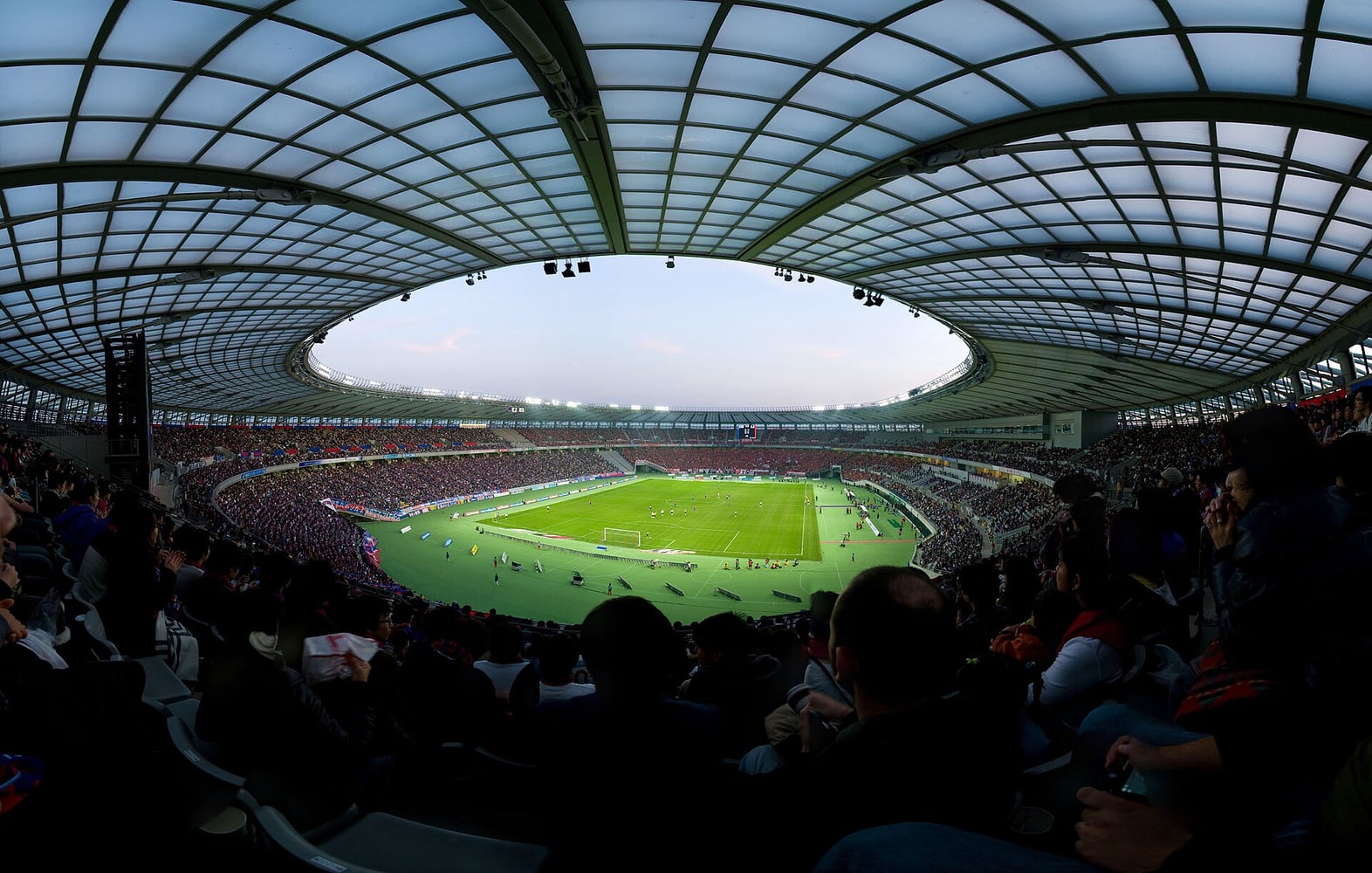
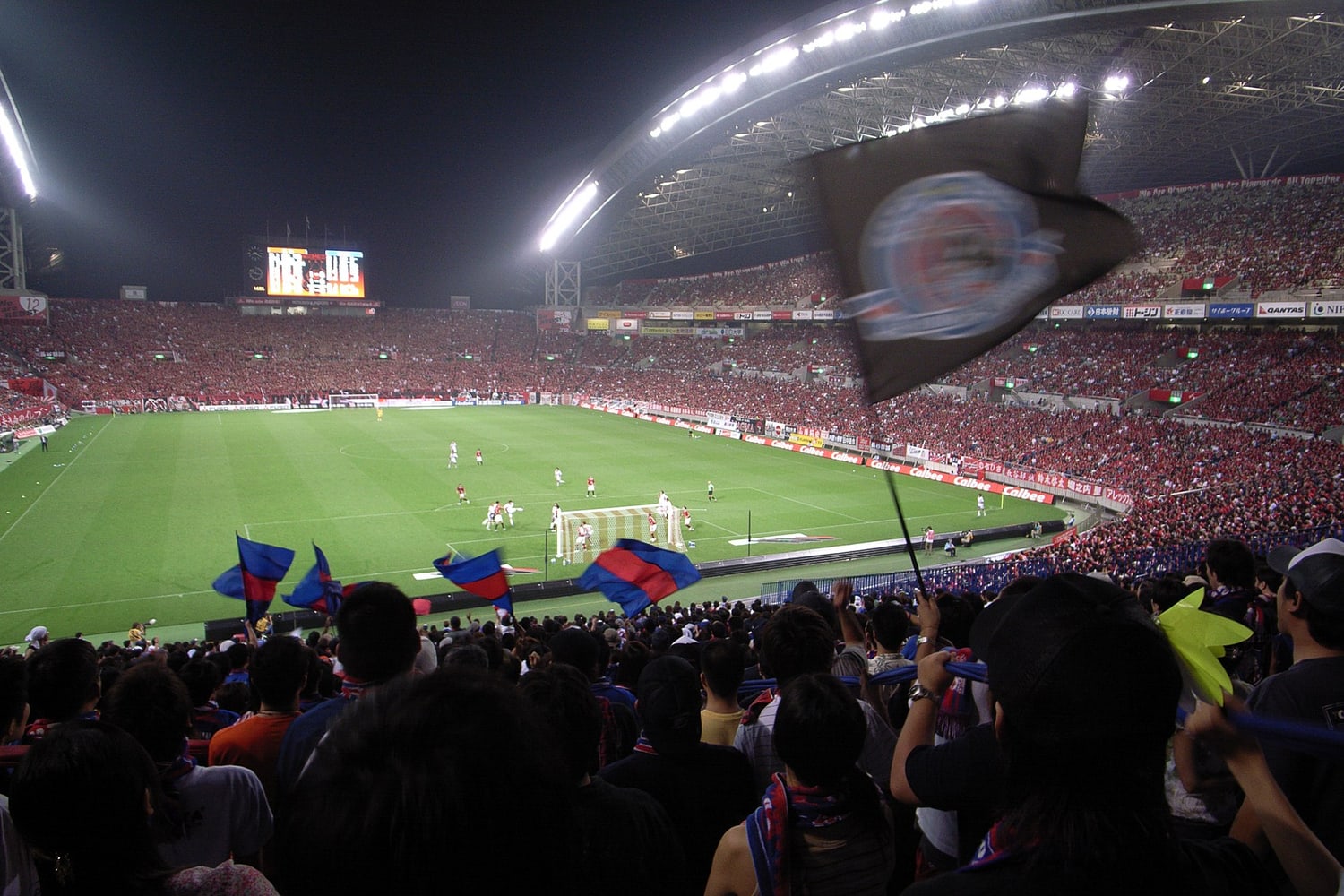
FC Tokyo is the most direct J.League entry point in the capital. Ajinomoto Stadium lends itself to an actionable route that combines Tokyo's rail transit, matchday order, and local fan culture. It may not be as dramatic as a night in Shibuya after a match, but it gives foreign visitors a clearer view of Japanese football on a regular weekend.
Saitama
Urawa Red Diamonds
Urawa Red Diamonds represent one of Japan's most intense club fan cultures, with the atmosphere at Saitama Stadium and the red stands being quite striking. It suits deep football travelers, but also requires advance understanding of the cheering section, away section, travel time, and post-match congestion; for a first Japanese match, it is recommended to start with a regular seat.
Landscape anchors
Japan attractions that match the Blue Samurai story
These landscapes and city stops give the football-led route a stronger sense of place. Behind the Blue Samurai lies Tokyo nightlife, Kyoto temples and shrines, the Shinkansen, convenience stores, and a Japan trip precise to the minute.
Shibuya Crossing
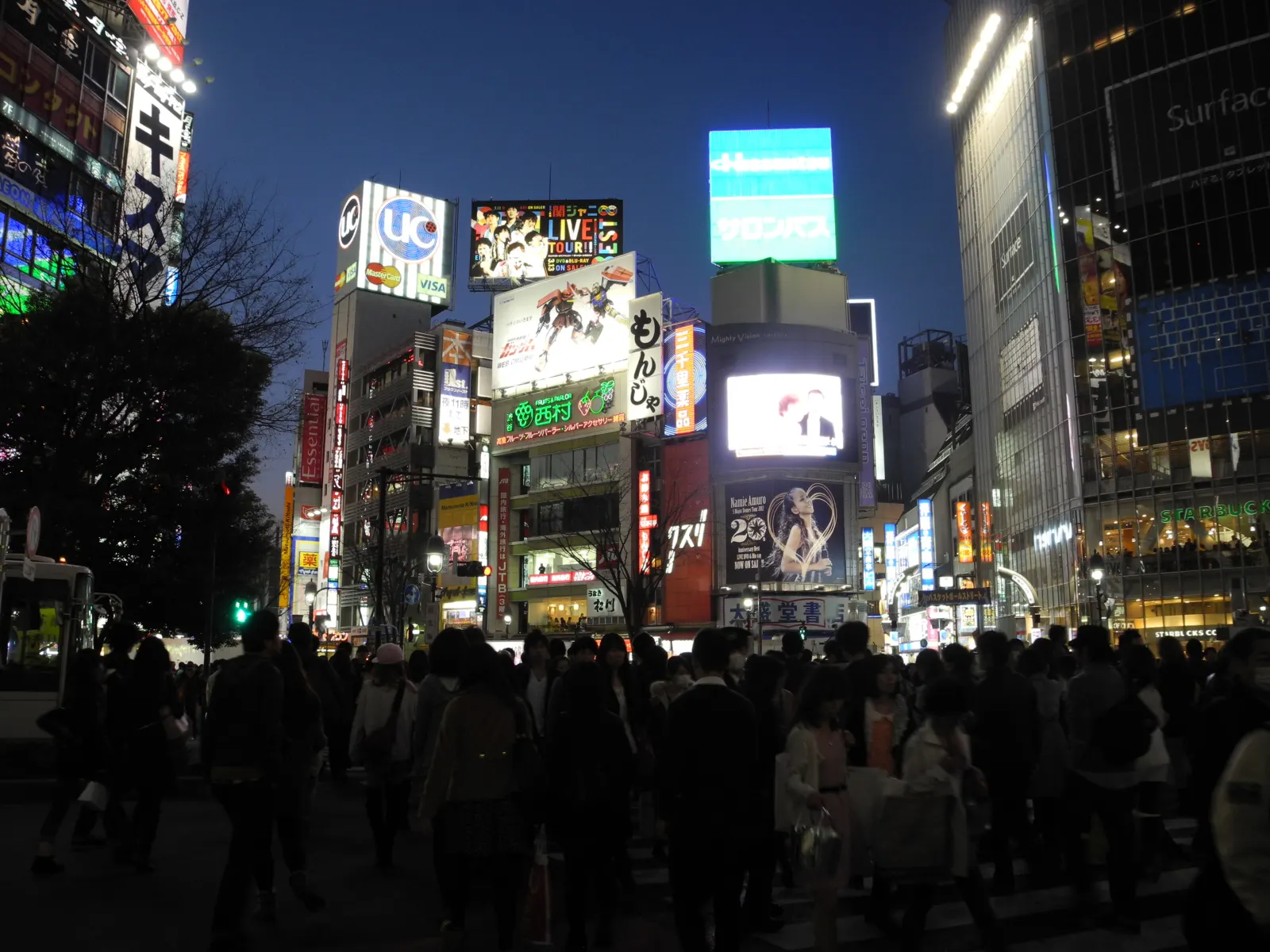
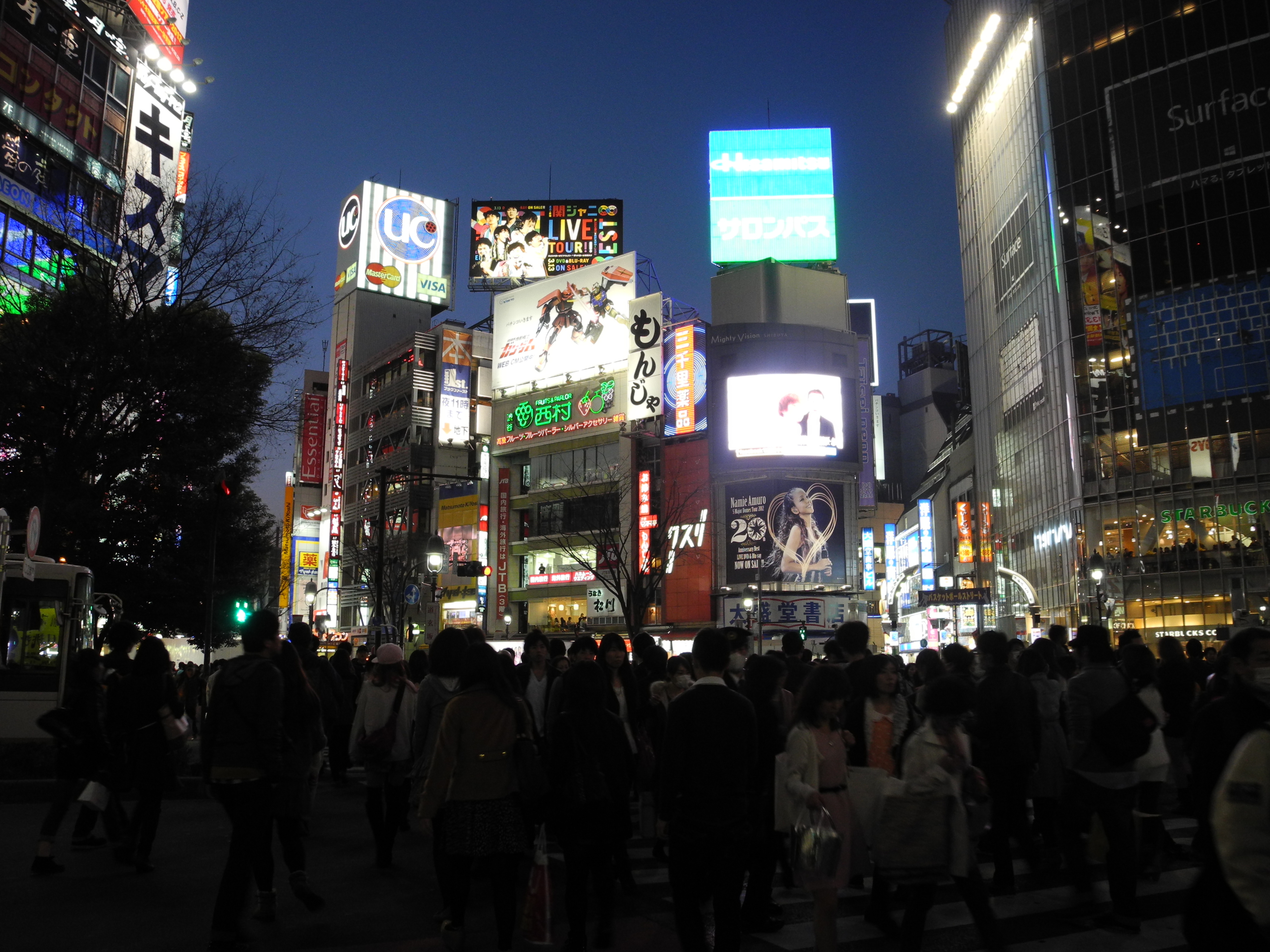
The ultimate image of Tokyo's urban energy: crowds, neon, match nights, and Japanese pop culture converge here. Recommended to come after 11 p.m.; the atmosphere is completely different when there are fewer people.
Fushimi Inari
Senbon Torii (Thousand Torii Gates) is not just an Instagram backdrop; it's a four-kilometer path leading to Mount Inari. Arrive before 7 a.m. and walk halfway up the mountain for a panoramic view of Kyoto, while tourists are still stuck eating breakfast at their hotels.
Mount Fuji
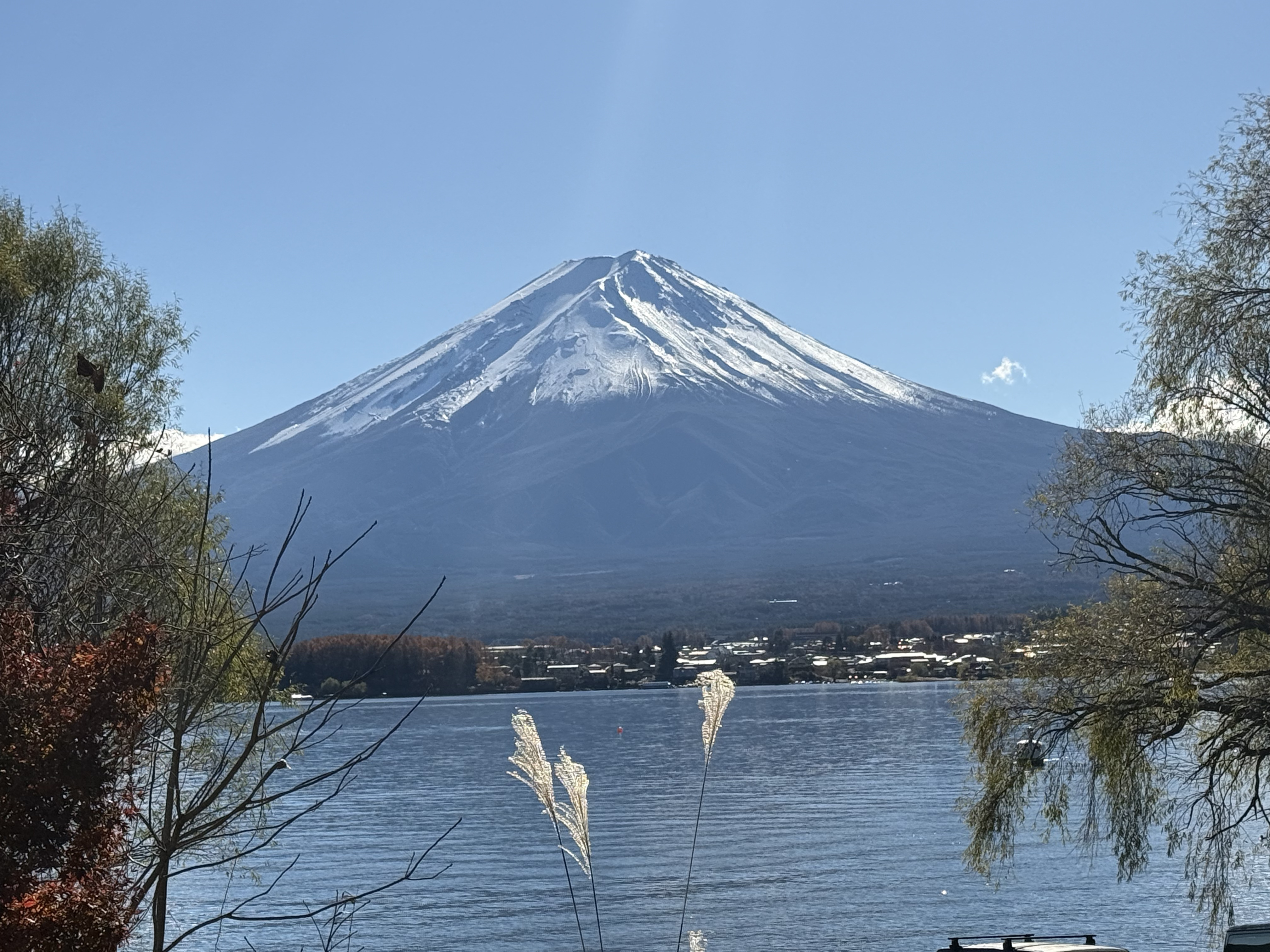
Japan’s most recognizable natural symbol. Lake Kawaguchi at sunrise offers the best photo spot; on the Shinkansen from Tokyo to Osaka, grab a left-side window seat for a glimpse. The snowline is fullest in winter, and the climbing season opens in July–August.
Osaka Castle
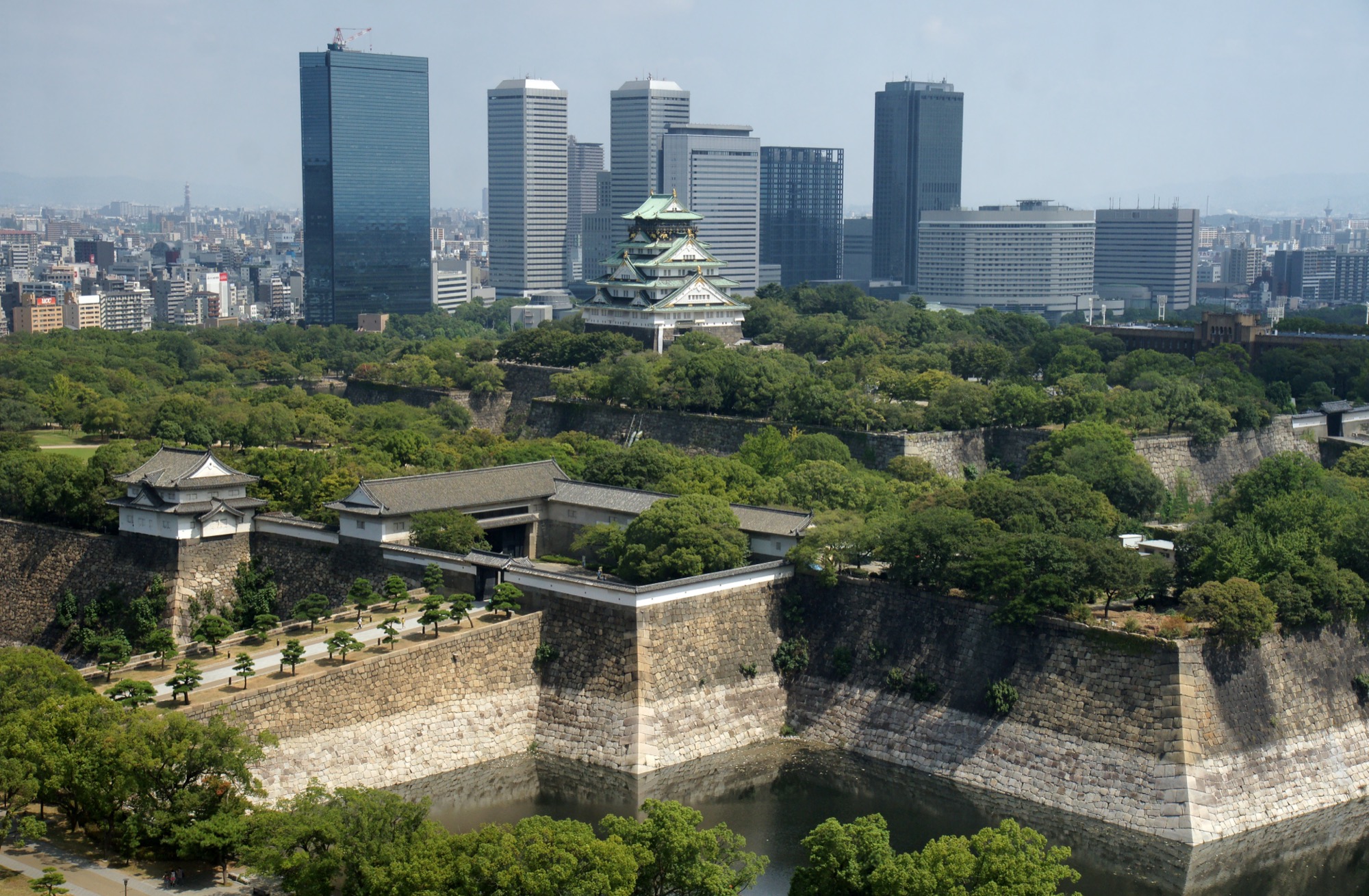
Beyond Osaka's football and food, this is the most stable stop for the city's historical layers. Osaka Castle's main tower houses a museum; in spring, cherry blossoms surround the castle park; in autumn, ginkgo leaves turn golden; the moat boat ride is very photogenic.
Global Travel Map
Japan travel map for planning
Save the map to compare airports, hotels, restaurants, clubs and attractions before building the route. The map should center on Tokyo for entry/exit, linking west to Kyoto/Osaka, south to Yokohama, and toward Mount Fuji as a weather-dependent side route; airports, hotels, stadiums, temples and shrines, and food areas should all be marked around railway stations.
Download and save the travel mapBrowse all downloadable travel maps →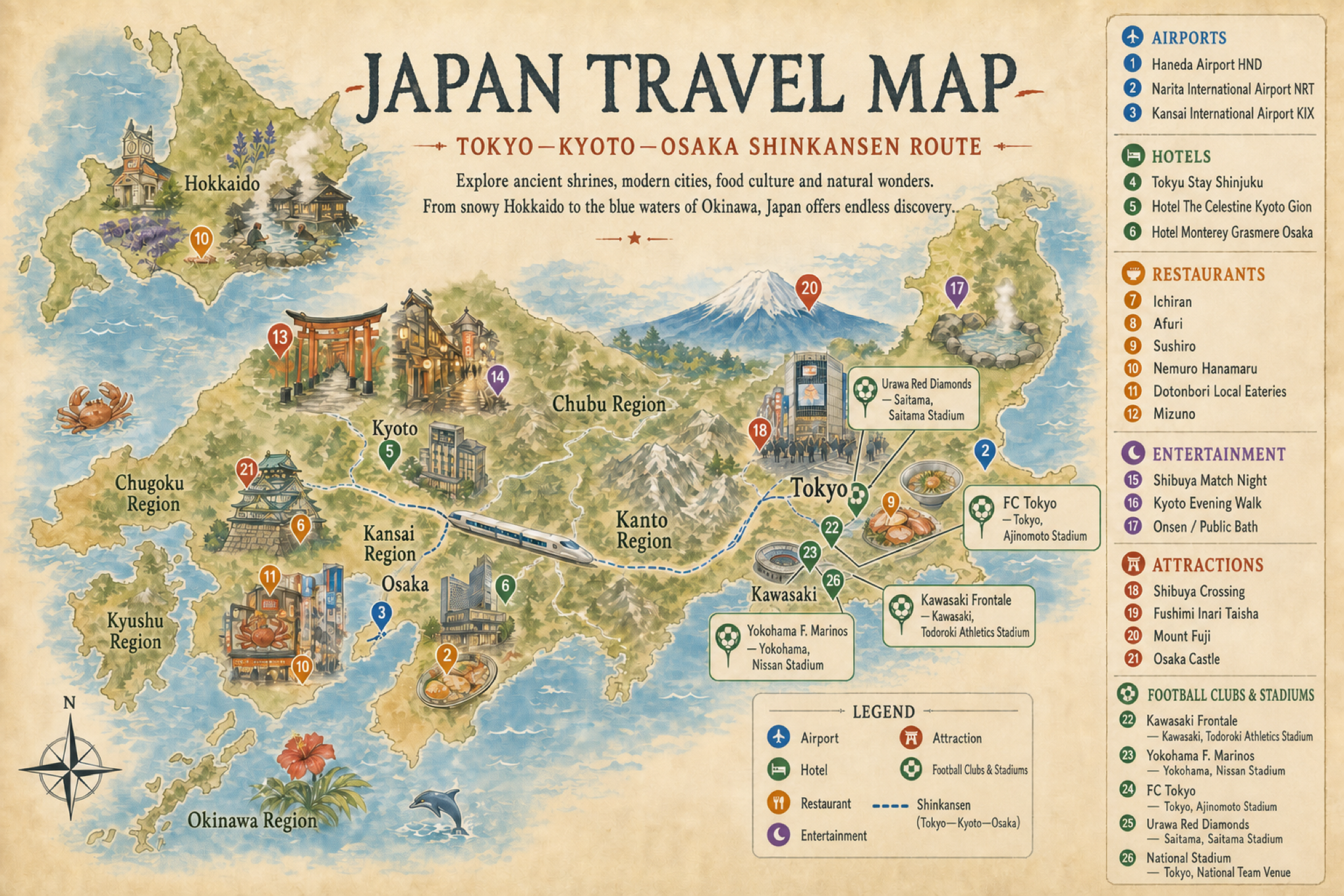
How Much to Budget Per Person
Japan trip budget
A quick cost frame for flights, hotels, food, transport and paid activities before you book. For a 7-day trip to Tokyo + Kansai in Japan, budget approximately $1,500-$3,500 per person.
Cheap from East Asia; seasonal fluctuation from Europe/America.
Tokyo, Kyoto cherry blossom/autumn leaf seasons see significant price hikes.
Convenience stores and chain restaurants are manageable; izakaya and reservation-required restaurants are extra.
Temple/shrine entrance fees are low; theme parks and hot spring inns are higher.
Local transport is cheap; Shinkansen is the big expense.
Travel rules, prices, transport schedules and safety conditions can change. Recheck official entry rules, local advisories and current prices before booking.
Flight Route Reference
Japan itinerary sources
External route references used to check pacing, logistics and travel assumptions.
- Japan National Tourism Organization — Use it to verify information on cities, seasons, transportation, and general travel basics.
- Ministry of Foreign Affairs of Japan — Used for checking visa exemption and short-term tourist visa rules.
- JR Central / JR East — Used for checking Shinkansen, IC card, and railway travel logic.
- J.League — Used for checking Japanese professional football match days and club context.
Related route
Compare another World Cup travel route
Editorial notes
How this Japan guide is maintained
Researched and edited by the Travel the Teams editorial team. This guide combines route-planning context, cultural background and the sources linked above; it is not a substitute for official entry, safety, health or transport advice.
Travel requirements and prices change. Confirm current information with the relevant official authorities and providers before booking.