Naitional Travel Snapshot
Japan(日本) Warld Cup kintra traivel guides
Lies in East Asie on the wast side o the Paceefic Ocean, an island kintra; travel aften unfolds wi Tokyo (東京), Kyoto (京都), Osaka (大阪), Mount Fuji (富士山) an Hokkaido/Kyushu branches. Stairt wi the kintras whaur fitbaw curiosity can become a real trip.
- Population
- Aroond 124 million fowk.
- Time zone
- Japan Standard Time, UTC+9, 1 oor faster than Beijing.
- Main ethnic groups
- Maistly Yamato fowk, wi Ryukyuan, Ainu, foreign residents in Japan an multi-generational communities.
- Local leid
- Japanese is the offeecial an daily core leid; English is uisefu at airports, main stations, hotels an tourist areas in big ceeties, but sma eateries, local buses an onsen inns aften need translation apps.
- Currency an exchange rate
- Yen (JPY).
For plannin: 1 US dollar is aboot 150-160 JPY, 1 Chinese yuan aboot 20-22 JPY; check the real-time rate afore ye actually pay.Readin real-time reference exchange rates JPY...
Visa/visa on arrival
Japan isnae a 'sort it at the airport' destination. Chinese mainland passport holders maun apply for a short-term tourist visa in advance; the maist common hurdles are itinerary, hotel, employment/assets an multi-entry visa conditions. Passports frae the USA, Canada, UK, EU/Schengen, Australia, New Zealand, Sooth Korea, Singapore, etc. uisually get visa-free short stays up tae 90 days. In 2026, Japan visa categories an fees will still vary bi naitionality; check the Ministry o Foreign Affairs/embassy page for the latest afore ye leave. Flights can be looked at wi refundable options; hotels uise cancellable bookings. At immigration, hae Visit Japan Web, first nicht's address, return ticket an cash/credit card ready, an dinnae mistake 'visa-free' as no needin tae explain yer travel purpose.
Last reviewed: 2026-07-08. Recheck official entry and travel rules before booking.Gettin aboot locally
The key tae Japan transport isna 'buy a pass', but tae layer yer routes: within ceeties uise Suica/PASMO/ICOCA etc. IC cards or mobile wallet, Tokyo-Kyoto/Osaka uise single Shinkansen tickets, between Kyoto an Osaka uise normal JR/private rail. Ilka body needs their ain IC card, cause entry/exit is charged bi individual distance. If ye hae muckle luggage, send it via takkyūbin frae Tokyo tae Kyoto/Osaka in advance, mair comfortable than draggin it on a crowded metro. Google Maps works fine, but transfer stations are muckle, sae leave 10-15 meenits tae find the platform; Kyoto (京都) buses are crowded in peak saison; leavin early in the morn an comin back at nicht is easier than crossin the sights at midday. Taxis are clean but dear, only fur late nicht, rain, big luggage or wi aulder fowk an bairns.
Best time tae traivel
Mairch tae Mey is guid for cherry blossom, fresh green leafs an ceety walkin; October tae November is guid for autumn leafs, rail travel an hot springs. June is rainy, August-September needs tae watch oot for typhoons, an Golden Week, Obon an New Year holidays are awfy crowded.
Cost o livin
Medium-high, but manageable. Japan's cost comes frae inter-city travel, peak saison accommodation an reservation-only restaurants, nae frae daily eats. Convenience stores, gyūdon, ramen, kaiten-zushi, business hotels an ceety metros can keep the budget steady; durin cherry blossom/autumn leaf saison in Kyoto (京都), Tokyo (東京) weekends an onsen ryokan, prices can sudden rise. The maist common mistake foreign tourists mak is buyin a nation-wide JR Pass but only usin it for Tokyo-Kyoto-Osaka: bi 2026, a 7-day nation-wide JR Pass needs a very dense Shinkansen schedule tae be worth it; maist times buyin individual tickets for the golden route is mair flexible. Daily budget suggestion, treatin transport separately: convenience store breakfast JPY 500-900, ramen/curry/teishoku JPY 900-1,800, normal izakaya dinner JPY 3,000-6,000 per person, kaiten-zushi a decent fill aboot JPY 1,500-3,500. Mid-range hotels in Tokyo (東京)/Kyoto (京都) commonly JPY 12,000-35,000 per nicht, can double in peak; capsule or business hotel low-end aboot JPY 5,000-12,000. Tokyo-Kyoto Shinkansen single aboot JPY 14,000, a day o metro/train in Tokyo city often JPY 800-1,500. Cash is still important: toppin up physical IC cards, some wee shops, temples, coin lockers an local buses dinnae aye accept credit cards. A 7-day Japan trip (Tokyo (東京)+Kansai) wad set ye back aboot $1,500-$3,500 per person.
Traivel basics
Japan(日本) Traivel basics
Lies in East Asie on the wast side o the Paceefic Ocean, an island kintra; travel aften unfolds wi Tokyo (東京), Kyoto (京都), Osaka (大阪), Mount Fuji (富士山) an Hokkaido/Kyushu branches. Stairt wi the kintras whaur fitbaw curiosity can become a real trip.
Japan(日本) Local customs?
The grund rule o Japanese manners is: 'dinnae impose yer ain bother on ithers.' On the train, haud the phone calls tae a minimum; tak yer rubbish back tae the hotel; wash yer body clean afore gettin intae the onsen; queue frae the end; an dinnae suddenly stop in a narrow street tae tak a selfie. Ye dinnae need tae be tense an bow like an actor, but watch the rhythm o the place: if ithers are quiet, ye be quiet; if they pit awa their umbrella, ye dae the same. Respect the system o the restaurant. Ramen shops aften hae a ticket machine first; izakaya micht chairge a seat fee; sushi shops micht seat ye strictly bi reservation time; wee shops micht nae accept separate payment. If ye see a queue, first check if ye need tae write yer name, tak a nummer, or jist staa at the end – dinnae stick yer heid in the door an ask the kitchen. Allergies, vegetarian, halal etc. need a Japanese explanation ready, cause 'remove the onion/garlic/stock/soy sauce' cannae aye be done on the spot in a wee place.
Japan(日本) Visa/visa on arrival?
Japan isnae a 'sort it at the airport' destination. Chinese mainland passport holders maun apply for a short-term tourist visa in advance; the maist common hurdles are itinerary, hotel, employment/assets an multi-entry visa conditions. Passports frae the USA, Canada, UK, EU/Schengen, Australia, New Zealand, Sooth Korea, Singapore, etc. uisually get visa-free short stays up tae 90 days. In 2026, Japan visa categories an fees will still vary bi naitionality; check the Ministry o Foreign Affairs/embassy page for the latest afore ye leave. Flights can be looked at wi refundable options; hotels uise cancellable bookings. At immigration, hae Visit Japan Web, first nicht's address, return ticket an cash/credit card ready, an dinnae mistake 'visa-free' as no needin tae explain yer travel purpose. On match day, dinnae treat Shibuya (渋谷) as juist a celebration backdrop. Japanese stadiums hae clear rules for home/away stands, supportin sections, flag sizes, allowed food, rubbish separation an exit flow; followin local fans tae buy tickets, enter, sing an leave feels mair natural than improvisin. Tak photos o fowk, bairns, or supportin groups only efter seein if it's appropriate; especially on a crowded train or in a fan queue, dinnae shove yer camera in onybody's face.
Japan(日本) Currency an exchange rate?
Yen (JPY). For plannin: 1 US dollar is aboot 150-160 JPY, 1 Chinese yuan aboot 20-22 JPY; check the real-time rate afore ye actually pay. Medium-high, but manageable. Japan's cost comes frae inter-city travel, peak saison accommodation an reservation-only restaurants, nae frae daily eats. Convenience stores, gyūdon, ramen, kaiten-zushi, business hotels an ceety metros can keep the budget steady; durin cherry blossom/autumn leaf saison in Kyoto (京都), Tokyo (東京) weekends an onsen ryokan, prices can sudden rise. The maist common mistake foreign tourists mak is buyin a nation-wide JR Pass but only usin it for Tokyo-Kyoto-Osaka: bi 2026, a 7-day nation-wide JR Pass needs a very dense Shinkansen schedule tae be worth it; maist times buyin individual tickets for the golden route is mair flexible. Daily budget suggestion, treatin transport separately: convenience store breakfast JPY 500-900, ramen/curry/teishoku JPY 900-1,800, normal izakaya dinner JPY 3,000-6,000 per person, kaiten-zushi a decent fill aboot JPY 1,500-3,500. Mid-range hotels in Tokyo (東京)/Kyoto (京都) commonly JPY 12,000-35,000 per nicht, can double in peak; capsule or business hotel low-end aboot JPY 5,000-12,000. Tokyo-Kyoto Shinkansen single aboot JPY 14,000, a day o metro/train in Tokyo city often JPY 800-1,500. Cash is still important: toppin up physical IC cards, some wee shops, temples, coin lockers an local buses dinnae aye accept credit cards. A 7-day Japan trip (Tokyo (東京)+Kansai) wad set ye back aboot $1,500-$3,500 per person.
Real route reference
7-day Japan(日本) Plannin
Stairt wi the kintras whaur fitbaw curiosity can become a real trip. 蓝武士. The maist useful thing for a first timer in Japan isnae the answer o 'how mony days in Tokyo, how mony in Kyoto', but raither solvin the friction points o ilka day in advance: dinnae force yersel tae see sights on the day ye land; on Tokyo match days, plan for the exit crowd an last train; on Shinkansen day, handle yer luggage; in Kyoto, uise the early mornin an late evenin rather than midday; in Osaka, be ready for food an nightlife; Mount Fuji/Yokohama can only be chosen flexibly based on weather an flight schedules. The Samurai Blue thread enters via the Naitional Stadium, J League, Kawasaki, Yokohama, an Saitama, then uses Mitoma, Kubo, an Endo tae bring European attention back tae Japan's domestic fitba ecosystem.
第 1 · Tokyo(東京)
Arrivin in Tokyo: Soft landin wi Shibuya an convenience stores
HND / NRT → Shinjuku/Shibuya → convenience store dinner
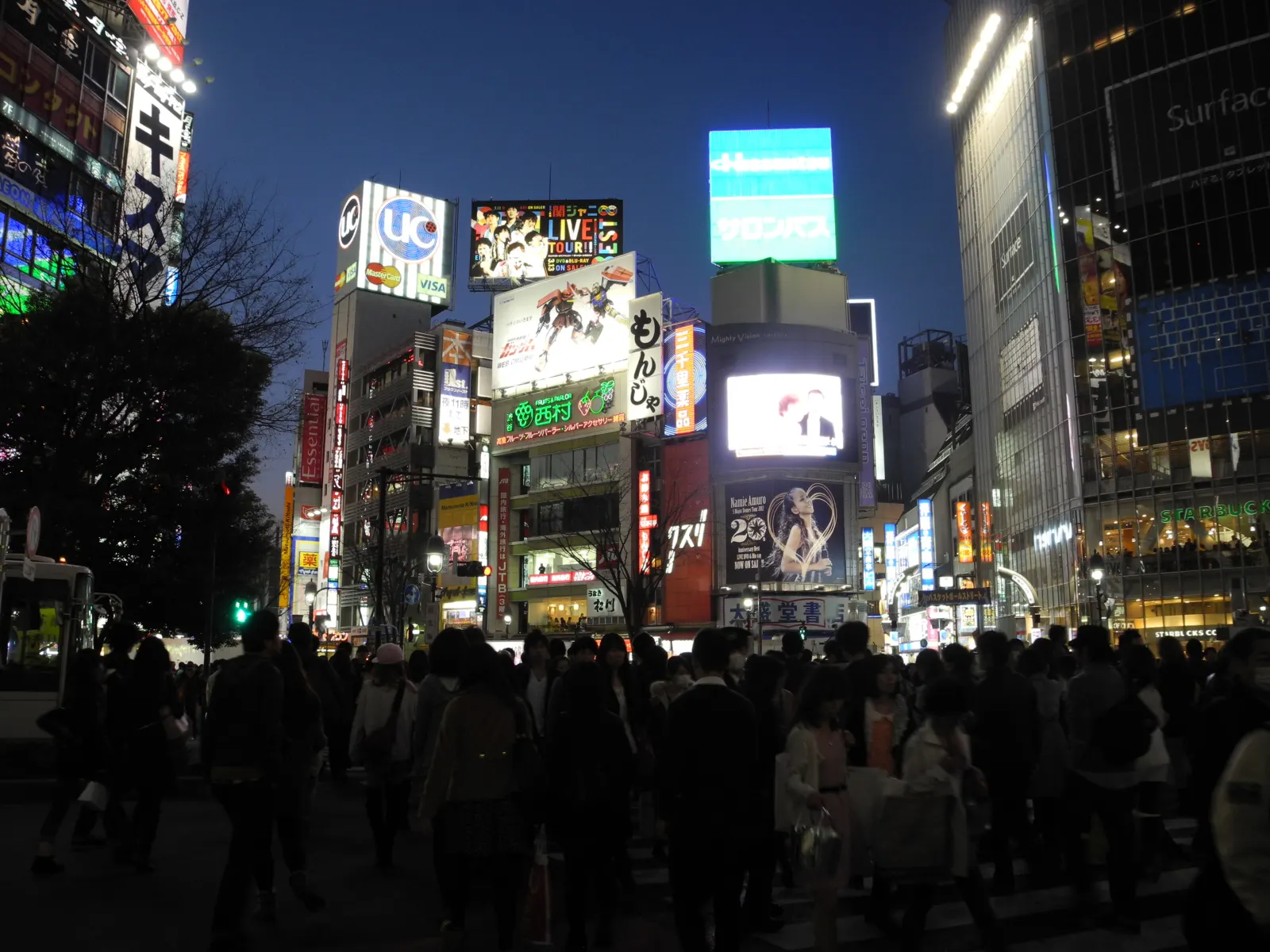
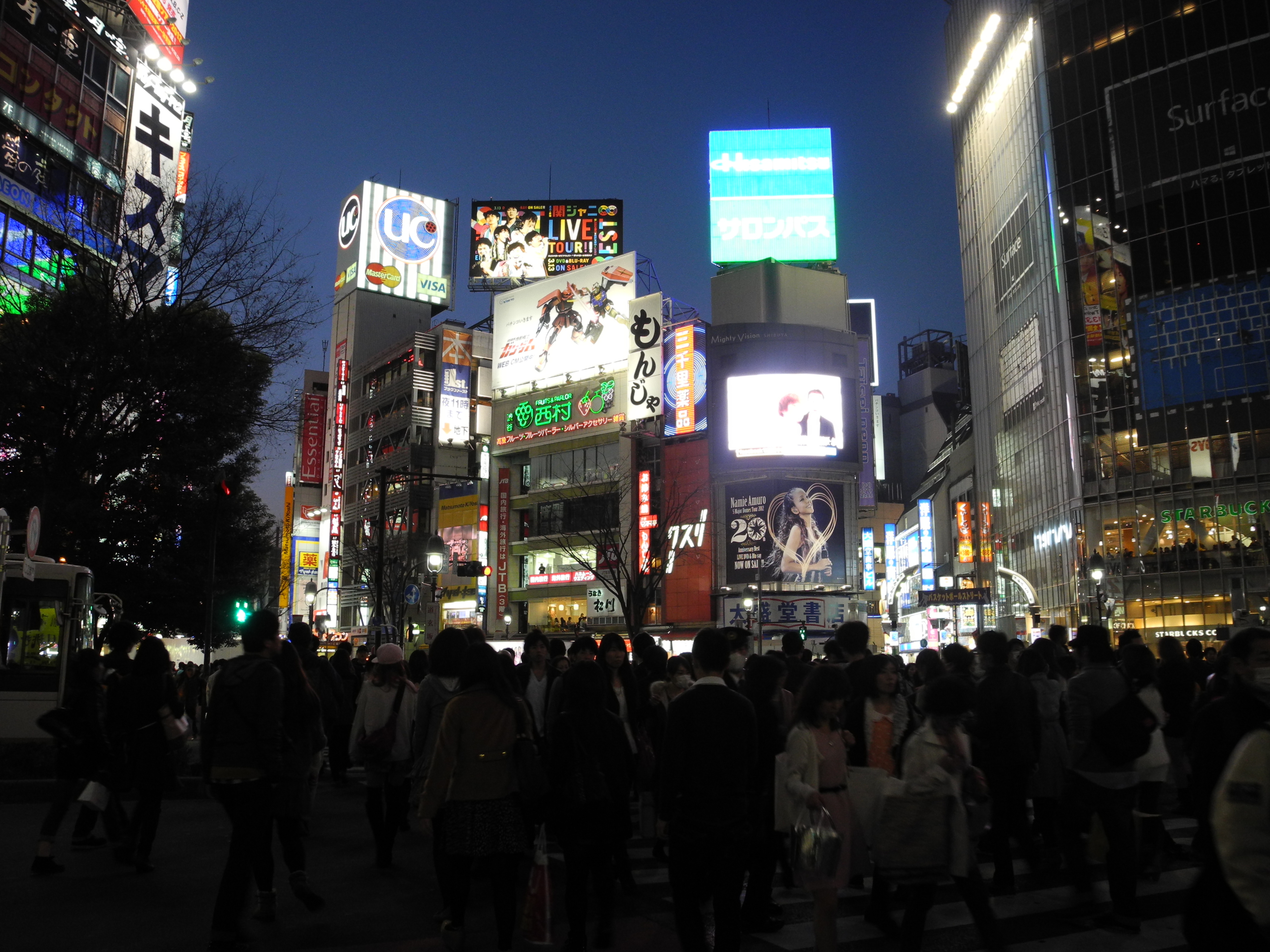
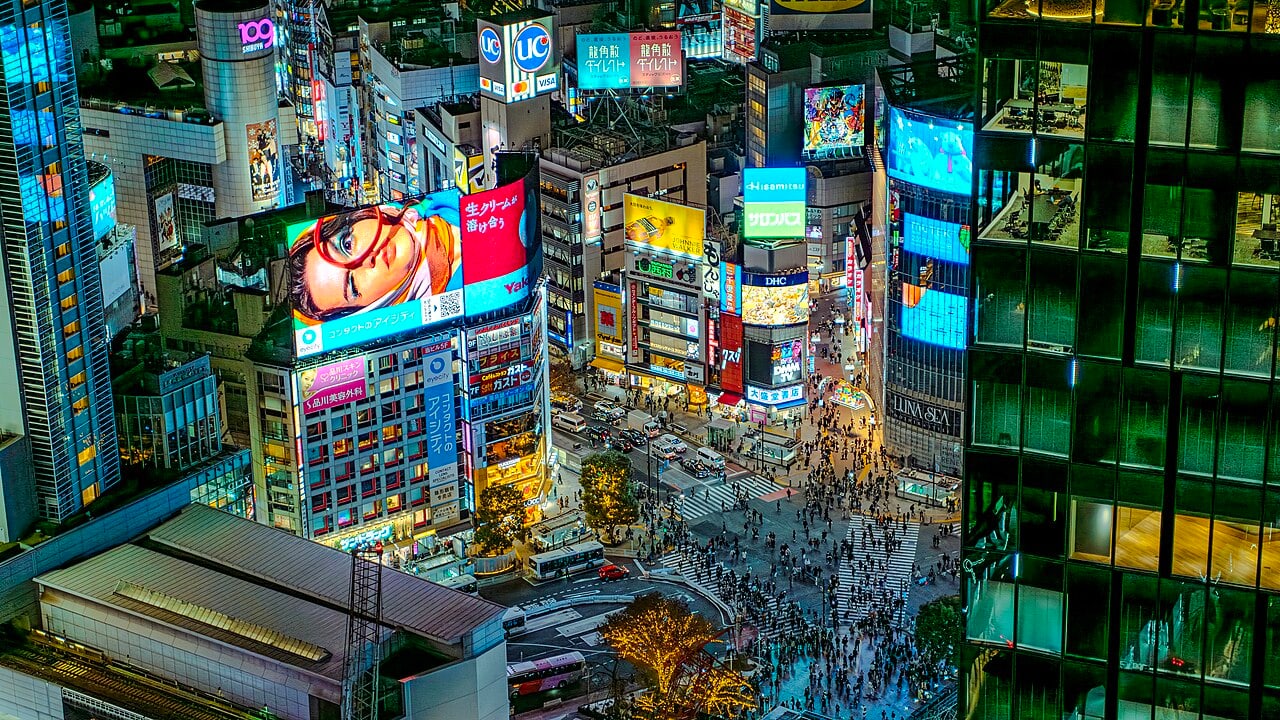
The worst thing tae dae on the first nicht is tae drag yer suitcase across the city for sightseein. After landin at Haneda or Narita, sort oot yer transport card, cash, SIM/eSIM, an hotel route first. Get tae Shinjuku/Shibuya/Tokyo Station area an drop yer luggage, then go tae a convenience store for onigiri, fried chicken, hot tea or beer, an hae a look at the Shibuya crossin an the nicht street scene on the way. This start lets a visitor understand Japan's cities as 'precise butnae noisy': convenience stores, subway, queues, croods, an neon signs aw rinnin thegither.
Haneda gets ye intae the city faster; Narita needs 60-90 minutes tae the centre. Stay near a major subway station on the first nicht; dinnae cram Asakusa, Odaiba, Tokyo Tower, an Shibuya intae the same evenin.
第 2 · Tokyo(東京)
Tokyo Fitba Day: Naitional Stadium, J League, an Match Nicht
Harajuku/Sendagaya → Naitional Stadium → Shibuya match nicht
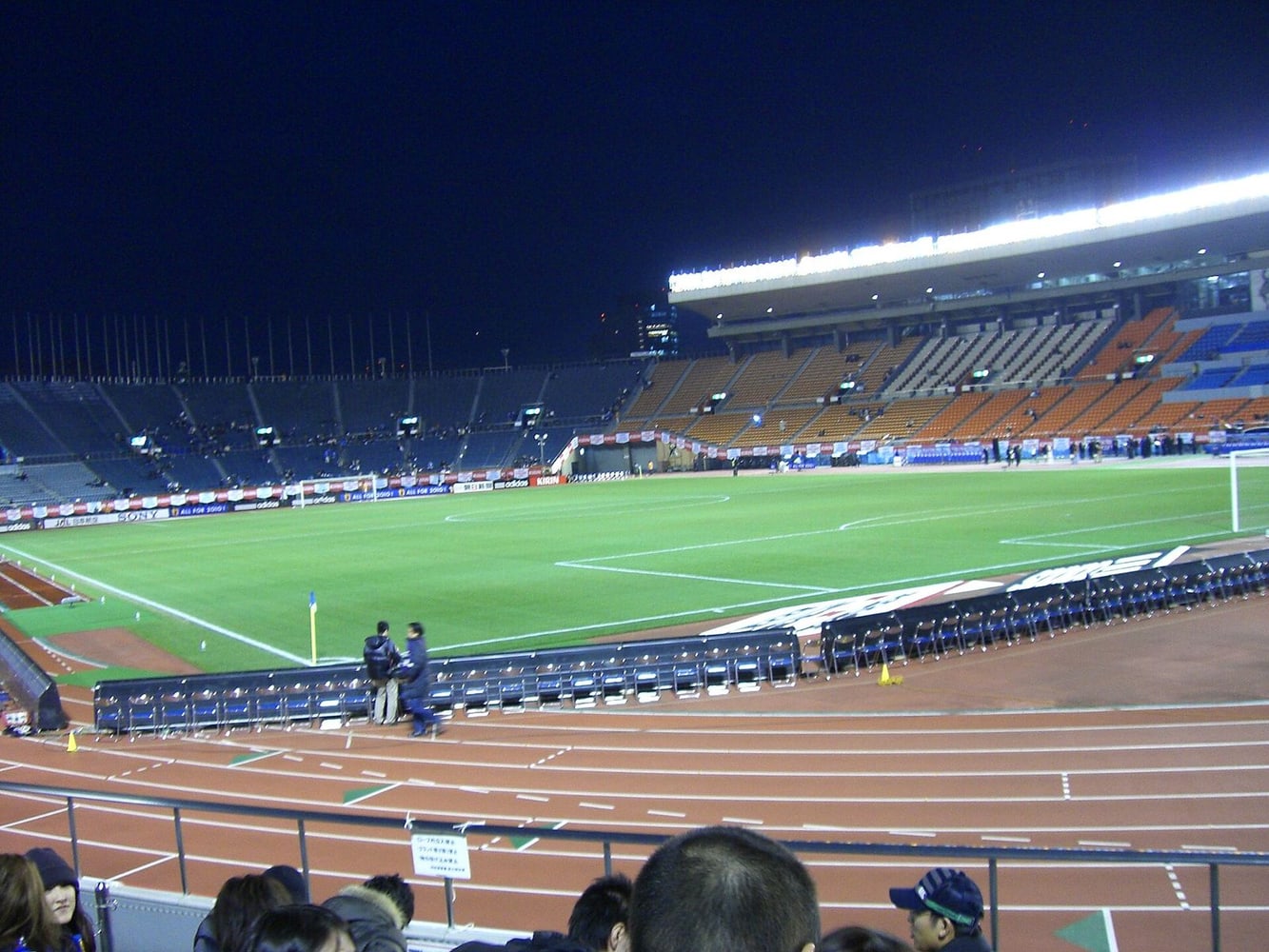
The main point o a Tokyo fitba day isnae tae chance seein a star, but tae see hoo order organises passion. The Naitional Stadium, Ajinomoto Stadium, Kawasaki Todoroki Athletics Stadium, or Nissan Stadium can aw serve as entry points; convenience store supplies, fan queues, supporter section rhythms, an the exit subway are aw pairt o Japanese fitba culture. On international match nichts, Shibuya has energy, but truly understandin Japanese fitba often comes frae an ordinary J League match.
Check J League/naitional team fixtures in advance, confirm hame/away stands, e-tickets, prohibited items, an exit routes. Dinnae try tae catch the last train tae anither city efter the match.
第 3 · Tokyo / Kyoto(東京 / 京都)
Tokyo tae Kyoto: Makin the Shinkansen the journey itsel
Tokyo Station → Shinkansen → Kyoto Station → Higashiyama(東山)
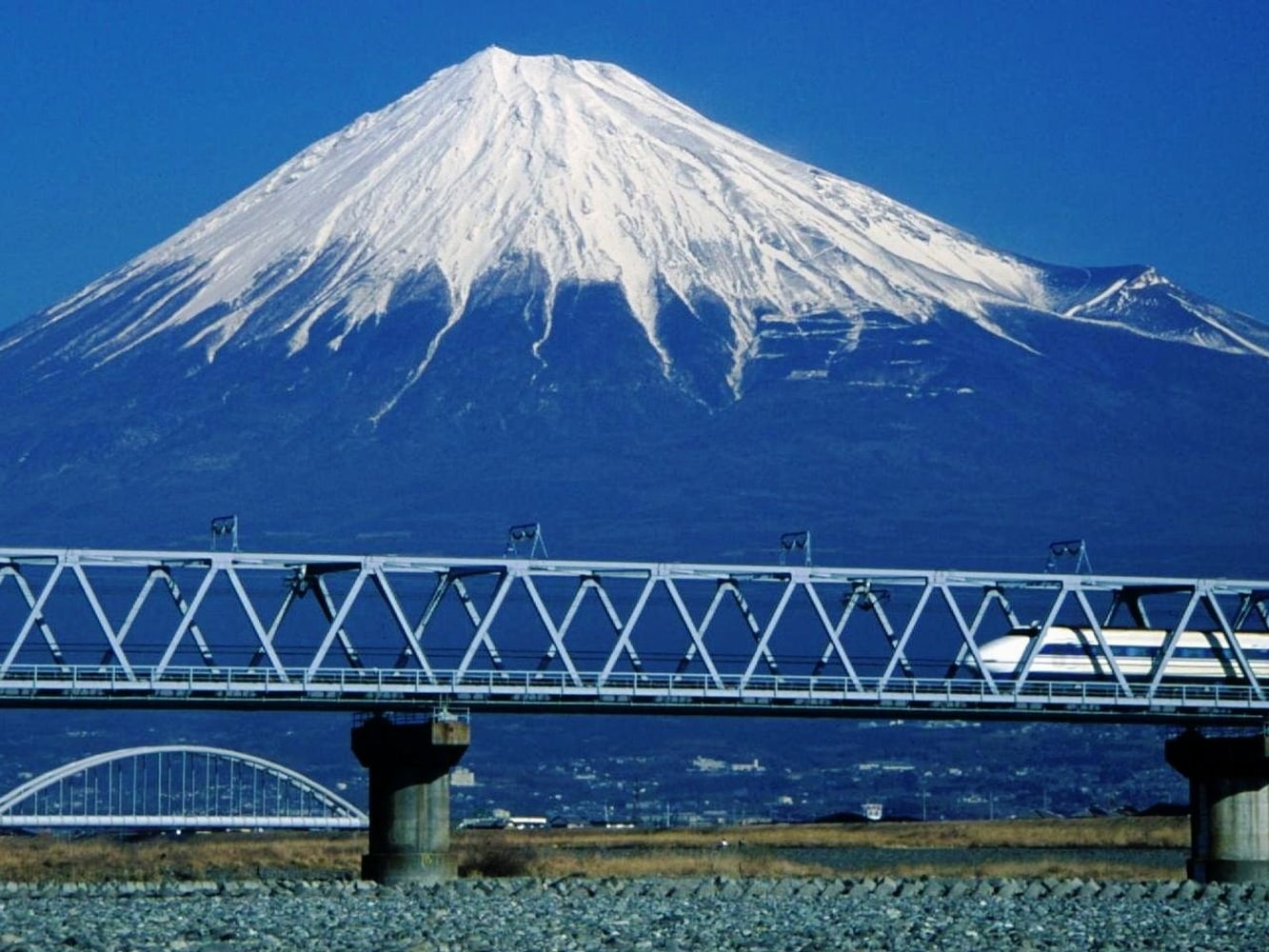
The Shinkansen isnae a transport gap, but a core experience o travel in Japan. Buyin tickets in advance, watchin the queue on the platform, buyin a station bento box, listenin tae the announcements, catchin a glimpse o Mount Fuji noo an then frae the windae—thae details feel mair Japanese than squezzin in ane mair temple in Kyoto. If ye hae a lot o luggage, it's best tae send it tae Kyoto or Osaka via takkyubin an only tak ae nicht bag on the train; the experience will be completely different.
Tokyo-Kyoto is aboot 2 hours 15 minutes. In peak season, book a reserved seat; for big luggage, check the oversized baggage rule or send it ahead.
第 4 · Kyoto(京都)
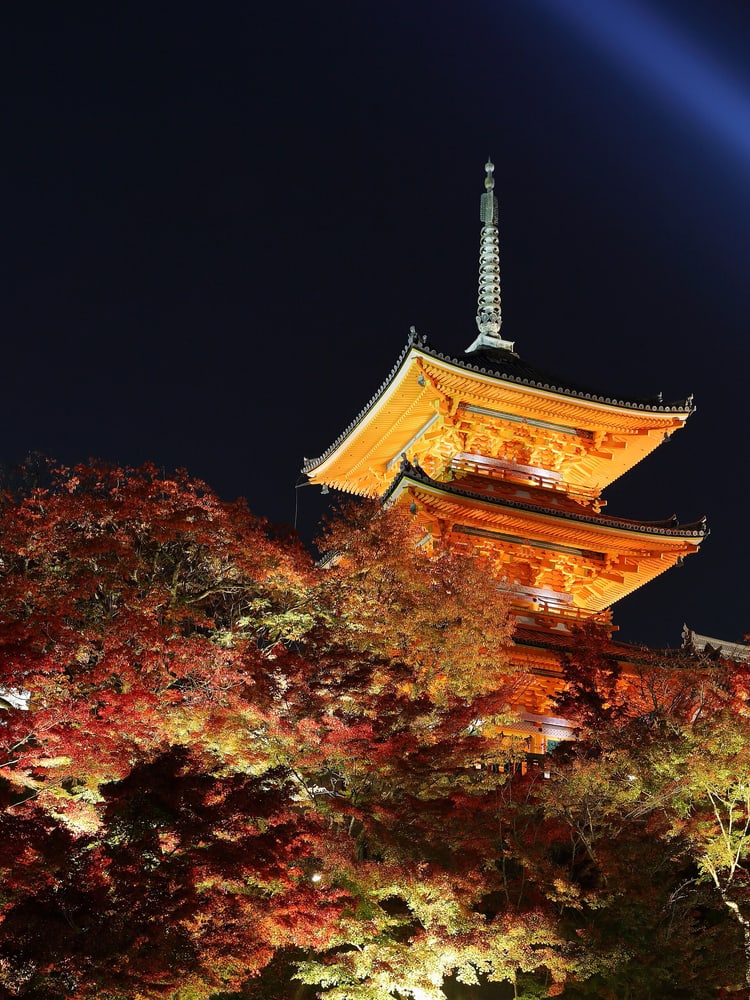
Kyoto: Early mornin temples an evenin Kamogawa
Kiyomizu-dera → Gion → Kamogawa
The maist expert wey tae dae Kyoto is tae pick the richt time o day. Go tae Kiyomizu-dera, Ninenzaka, an Sannenzaka in the early mornin, when the wooden hooses, stone steps, an noren arenae yet overwhelmed by croods; gang back tae the hotel or a cafe at midday for a rest; then walk Gion, the Kamogawa river, an Pontocho in the evenin. Kyoto isnae a theme park; the residential areas, private hooses, geisha-related streets an alleys aw hae boundaries.
Temple an shrine: the earlier the better; haud yer suitcase aff the bus; dinnae chase geisha, local fowk, or tak picturs o hooses inside.
第 5 · Kyoto / Nara (Kyoto / Nara)
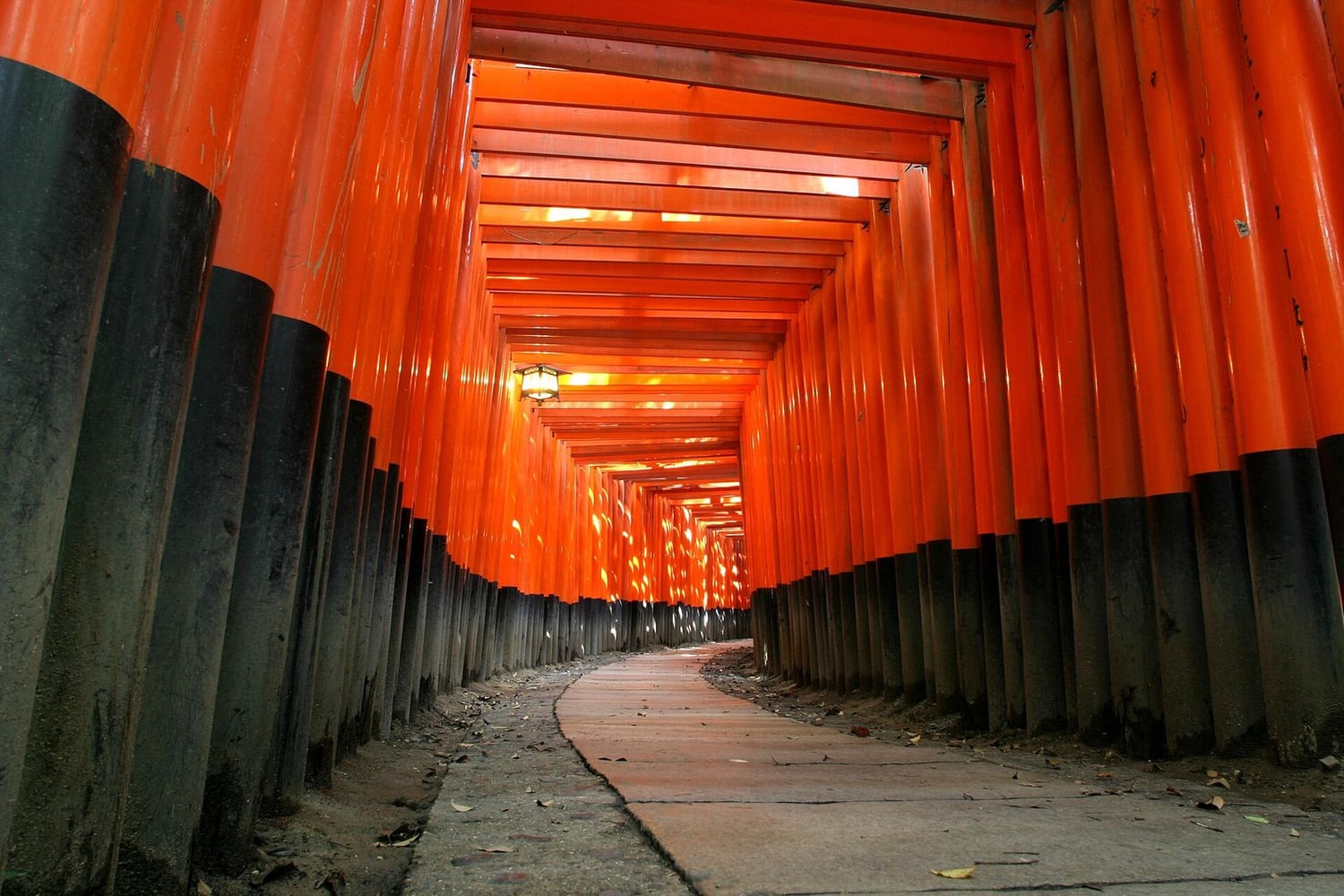
Fushimi Inari or Nara: pick ae side-branch tae tak yer time
Kyoto (京都) → Fushimi Inari Shrine (伏見稲荷大社) or Nara (Nara) → Kyoto
This day ye maun resist the urge tae dae baith. Fushimi Inari is guid fir writin aboot the reid torii gates, the hill path, an hou the crood thins the further up ye gang; Nara is guid fir writin aboot temples, deers, an mair laid-back streets. Baith can be dune as a day trip, but fur first-time veesitors, pickin ae an walkin slaw gies mair memories. Gin it rains, be canny on Fushimi Inari's hill path; in Nara, watch the rules fur feedin deers an interactin wi veesitors.
Fushimi Inari is better at daybreak or dusk; when feedin deers in Nara, follae the rules o the place. Dinnae try tae squeeze Arashiyama, Fushimi Inari, an Nara aa intae the same day.
第 6 · Osaka (大阪)
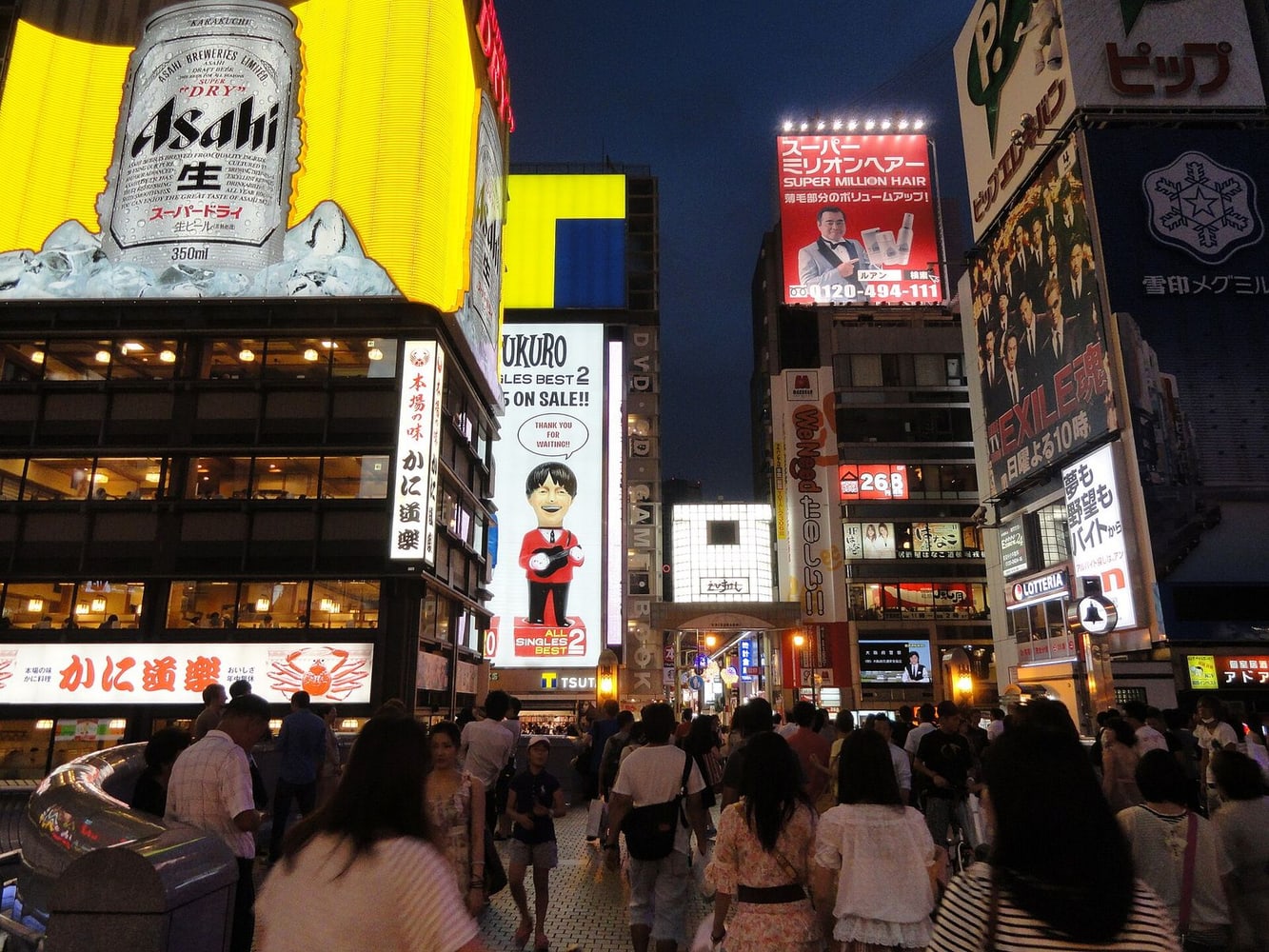
Osaka: gie the nicht tae Dotonbori an takoyaki
Kyoto (京都) → Osaka (大阪) → Namba / Dotonbori (Namba / Dotonbori)
Osaka's job is tae bring Japan frae quiet temples back tae busy streets. Dotonbori, Namba, the underground shops, takoyaki, okonomiyaki, an fitba pubs – they gie the Kansai line mair direct appeetite an nichtlife. This bit is guid fir writin aboot “whit tae eat, whit time tae gang, hou tae get back tae yer hotel”, no juist listin place names. The guid thing aboot Osaka is that the cost o failin is low: if ye cannae get intae a famous shop, the wee place roond the corner is aften guid tae.
Kyoto tae Osaka is awfu near. Gin ye're flyin oot o KIX the neist day, bidein in Namba/Umeda is mair siccar; the streets are thrang at nicht, sae keep yer ID an siller safe.
第 7 · Fuji / Yokohama / Tokyo (富士山 / 横浜 / 東京)
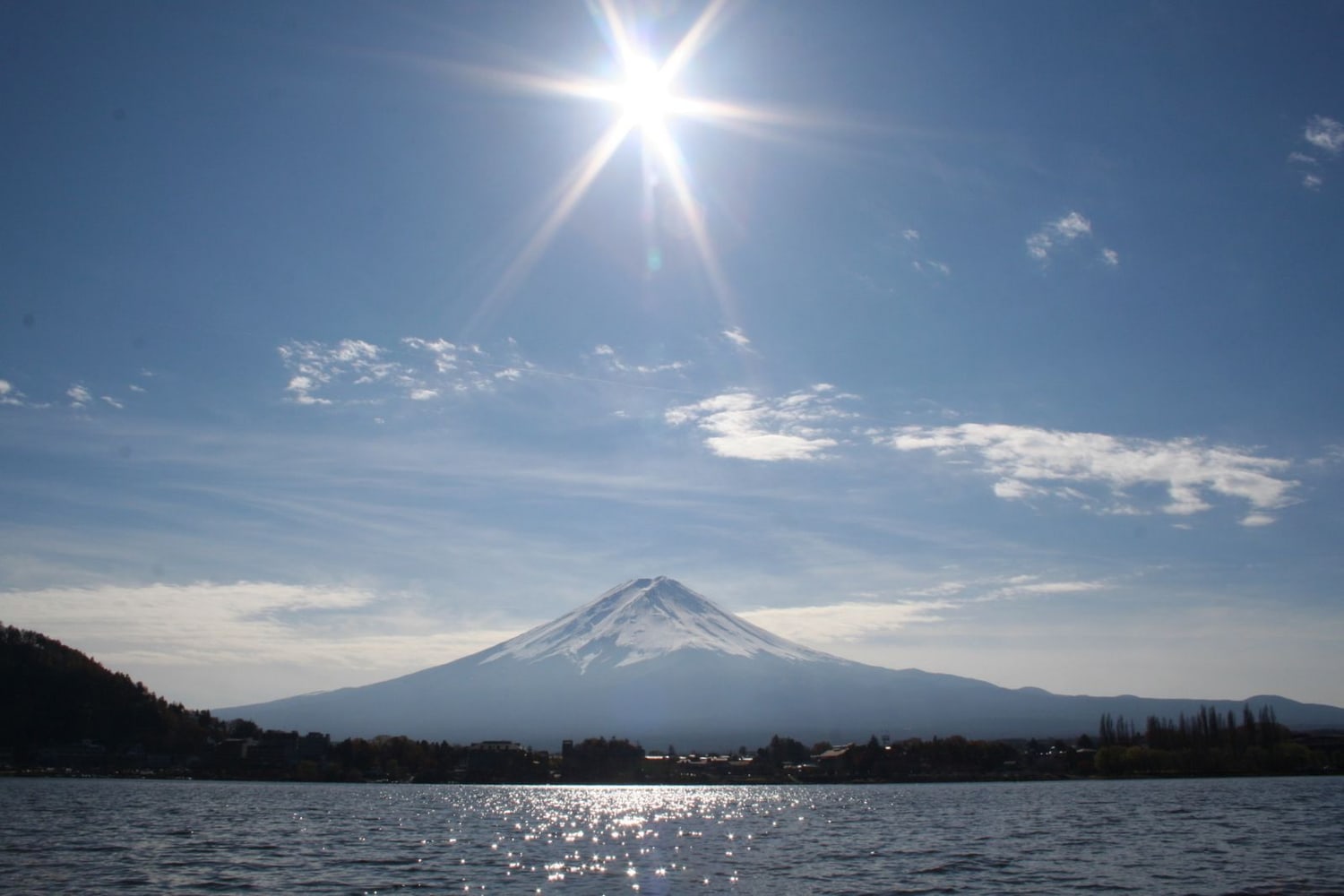
Fuji, Yokohama, or heidin hame: let the weather decide the end
Osaka/Kyoto → Tokyo area → Fuji or Yokohama
The last day ye maun accept that the weather will change yer Japan trip. Fuji is anely worth the bother gif the weather is guid; whan the weather is middlin, Yokohama harbour, Chinatown, Nissan Stadium, an some last shoppin in Tokyo are mair siccar. Memoirs o Endo Wataru, the national team, an Yokohama can be tied up here. A soople Japan trip isna aboot checkin aff a list ilka day – it's aboot kennin whan tae gie up ae sicht fir a smoother journey hame.
On the day ye're leavin, dinnae plan a lang-distance daunner. For a Fuji day, check the weather, transport, an yer luggage; Yokohama is better as a low-risk feenish.
🇯🇵 Japan(日本) Traivel story
Japan Traivel: Atween the Reek o Rain, Whustles, an Blue Samurai
Stories: Japan(日本), 蓝武士.
The Warld Cup broadcast at Shibuya Crossin wis the real stairt o ma Japan traivel. Nine at nicht, the fower reid lichts lit up at wance, haudin fowk ahint the crosswalks like a pot o watter juist ablow the bile. The screen abuin the TSUTAYA biggin wis showin Japan's pre-match footage, blue strips bobbin up in the crood like bits o sky. A salaryman had his briefcase claucht unner his oxter, leanin doon tae send a voice message tae a colleague: 'If we win the nicht, the morn's early meetin should be cancelled, aye?' The high-schuil laddie aside him let oot a laugh, but naebody shouted oot. Japanese excitement aften gets held doon in the thrapple first—then the whustle blaws, an it turns intae the soond o the hail street takin a breath at wance.
Afore the match kicked aff, A bocht a cup o oden frae the convenience store. The daikon had steeped in the broth till near see-throu, the tang o kombu creepin up the edge o the paper cup. The shop assistant speirt if A wantit mustard. Afore A cuid answer, the laddie ahint me in the Japan number 7 shirt had said 'sukoshi' fur me. He pyntit at the screen an said Mitoma Kaoru wis frae Kanagawa, then eikit: bairns that come oot o Kawasaki aye cairry the wind o the riverside pitches in their feet. A follaed his haun toward the street corner—taxis, umbrellas, supporter scarves an convenience-store steam aw melled thegither. Fitba wisnae sports news in that moment; it wis a smell o late-nicht Tokyo.
Read the full Japan(日本) World Cup travel storyBraw photos o weel-kent local players
Japan(日本) Players
蓝武士: Players, Cultural signals.
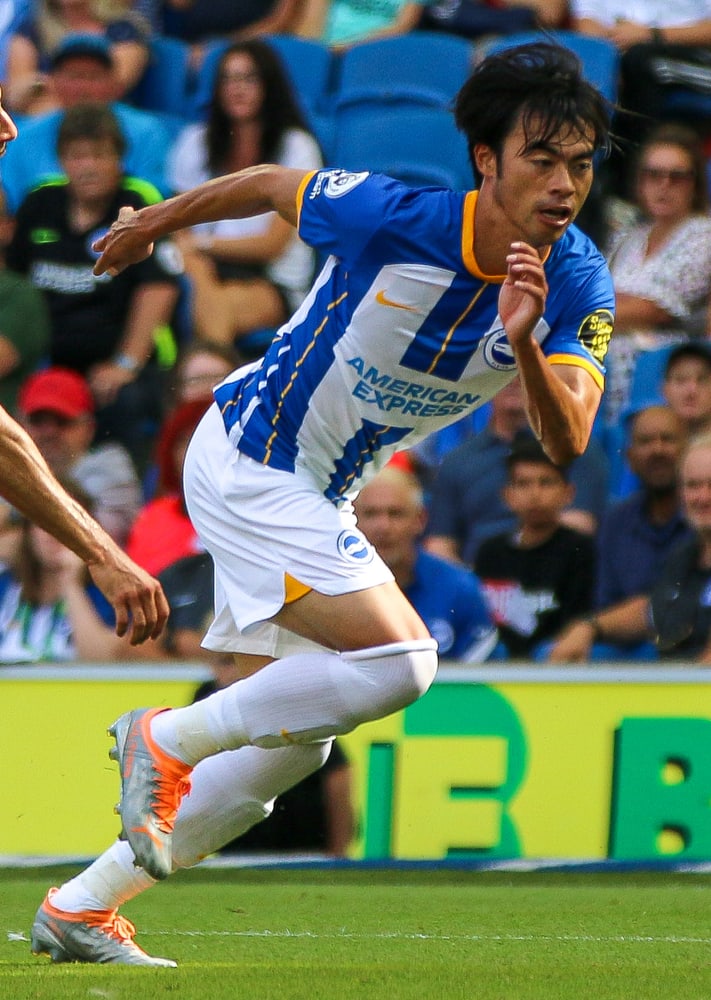
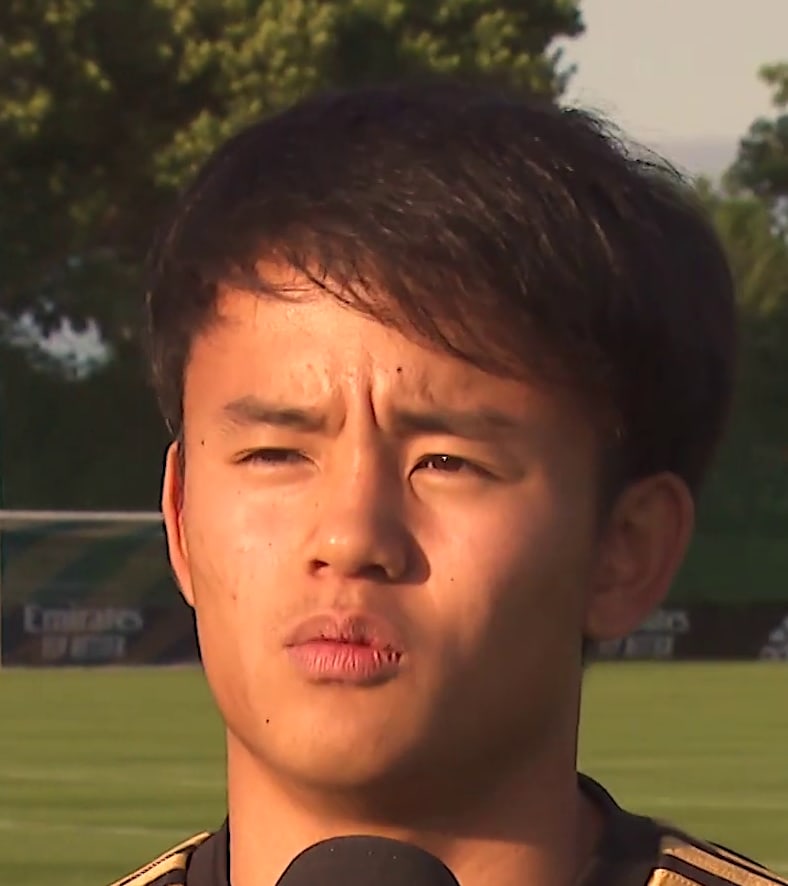
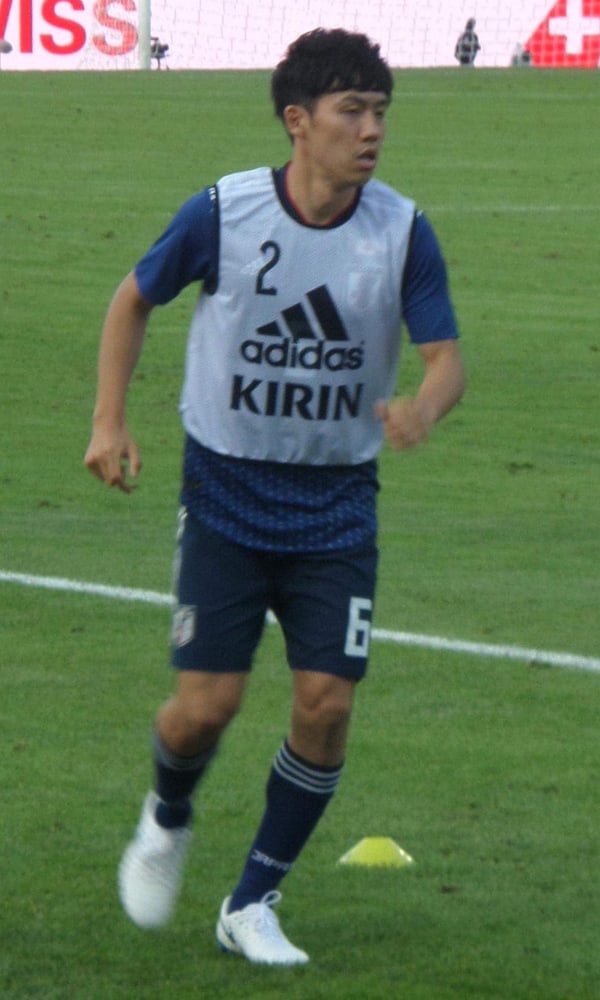
Recommendit airport an flight budget
Japan(日本) Plannin
Plannin: Japan(日本). Airfare is a seasonal budget estimate; final price depends on real-time search.
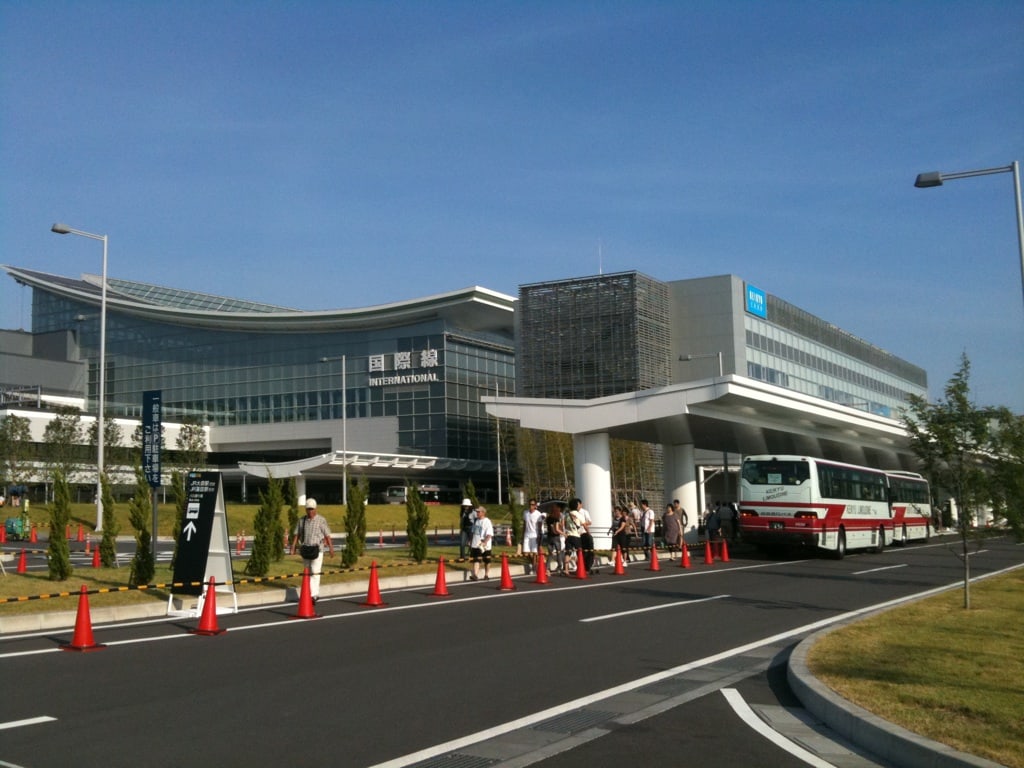
HND
Haneda Airport (羽田空港)
The nearest international airport tae Tokyo (東京) centre, guid for Tokyo (東京), Yokohama (横浜) an same-day domestic connections.
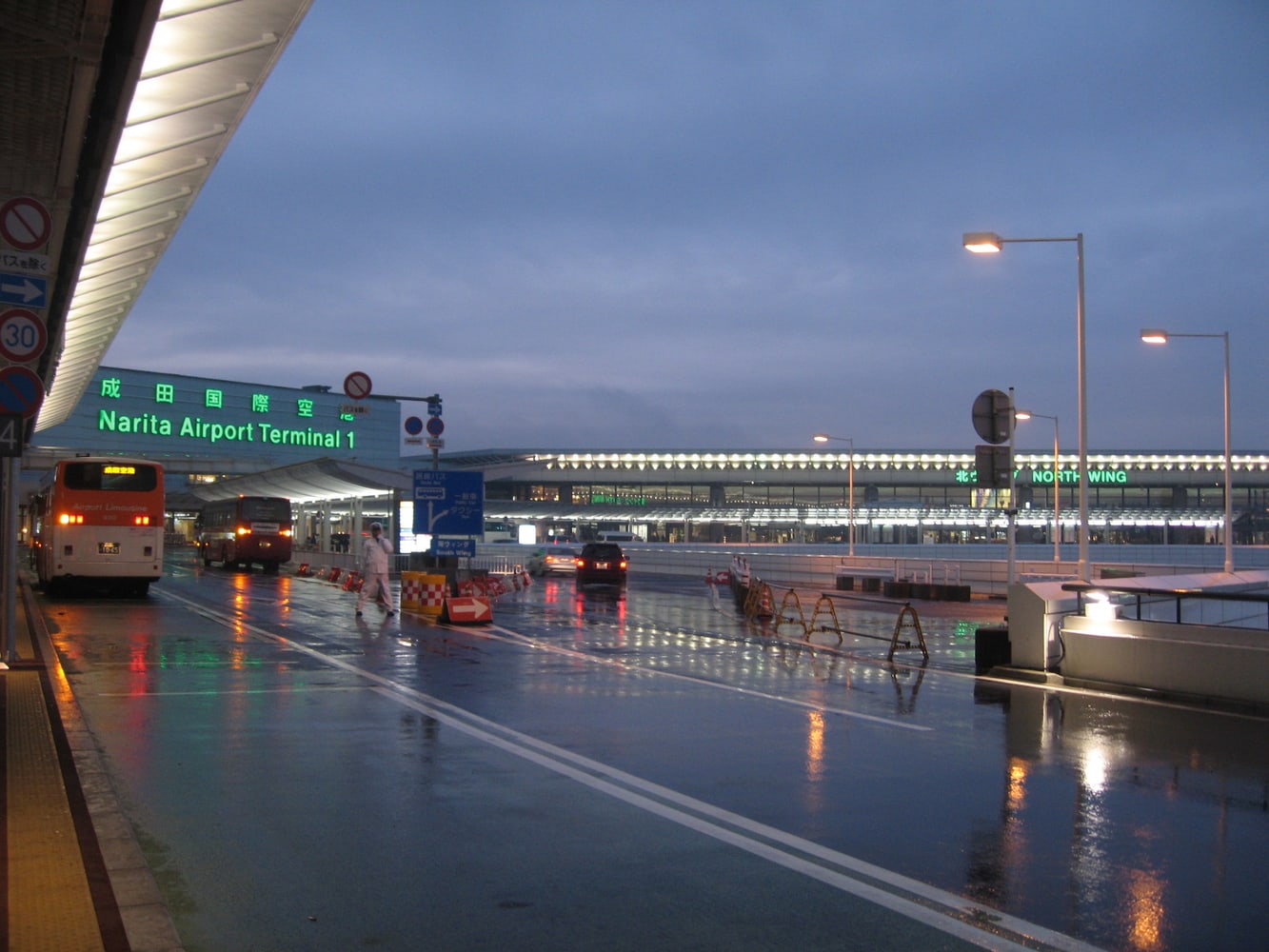
NRT
Narita International Airport (成田国際空港)
Mair international route options for Tokyo (東京), but longer intae the ceety; suitable for budget carriers an international transfers.
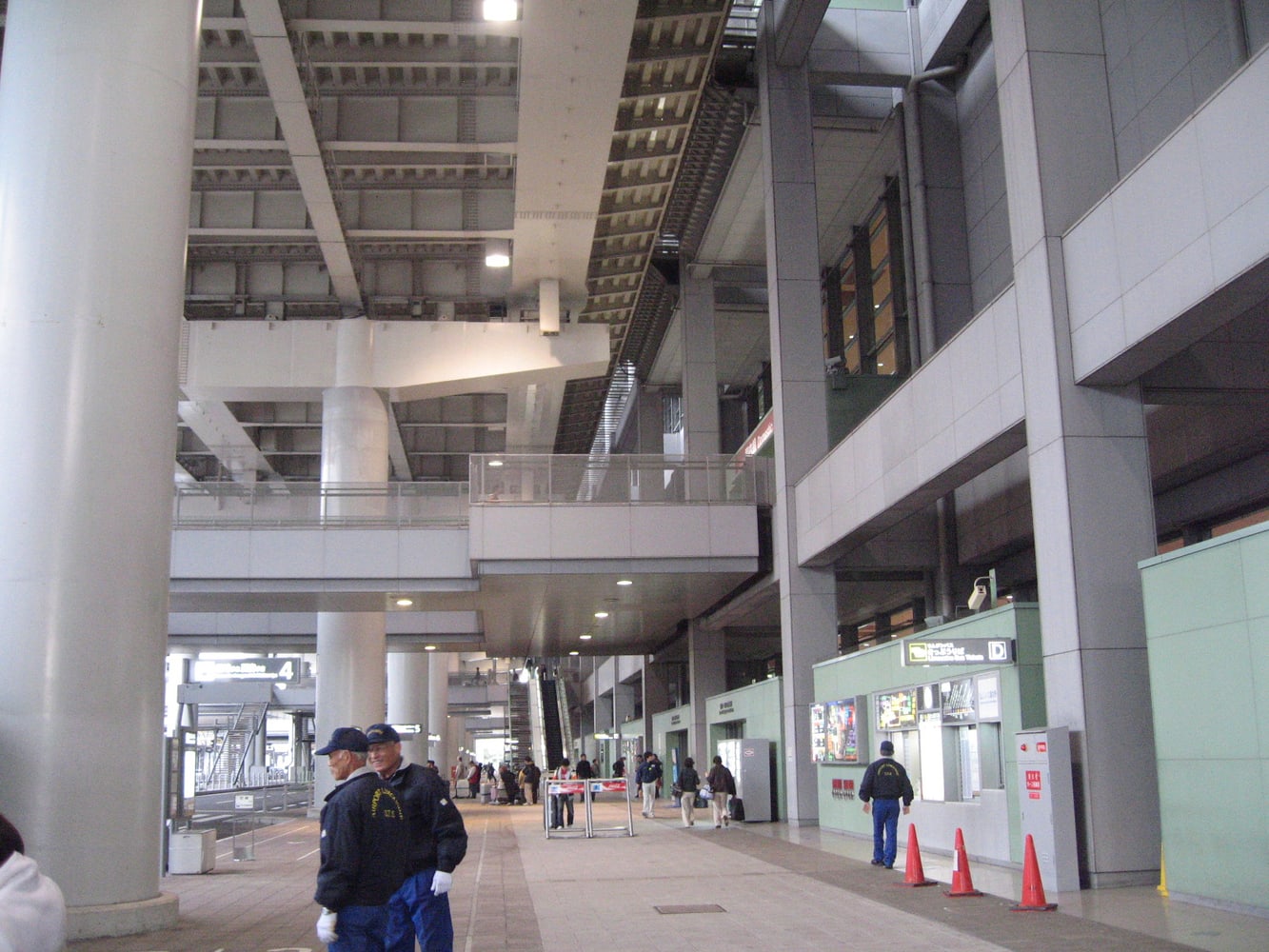
KIX
Kansai International Airport (関西国際空港)
The gateway tae Kansai (関西), guid for Osaka (大阪), Kyoto (京都), Nara (奈良) an Kobe (神戸) routes.
Local customs
- The grund rule o Japanese manners is: 'dinnae impose yer ain bother on ithers.' On the train, haud the phone calls tae a minimum; tak yer rubbish back tae the hotel; wash yer body clean afore gettin intae the onsen; queue frae the end; an dinnae suddenly stop in a narrow street tae tak a selfie. Ye dinnae need tae be tense an bow like an actor, but watch the rhythm o the place: if ithers are quiet, ye be quiet; if they pit awa their umbrella, ye dae the same.
- Respect the system o the restaurant. Ramen shops aften hae a ticket machine first; izakaya micht chairge a seat fee; sushi shops micht seat ye strictly bi reservation time; wee shops micht nae accept separate payment. If ye see a queue, first check if ye need tae write yer name, tak a nummer, or jist staa at the end – dinnae stick yer heid in the door an ask the kitchen. Allergies, vegetarian, halal etc. need a Japanese explanation ready, cause 'remove the onion/garlic/stock/soy sauce' cannae aye be done on the spot in a wee place.
- On match day, dinnae treat Shibuya (渋谷) as juist a celebration backdrop. Japanese stadiums hae clear rules for home/away stands, supportin sections, flag sizes, allowed food, rubbish separation an exit flow; followin local fans tae buy tickets, enter, sing an leave feels mair natural than improvisin. Tak photos o fowk, bairns, or supportin groups only efter seein if it's appropriate; especially on a crowded train or in a fan queue, dinnae shove yer camera in onybody's face.
Japan(日本) Gettin aboot locally?
The key tae Japan transport isna 'buy a pass', but tae layer yer routes: within ceeties uise Suica/PASMO/ICOCA etc. IC cards or mobile wallet, Tokyo-Kyoto/Osaka uise single Shinkansen tickets, between Kyoto an Osaka uise normal JR/private rail. Ilka body needs their ain IC card, cause entry/exit is charged bi individual distance. If ye hae muckle luggage, send it via takkyūbin frae Tokyo tae Kyoto/Osaka in advance, mair comfortable than draggin it on a crowded metro. Google Maps works fine, but transfer stations are muckle, sae leave 10-15 meenits tae find the platform; Kyoto (京都) buses are crowded in peak saison; leavin early in the morn an comin back at nicht is easier than crossin the sights at midday. Taxis are clean but dear, only fur late nicht, rain, big luggage or wi aulder fowk an bairns.
Japan(日本) Route references?
The maist useful thing for a first timer in Japan isnae the answer o 'how mony days in Tokyo, how mony in Kyoto', but raither solvin the friction points o ilka day in advance: dinnae force yersel tae see sights on the day ye land; on Tokyo match days, plan for the exit crowd an last train; on Shinkansen day, handle yer luggage; in Kyoto, uise the early mornin an late evenin rather than midday; in Osaka, be ready for food an nightlife; Mount Fuji/Yokohama can only be chosen flexibly based on weather an flight schedules. The Samurai Blue thread enters via the Naitional Stadium, J League, Kawasaki, Yokohama, an Saitama, then uses Mitoma, Kubo, an Endo tae bring European attention back tae Japan's domestic fitba ecosystem. Arrivin in Tokyo: Soft landin wi Shibuya an convenience stores HND / NRT → Shinjuku/Shibuya → convenience store dinner Haneda gets ye intae the city faster; Narita needs 60-90 minutes tae the centre. Stay near a major subway station on the first nicht; dinnae cram Asakusa, Odaiba, Tokyo Tower, an Shibuya intae the same evenin. Tokyo Fitba Day: Naitional Stadium, J League, an Match Nicht Harajuku/Sendagaya → Naitional Stadium → Shibuya match nicht Check J League/naitional team fixtures in advance, confirm hame/away stands, e-tickets, prohibited items, an exit routes. Dinnae try tae catch the last train tae anither city efter the match. Tokyo tae Kyoto: Makin the Shinkansen the journey itsel Tokyo Station → Shinkansen → Kyoto Station → Higashiyama(東山) Tokyo-Kyoto is aboot 2 hours 15 minutes. In peak season, book a reserved seat; for big luggage, check the oversized baggage rule or send it ahead.
Recommendit hotels near the airport
Japan(日本) Plannin
Plannin: Japan(日本).
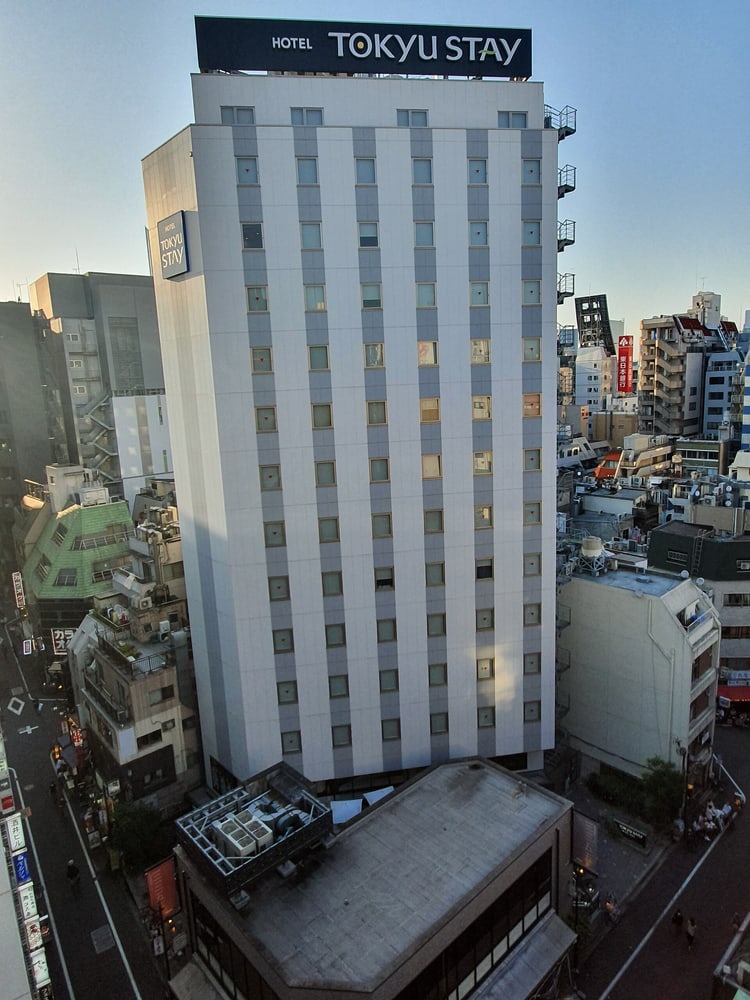
Tokyu Stay Shinjuku (東急ステイ新宿)
Price range: $120-$260/nicht
A guid choice for first time in Tokyo (東京): Shinjuku Sanchome (新宿三丁目) haes plenty metro lines, easy late-nicht eatins, an stays oot the core noise o Kabukichō (歌舞伎町). The hightlicht isnae luxury but the common in-room washer/microwave – handy for sortin yer pack afore the Kyoto (京都) leg. The doon side is wee rooms; if ye're twa, open suitcases tak turns; weekend an cherry blossom/autumn leaf saison need early bookin.
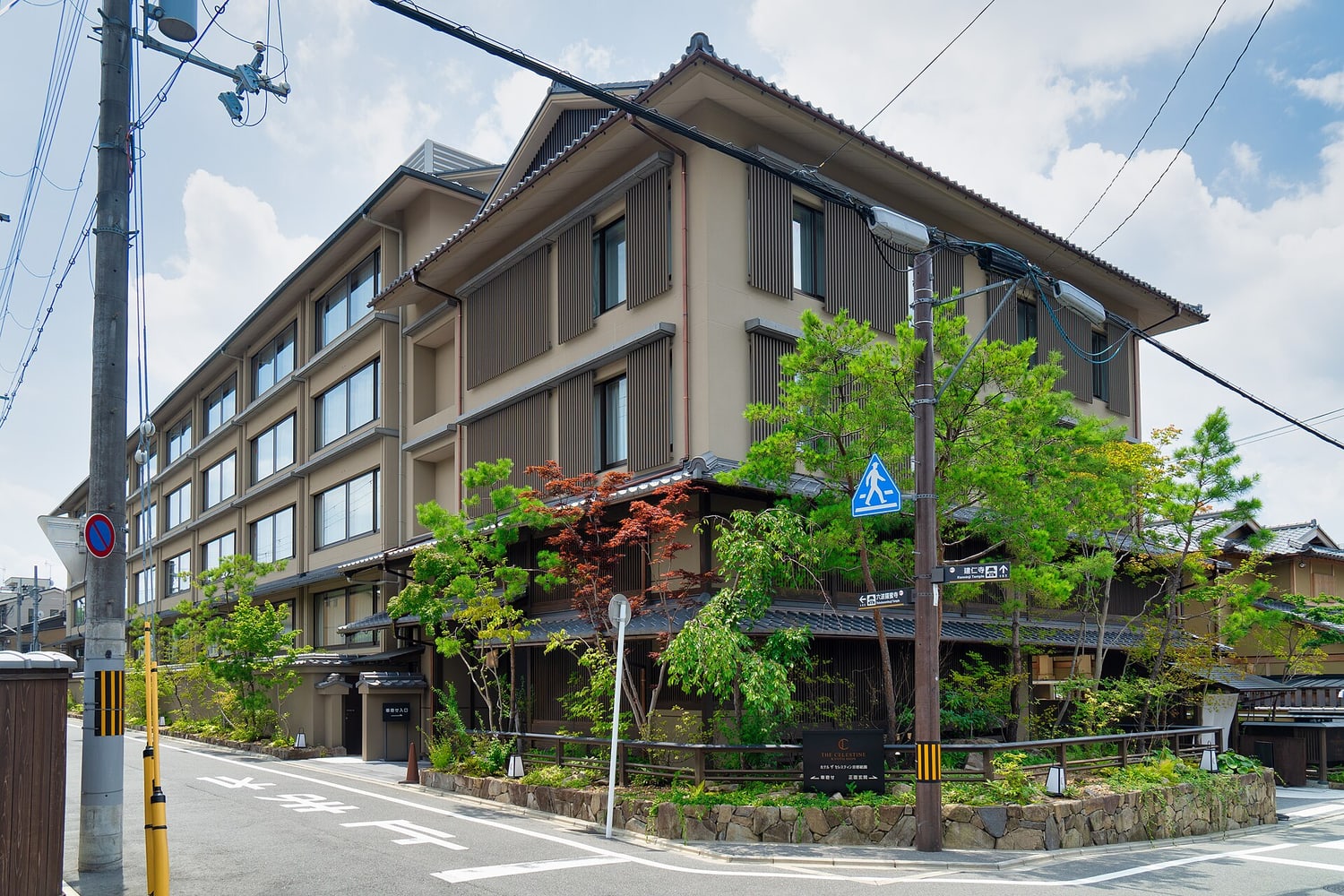
Hotel The Celestine Kyoto Gion (ホテル ザ セレスティン 京都 祇園)
Price range: $180-$420/nicht
Ideal for fowk that want tae experience Kyoto (京都) as 'early mornin an late eenin'. Location near Higashiyama (東山), Gion (祇園), Kennin-ji (建仁寺) an the Kamo River (鴨川); an early morn walk tae temples is mair pleasant than a midday crowded bus. The hotel is quiet an feels quality – guid for twa nichts or mair; if ye're headin tae Arashiyama (嵐山), Fushimi Inari (伏見稲荷) an Osaka (大阪) ilka day, then Shijō (四条) / Kyoto Station (京都駅) micht be mair convenient.
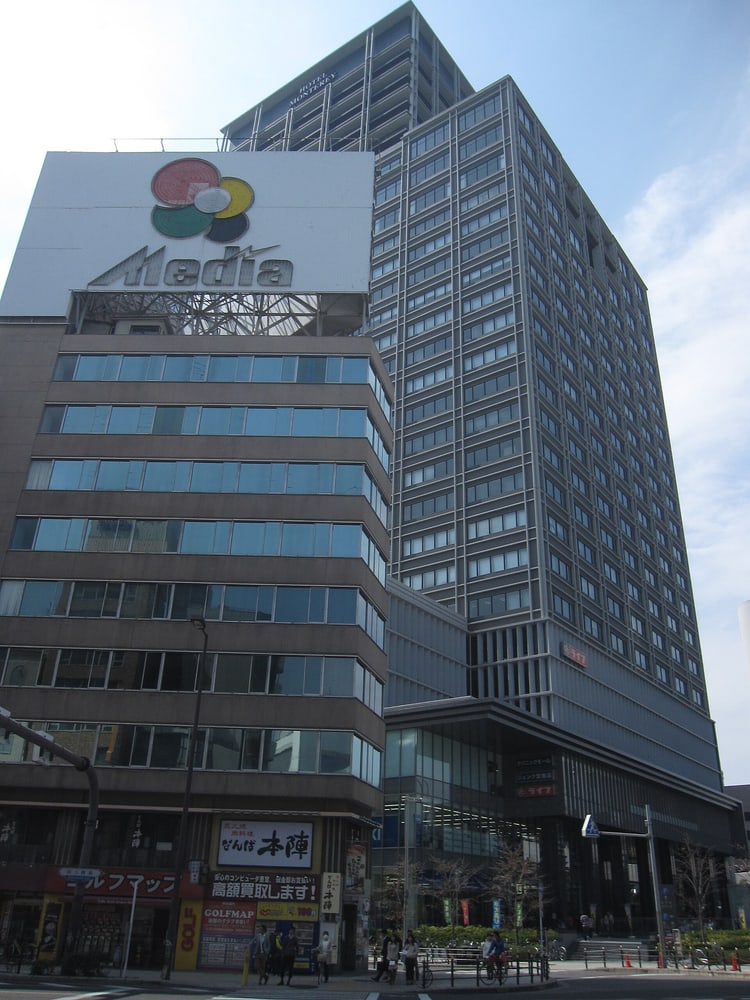
Hotel Monterey Grasmere Osaka (ホテルモントレ グラスミア大阪)
Price range: $100-$240/nicht
A transport-friendly hotel abuin Namba (難波), ideal for Dōtonbori (道頓堀) late-nicht eats, Kansai International Airport (関西国際空港) an day trips tae Kyoto (京都)/Nara (奈良). Its value is nae needin multiple late-nicht transfers. Note: Osaka (大阪) prices fluctuate on weekends, concert an Japanese holiday times; if ye hae a big suitcase, check the lift route frae the station tae the hotel.
Local food an restaurants
Japan(日本) Cultural signals
Cultural signals: Japan(日本).
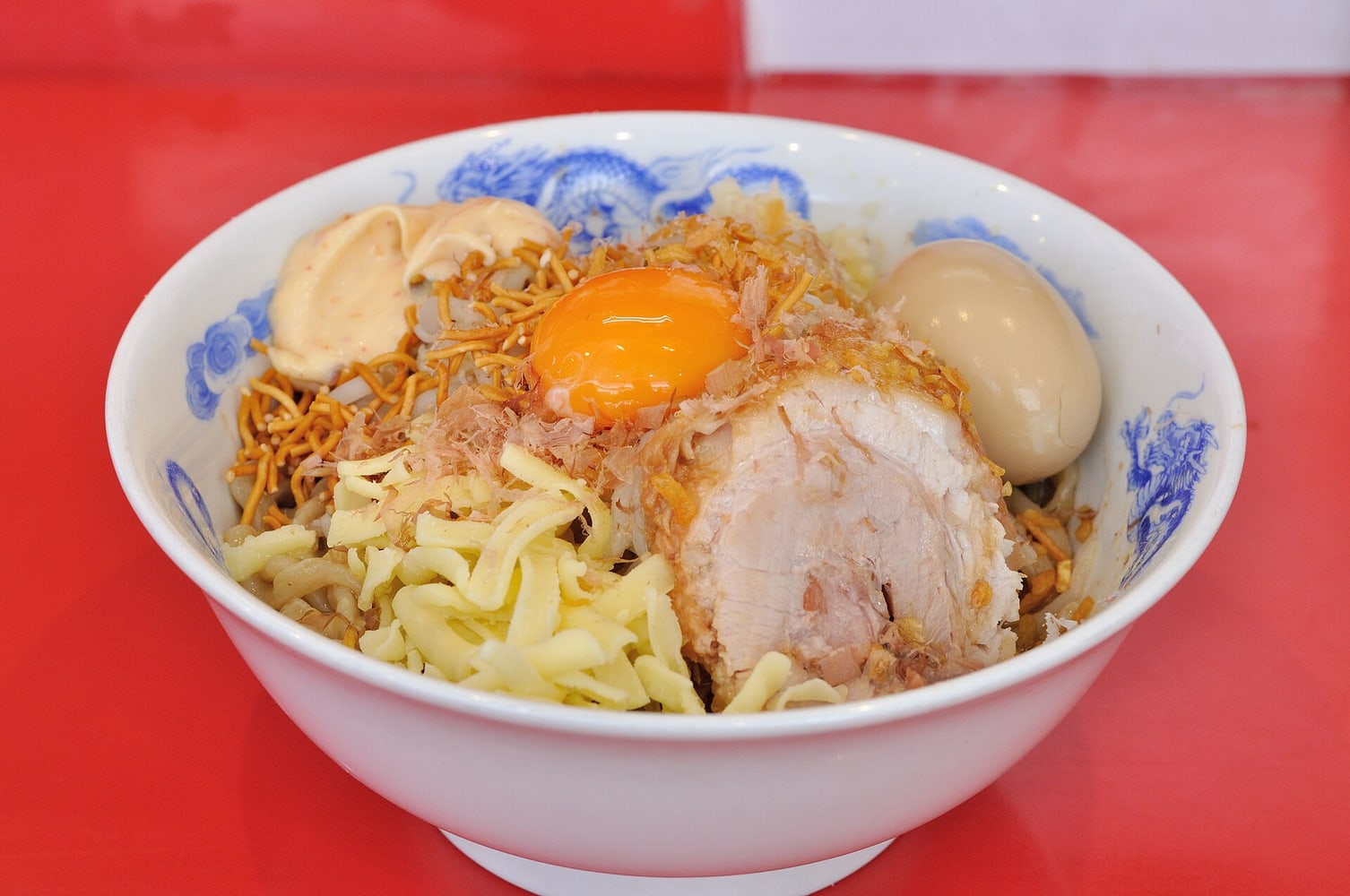
Ramen (ラーメン)
Ramen is the maist stable 'low-friction dinner' in Japan travel: buy a ticket fae a machine, queue, sit, eat, leave – perfect for match nichts or arrivin efter a Shinkansen ride. The practical advice is: dinnae obsess over Instagram-famous shops; local places twa or three stations awa are aften better. Tonkotsu (豚骨), shōyu (醤油), shio (塩), miso (味噌) are unco different; orderin the shop's signatur the first time is enough.
Recommendit restaurants: Sushiro(スシロー), Nemuro Hanamaru(根室花まる), local tachi-gui sushi shops, an izakaya recommendit by the hotel concierge
Budget: JPY 900-1,800
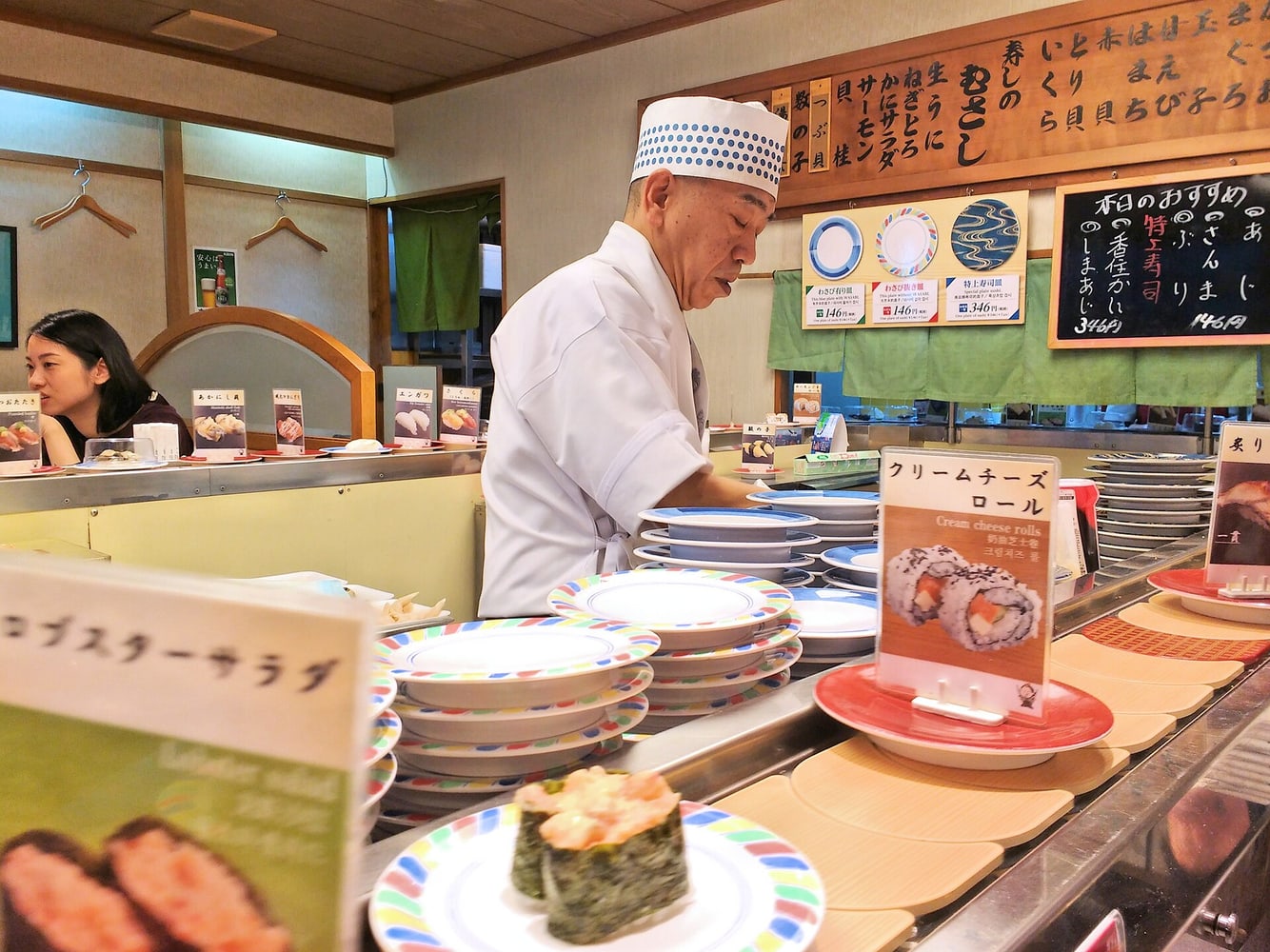
Sushi / Izakaya (寿司 / 居酒屋)
Sushi needs budget tiers: kaiten-zushi (回転寿司) for a relaxed meal, tachi-gui sushi (立ち食い寿司) for a quick solo bite, an reservation-only shops that value punctuality an manners. Izakaya is guid for a second round efter watchin a match, but watch oot fur seat fees, minimum orders an smokin rules. If ye dinnae speak Japanese, pick a shop wi pictur menus or ask the hotel concierge; orderin fewer rounds at a time is safer than orderin aw at once.
Recommendit restaurants: Sushiro(スシロー), Nemuro Hanamaru(根室花まる), local tachi-gui sushi shops, an izakaya recommendit by the hotel concierge
Budget: JPY 1,500-8,000+
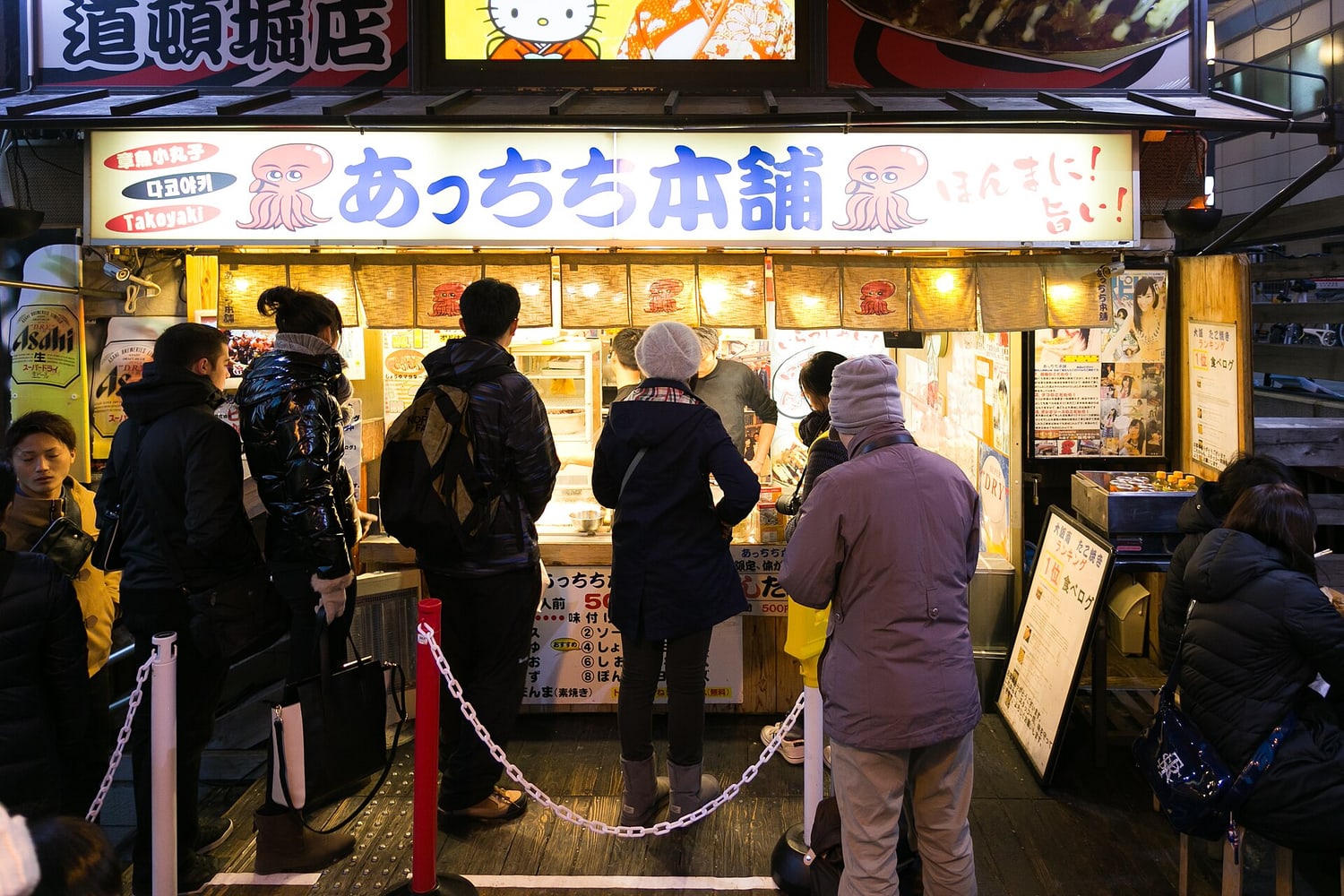
Takoyaki / Okonomiyaki (たこ焼き / お好み焼き)
Osaka (大阪) street food fits intae a nicht itinerary: tak photos at Dōtonbori (道頓堀) then eat takoyaki, or sit doon for okonomiyaki an a beer. Takoyaki is awfy het fresh oot the pan; dinnae eat it while walkin an pushin through crowds. At okonomiyaki shops, some let ye cook yersel, some the staff cook – watch the rhythm first. After a match nicht, look for a shop near Namba (難波)/Umeda (梅田) rather than goin oot yer wey tae a famous one.
Recommendit restaurants: Dōtonbori (道頓堀) wee shops, Mizuno (美津の), Sennichimae (千日前)/Namba (難波) okonomiyaki restaurants
Budget: JPY 600-2,500
Japan(日本) Local food an restaurants?
Ramen (ラーメン) Ramen is the maist stable 'low-friction dinner' in Japan travel: buy a ticket fae a machine, queue, sit, eat, leave – perfect for match nichts or arrivin efter a Shinkansen ride. The practical advice is: dinnae obsess over Instagram-famous shops; local places twa or three stations awa are aften better. Tonkotsu (豚骨), shōyu (醤油), shio (塩), miso (味噌) are unco different; orderin the shop's signatur the first time is enough. Sushiro(スシロー), Nemuro Hanamaru(根室花まる), local tachi-gui sushi shops, an izakaya recommendit by the hotel concierge JPY 900-1,800
Nightlife, shows an entertainment venues
Japan(日本) Cultural signals
Cultural signals: Japan(日本), 蓝武士.
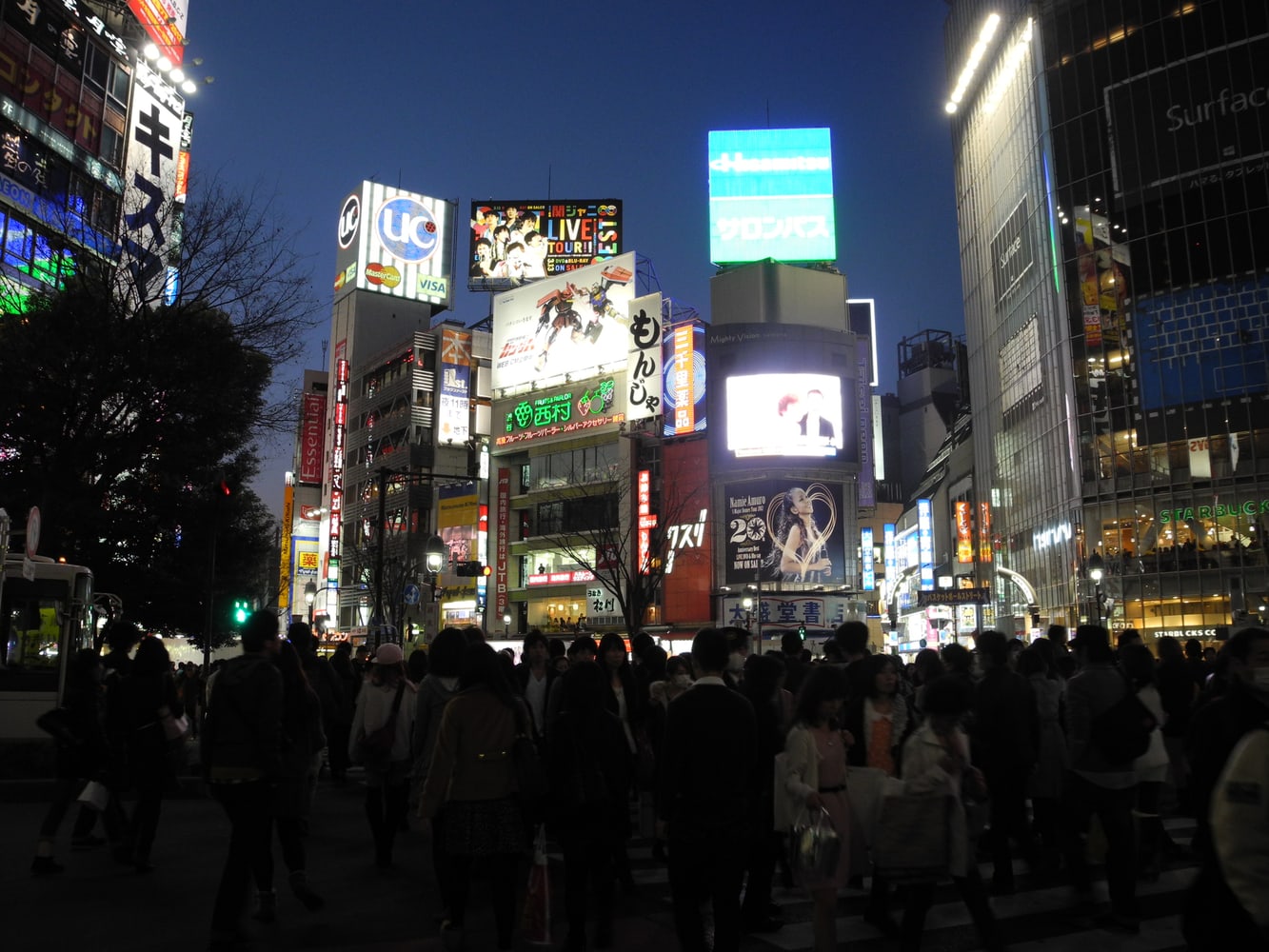
Shibuya (渋谷) Match Nicht
Shibuya (渋谷) is the place tae feel the ceety energy on a Japan national team match nicht, but write the real risks: post-match crowd flow, police guidance, restrictions on stoppin at the crossin, an last train pressure. Better watch the match at a bar or hotel first, then walk tae the crossin tae feel the atmosphere; dinnae bring yer luggage, an dinnae stand next tae traffic for a lang live stream.
Kyoto (京都) Evening Walk
The point o Kyoto (京都) isnae tae rush through aw the temples at once, but tae pick the richt time. Kiyomizu-dera (清水寺), Ninenzaka (二年坂), Sannenzaka (三年坂), Gion (祇園) an the Kamo River (鴨川) are maist beautiful in the early mornin/evenin; at midday when crowded, it's better tae rest at the hotel or a café. When takin photos o streets, avoid pròprietie doors; dinnae chase geisha (芸者) or local residents.
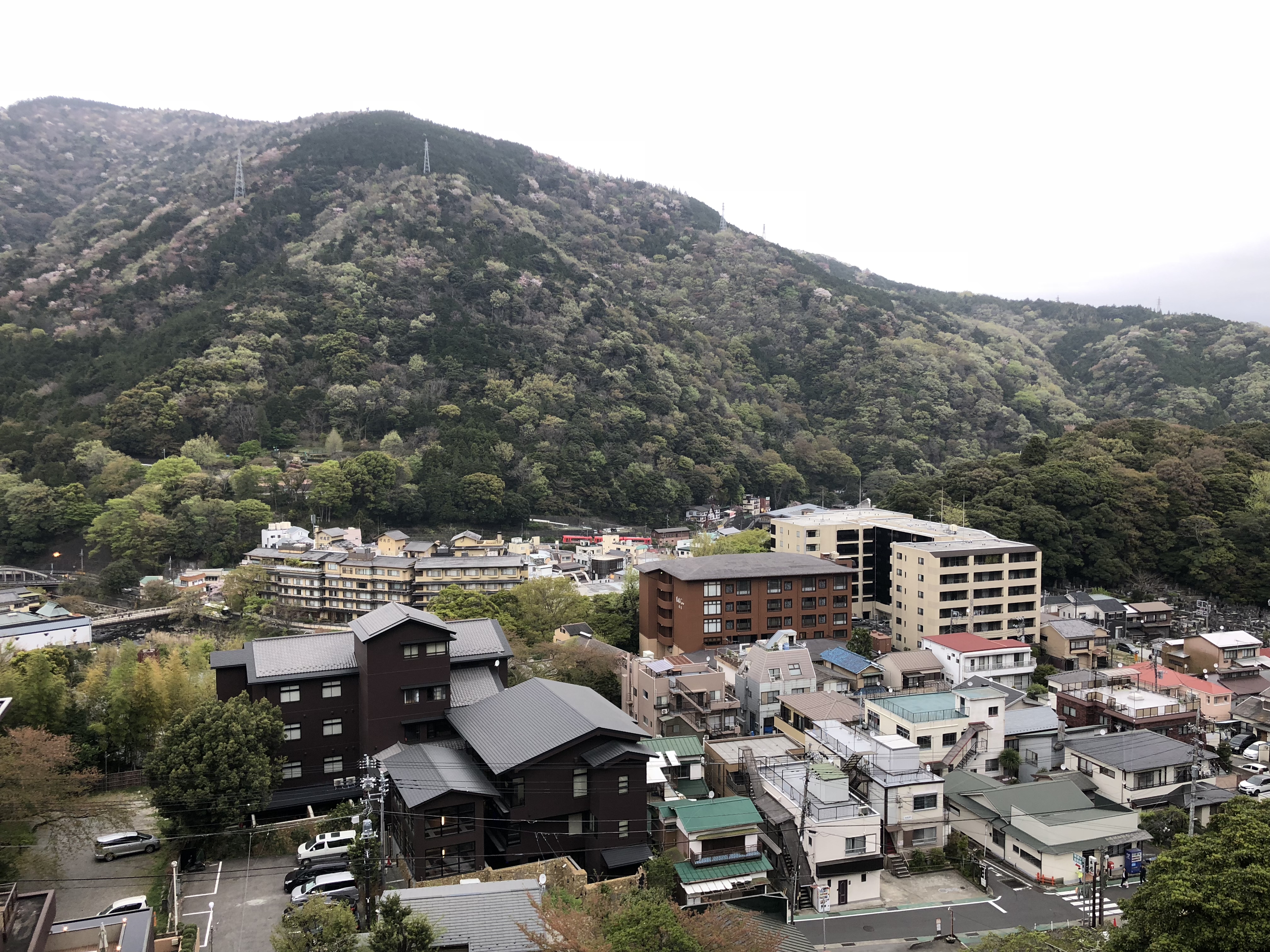
Onsen / Sento (温泉 / 銭湯)
Onsen an sento are a guid gate intae Japanese order: first tak aff yer shoes, then yer claes, wash yer body, keep yer hair oot the watter, an dinnae put yer towel in the pool. Tattoo policies still vary bi shop; check in advance if it's 'tattoo friendly' or prepare a coverin patch. For a first time, try the hotel's lairge bath or a ceety sento – the rules are less pressurised than a mountain onsen ryokan.
Domestic fitba clubs
Japan(日本) Players
Players: Japan(日本), 蓝武士. The Japan clubs section should bring the European star labels back tae the domestic scene: the Tokyo area, Kawasaki, Yokohama, Saitama, an Osaka/Kansai thegither form a map that fitba tourists can actually follae. The focus isnae 'how strong the club is', but hoo tae get there by transport, hoo tae buy tickets on match day, whit the supporter section rules are, an how these clubs connect youth development, the community, an the naitional team.
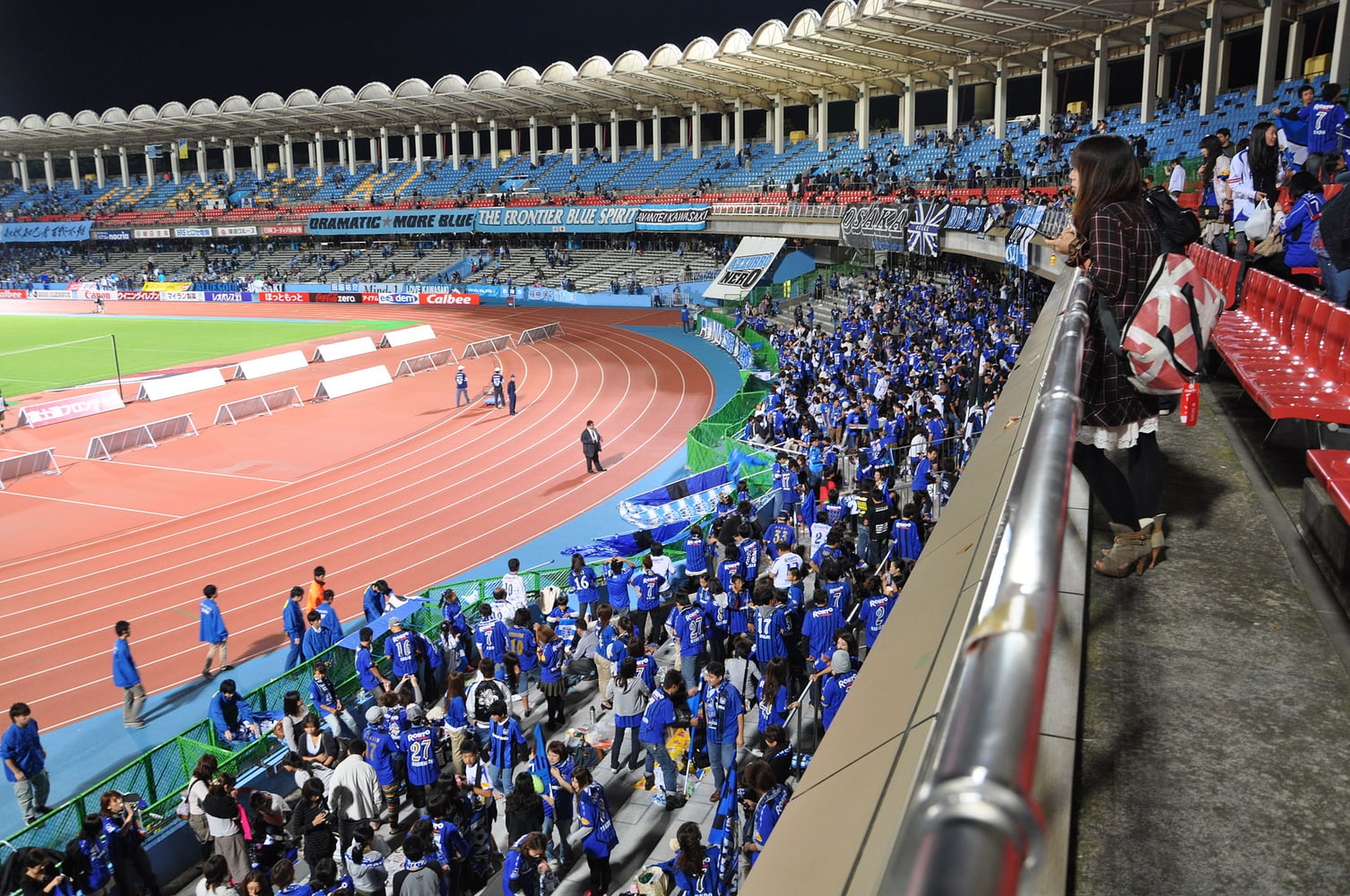
Kawasaki (川崎)
Kawasaki Frontale (川崎フロンターレ)
Kawasaki Frontale is a key portal for the paths o modern Japanese players like Mitoma Kaoru an Morita Hidemasa. A day trip frae Tokyo tae Todoroki Athletics Stadium is quite practical, an it's guid for seein the community feel o Japanese clubs, faimilies watchin matches, an technical fitba. Veesitors shuid check aforehand which side is hame an which is away, sae ye dinnae pit on the wrang colour in the support section; efter the match, gaun back tae Tokyo is mair siccar than crossin the city for a second nicht oot.
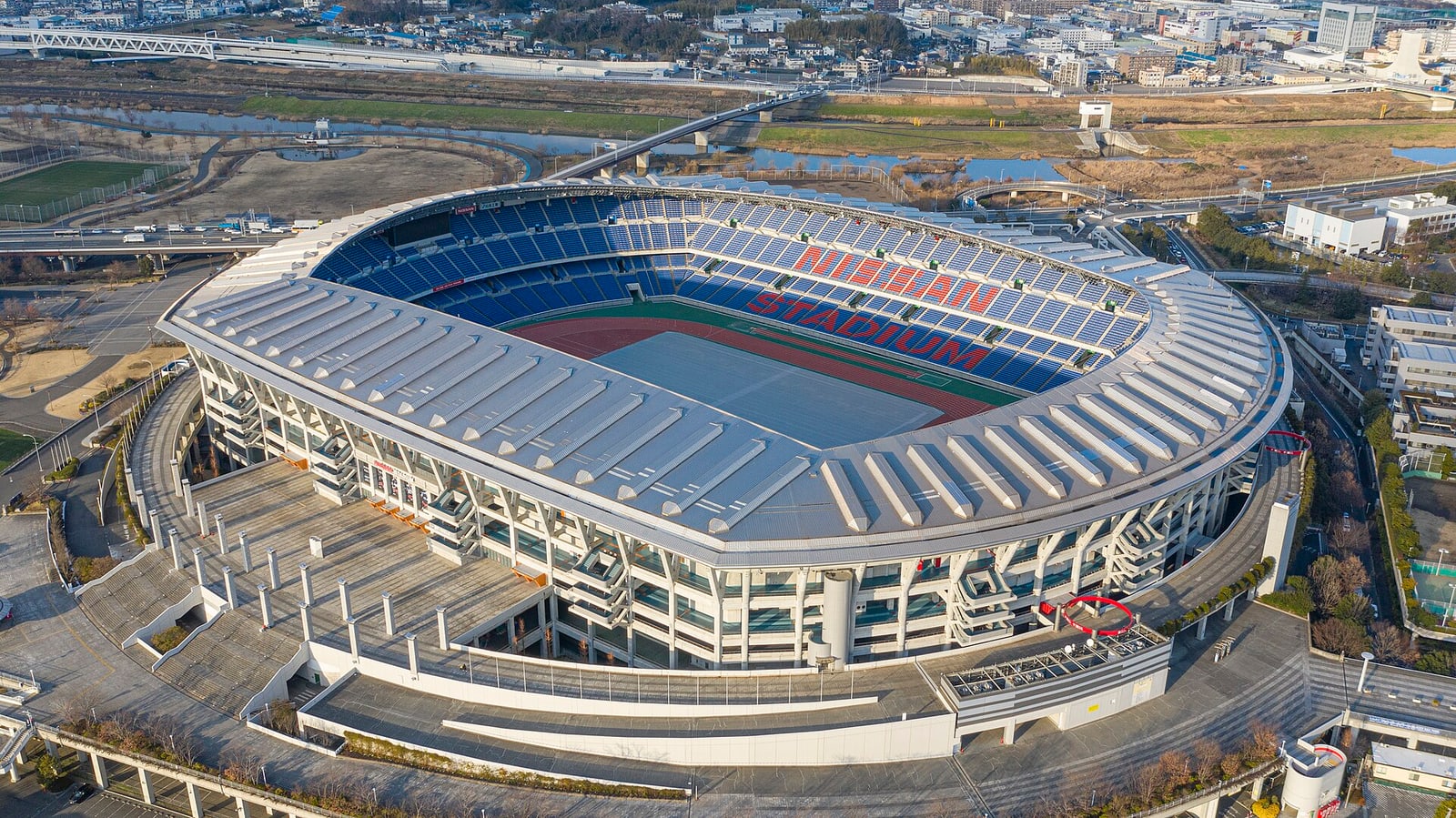
Yokohama (横浜)
Yokohama F. Marinos (横浜F・マリノス)
Yokohama F. Marinos ties the port city, Nissan Stadium, an memorie o the Japan national team thegither. It suits bein on the same day as Yokohama harbour, Minato Mirai, an Chinatown; gif Tokyo is ower thrang, Yokohama is a low-friction fitba side branch. The page shoud focus on transport an leavin: Nissan Stadium is handy frae Shin-Yokohama Station, an can link wi Shinkansen an Yokohama accommodation.
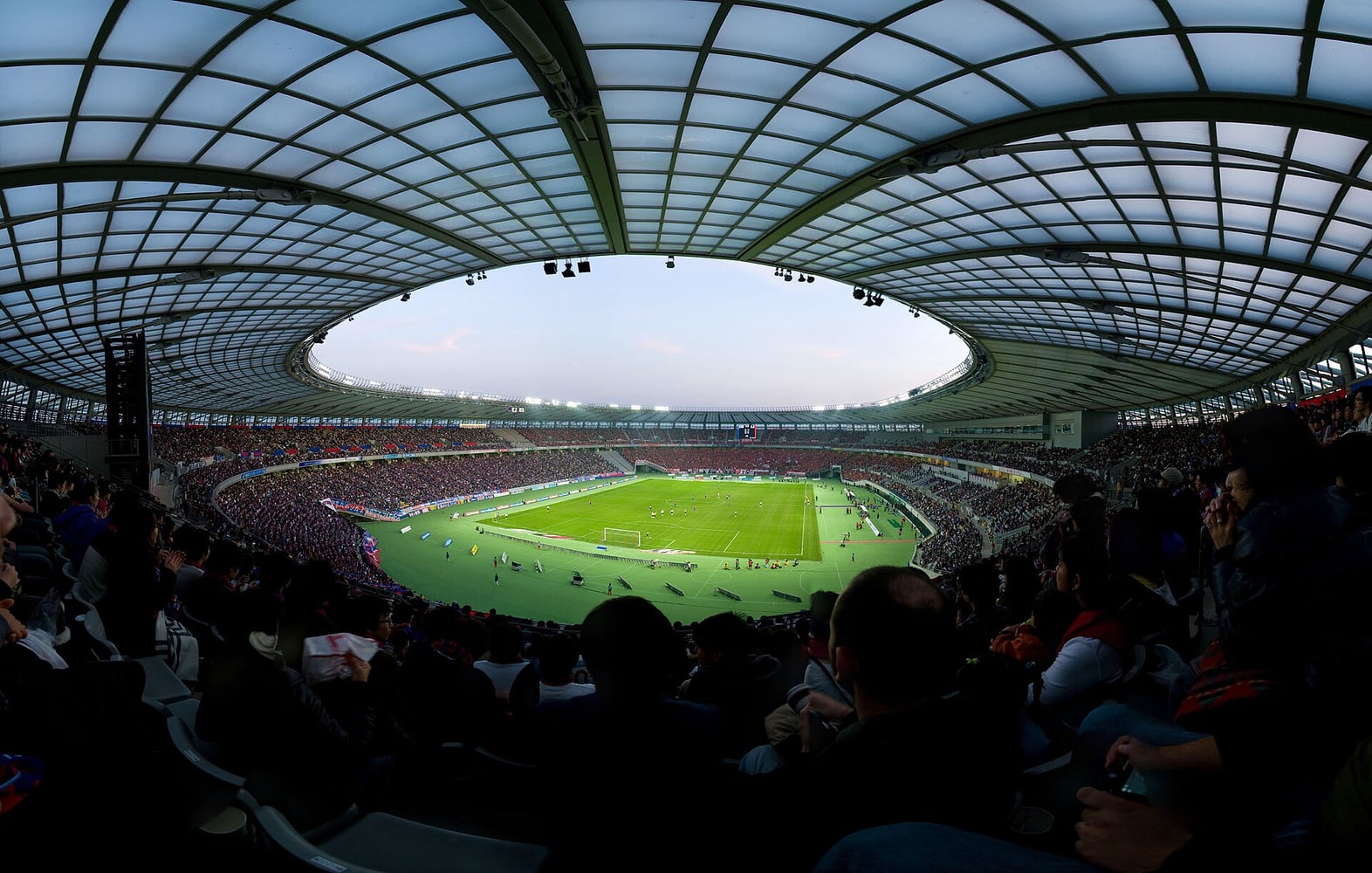
Tokyo (東京)
FC Tokyo (FC Tokyo)
FC Tokyo is the maist direct J.League entry in the caipital. Ajinomoto Stadium is suitable fir writin Tokyo's rail network, match-day order, an local fan culture intae a doable route. It'sna as theatrical as a Shibuya match nicht, but it lets foreign veesitors see Japanese fitba on a normal weekend.
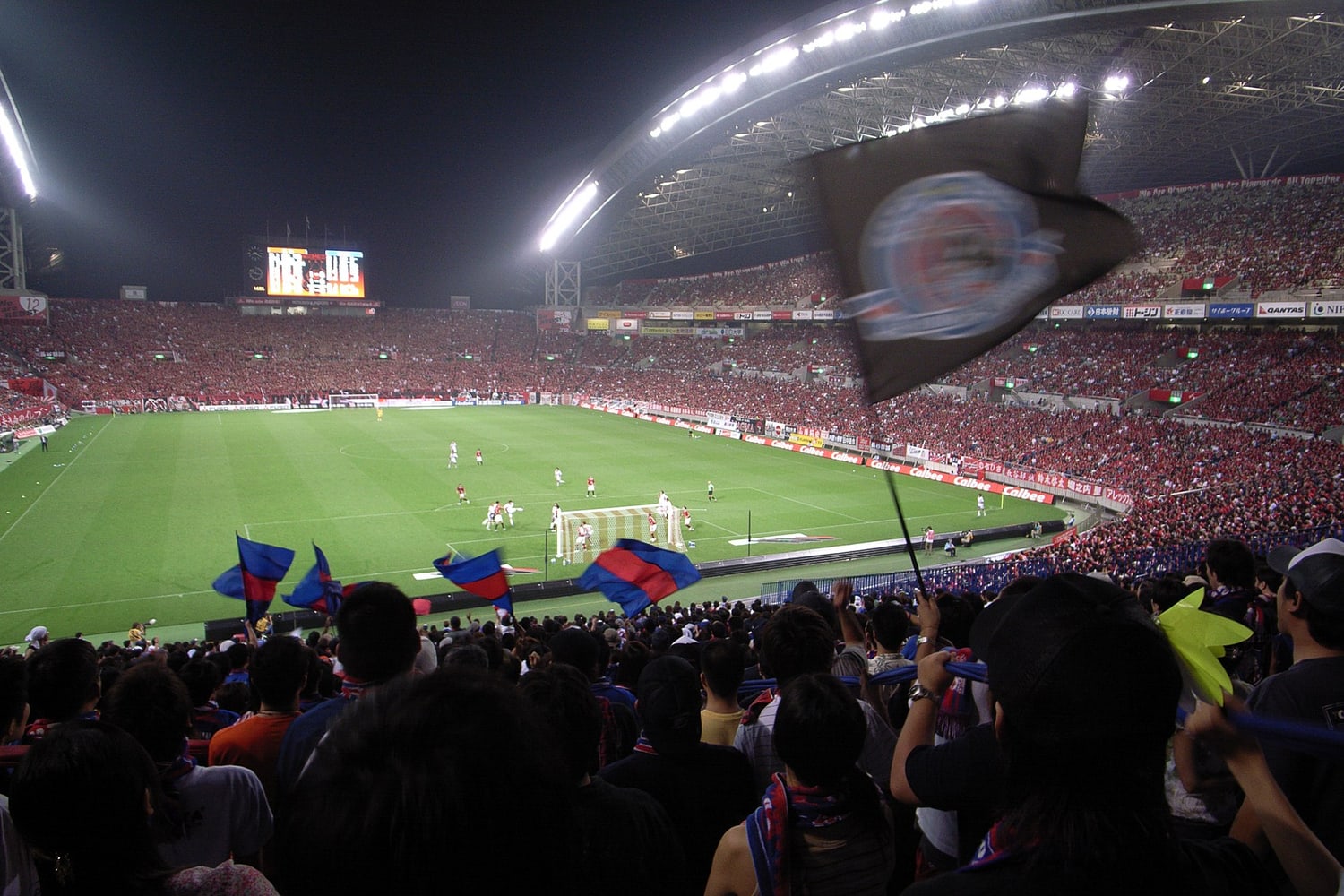
Saitama (埼玉)
Urawa Red Diamonds (浦和レッドダイヤモンズ)
Urawa Red Diamonds staunds for ane o Japan's maist intense club fan culturs. Saitama Stadium an the reid stand's atmosphere are awfy impactful. It's guid for deep fitba traivellers, but needs mair beforehand understandin o the support section, away section, travel time, an the thrang at leavin time; fir yer first Japanese match, it's better tae start wi a normal seat.
Landscape anchors
Japan(日本) Explair kintras: 蓝武士
Explair kintras: Japan(日本), 蓝武士. Ahint the Samurai Blue, there's Tokyo nichtlife, Kyoto temples, the shinkansen, convenience stores, an' Japan travel that's precise tae the minute.
Shibuya Crossing(渋谷スクランブル交差点)
The ultimate picture o Tokyo city energy: crowds, neon, match nicht and Japanese pop culture intersect here. Suggest comin efter 11pm; the atmosphere is completely different when it's less crowded.
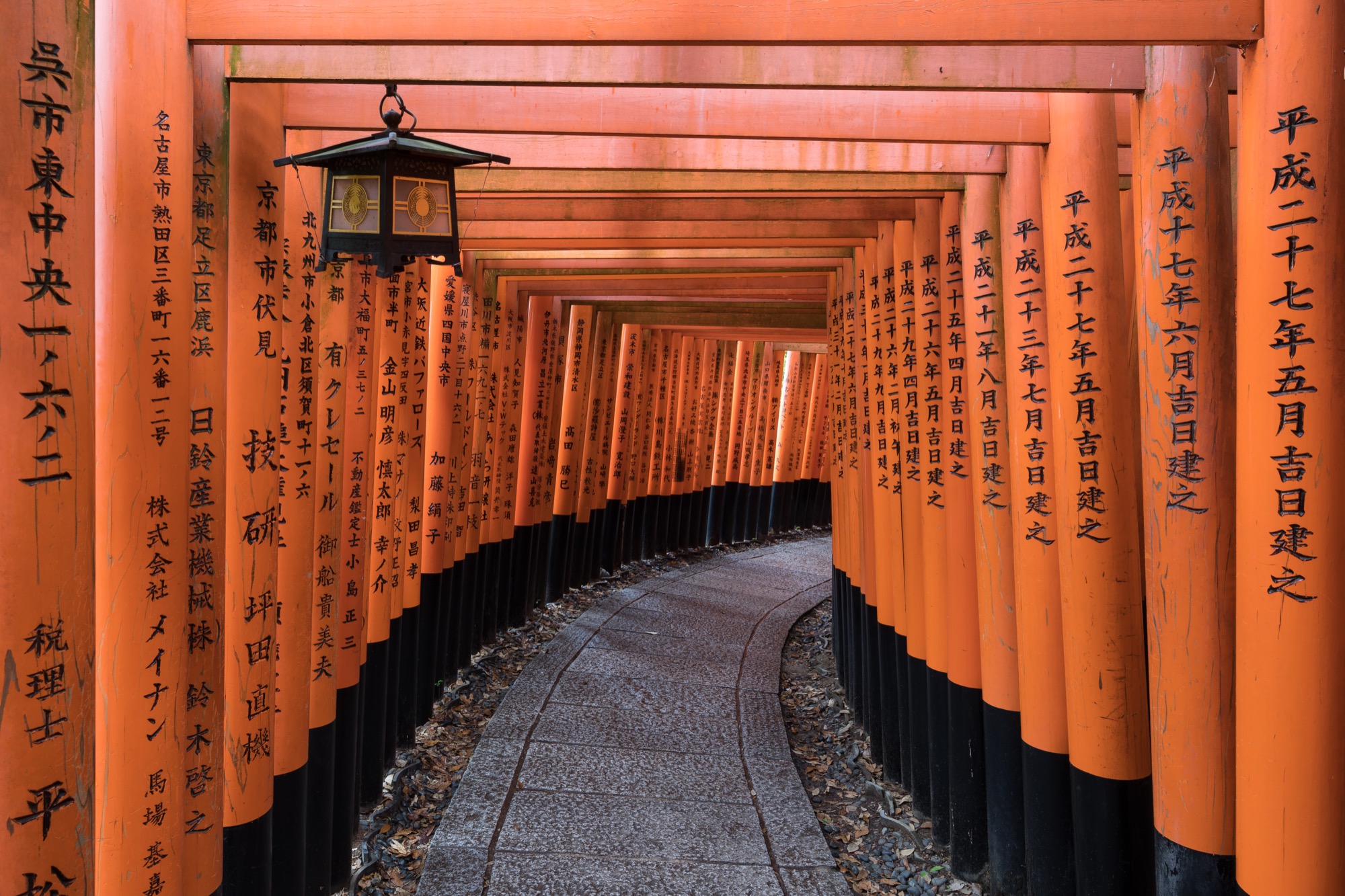
Fushimi Inari Taisha(伏見稲荷大社)
The thoosand torii gates (千本鸟居) isna juist an Instagram backdrop, but a fower-kilometre approach tae Inari Mountain (稻荷山). Arrive afore 7am, walk tae the hillside tae see the panorama o Kyoto (京都); the tourists are still asleep in the hotel haein breakfast.
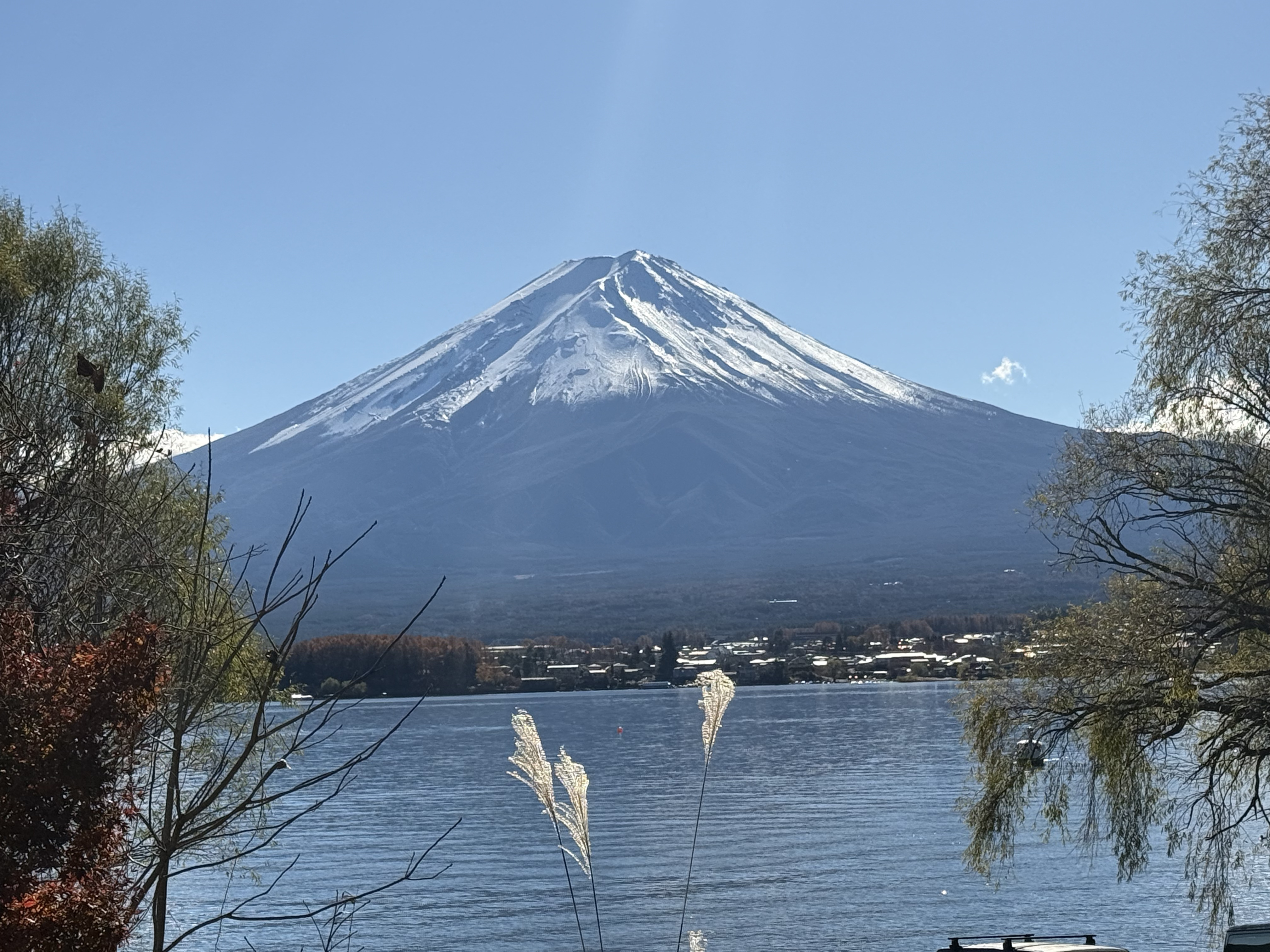
Fujisan(富士山)
Japan's maist recognisable natural seembol. The sunrise at Kawaguchiko (河口湖) is the best photie spot; tak a shot frae the left windae on the Shinkansen (新幹線) fae Tokyo tae Osaka. The snaw line is maist complete in winter, the climbin saison is open in July-August in simmer.
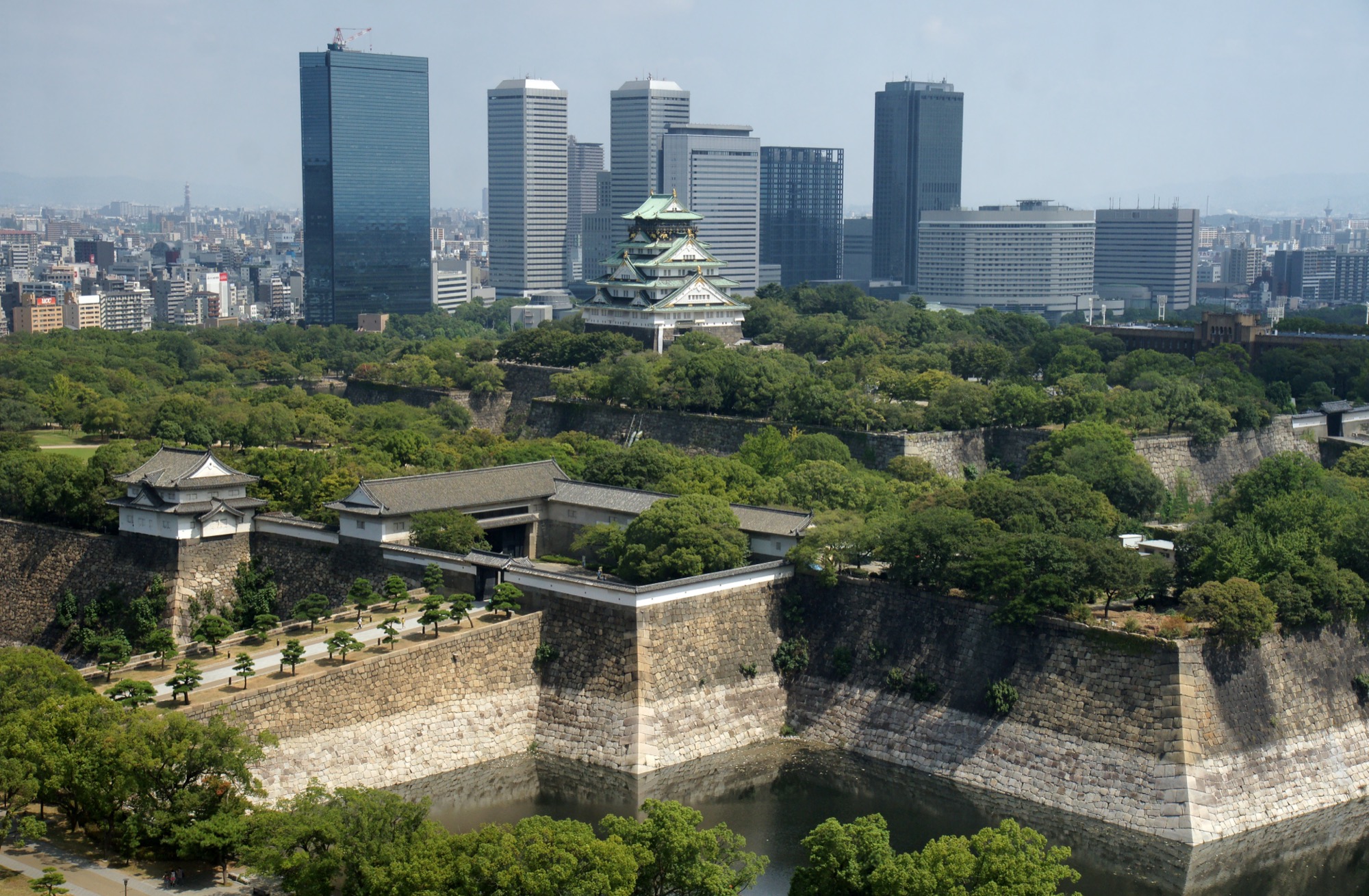
Osaka Castle(大阪城)
Apiece frae Osaka's footba and food, here is the maist solid stop on the city's historical layer. Inside the Tenshukaku (天守阁) is a museum; the castle pairk is surrounded by cherry blossoms in spring and gowden ginkgo in autumn; the moat boat ride is photogenic.
Global traivel map
Japan(日本) Plannin
Plannin: Japan(日本). The map should be centred on Tokyo as the hub, goin west tae Kyoto/Osaka, south tae Yokohama, an towards Mount Fuji as a weather-dependent branch; airports, hotels, stadiums, temples/shrines, an food areas should aw be marked around the railwey stations.
Doonload an save the traivel mapBrowse all downloadable travel maps →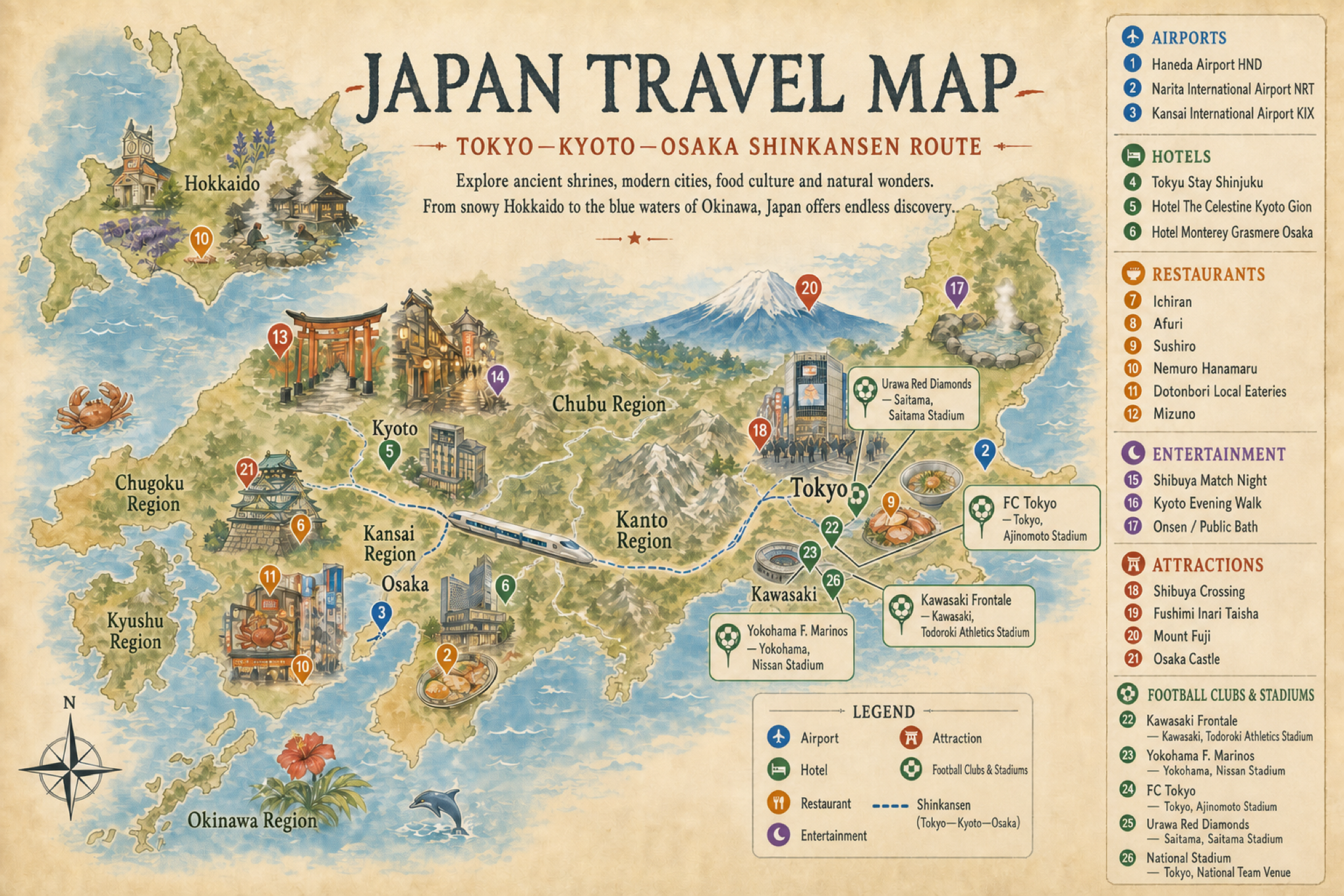
Hoo muckle siller tae prepare
Japan(日本) Plannin
Plannin: Japan(日本). A 7-day Japan trip (Tokyo (東京)+Kansai) wad set ye back aboot $1,500-$3,500 per person.
Cheap frae East Asia, mair seasonal fluctuation frae Europe/Americas.
Tokyo (東京) an Kyoto (京都) rise noticeably in cherry blossom/autumn leaf saison.
Convenience stores an chains are manageable; izakaya an reservation restaurants are extra.
Temple/shrine entrance fees arena high, theme pairks an onsen ryokan are higher.
Ceety transport is cheap, Shinkansen is the big spen.
Travel rules, prices, transport schedules and safety conditions can change. Recheck official entry rules, local advisories and current prices before booking.
Route references
Japan(日本) Plannin
Plannin: Japan(日本).
- Japan National Tourism Organization — Fir checkin ceeties, seasons, transport, an basic traivel information.
- Ministry o Foreign Affairs o Japan — Uised tae check the visa exemption an short-term tourist visa rules.
- JR Central / JR East — Uised tae check the Shinkansen, IC cairds, an rail travel logic.
- J League (Jリーグ) — Uised tae check the Japanese professional fitba match days an club context.
Kintras
Warld Cup kintra traivel guides