Country Travel Snapshot
South Korea travel basics: entry, season, budget and transport
Located in the southern part of the Korean Peninsula, travel typically begins with arrival in Seoul, then connecting to Gyeongju and Busan via KTX, or extending to Jeju Island. Start here for the practical checks that decide whether a South Korea trip works: entry rules, weather, costs and local movement.
- Population
- Approximately 52 million people, with nearly half of the country's population concentrated in the capital area.
- Time Zone
- Korea Standard Time, UTC+9, 1 hour ahead of Beijing.
- Major Ethnic Groups
- Mainly Korean, with the proportion of multicultural families and foreign residents in Korea continuously rising.
- Local Language
- Korean is the official language; English is available in Seoul, Busan, airports, hotels, and among young service staff, but translation software is still recommended for restaurants, markets, and local transportation.
- Currency & Exchange Rate
- Korean Won (KRW).
Planning reference: approximately 1,300-1,400 KRW for 1 US dollar, 180-195 KRW for 1 Chinese yuan; check real-time exchange rates before actual payment.Loading real-time reference exchange rates KRW...
Visa/Visa on Arrival
For entry to South Korea, first clarify based on passport nationality: many visa-exempt countries still have K-ETA temporary exemption arrangements until the end of 2026, but this does not mean everyone is visa-exempt; Chinese ordinary passports usually require applying for a short-term tourist visa in advance, with separate rules for direct flights to Jeju and group/transit. Before departure, check the requirements of the Korean Ministry of Justice/embassies/consulates and airlines, and prepare your first night's hotel, return ticket, contact information, and available bank card. If K-ETA is required, do not click on advertisement websites, use the official portal, and allow sufficient time for system review.
Visa/entry information last reviewed: 2026-07-08. Rules can change by passport, arrival point and transit plan; recheck official rules before booking.Local Transportation
The key to transportation in Korea is 'local apps'. Naver Map/KakaoMap are more reliable than Google Maps, Papago translation is very useful for menus and road signs. After purchasing a T-money/Cashbee or Climate Companion Card (suitable only for Seoul area) upon arrival, subway and bus services are very stable; but transport card top-ups often require cash. AREX is prioritized from airport to Seoul, KTX for intercity travel, and advance booking is needed for Seoul to Gyeongju/Busan. Taxis can use Kakao T or hotel calls, but may be difficult to hail late at night, on rainy days, and in popular commercial districts; don't underestimate the distances between Gangnam, Hongdae, Myeongdong, and World Cup Stadium.
Best Travel Season
March-May is suitable for cherry blossoms, palaces, and city walking; September-November has dry and crisp weather, suitable for a route connecting Seoul, Gyeongju, and Busan.
Price Level
Medium-high but with high urban efficiency. Seoul accommodation, cafes, barbecue, popular commercial districts, and weekend hotel rates are not low; subway, buses, convenience stores, market snacks, soup rice, and advance KTX tickets are relatively controllable. Tourists often underestimate coffee/dessert/shopping and taxi costs, as well as travel time between Gyeongbokgung, Bukchon, Hongdae, and Gangnam. Korea is suitable for using a T-money/transport card plus a small amount of cash for most daily needs, but street stalls, parking, and some machines may still require cash. Regular meals in Seoul cost KRW 8,000-18,000, with soup rice/bibimbap/gimbap being cheaper; barbecue dinner commonly costs KRW 25,000-70,000 per person, coffee KRW 4,500-8,000. Mid-range hotels in Seoul cost KRW 100,000-280,000 per night, higher in Hongdae/Myeongdong/Gangnam on weekends; Haeundae in Busan also increases during peak season. Single subway/bus trips mostly cost about KRW 1,500-2,700, airport rail is more stable than taxis; one-way KTX from Seoul to Busan costs about KRW 60,000. Budget separately for beauty, shopping, performances, and cafes, as these items most easily exceed budget. 7-day Seoul+Gyeongju+Busan trip, it is recommended to prepare approximately $1,200-$2,800 per person.
Before you book
South Korea practical checks
Use these extra notes after the travel basics to check safety, entry friction, money, transport, routing and the easiest first meal.
South Korea Local Customs?
Korean travel etiquette is not about being slow, but about maintaining boundaries within high efficiency. Stand to one side on subway escalators, don't block doors when boarding/alighting, and don't linger to chat in restaurants with quick table turnover; in cafes, order first then find a seat. When interacting with elders or shop staff, it's more natural to hand over cards/receive items with both hands. It's fine if tourists don't know Korean, but a few phrases like '감사합니다' (thank you), '안녕하세요' (hello) plus Papago will make communication much smoother. Understand the restaurant system in advance: barbecue restaurants may have a two-person minimum order, popular places require taking a number, side dishes can be refilled but not wasted, and many restaurants don't like large groups ordering only one main dish. Markets and street stalls are suitable for cash, and you can point to pictures or use translation software when ordering. Don't force yourself to handle spiciness; Korean spiciness can sometimes be persistent; those who cannot eat spicy food, seafood, or beef should prepare Korean explanations in advance.
South Korea Visa/Visa on Arrival?
For entry to South Korea, first clarify based on passport nationality: many visa-exempt countries still have K-ETA temporary exemption arrangements until the end of 2026, but this does not mean everyone is visa-exempt; Chinese ordinary passports usually require applying for a short-term tourist visa in advance, with separate rules for direct flights to Jeju and group/transit. Before departure, check the requirements of the Korean Ministry of Justice/embassies/consulates and airlines, and prepare your first night's hotel, return ticket, contact information, and available bank card. If K-ETA is required, do not click on advertisement websites, use the official portal, and allow sufficient time for system review. Match nights and nightlife should be written about separately. Hongdae, Euljiro, Gangnam, and Haeundae all have bars and restaurants with TVs, but taxi demand is high after events, so check subway last train times in advance. Korean fans are very enthusiastic, but exercise restraint when taking close-up photos of supporters, children, and strangers in stadiums; wearing national team jerseys is fine, but when entering club home supporter sections, first check the color and seating rules.
South Korea Currency & Exchange Rate?
Korean Won (KRW). Planning reference: approximately 1,300-1,400 KRW for 1 US dollar, 180-195 KRW for 1 Chinese yuan; check real-time exchange rates before actual payment. Medium-high but with high urban efficiency. Seoul accommodation, cafes, barbecue, popular commercial districts, and weekend hotel rates are not low; subway, buses, convenience stores, market snacks, soup rice, and advance KTX tickets are relatively controllable. Tourists often underestimate coffee/dessert/shopping and taxi costs, as well as travel time between Gyeongbokgung, Bukchon, Hongdae, and Gangnam. Korea is suitable for using a T-money/transport card plus a small amount of cash for most daily needs, but street stalls, parking, and some machines may still require cash. Regular meals in Seoul cost KRW 8,000-18,000, with soup rice/bibimbap/gimbap being cheaper; barbecue dinner commonly costs KRW 25,000-70,000 per person, coffee KRW 4,500-8,000. Mid-range hotels in Seoul cost KRW 100,000-280,000 per night, higher in Hongdae/Myeongdong/Gangnam on weekends; Haeundae in Busan also increases during peak season. Single subway/bus trips mostly cost about KRW 1,500-2,700, airport rail is more stable than taxis; one-way KTX from Seoul to Busan costs about KRW 60,000. Budget separately for beauty, shopping, performances, and cafes, as these items most easily exceed budget. 7-day Seoul+Gyeongju+Busan trip, it is recommended to prepare approximately $1,200-$2,800 per person.
Real route reference
7-day South Korea itinerary for World Cup travelers
A practical route that turns interest in Taegeuk Tigers into cities, landscapes, food stops and match-night culture. A 7-day Korea itinerary needs rhythm: first handle arrival, palaces, and match nights in Seoul; don't cram too much on day 4, choose either DMZ or Seoraksan(설악산); on day 5 take KTX to Gyeongju(경주) to slow down; finally end in Busan(부산) with harbor and seafood. Every day should include practical decisions: where to stay, how to get around, where cash is needed, which scenarios require reservations, and which attractions are better in the early morning.
Day 1 · Seoul(서울)
Arriving in Seoul: Myeongdong(명동), Namsan(남산), and the first barbecue
ICN → Myeongdong(명동) → Namsan(남산)
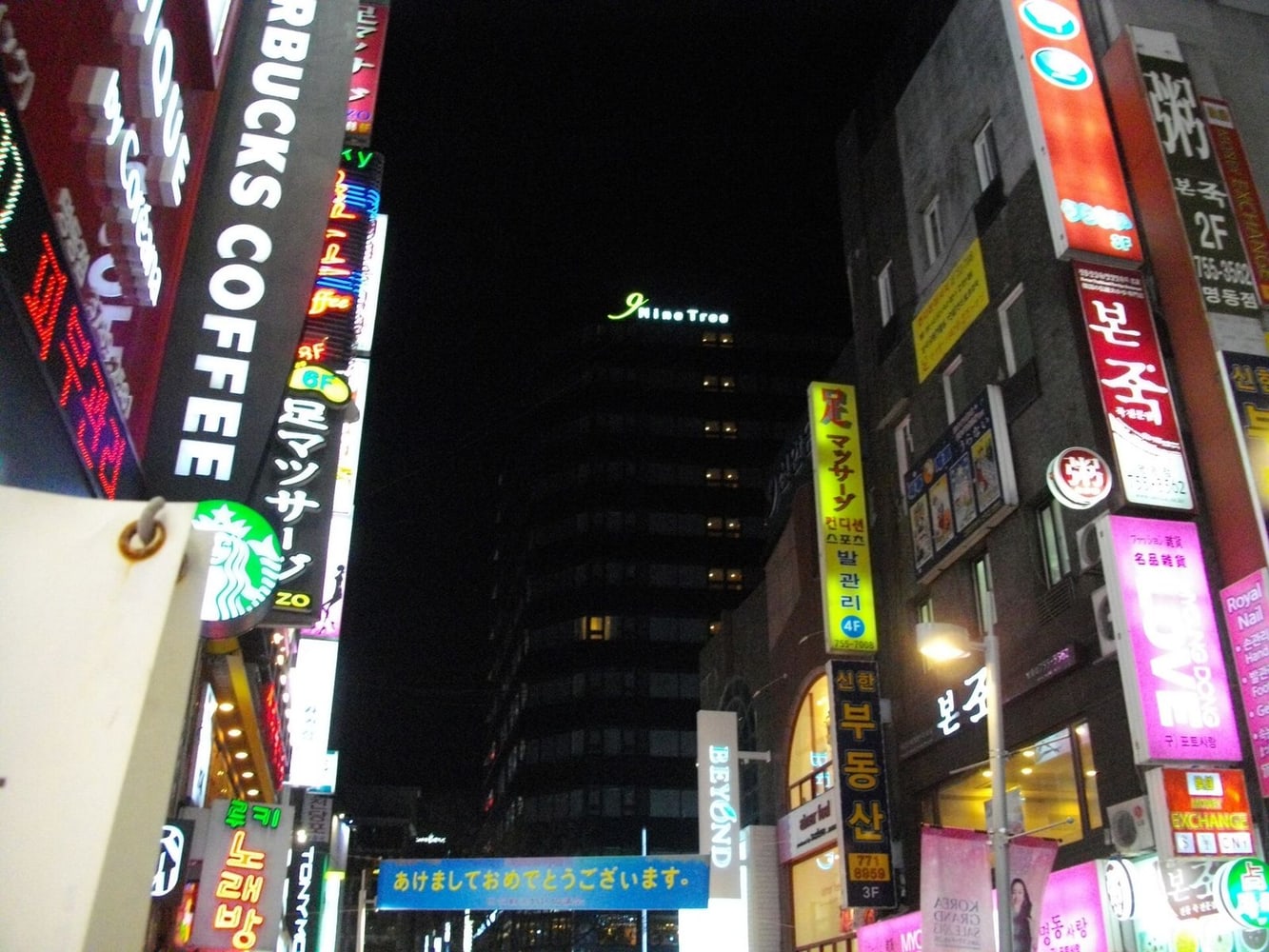
Upon arrival in Seoul, first take care of three things: eSIM/SIM, T-money/cash, and a map app. The airport railroad into the city is more reliable than a taxi. Myeongdong(명동) is good for exchanging money, eating snacks, and getting familiar with the subway on the first night. Namsan(남산) night view and the first barbecue can serve as a light start, but don't try to squeeze in Gyeongbokgung(경복궁) or Gangnam(강남).
Staying in Myeongdong(명동), Euljiro(을지로), or Hongdae(홍대) is convenient. Prepare cash for transportation card top-ups; choose a restaurant within walking distance of your hotel for the first night.
Day 2 · Seoul(서울)
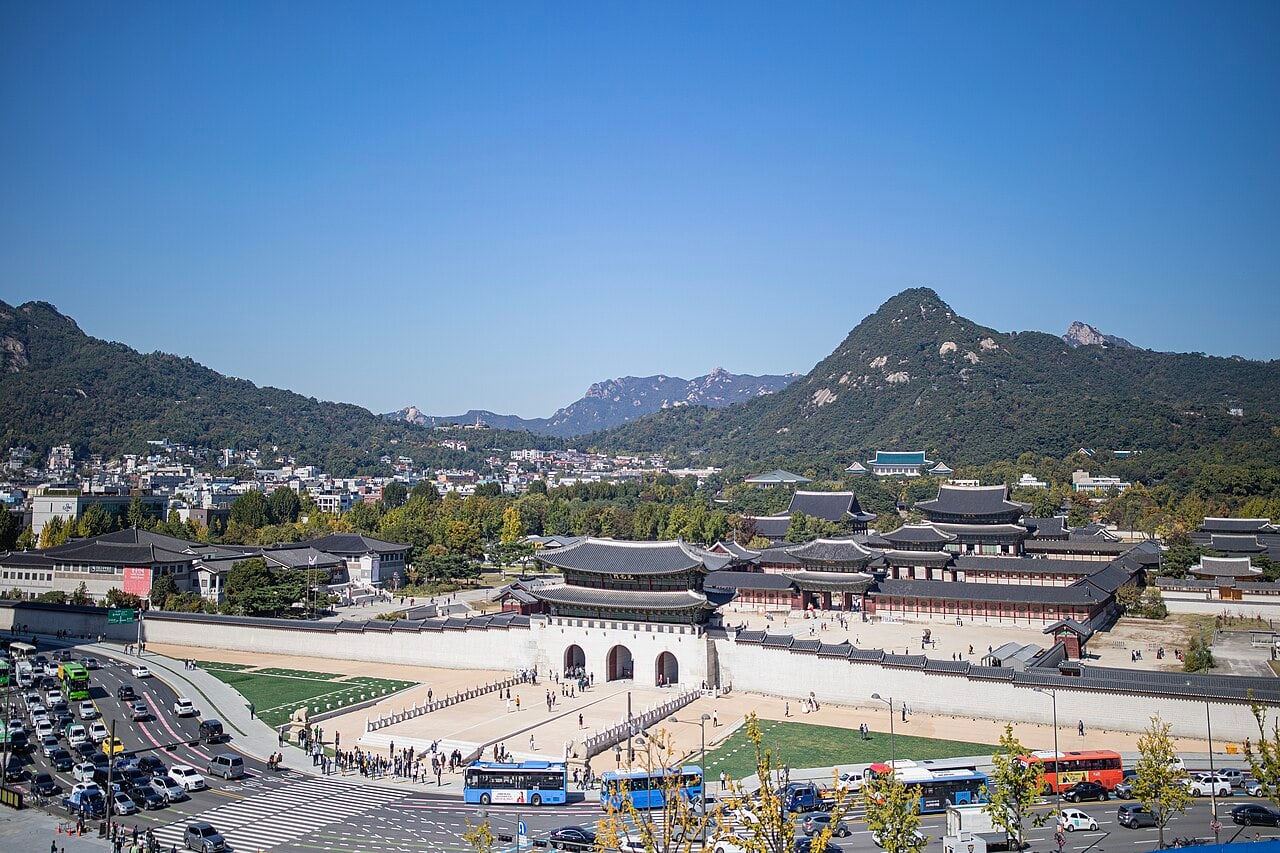
Gwanghwamun(광화문) and Gyeongbokgung(경복궁): Entering Seoul through the dynasty space
Gwanghwamun(광화문) → Gyeongbokgung(경복궁) → Bukchon(북촌) → Insadong(인사동)
Gyeongbokgung is not an isolated attraction but a transition point between Gwanghwamun Square, Bukchon, Insadong, and modern Seoul. Entering the palace in the early morning helps avoid tour groups; spend the afternoon at a cafe or museum, and have dinner in the evening. Renting a hanbok can enhance the experience, but it shouldn't turn the day into a pure photoshoot.
Check palace closing days in advance; Bukchon(북촌) is a residential area, so keep noise levels down and respect photo distance.
Day 3 · Seoul(서울)
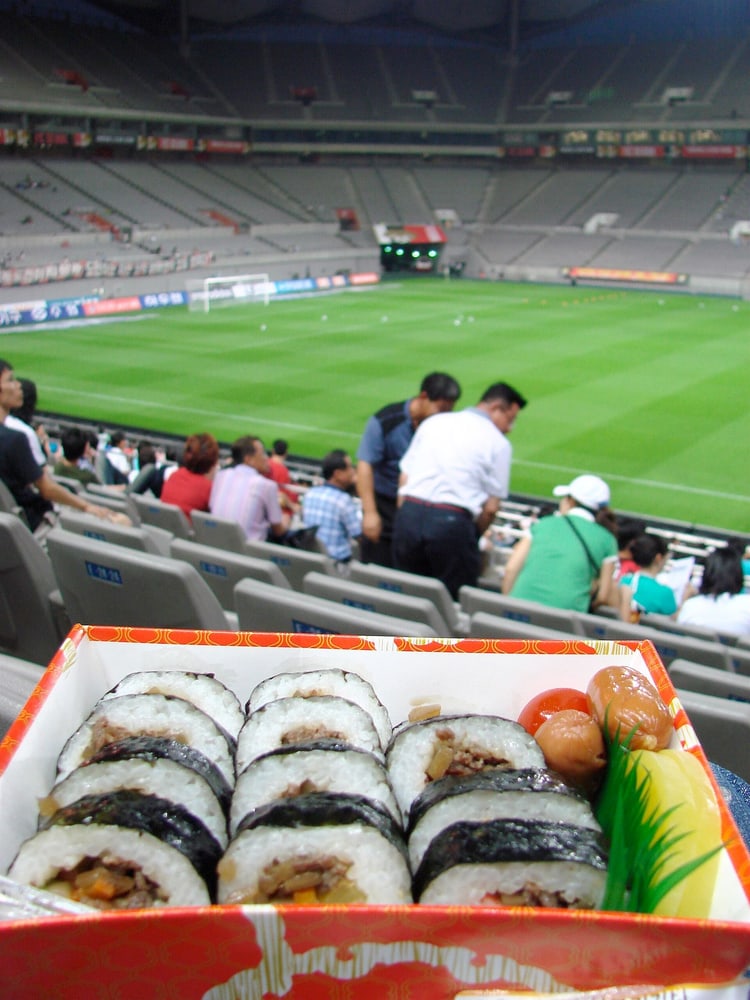
Seoul Football Day: World Cup Stadium and Hongdae(홍대) Match Night
Gangnam(강남)/Apgujeong(압구정) → Seoul World Cup Stadium → Hongdae(홍대)
Seoul World Cup Stadium brings together the memories of 2002, FC Seoul(FC 서울), and the national team atmosphere on one map. During the day, you can visit Sangam-dong(상암동)/World Cup Park(월드컵공원), and at night head to Hongdae(홍대) to watch a match or eat barbecue. The truly useful experience is seeing how the subway after the match, the crowd, and the restaurant TVs capture the football mood.
Buy tickets in advance and check the seating areas; Hongdae(홍대) is hard to get a taxi on weekend nights, so it's best to stay within walking distance or on a direct subway line.
Day 4 · DMZ / Seoraksan(설악산)
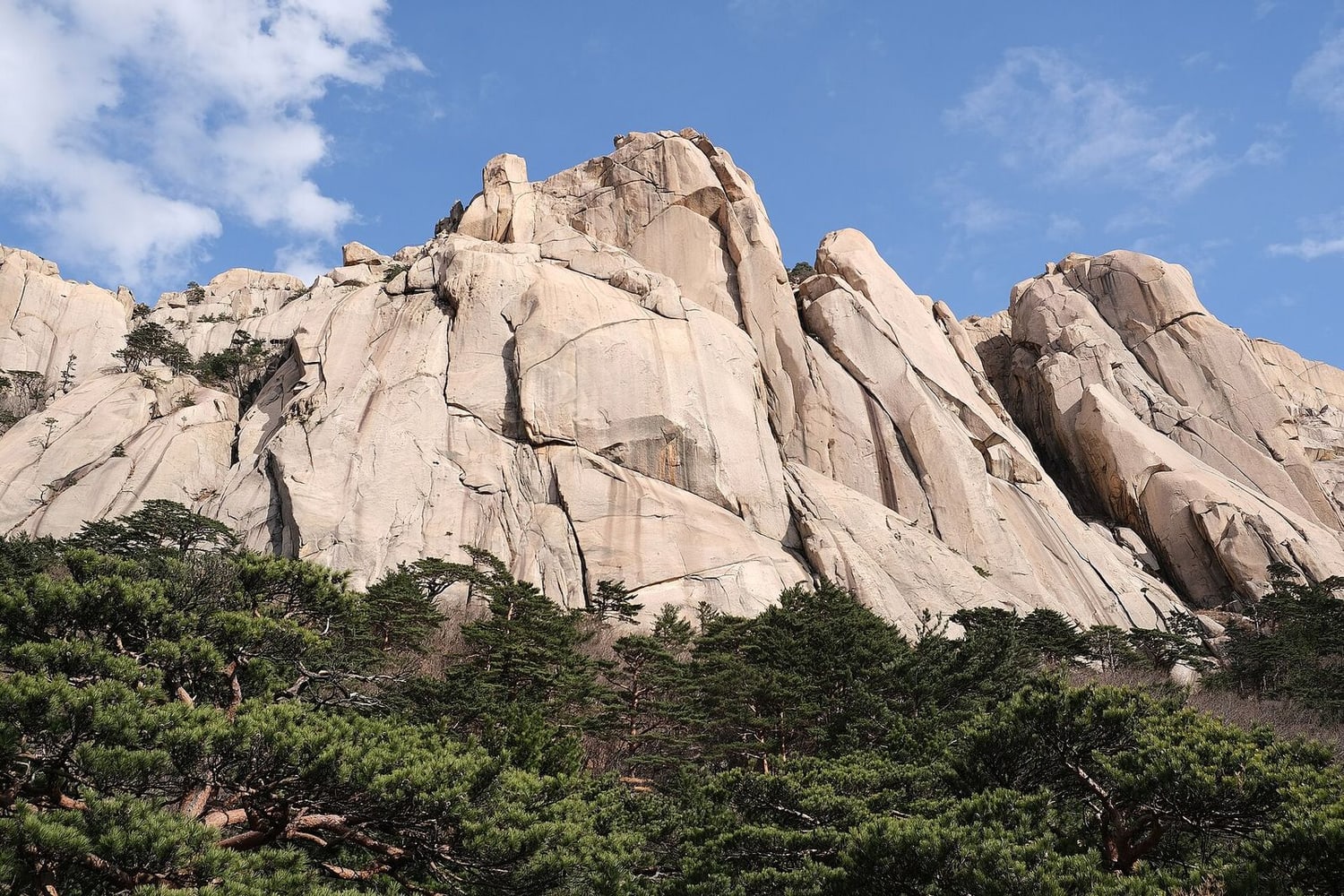
DMZ or Seoraksan(설악산): Choose a kind of boundary
Seoul(서울) → DMZ or Seoraksan(설악산) → Seoul(서울)
DMZ and Seoraksan(설악산) represent two Koreas: one is the reality of the peninsula, the other is mountain nature. First-time visitors should not try to squeeze both into one day. DMZ requires an official tour and documents, and may be adjusted due to the situation; Seoraksan(설악산) depends on season, weather, and physical strength, and is especially popular in autumn.
Book DMZ tour in advance and bring passport; Seoraksan (설악산) one-day round trip is long, those with average fitness can change to Seoul (서울) suburbs.
Day 5 · Gyeongju (경주)
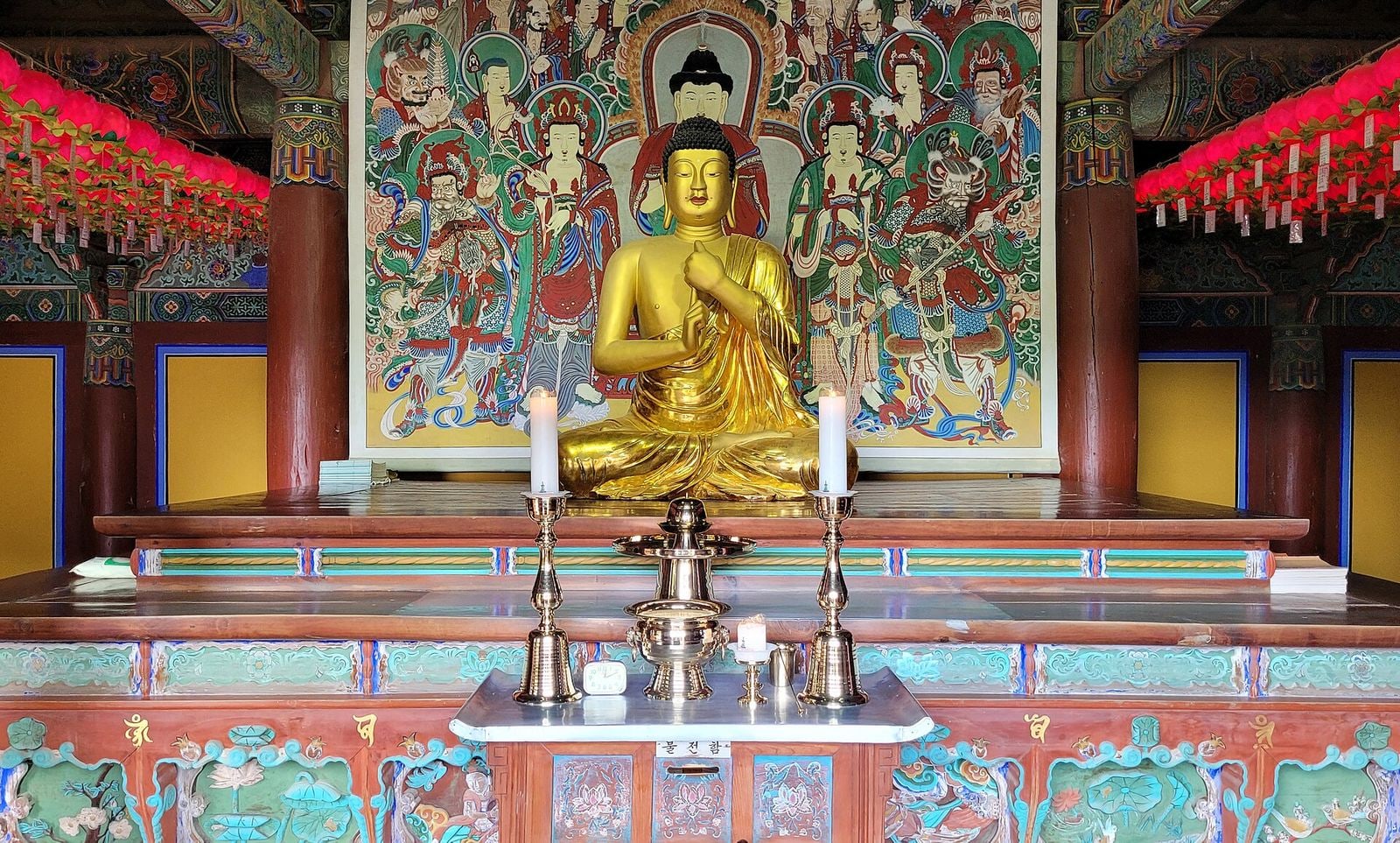
KTX to Gyeongju (경주): Bulguksa Temple (Bulguksa Temple), Seokguram Grotto (Seokguram Grotto), and the ancient capital night scenery
Seoul (서울) → Gyeongju (경주) → Bulguksa Temple (Bulguksa Temple) / Daereungwon Tomb Complex (Daereungwon Tomb Complex)
Gyeongju (경주) slows down Korean travel from Seoul (서울) speed. The connection at Singyeongju Station (Singyeongju Station), Bulguksa Temple (Bulguksa Temple), Seokguram Grotto (Seokguram Grotto), Daereungwon Tomb Complex (Daereungwon Tomb Complex), and the night scenery of Woljeonggyo Bridge (Woljeonggyo Bridge) together create the ancient capital atmosphere. It is best to stay one night; evening and early morning are more worthwhile than rushing through during the day.
Book KTX in advance; there is still a connection from Singyeongju Station (Singyeongju Station) to the city center. Bulguksa Temple (Bulguksa Temple) and Seokguram Grotto (Seokguram Grotto) are scattered, so it is recommended to take a taxi or charter a car combination.
Day 6 · Busan (부산)
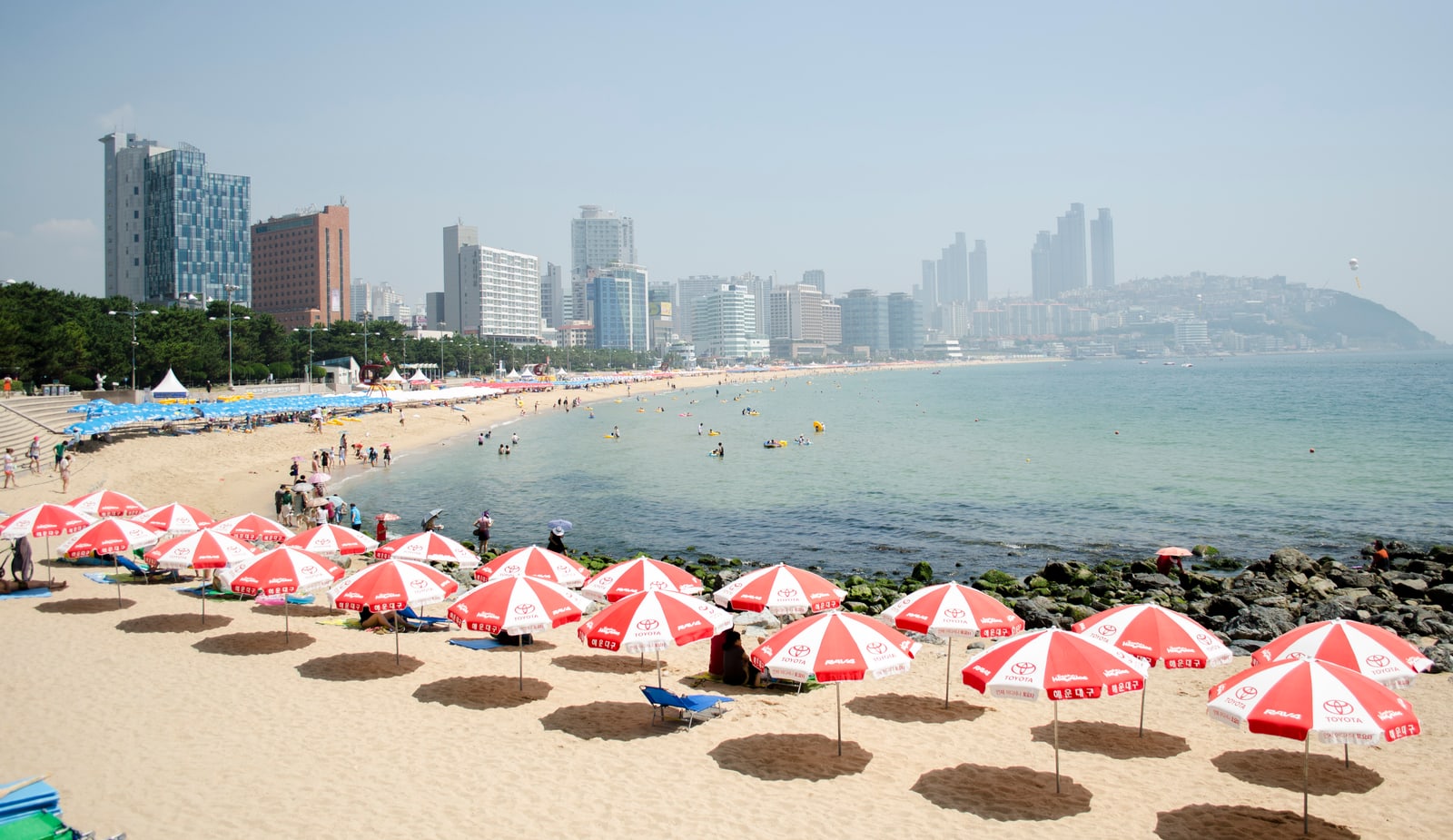
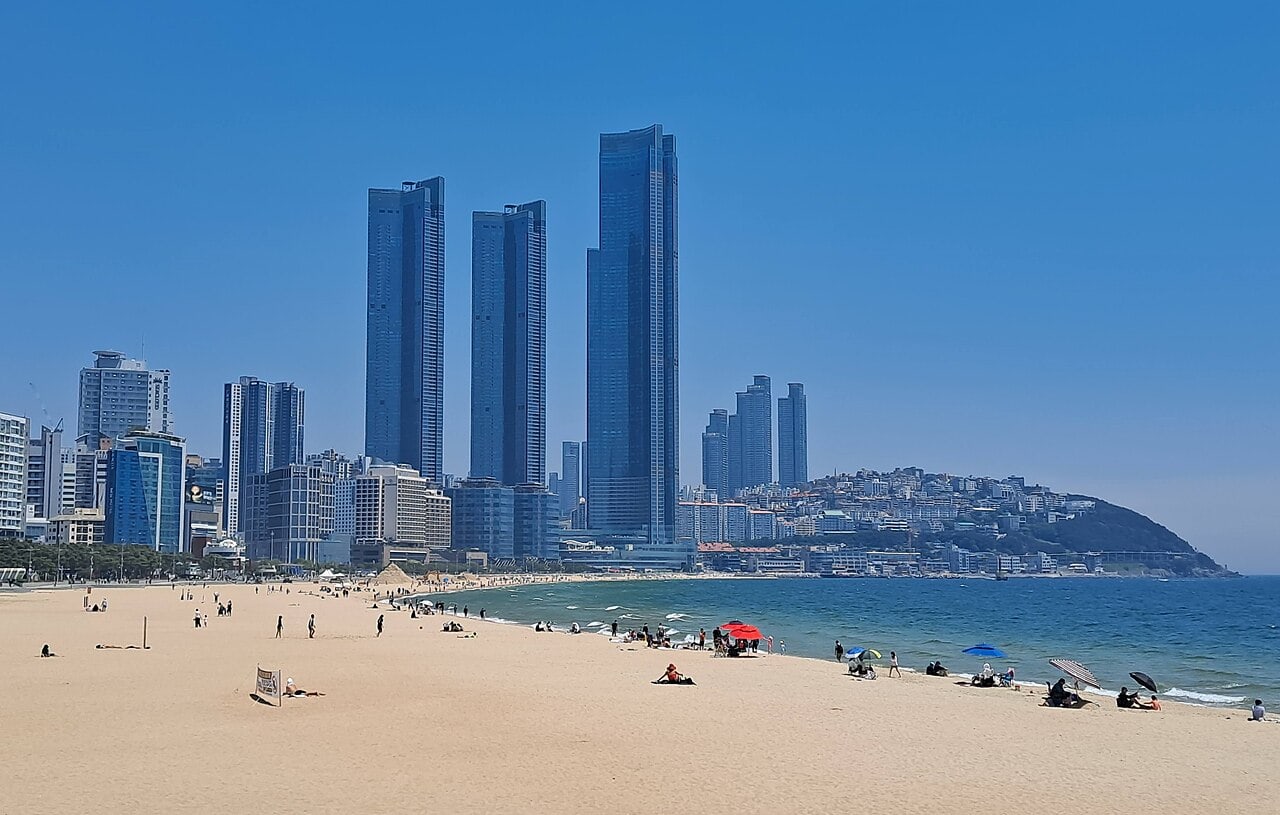
Busan (부산): Jagalchi Market (자갈치시장), Gamcheon Culture Village (Gamcheon Culture Village), and Haeundae Beach (Haeundae Beach)
Gyeongju (경주) → Busan (부산) → Jagalchi Market (자갈치시장) → Gamcheon Culture Village (Gamcheon Culture Village) → Haeundae Beach (Haeundae Beach)
Busan (부산) uses the harbor, fish market, colorful hillside village, and Haeundae (해운대) night breeze to conclude the southern route of Korea. Jagalchi Market (자갈치시장) is suitable for eating seafood but ask about the price clearly. Gamcheon (감천) is suitable for a light walk during the day. Haeundae (해운대) is suitable for an evening stroll. It is not an appendage of Seoul (서울), but another kind of Korean urban character.
Leave luggage at the hotel before going to Gamcheon (감천); for the seafood market, choose a restaurant with clearly marked prices to avoid the pressure of haggling on the spot.
Day 7 · Busan (부산) / Seoul (서울)
Return after sunrise at the beach
Haeundae (해운대) sunrise → PUS or KTX back to Seoul (서울)
On the last day, don't force a distant suburb. A seaside sunrise, coffee, a final meal of soup rice or fish cake soup is more stable than rushing to Taejongdae (태종대) and then dashing to the airport. If departing from Gimhae Airport (Gimhae Airport), reserve time for city transportation and international flight check-in; if returning to Seoul (서울), lock in KTX seats in advance.
On the return day, prioritize stable transportation. Gimhae Airport (Gimhae Airport) can be reached from Haeundae (해운대) by taxi or subway transfer, but allow buffer time during morning and evening rush hours.
🇰🇷 South Korea Travelogue
Korea Travel: After Elimination, Son Heung-min's Afterglow Still Warms the Streets
Read the narrative side of South Korea: how arrival, football curiosity and local rhythm connect beyond a checklist.
What truly made me stop on my trip through Korea was not the signs of Myeongdong, nor the almost flawless efficiency of the airport express into the city, but a plastic football in a small alley in Hongdae. Korea had already been eliminated; there was no longer any reason to keep scrolling through the schedule on the phone news. Yet at nine o'clock at night in Hongdae, people were still wearing red national-team shirts. Two university students had set down backpacks as goalposts and were playing three-on-three outside a convenience store. The ball brushed the wheel of a delivery rider, nearly rolled into a barbecue restaurant, and no one cursed. Someone just laughed and shouted, "Sonny!" The name hung beneath the streetlights like heat that had not fully dispersed.
Hongdae's street football sat less than twenty meters from a street-dance performance. On one side were speakers, applause, and girls holding up phones; on the other, the scrape of soles against concrete. A boy in an old Tottenham shirt took too heavy a touch and was teased in Korean by his friends. He lowered his head, smiled, and immediately dragged the ball back with his heel. The emotion of Korean football is not as outward as South America's, nor as neatly folded as Japan's. It is more like the sauce on tteokbokki at night in Hongdae: sweetness arrives first, heat follows, and when you think it is over, your throat is still warm.
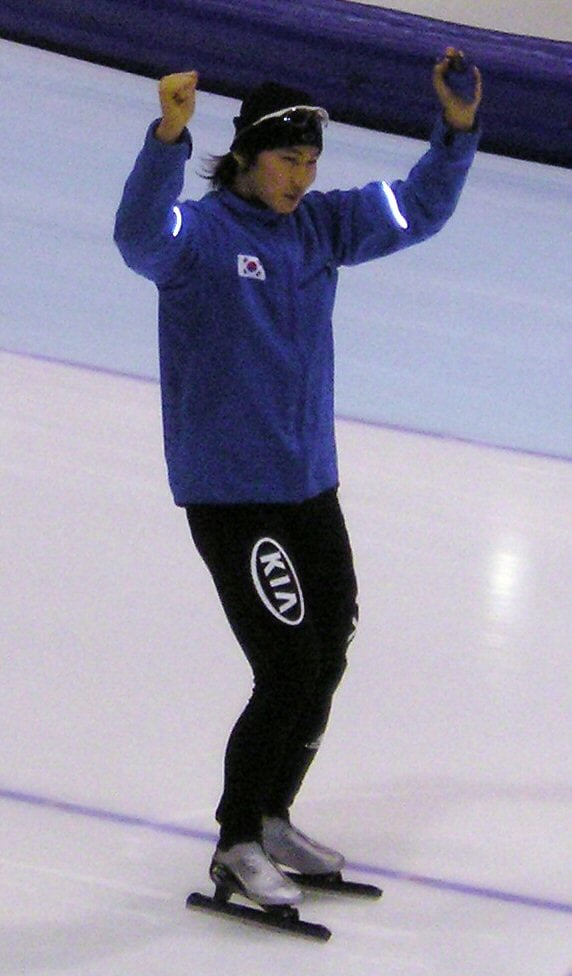
Read the full South Korea World Cup travel storyPhotos of Famous Local Players
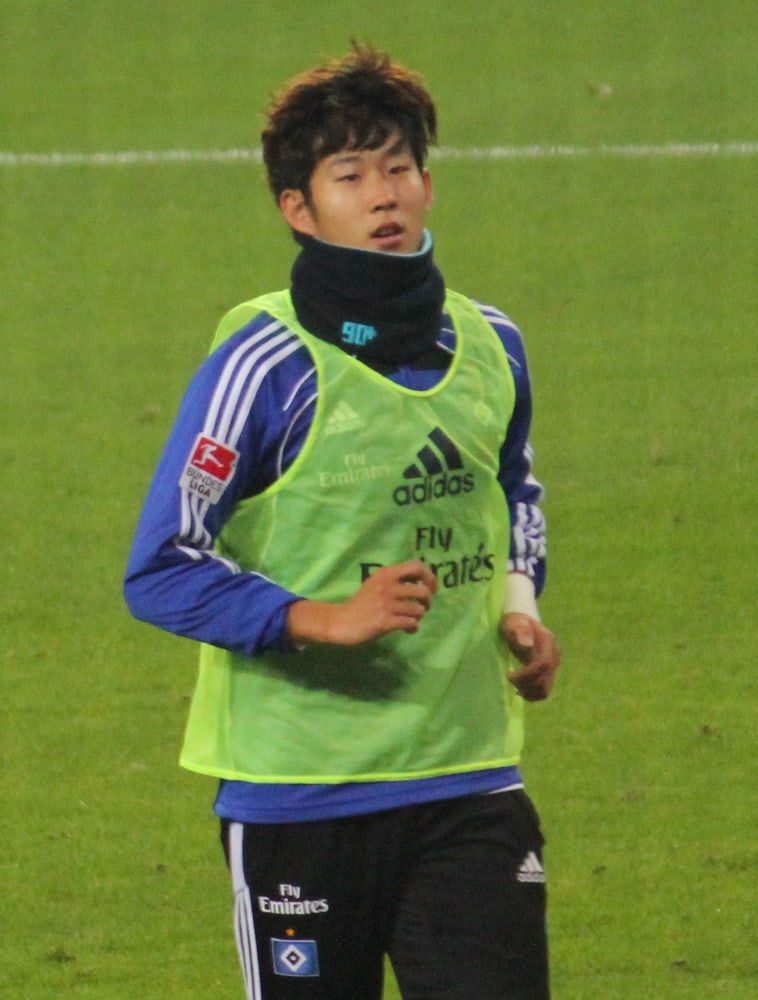
South Korea players and football faces
Player context helps connect Taegeuk Tigers with hometowns, clubs, diaspora stories and routes a traveler can actually follow.
Recommended Arrival Airport & Flight Budget
South Korea airports and flight routes
Use this section to compare arrival airports, likely connections and where each route places you inside South Korea. Flight prices are seasonal budget ranges; final prices are subject to real-time searches.
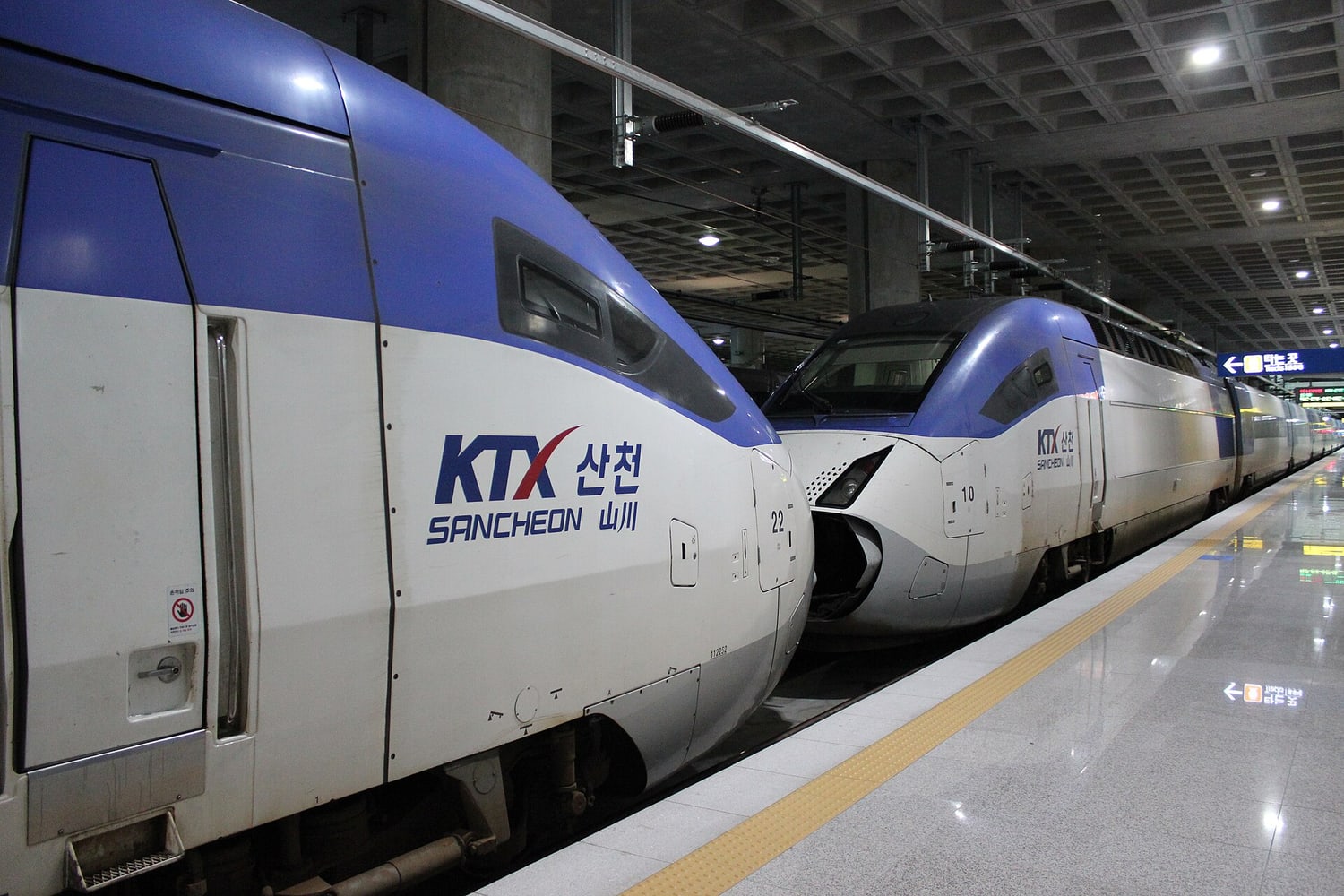
ICN
Incheon International Airport
Korea's main international gateway, suitable for transfers to Seoul, Incheon, and the national rail network.
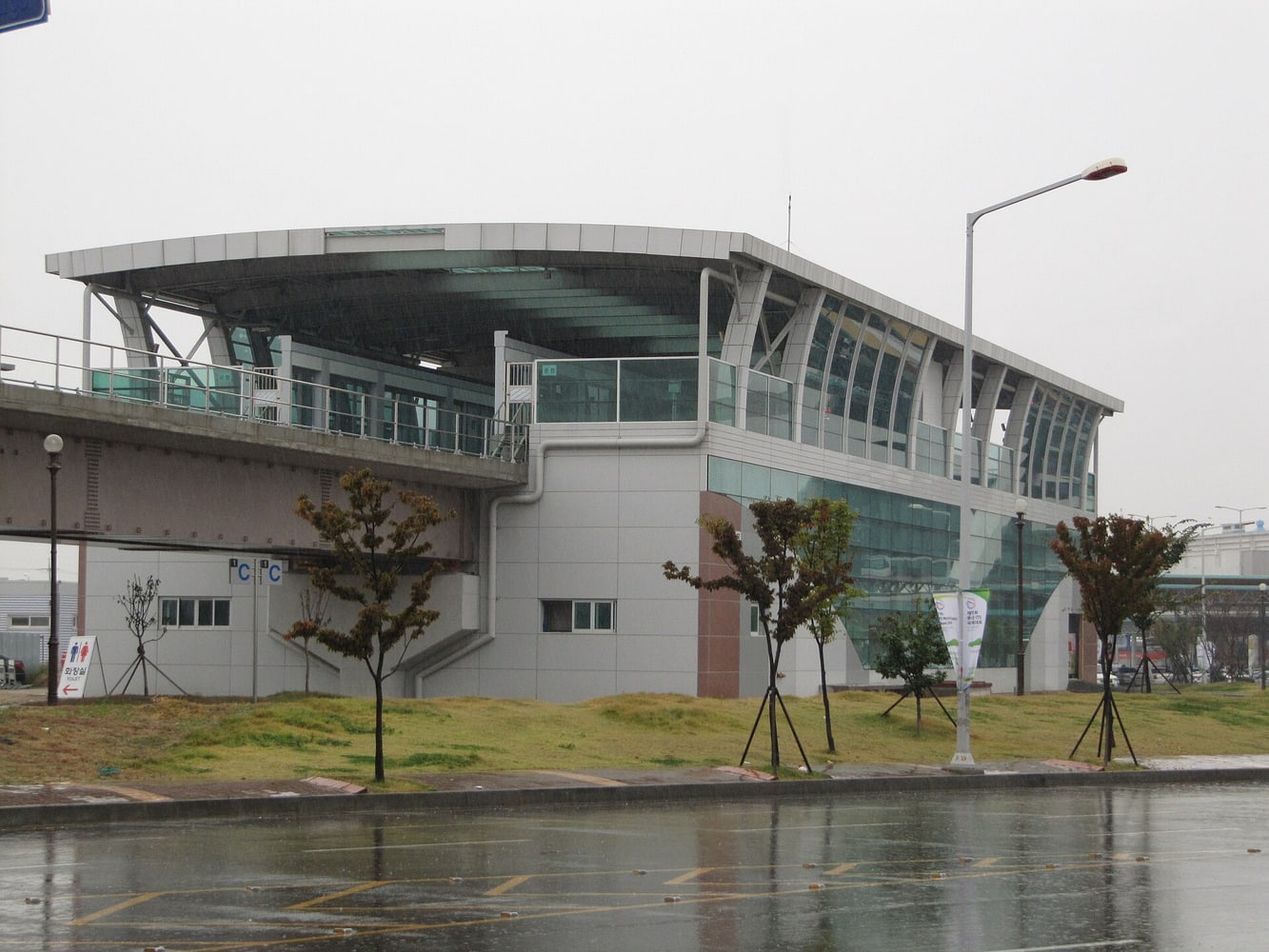
PUS
Gimhae International Airport
Gateway to Busan, suitable for Haeundae, Gyeongju, and southern Korea routes.
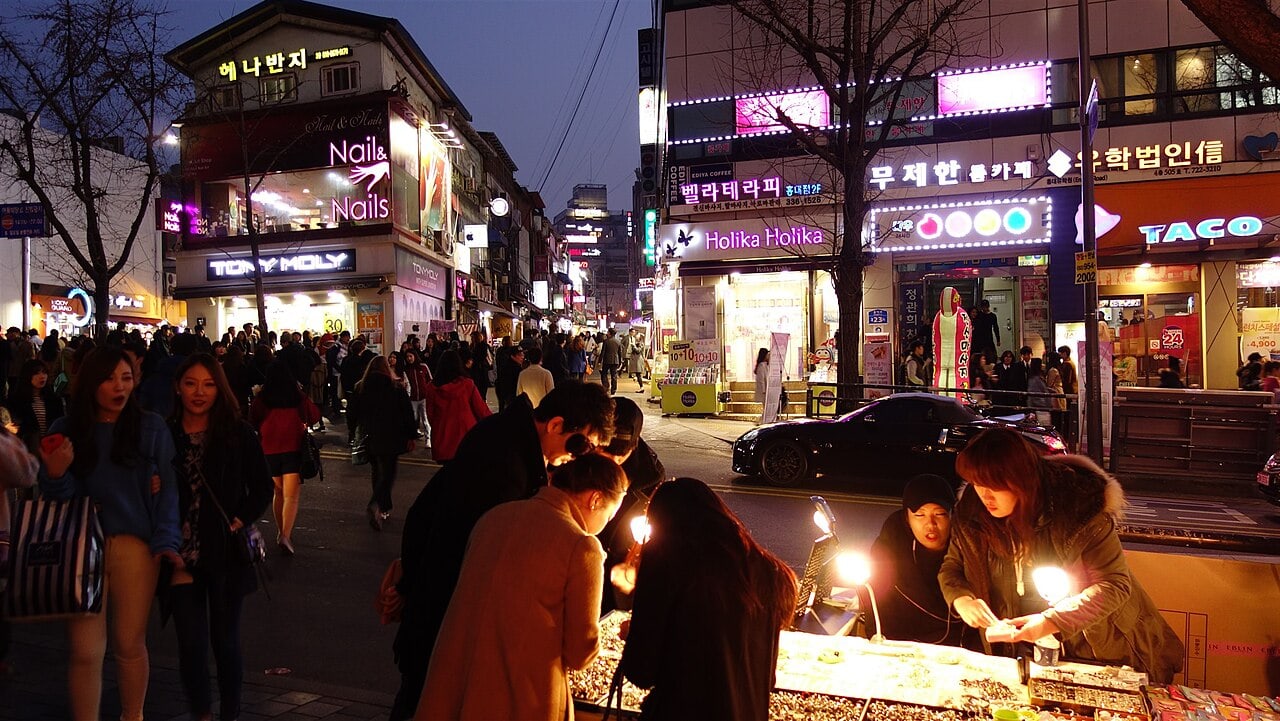
Local Customs
- Korean travel etiquette is not about being slow, but about maintaining boundaries within high efficiency. Stand to one side on subway escalators, don't block doors when boarding/alighting, and don't linger to chat in restaurants with quick table turnover; in cafes, order first then find a seat. When interacting with elders or shop staff, it's more natural to hand over cards/receive items with both hands. It's fine if tourists don't know Korean, but a few phrases like '감사합니다' (thank you), '안녕하세요' (hello) plus Papago will make communication much smoother.
- Understand the restaurant system in advance: barbecue restaurants may have a two-person minimum order, popular places require taking a number, side dishes can be refilled but not wasted, and many restaurants don't like large groups ordering only one main dish. Markets and street stalls are suitable for cash, and you can point to pictures or use translation software when ordering. Don't force yourself to handle spiciness; Korean spiciness can sometimes be persistent; those who cannot eat spicy food, seafood, or beef should prepare Korean explanations in advance.
- Match nights and nightlife should be written about separately. Hongdae, Euljiro, Gangnam, and Haeundae all have bars and restaurants with TVs, but taxi demand is high after events, so check subway last train times in advance. Korean fans are very enthusiastic, but exercise restraint when taking close-up photos of supporters, children, and strangers in stadiums; wearing national team jerseys is fine, but when entering club home supporter sections, first check the color and seating rules.
South Korea Local Transportation?
The key to transportation in Korea is 'local apps'. Naver Map/KakaoMap are more reliable than Google Maps, Papago translation is very useful for menus and road signs. After purchasing a T-money/Cashbee or Climate Companion Card (suitable only for Seoul area) upon arrival, subway and bus services are very stable; but transport card top-ups often require cash. AREX is prioritized from airport to Seoul, KTX for intercity travel, and advance booking is needed for Seoul to Gyeongju/Busan. Taxis can use Kakao T or hotel calls, but may be difficult to hail late at night, on rainy days, and in popular commercial districts; don't underestimate the distances between Gangnam, Hongdae, Myeongdong, and World Cup Stadium.
South Korea Flight Route Reference?
A 7-day Korea itinerary needs rhythm: first handle arrival, palaces, and match nights in Seoul; don't cram too much on day 4, choose either DMZ or Seoraksan(설악산); on day 5 take KTX to Gyeongju(경주) to slow down; finally end in Busan(부산) with harbor and seafood. Every day should include practical decisions: where to stay, how to get around, where cash is needed, which scenarios require reservations, and which attractions are better in the early morning. Arriving in Seoul: Myeongdong(명동), Namsan(남산), and the first barbecue ICN → Myeongdong(명동) → Namsan(남산) Staying in Myeongdong(명동), Euljiro(을지로), or Hongdae(홍대) is convenient. Prepare cash for transportation card top-ups; choose a restaurant within walking distance of your hotel for the first night. Gwanghwamun(광화문) and Gyeongbokgung(경복궁): Entering Seoul through the dynasty space Gwanghwamun(광화문) → Gyeongbokgung(경복궁) → Bukchon(북촌) → Insadong(인사동) Check palace closing days in advance; Bukchon(북촌) is a residential area, so keep noise levels down and respect photo distance. Seoul Football Day: World Cup Stadium and Hongdae(홍대) Match Night Gangnam(강남)/Apgujeong(압구정) → Seoul World Cup Stadium → Hongdae(홍대) Buy tickets in advance and check the seating areas; Hongdae(홍대) is hard to get a taxi on weekend nights, so it's best to stay within walking distance or on a direct subway line.
Hotels near the Airport
Where to stay in South Korea
Hotel choices are grouped by route logic, airport access, neighborhood feel and match-day convenience.
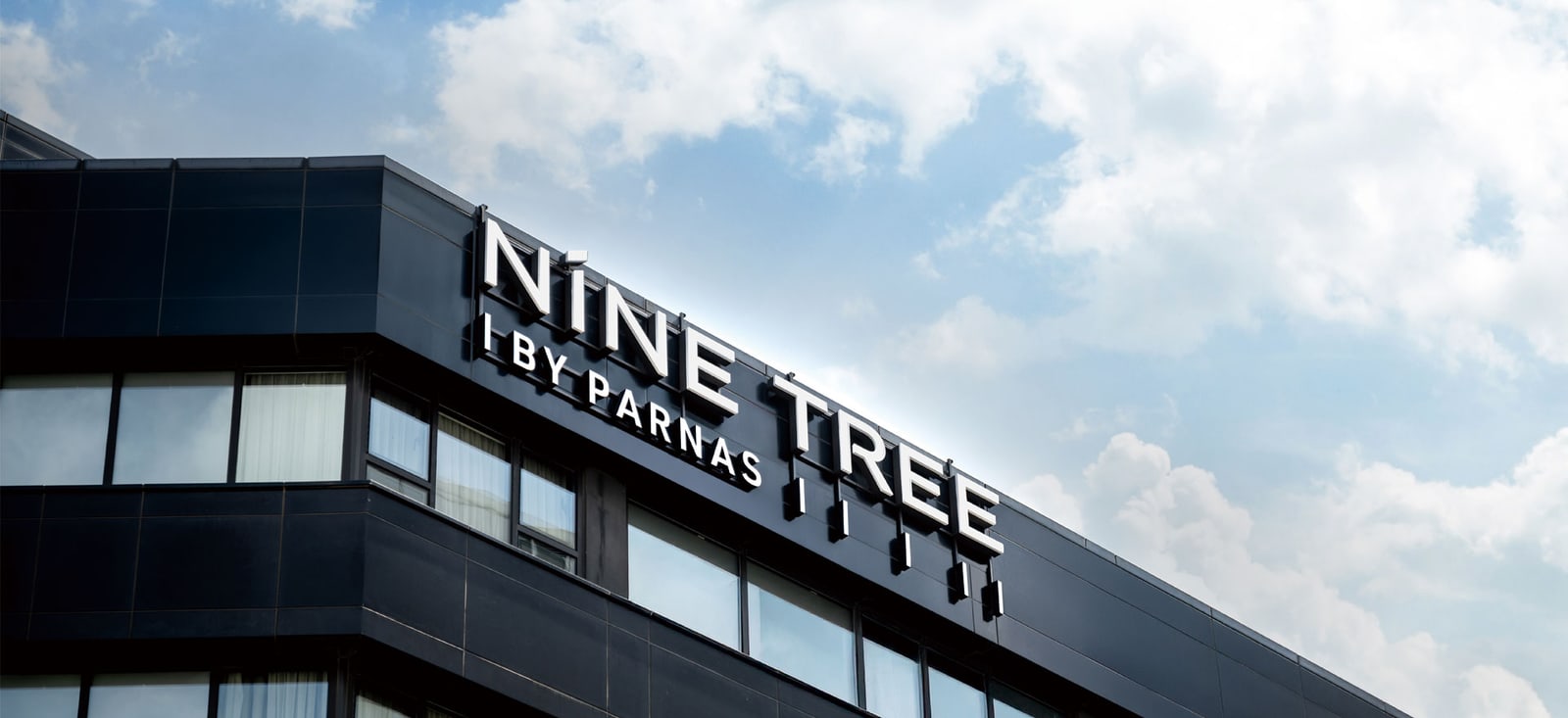
Nine Tree Hotel Myeongdong
Price Range: $90-$220/
Nine Tree Myeongdong is suitable for first-time Seoul visitors: convenient for airport buses/subway, money exchange, shopping, Namsan, and Euljiro. Its advantage is reducing first-day friction, not a resort feel. Downsides are crowded shopping areas and small rooms; if the focus is nightlife, consider Hongdae, and for high-end shopping and dining, Gangnam is smoother.
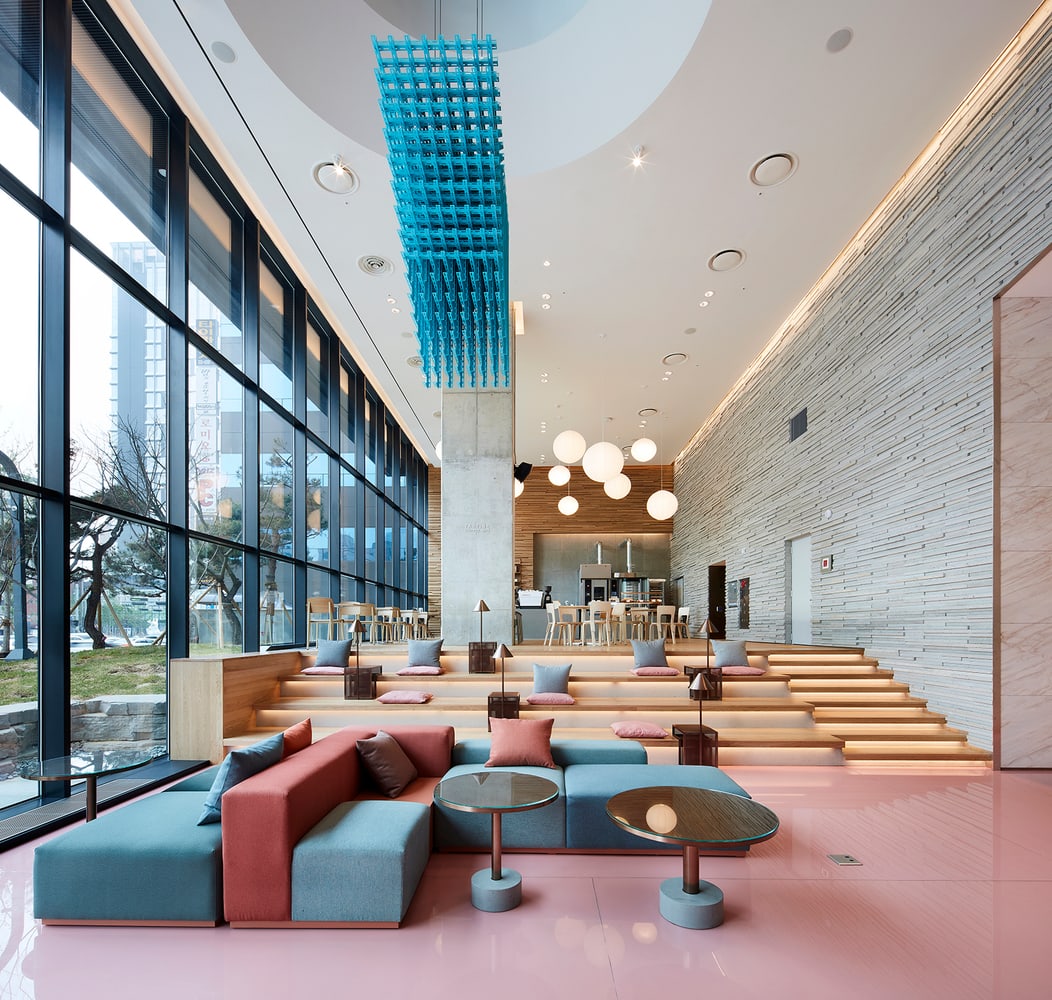
RYSE, Autograph Collection
Price Range: $180-$420/
RYSE is suitable for those who want to experience the youthful side of Seoul: Hongdae, Yeonnam-dong, cafes, live houses, bars, and the airport railroad are all within easy reach. Prices are higher than standard business hotels, but returning at night is convenient. Staying in Hongdae after a match night is more worry-free than crossing the city back to Gangnam.
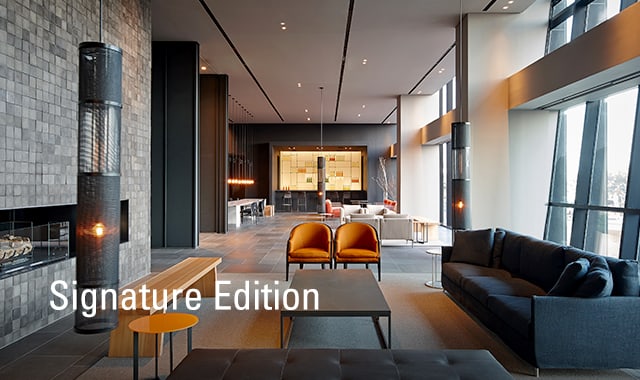
Shilla Stay Haeundae
Price Range: $90-$240/
Shilla Stay Haeundae is suitable for wrapping up a Busan trip: the beach, seaside walks, restaurants, and taxis to Gimhae Airport are all relatively straightforward. It is not a traditional ocean-view resort hotel, but it is very practical for a 1-2 night Busan stay. Haeundae room rates are high in peak season; if on a tight budget, consider Seomyeon or Nampo.
Local Cuisine & Restaurants
What to eat in South Korea
Food notes focus on local dishes, realistic restaurant types, prices and the easiest first meals after arrival.
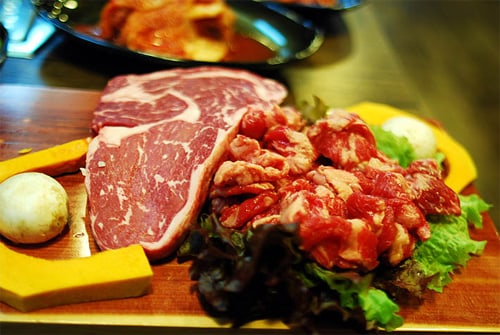
Korean BBQ
BBQ is the meal most likely to be enjoyable yet exceed the budget during a Korea trip. First check if a minimum of two orders is required, whether meat is ordered by portion or set, and if reservations are needed; when staff grill for you, don't flip the meat frequently. BBQ is great after a match night, but queues are long in popular areas; a practical approach is avoiding viral spots and finding stable-rated places near your hotel with local customers.
Recommended Restaurants: Maple Tree House, Wangbijib, Hongdae/Euljiro local BBQ joints, hotel front desk recommendations
Budget: KRW 25,000-70,000/
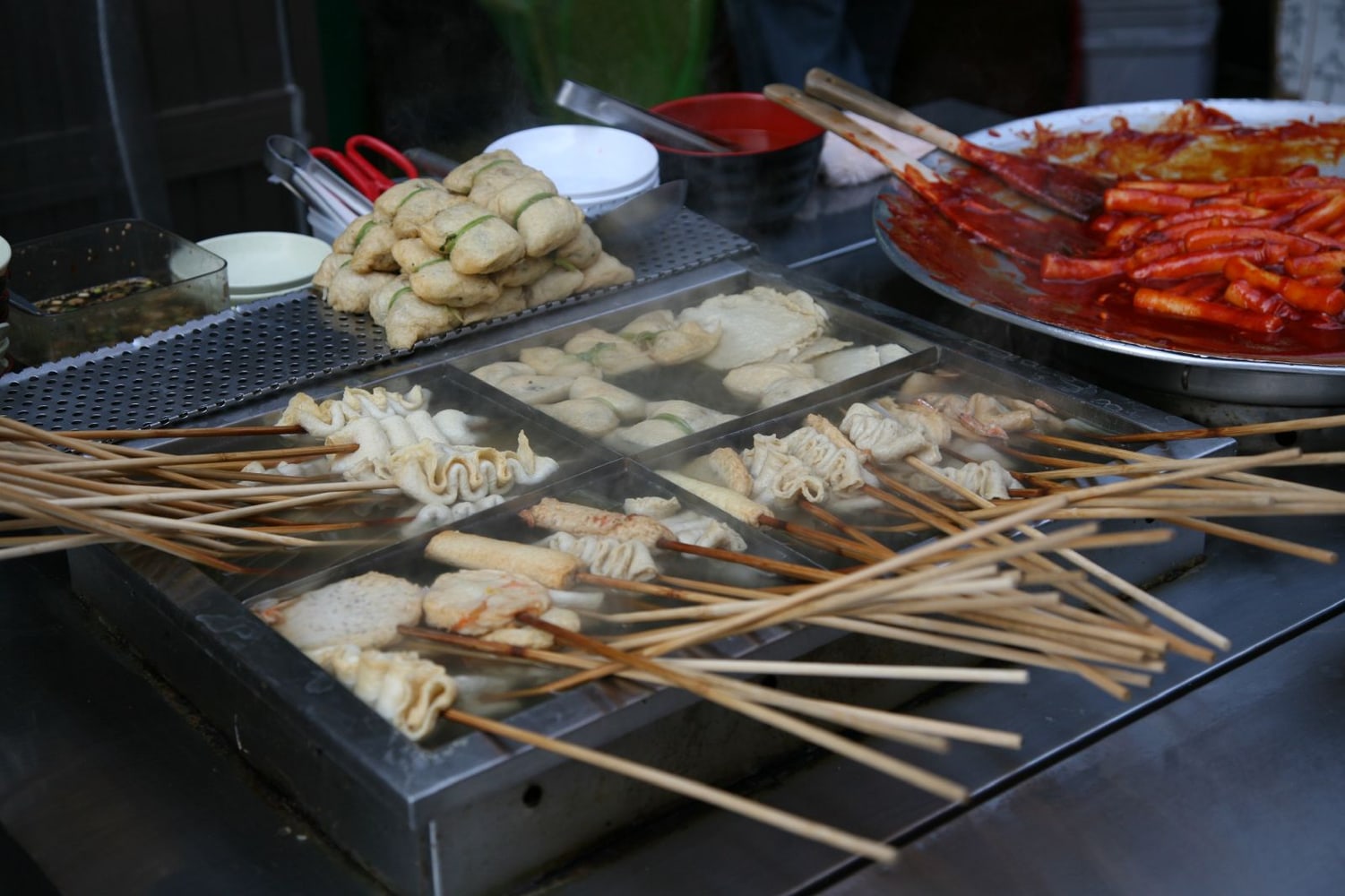
Tteokbokki / Eomuk
Spicy rice cakes and fish cakes are the most practical street snacks, suitable for Myeongdong, Gwangjang Market, Hongdae, or Busan nights. Note they aren't just snacks; the spice and sweetness levels are distinct. Those who can't eat spicy food can start with fish cake soup, gimbap, or pancakes. Cash is best for street stalls and markets.
Recommended Restaurants: Myeongdong, Gwangjang Market, Hongdae street stalls, Busan Nampo/BIFF Square
Budget: KRW 3,000-8,000
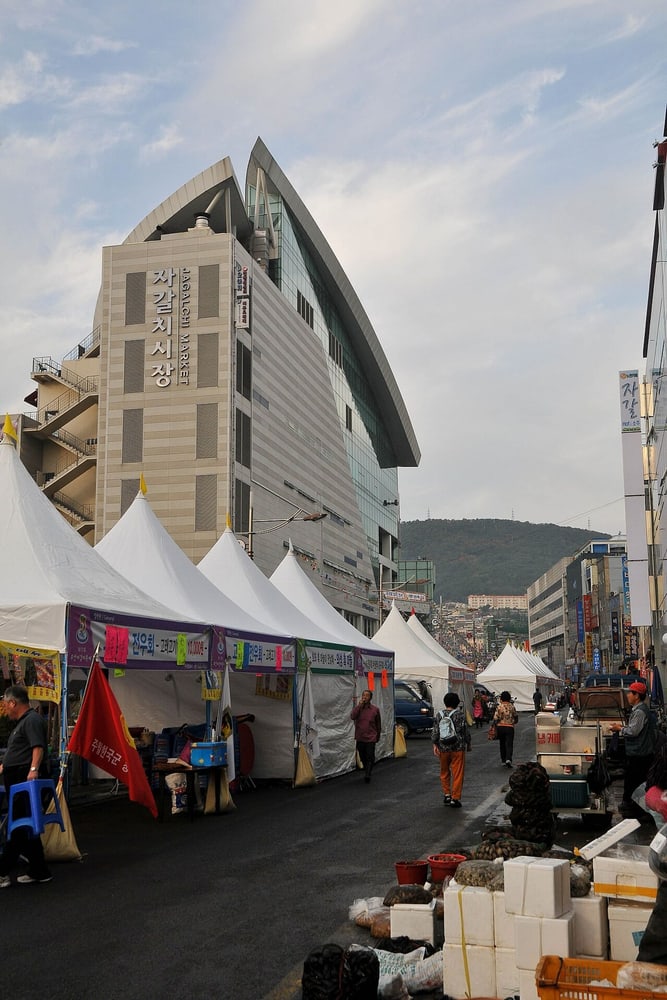
Busan Seafood
Jagalchi Market and Haeundae restaurants can transform Busan from 'just outside Seoul' into a true port city. Before ordering seafood, ask if the price is by kilogram, by plate, or a set menu; live seafood processing fees, side dishes, and alcohol are charged separately. If you don't want to haggle, choosing a restaurant with clearly priced menus is more relaxing than picking fish at the market.
Recommended Restaurants: Jagalchi Market, Minrak Raw Fish Center, Haeundae seafood restaurants
Budget: KRW 20,000-80,000+
South Korea Local Cuisine & Restaurants?
Korean BBQ BBQ is the meal most likely to be enjoyable yet exceed the budget during a Korea trip. First check if a minimum of two orders is required, whether meat is ordered by portion or set, and if reservations are needed; when staff grill for you, don't flip the meat frequently. BBQ is great after a match night, but queues are long in popular areas; a practical approach is avoiding viral spots and finding stable-rated places near your hotel with local customers. Maple Tree House, Wangbijib, Hongdae/Euljiro local BBQ joints, hotel front desk recommendations KRW 25,000-70,000/
Nightlife, Shows & Entertainment Venues
South Korea after dark and local nights
Evening ideas link music, waterfronts, markets and football screens without forcing every night into a match plan.
Hongdae Match Night
Hongdae is suitable for experiencing Korean youth, live music, bar TVs, and national team match nights, but it is not a relaxed neighborhood at all hours. Weekend nights see massive crowds, difficult taxi hailing, and complex bar stairs and alleys. It is recommended to decide how to return to the hotel beforehand, carry fewer original IDs, and choose viewing spots within walking distance of your accommodation.
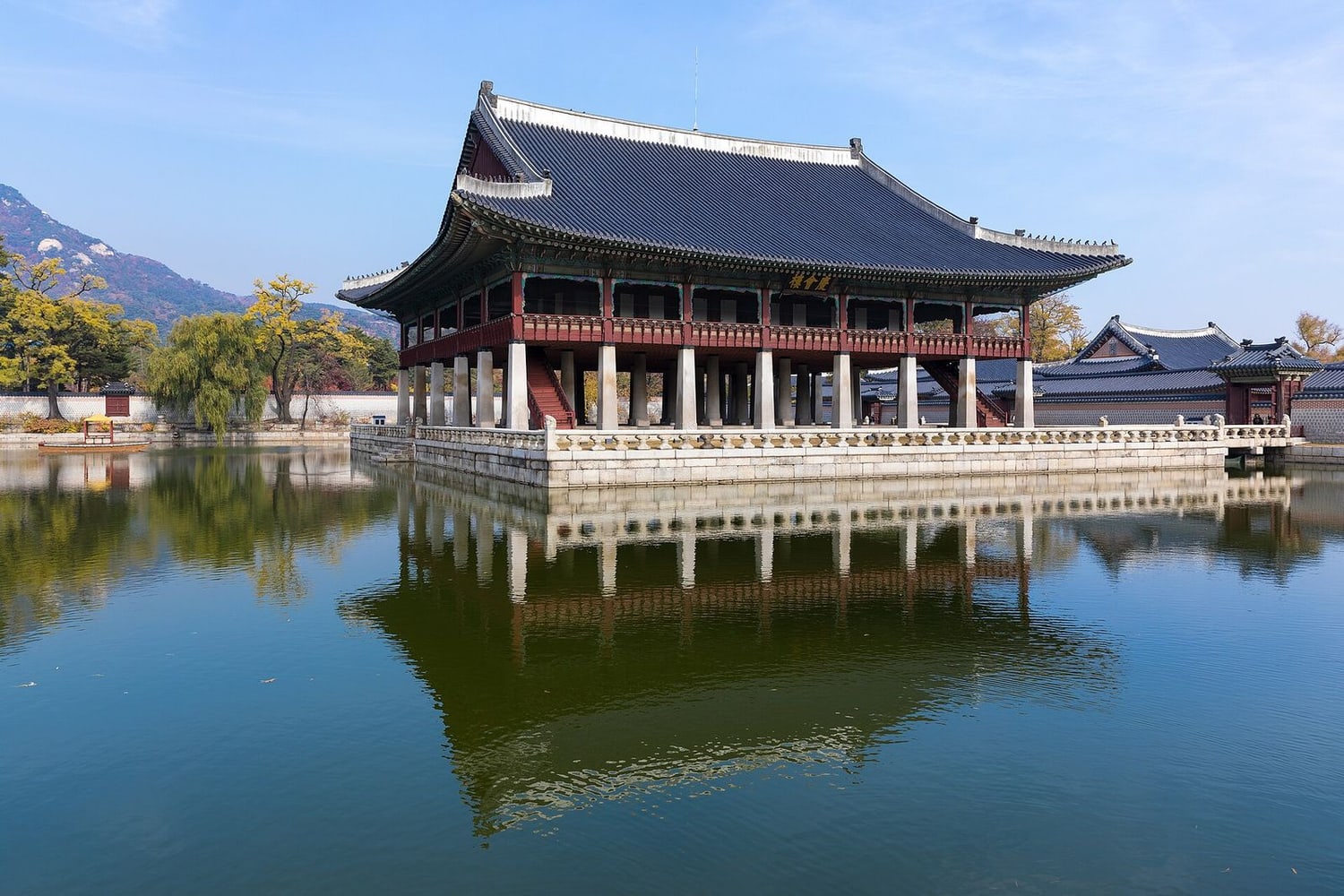
Gyeongbokgung Palace Morning
Gyeongbokgung Palace, Gwanghwamun, Bukchon, and Insadong are suitable for early morning or morning walks. Renting Hanbok for photos is fine, but don't let photography consume the understanding of the space: the royal palace, modern squares, cafes, and residential areas are all on the same city line. Bukchon is a residential area, so keep the noise and camera lenses in check.
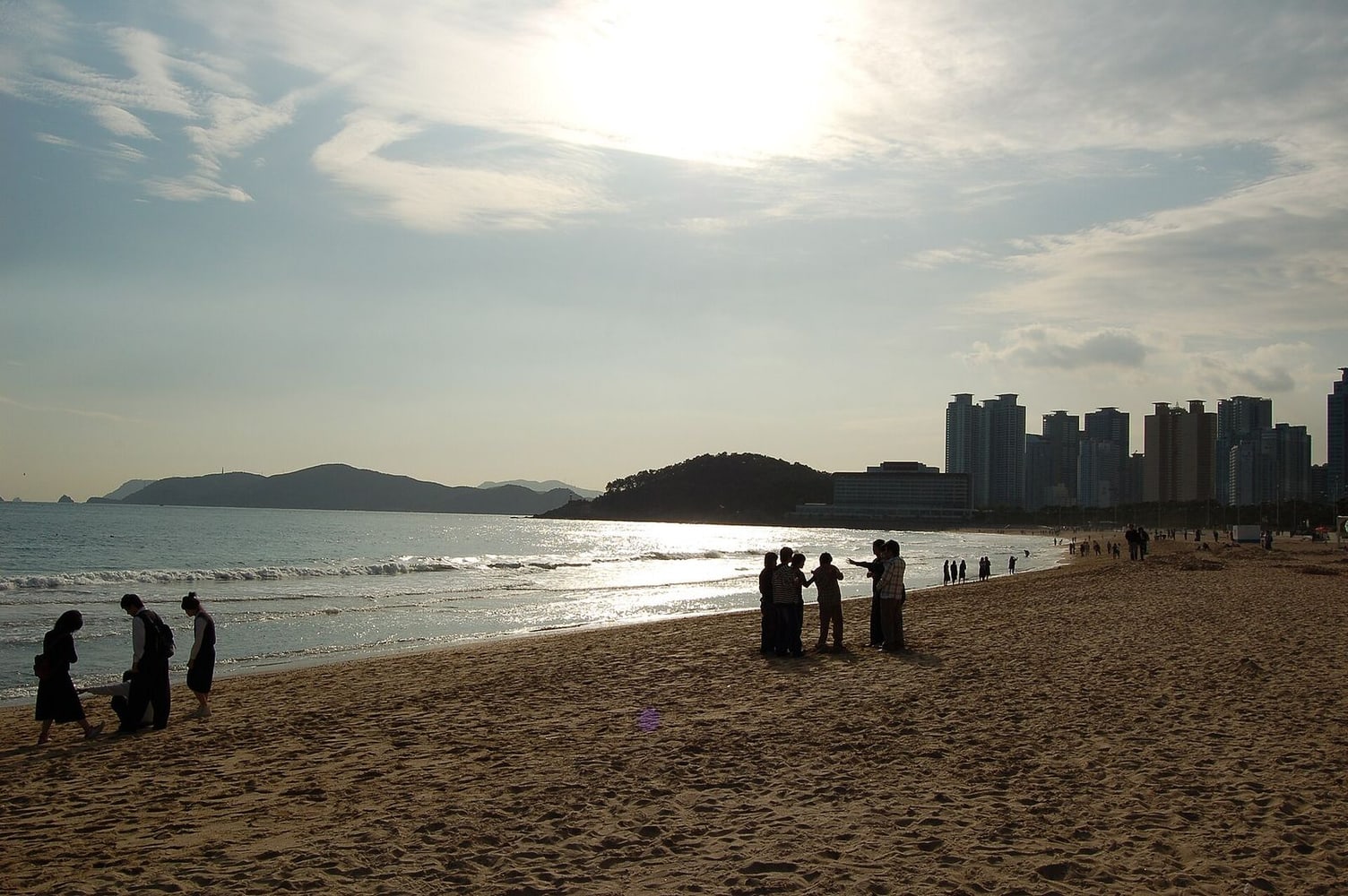
Haeundae Evening
Haeundae evening is suitable for wrapping up a Busan trip: the sea breeze, Gwangan Bridge night view, seafood, and seaside walks are more useful than rushing to more spots. If time permits, add Gamcheon Culture Village or Songdo, but don't drag luggage up the hillside blocks. Traffic slows significantly during the summer peak season and on fireworks/event days.
Domestic football clubs
South Korea football clubs and match culture
Club context adds the local football layer behind Taegeuk Tigers, from stadium neighborhoods to supporter routines. The South Korea club module should let tourists see that the K League is not just an appendage to the national team. Seoul(서울), Jeonju(전주), Ulsan(울산), and Busan(부산) represent the capital stadium, traditional strong teams, the southeastern industrial city, and harbor football respectively. The focus of the writing is how to get there, whether it's worth changing your route for a match, and which city experiences can be combined on match day.
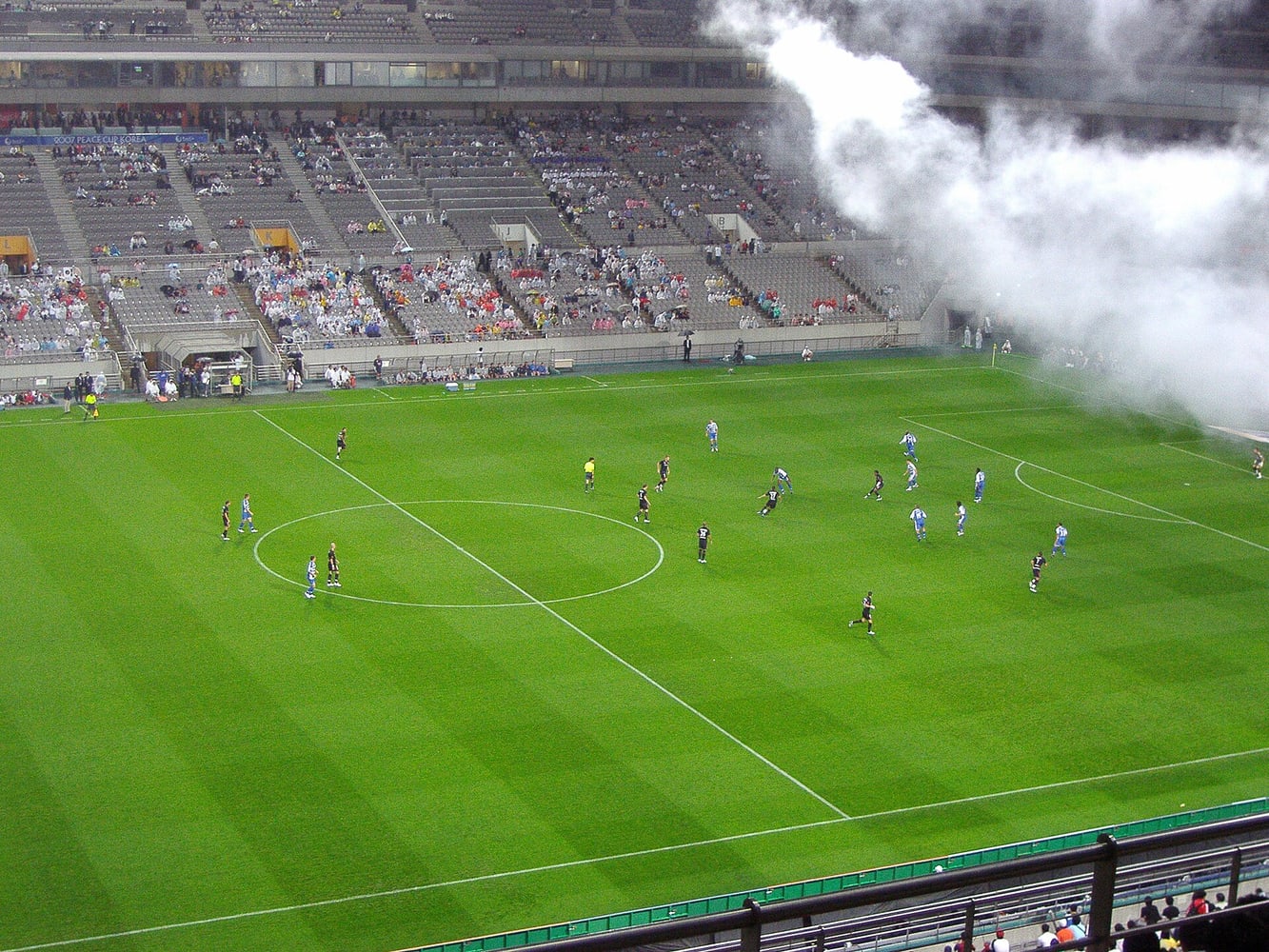
Seoul (서울)
FC Seoul
Football entry point in Seoul, useful for connecting the national team story with the travel route.
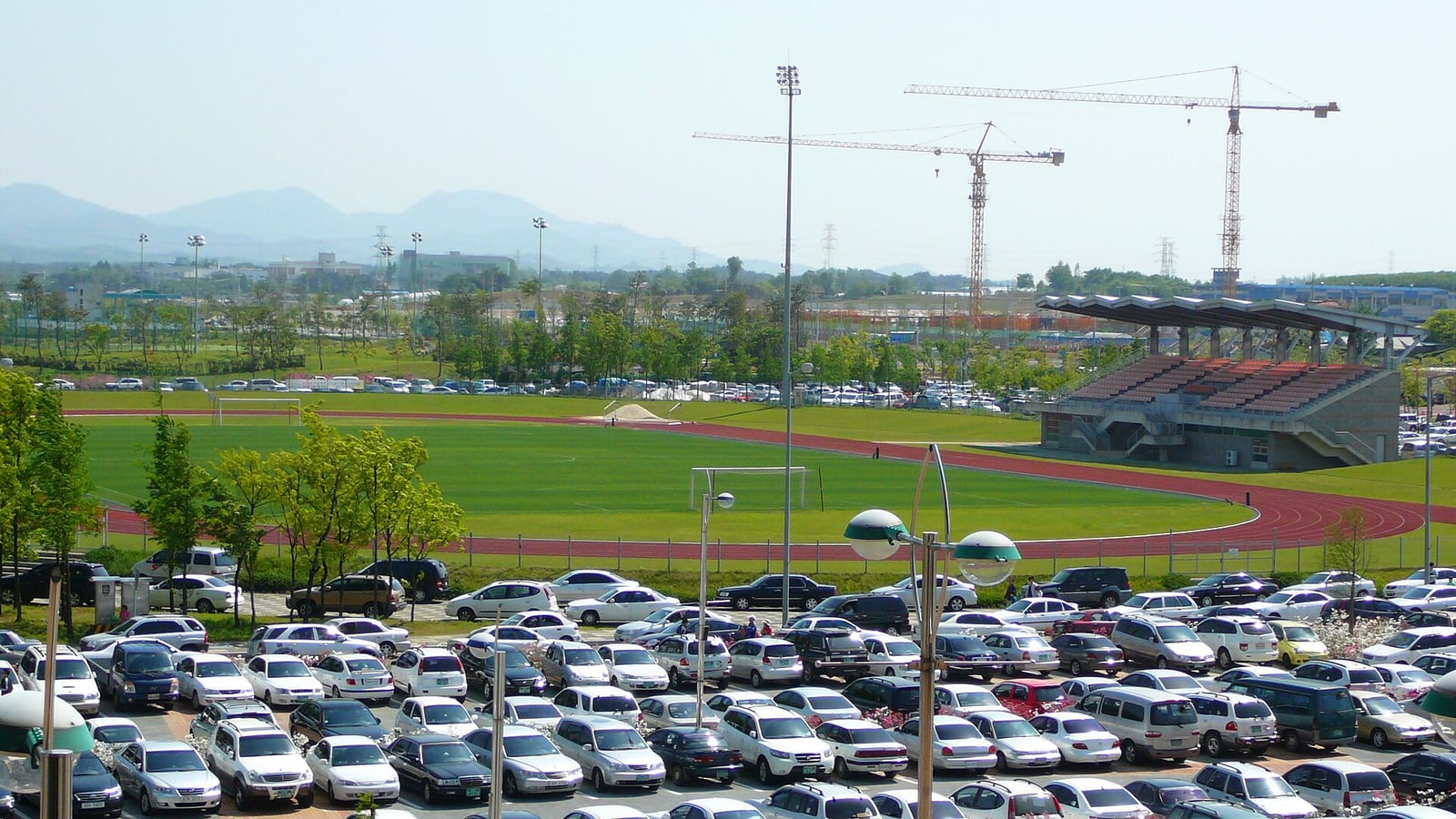
Jeonju (전주)
Jeonbuk Hyundai Motors (전북 현대 모터스)
Jeonbuk Hyundai Motors (전북 현대 모터스) represents Korean clubs' competitiveness in the Asian arena, and can also extend the itinerary to Jeonju Hanok Village (전주한옥마을) and cuisine. It is not suitable for ordinary tourists to make a hard round trip from Seoul (서울) in one day, but it is suitable for those who have already headed south to Gyeongju (경주) / Busan (부산) and are willing to add an extra stop for football.
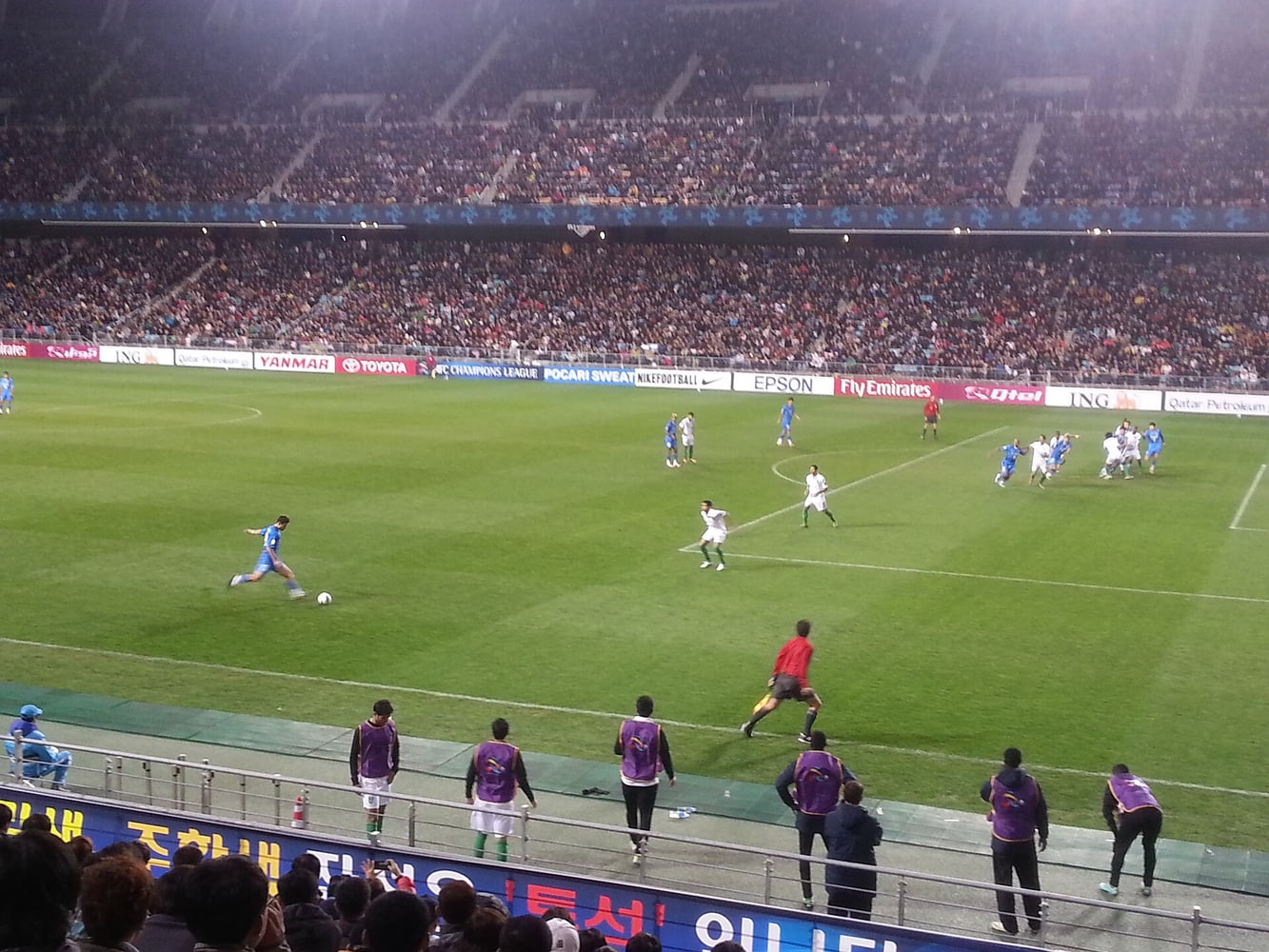
Ulsan (울산)
Ulsan HD (울산 HD)
Ulsan HD (울산 HD) connects southeastern industrial cities in Korea, a strong K League team, and routes around Busan (부산). It is suitable for deep football tourists, combining Busan (부산), Ulsan (울산), and Gyeongju (경주) into a southeastern route; ordinary tourists can watch the night broadcast of the match in Busan (부산), without having to forcibly detour for a short trip.
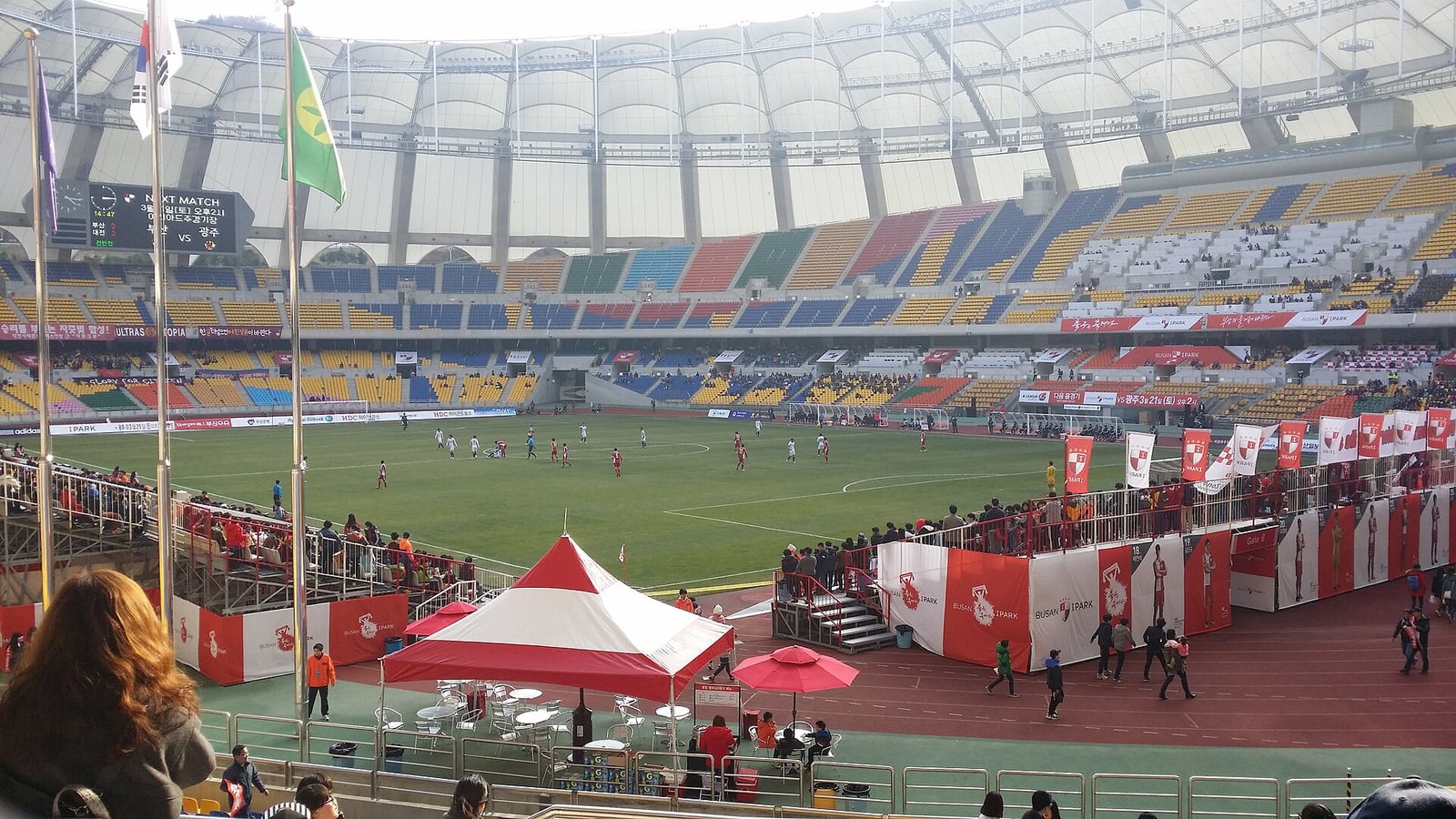
Busan (부산)
Busan IPark (부산 아이파크)
Busan IPark (부산 아이파크) gives the port city a football anchor. Even if the team's attention is not as high as Seoul (서울) and Jeonbuk (Jeonbuk), it is suitable for connecting Haeundae (해운대), Jagalchi Market (자갈치시장), Gamcheon (감천), and local match days, so that Busan (부산) is not just about seafood and beaches.
Landscape anchors
South Korea attractions that match the Taegeuk Tigers story
These landscapes and city stops give the football-led route a stronger sense of place. Behind the Taegeuk Tigers are Seoul, Busan, Jeju, Gyeongju, KTX, and a travel map of South Korea extending from match nights.
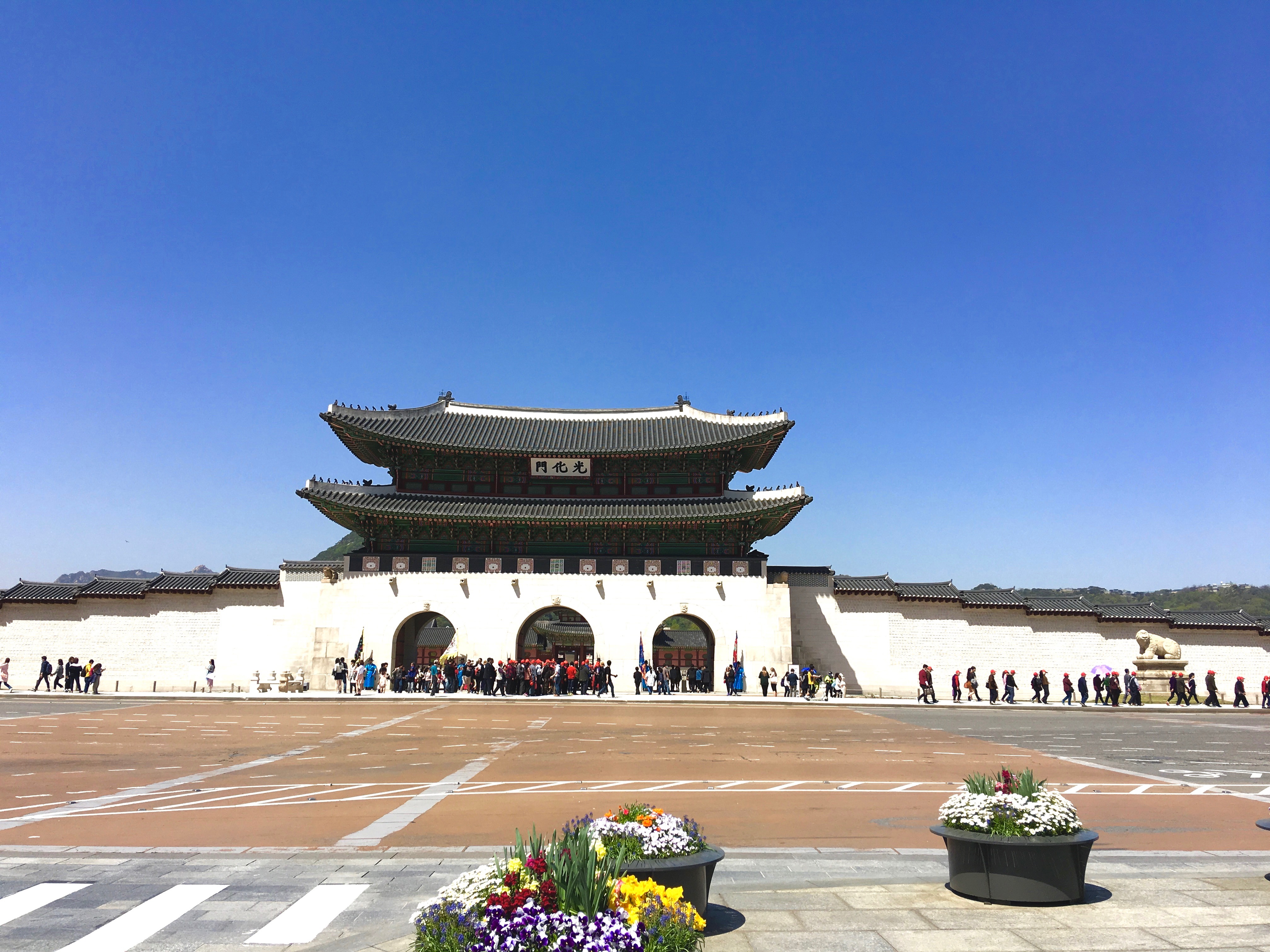
Gyeongbokgung
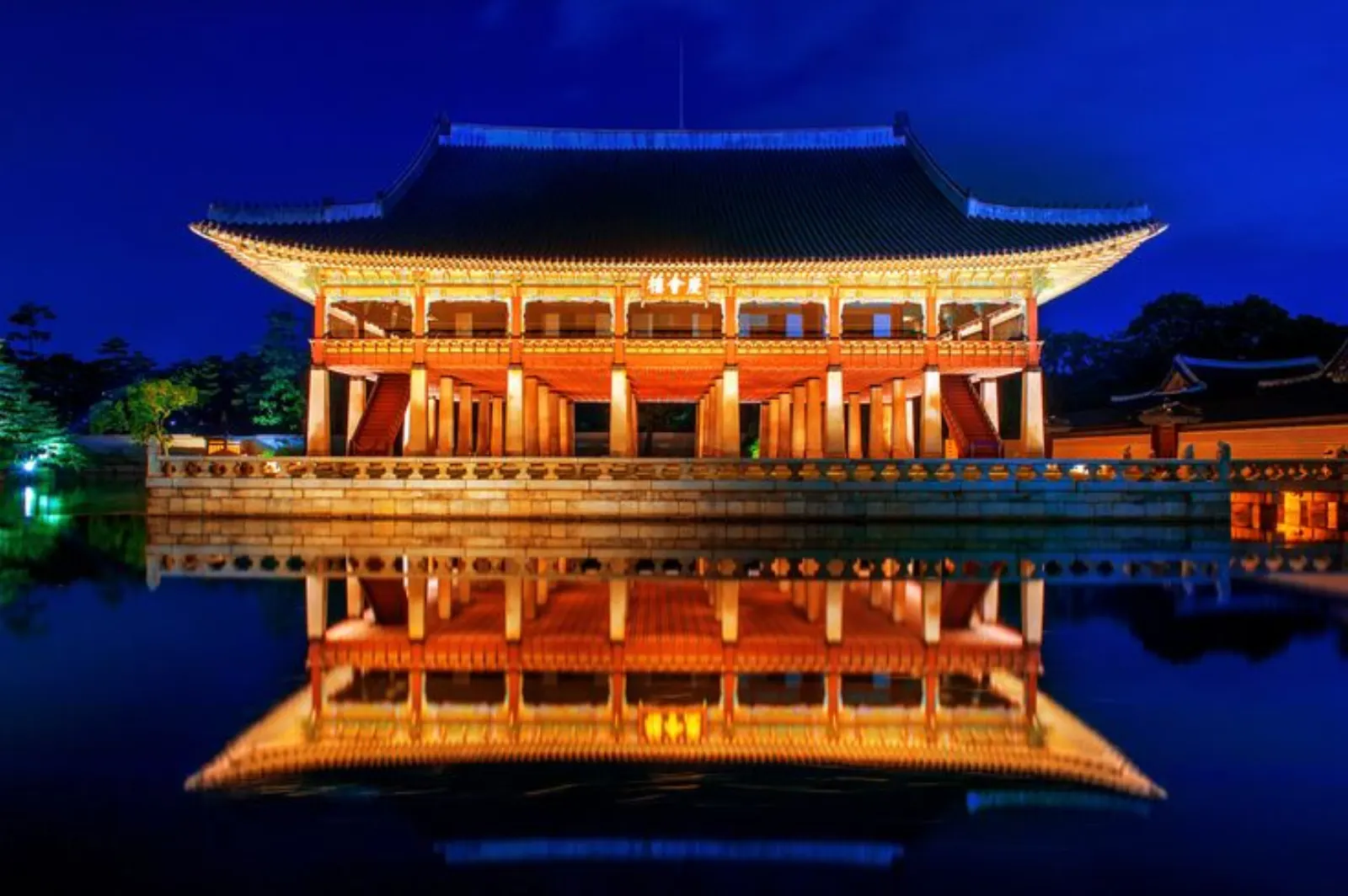
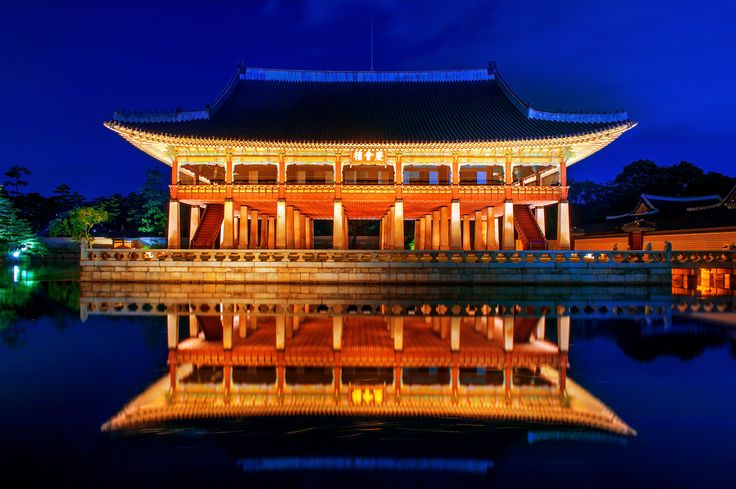
The head of Seoul's Five Grand Palaces. Wearing a hanbok for free entry is the most cost-effective way to experience it. The modern architecture of Gwanghwamun Square alongside the ancient palace creates the most layered view. The changing of the guard ceremony takes place on the hour every morning.
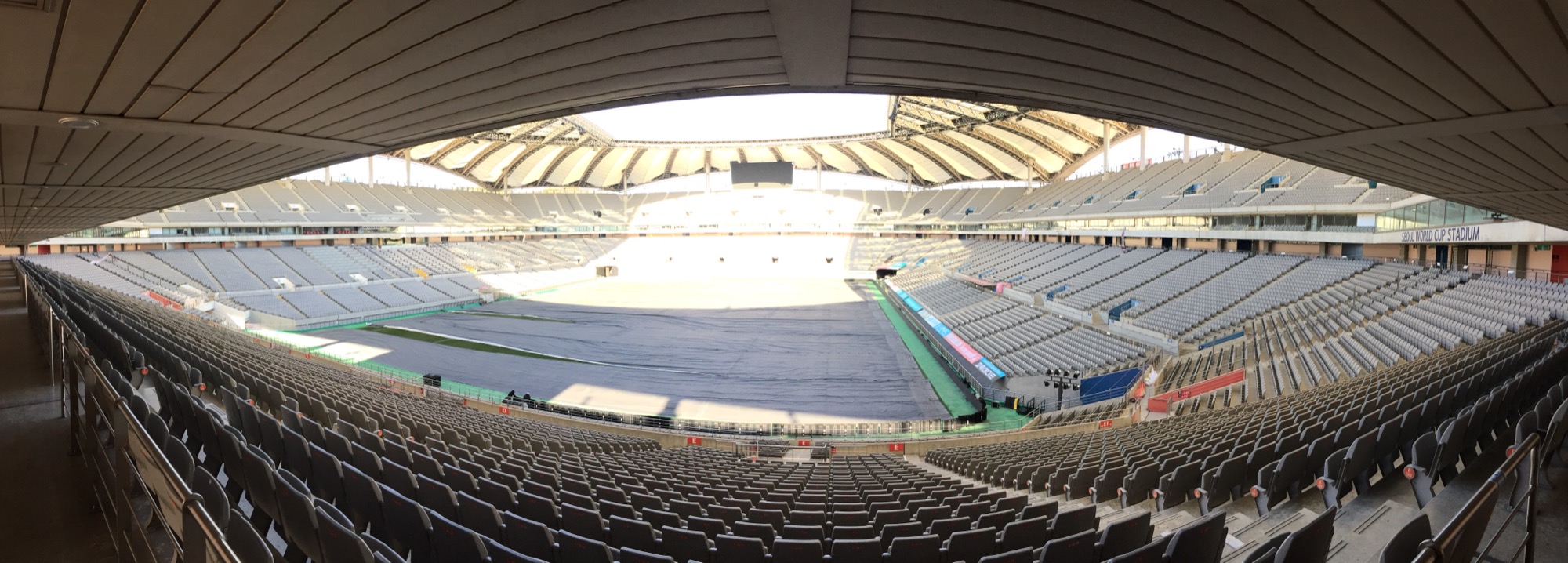
Seoul World Cup Stadium
The home of 2002 World Cup memories, now the home stadium of FC Seoul. On match days, take Line 6 to World Cup Stadium Station. The synchronized cheering and orderly hand gestures of Korean fans will redefine everything you know about watching football.
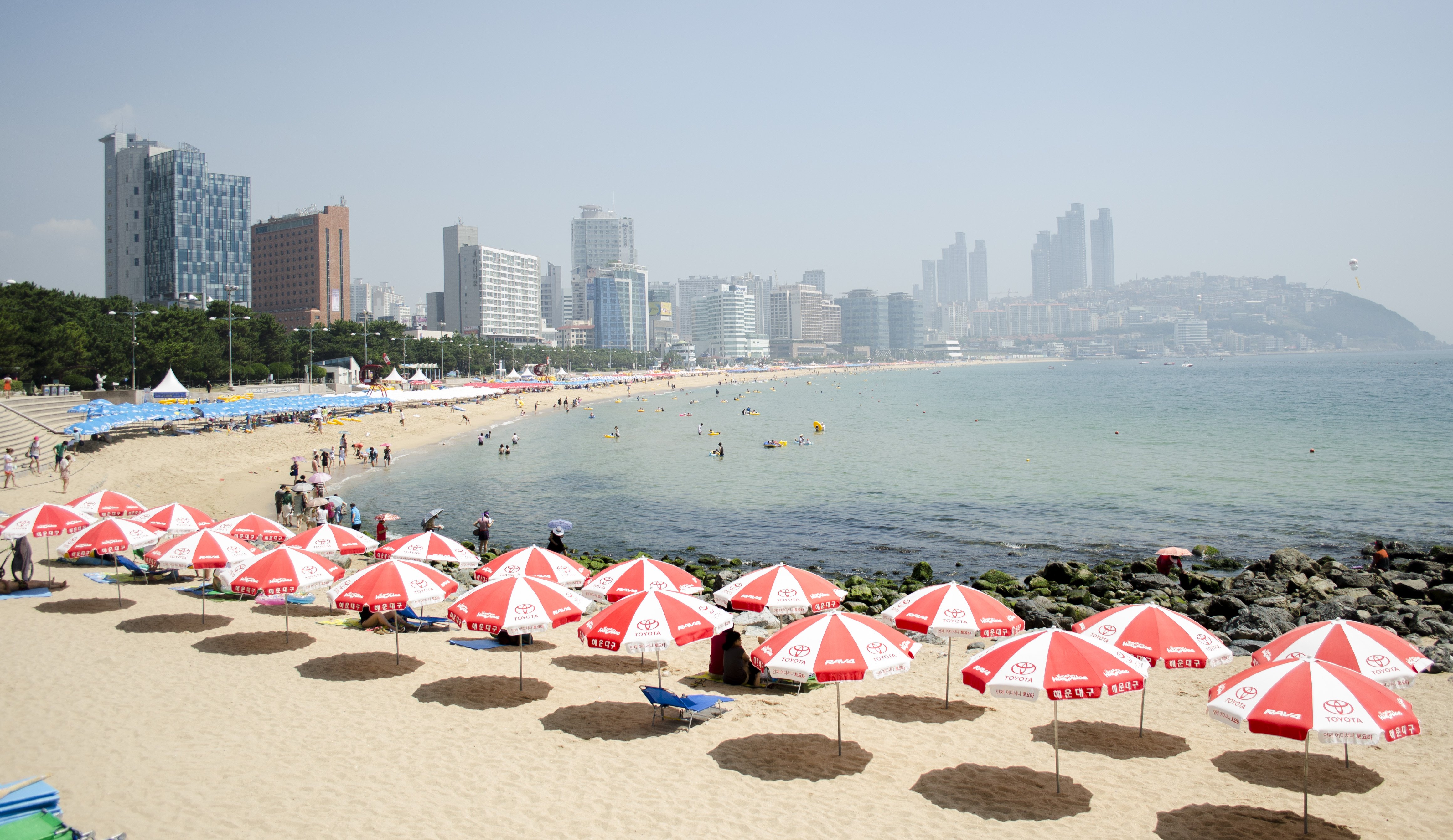
Busan Haeundae
Korea's most famous urban beach, packed in summer. The Gwangandaegyo Bridge night view, seafood street stalls, and seaside walks come together for a perfect evening. In winter, the wind is strong and the sea is cold, but the sashimi is freshest.
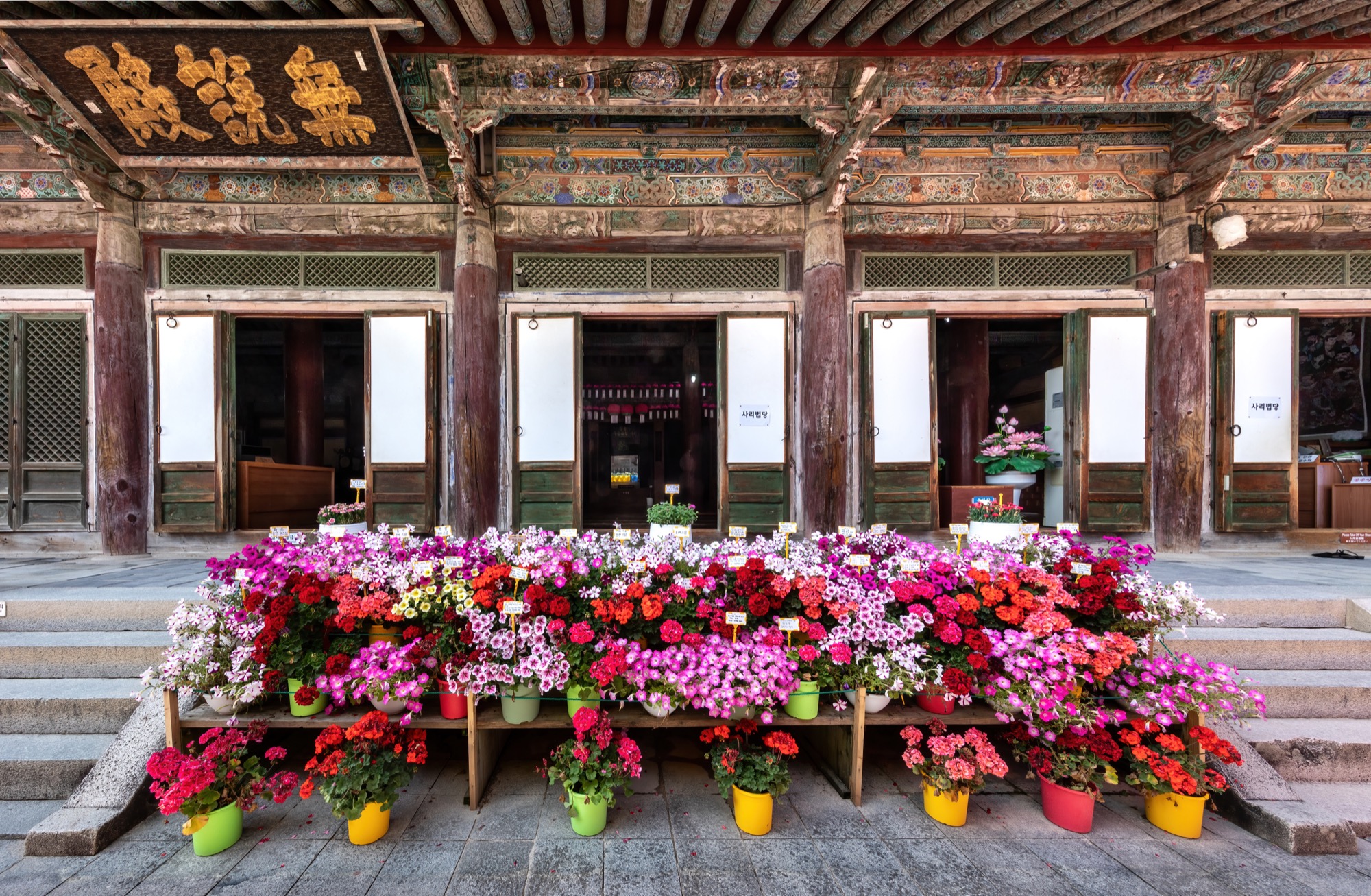
Gyeongju
A museum without walls. Bulguksa Temple, Seokguram Grotto, Daereungwon Tomb Complex, and Cheomseongdae Observatory piece together a millennium of Silla. Take the KTX from Seoul in two hours; staying overnight allows you to capture the quiet morning ancient tomb mounds far better than a day trip.
Overall Travel Map
South Korea travel map for planning
Save the map to compare airports, hotels, restaurants, clubs and attractions before building the route. The map uses ICN/Seoul(서울) as the entry point, with KTX connecting south to Gyeongju(경주) and Busan(부산); football points are placed at Seoul World Cup Stadium, Jeonju(전주), Ulsan(울산), and Busan(부산).
Download and save travel mapBrowse all downloadable travel maps →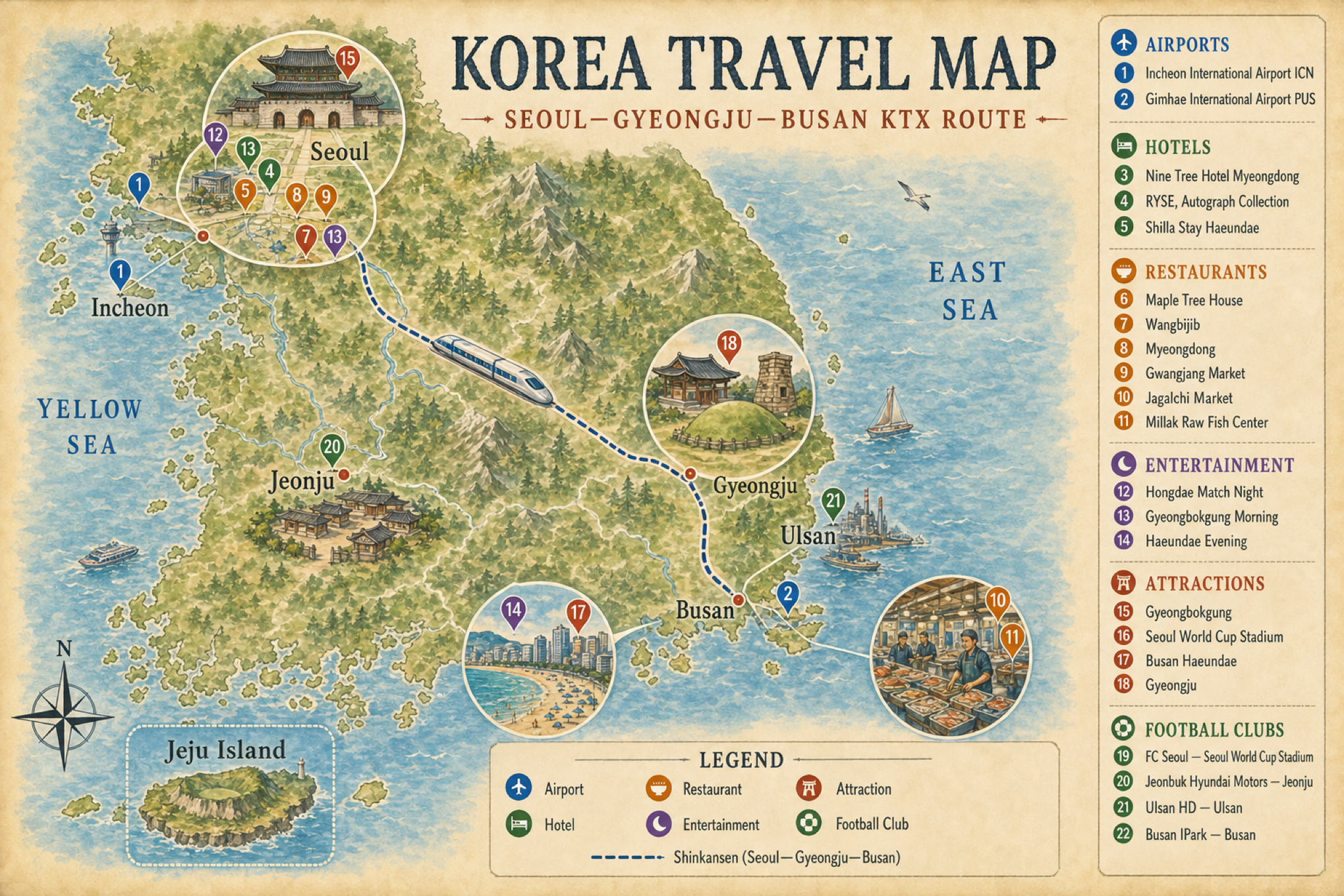
How Much Money to Prepare
South Korea trip budget
A quick cost frame for flights, hotels, food, transport and paid activities before you book. 7-day Seoul+Gyeongju+Busan trip, it is recommended to prepare approximately $1,200-$2,800 per person.
Many options from East Asia, significant seasonal fluctuations from Europe/America.
Significant price increases in popular areas of Seoul and on weekends.
Convenience stores and snacks save money, barbecue and cafes are separate expenses.
Palace admission fees are low, performances, theme parks, and day tours are higher.
City transportation is inexpensive, KTX is the major expense.
Travel rules, prices, transport schedules and safety conditions can change. Recheck official entry rules, local advisories and current prices before booking.
Flight Route Reference
South Korea itinerary sources
External route references used to check pacing, logistics and travel assumptions.
- Visit Korea — Used to check city, season, and basic travel information.
- KORAIL — Used for verifying KTX and railway travel logic.
- K League — Used for verifying Korean professional football and club context.
Related route
Compare another World Cup travel route
Editorial notes
How this South Korea guide is maintained
Researched and edited by the Travel the Teams editorial team. This guide combines route-planning context, cultural background and the sources linked above; it is not a substitute for official entry, safety, health or transport advice.
Travel requirements and prices change. Confirm current information with the relevant official authorities and providers before booking.