Country Travel Snapshot
Netherlands travel basics: entry, season, budget and transport
"The lowland kingdom in northwestern Europe, with canals, windmills, tulips, bicycles, and orange football forming national symbols." Start here for the practical checks that decide whether a Netherlands trip works: entry rules, weather, costs and local movement.
- Population
- "Approximately 17.8 million."
- Time Zone
- "Central European Time, UTC+1 (Daylight Saving Time UTC+2)."
- Main Ethnic Groups
- "Predominantly Dutch ethnicity, with Turkish, Moroccan, Indonesian, and Surinamese communities, highly culturally diverse."
- Local Language
- "Dutch is the official language, English is widely used in cities, hotels, museums, and transportation contexts."
- Currency and Exchange Rate
- "Euro (EUR)."
"Planning reference: approximately 0.9 EUR for 1 USD, approximately 0.13 EUR for 1 CNY; check real-time exchange rates before actual payment."Fetching live reference exchange rates EUR...
Visa/Visa on Arrival
"The Netherlands is part of the Schengen Area, no visa on arrival for tourism. Passports from China, India, South Africa, Morocco, etc., typically need to apply for a short-term Schengen visa in advance; US, Canadian, British, Japanese, Korean, Singaporean, Australian, New Zealand, etc., passport holders can stay in the Schengen Area for a maximum of 90 days every 180 days. Those requiring visas can apply as early as 6 months before departure; Dutch authorities recommend applying at least 45 days before departure; during peak season, for group travel, or if additional documents are needed, applying 2 months in advance is more reliable."
Visa/entry information last reviewed: 2026-07-08. Rules can change by passport, arrival point and transit plan; recheck official rules before booking.Local Transportation
"Best suited for 'train connections between cities + city trams/walking + short-distance cycling'. Schiphol to Amsterdam Centraal by train takes about 15-20 minutes; Amsterdam-Rotterdam about 40 minutes, Amsterdam-Utrecht about 25 minutes, Amsterdam-Den Haag about 50 minutes. In the city, GVB accepts direct bank card/mobile phone payments, single-day tickets approximately EUR 10.50, Amsterdam Travel Ticket 1/2/3 days approximately EUR 20/27/34. Bicycles are suitable for those experienced in urban cycling, regular rentals approximately EUR 12-20/day."
Best Travel Season
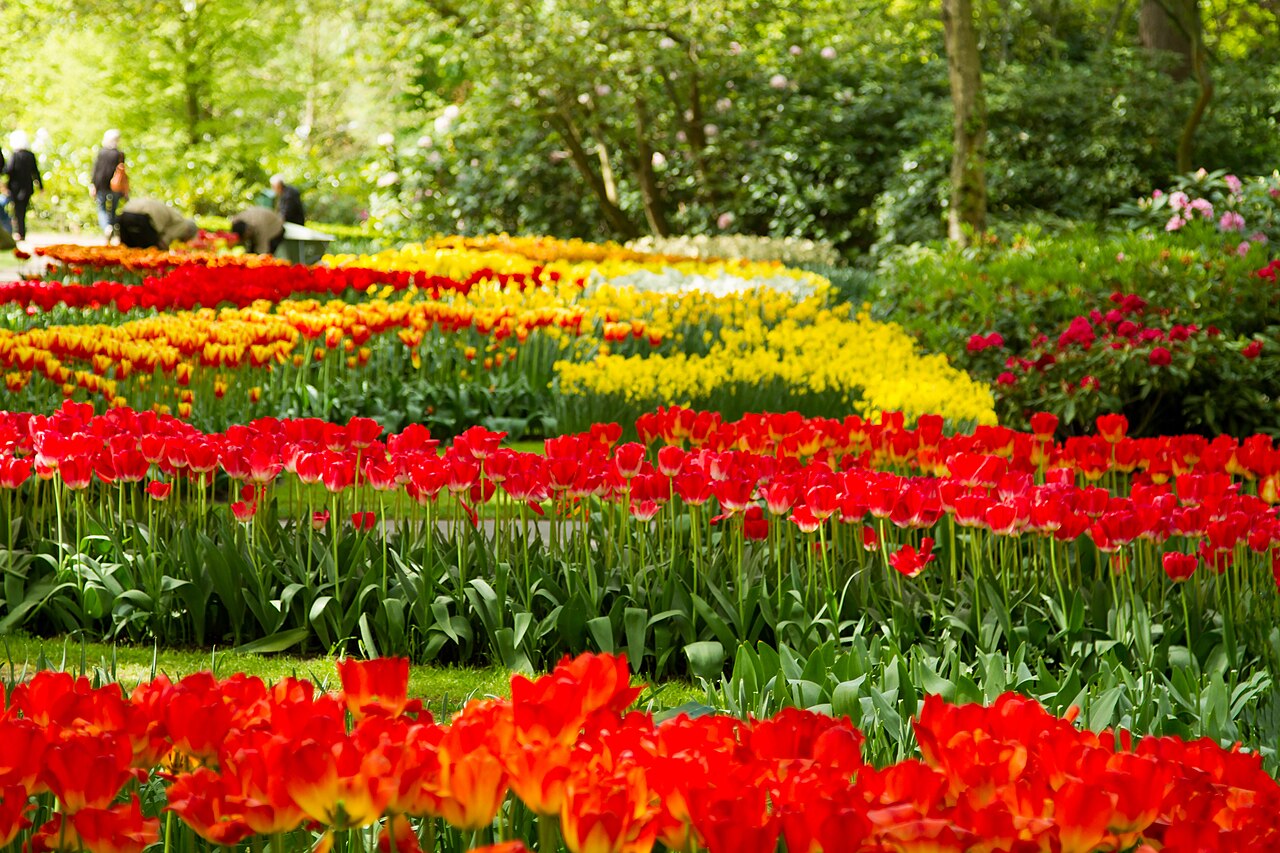
Mid-April to early May for tulips and King's Day; June-September is best for canals, cycling, and short trips to The Hague / Rotterdam ; October is suitable for museums and city walks, with fewer people and lower prices.
Price Level
"Medium-high, Amsterdam is one tier more expensive than Rotterdam, Utrecht, and The Hague." "Daily reference for travelers: budget type approximately EUR 80-110, mid-range approximately EUR 180-240. Hostel beds EUR 35-70, regular hotel double rooms EUR 130-250, often EUR 250+ in the canal belt and on weekends; sandwiches/fries/market snacks EUR 6-12, main courses in regular restaurants EUR 18-30, coffee EUR 3.5-5, beer EUR 5-8; popular museum tickets mostly EUR 15-25." 5-7 day Netherlands trip, it's recommended to prepare approximately $1,400-$3,200 per person.
Before you book
Netherlands practical checks
Use these extra notes after the travel basics to check safety, entry friction, money, transport, routing and the easiest first meal.
Netherlands Local Customs?
Bike lanes are commuting routes for Dutch people, not tourist selfie spots. The most common frustration point is renting a bike immediately after arrival and rushing into Amsterdam Centrum: locals move fast, you can't suddenly stop on red bike lanes, you must look over your shoulder before turning, tram tracks can trap tires, and bridge surfaces and rainy cobblestone roads are more slippery. Those cycling for the first time are better off with short rides in Vondelpark, Amsterdam Noord, Waterland, or around Haarlem; for getting to museums, going to bars, and moving with luggage in the city center, trams/walking are more reliable. Popular attractions in Amsterdam aren't 'queue at the entrance' experiences. Anne Frank House, Van Gogh Museum, Rijksmuseum all require advance time-slot bookings during peak season and weekends; actual itinerary arranging major museums in the morning, leaving afternoons for Jordaan, De 9 Straatjes, canal walks, and brown cafes. Dutch weather changes quickly; walking along Prinsengracht or Brouwersgracht for half an hour after rain stops often feels more like the city than visiting another indoor attraction.
Netherlands Visa/Visa on Arrival?
"The Netherlands is part of the Schengen Area, no visa on arrival for tourism. Passports from China, India, South Africa, Morocco, etc., typically need to apply for a short-term Schengen visa in advance; US, Canadian, British, Japanese, Korean, Singaporean, Australian, New Zealand, etc., passport holders can stay in the Schengen Area for a maximum of 90 days every 180 days. Those requiring visas can apply as early as 6 months before departure; Dutch authorities recommend applying at least 45 days before departure; during peak season, for group travel, or if additional documents are needed, applying 2 months in advance is more reliable."
Netherlands Currency and Exchange Rate?
"Euro (EUR)." "Planning reference: approximately 0.9 EUR for 1 USD, approximately 0.13 EUR for 1 CNY; check real-time exchange rates before actual payment." "Medium-high, Amsterdam is one tier more expensive than Rotterdam, Utrecht, and The Hague." "Daily reference for travelers: budget type approximately EUR 80-110, mid-range approximately EUR 180-240. Hostel beds EUR 35-70, regular hotel double rooms EUR 130-250, often EUR 250+ in the canal belt and on weekends; sandwiches/fries/market snacks EUR 6-12, main courses in regular restaurants EUR 18-30, coffee EUR 3.5-5, beer EUR 5-8; popular museum tickets mostly EUR 15-25." 5-7 day Netherlands trip, it's recommended to prepare approximately $1,400-$3,200 per person.
Real route reference
7-day Netherlands itinerary for World Cup travelers
A practical route that turns interest in Oranje into cities, landscapes, food stops and match-night culture. The Netherlands is best suited for high-density routes using short-distance railways: Amsterdam (Amsterdam) handles canals, museums, and the Oranje entry; Rotterdam (Rotterdam) handles modern architecture; The Hague (Den Haag) handles the seaside and political capital; Utrecht (Utrecht) handles quieter canal city; Eindhoven (Eindhoven) brings in Cody Gakpo and PSV (PSV) clues.
Day 1 · Amsterdam (Amsterdam)
Arriving in Amsterdam: Canals and Brown Cafés Set the Rhythm
AMS → Amsterdam Centraal → Jordaan (Jordaan) / Canal Ring
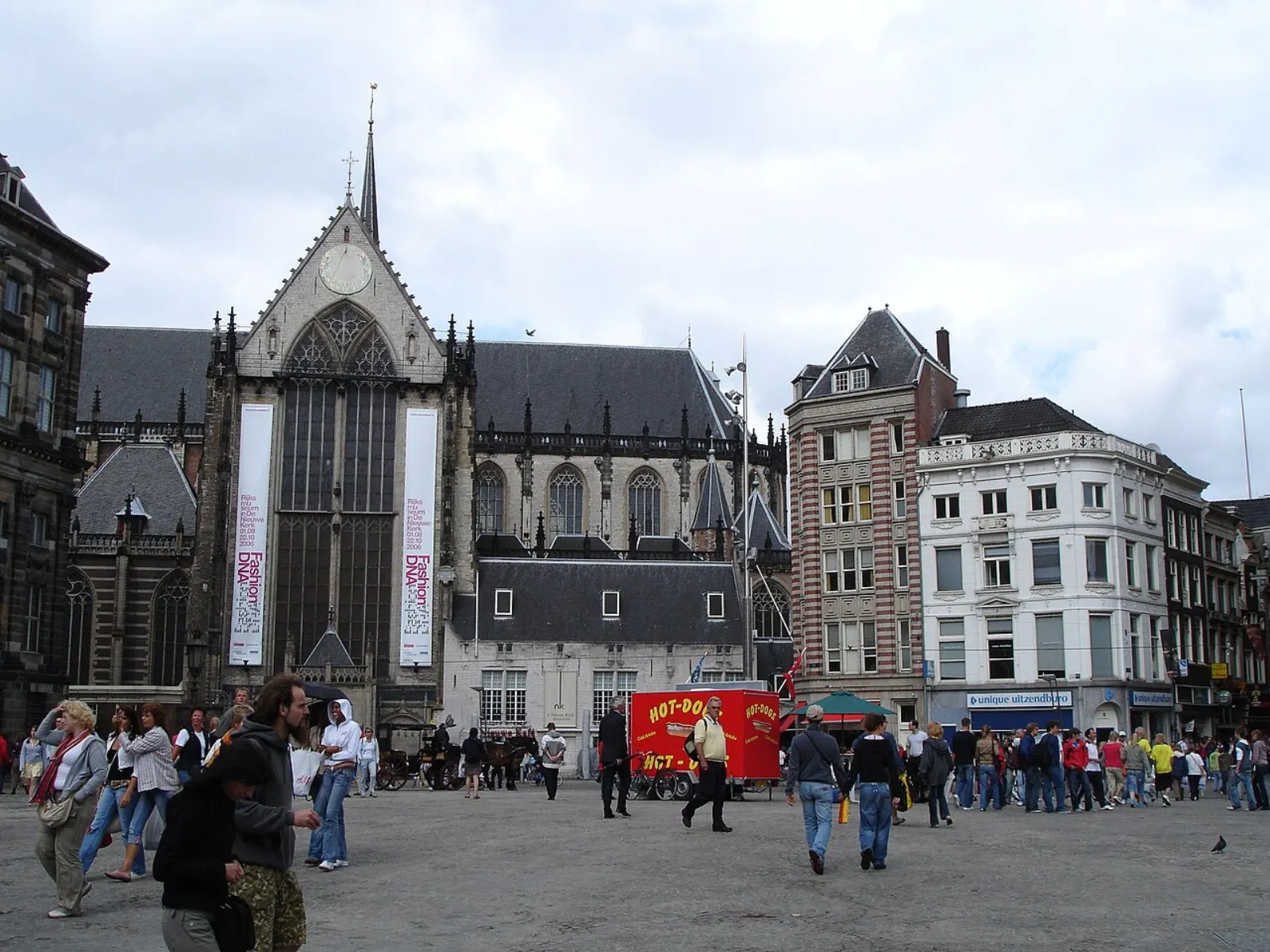
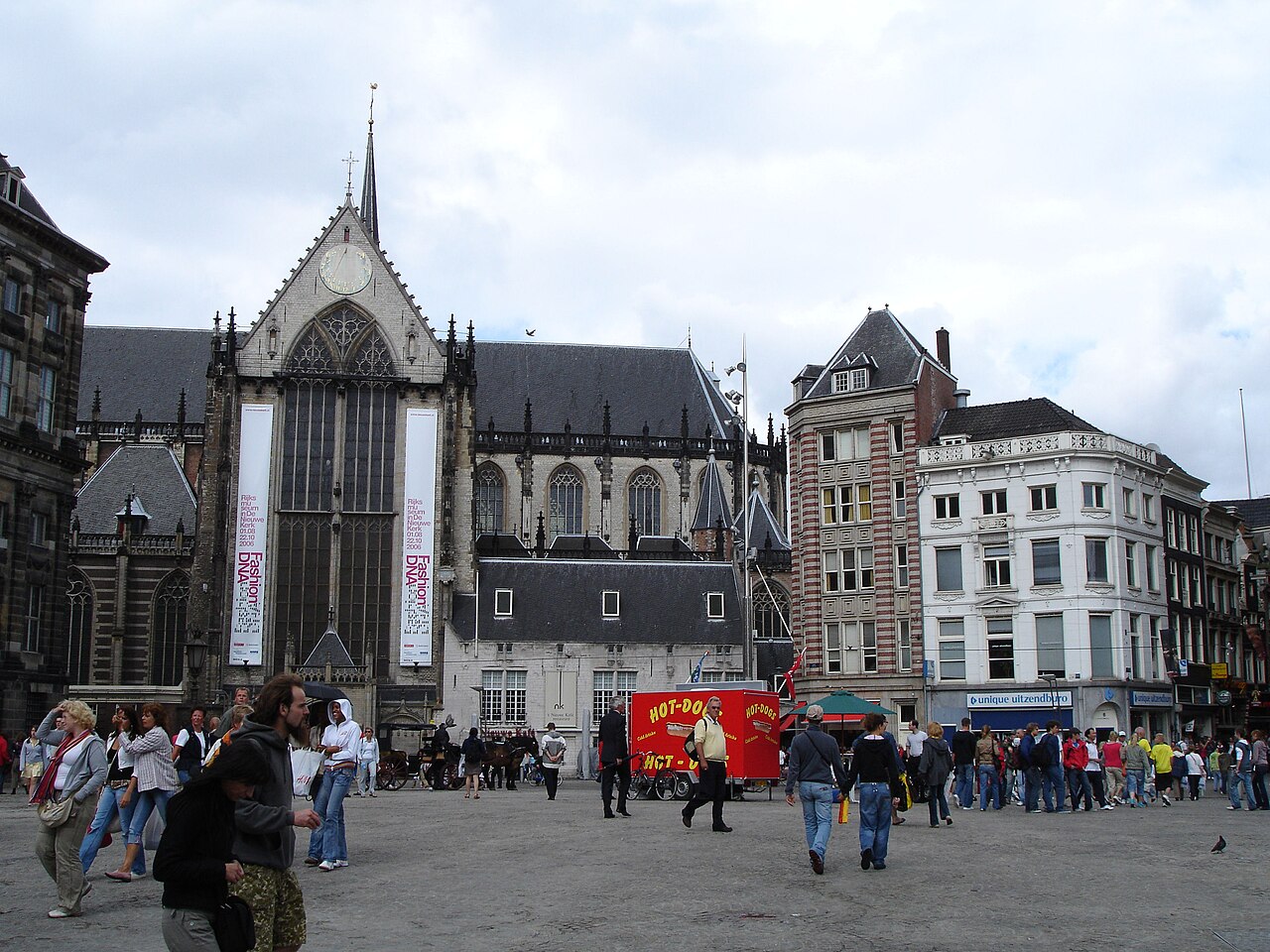
The NS train from Schiphol (Schiphol) goes directly to Centraal. On the first evening, avoid voyeuristic red-light-district routes. After dropping your luggage, take a slow walk along Prinsengracht (Prinsengracht) or Brouwersgracht (Brouwersgracht), observing narrow houses, bridges, parked bicycles, and after-work packed pubs; order beer and bitterballen at a brown café (brown cafe) — it feels more like a real arrival in the Netherlands than rushing to tourist streets. A common reminder: the canal district is beautiful but cobblestones, steep stairs, and wind in the rain are very real; save some energy for the first night.
Stay in Jordaan (Jordaan), Centrum, or locations convenient to metro/tram; when booking, check for elevator, street noise, and room size. The train from the airport to the city center is fast, but Centraal area is crowded during evening rush hour; if you have large luggage, don't add a long nighttime walk.
Day 2 · Amsterdam (Amsterdam)
Museums and City Walk: Rijksmuseum (Rijksmuseum) to Jordaan (Jordaan)
Rijksmuseum (Rijksmuseum) → Van Gogh Museum (Van Gogh Museum) → De Pijp (De Pijp) / Jordaan (Jordaan)
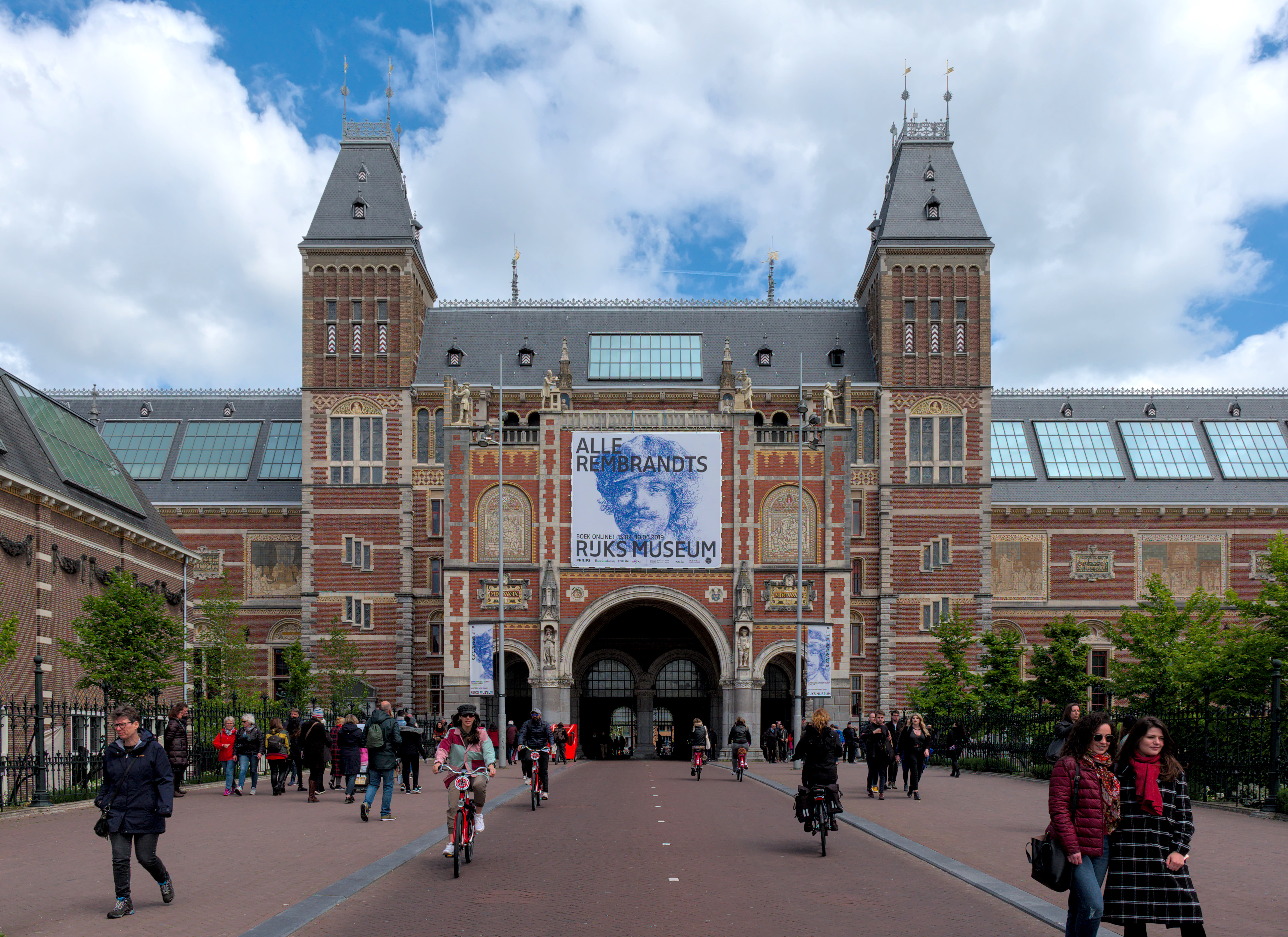
Rijksmuseum (Rijksmuseum) offers a view of the Dutch Golden Age and national narrative; Van Gogh Museum (Van Gogh Museum) offers a personal artistic journey. In the afternoon, use De Pijp (De Pijp) market, Jordaan (Jordaan) boutiques, and canal bridges to slow down the pace. Many tourists regret cramming three major museums in one day, because the truly comfortable part of Amsterdam (Amsterdam) is the gaps between reservations: walking along the water after the rain stops, finding a café, watching how trams and bicycles coexist.
Rijksmuseum (Rijksmuseum), Van Gogh Museum (Van Gogh Museum), and Anne Frank House (Anne Frank House) require advance time-slot bookings; novice cyclists should not practice in the city center during peak hours. On museum days, wear a waterproof layer and comfortable shoes, and plan lunch outside the museum rather than scrambling for popular restaurants at the last minute.
Day 3 · Amsterdam Zuidoost (Amsterdam Zuidoost)
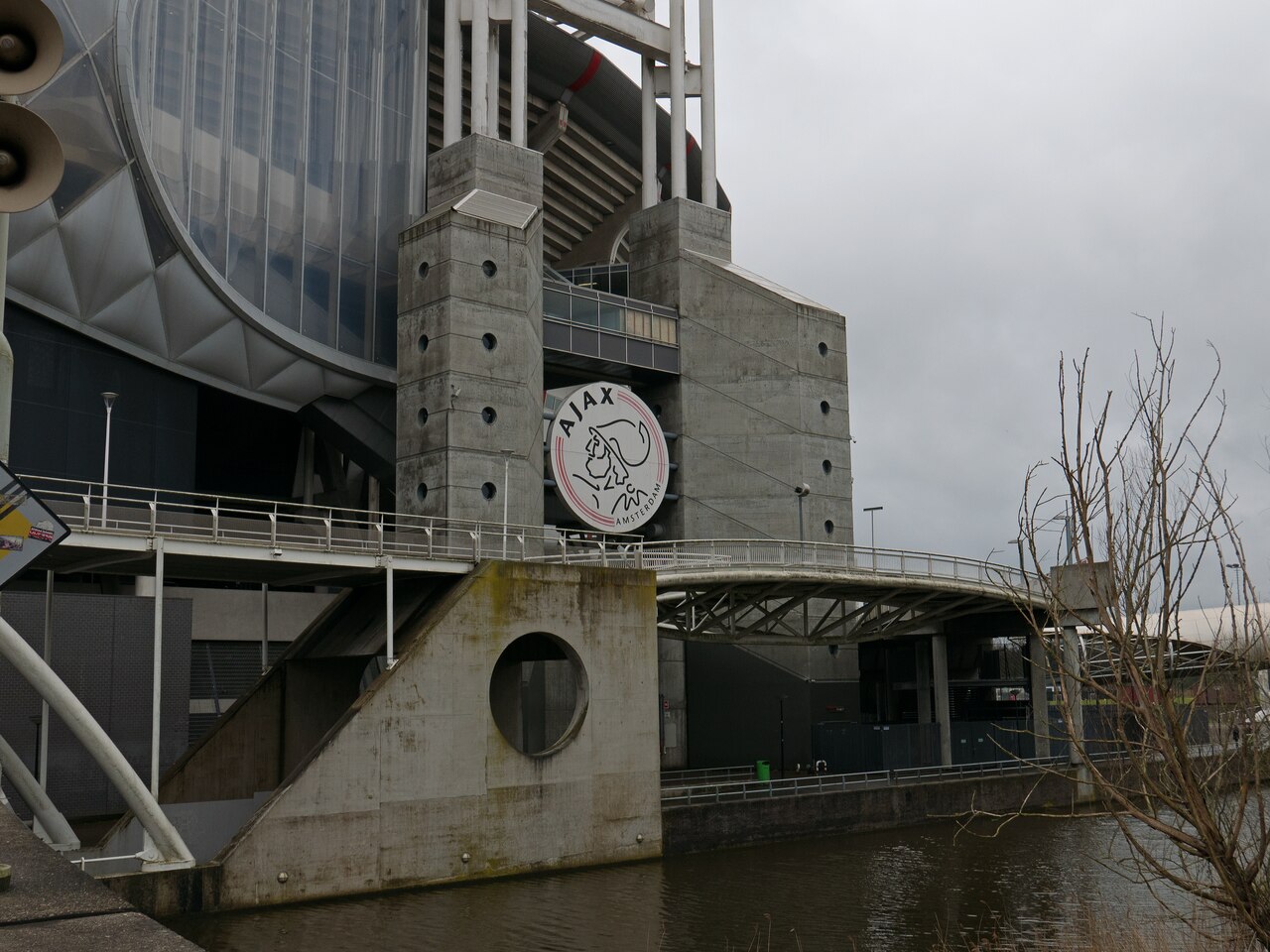
Oranje / Ajax (Ajax) Match Day: Go to Johan Cruijff ArenA (Johan Cruijff ArenA)
Centraal → Amsterdam Bijlmer ArenA (Amsterdam Bijlmer ArenA) → Johan Cruijff ArenA (Johan Cruijff ArenA)
This is not an ordinary stadium, but a modern arena shared by Ajax (Ajax) and the Dutch national team's collective memory. On match days, watching the orange or red-and-white crowds move between train stations, shopping malls, bars, and the stadium helps understand why Dutch football links youth development, positional awareness, and urban transport. Even without a match, a stadium tour is more valuable than just taking photos of the exterior: it brings Cruyff, Ajax European campaigns, and national team match days into the same narrative.
Check KNVB/Ajax (Ajax) official fixtures and stadium tours; popular matches and European games require advance purchase of official tickets. After the match, Bijlmer ArenA station is crowded; following the crowd back to the station is usually faster than hailing a taxi. Do not wear obvious opposing team colors in the home section.
Day 4 · Rotterdam (Rotterdam)
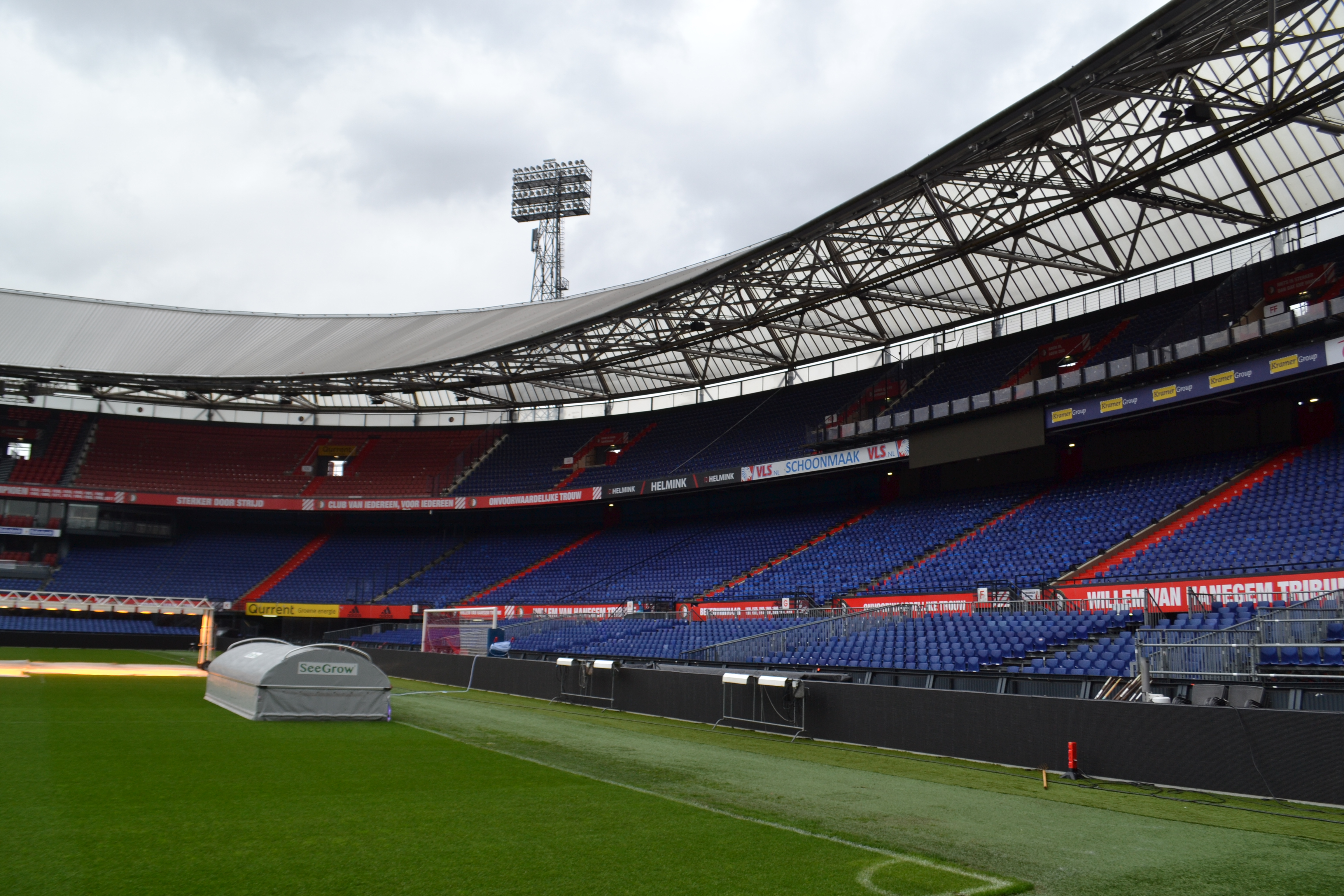
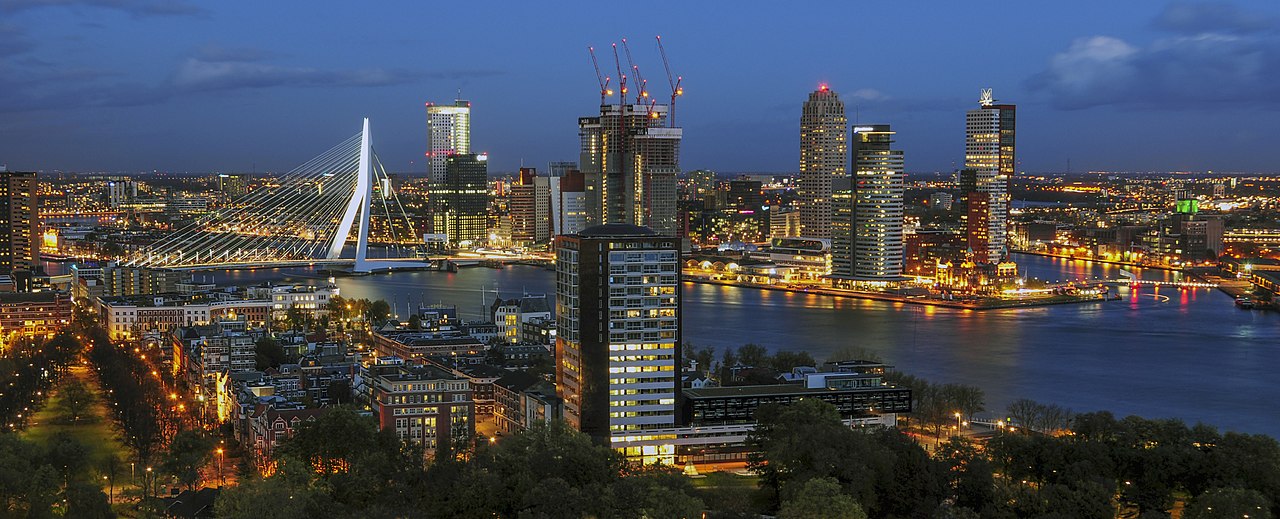
Rotterdam (Rotterdam): Modern Architecture, Port, and De Kuip (De Kuip)
Amsterdam (Amsterdam) → Rotterdam Centraal (Rotterdam Centraal) → Erasmus Bridge (Erasmusbrug) / Markthal (Markthal) / De Kuip (De Kuip)
Rotterdam (Rotterdam) is a combination of post-war reconstruction, a port city, and Feyenoord (Feyenoord) fan culture, completely different from Amsterdam's canal romance. Erasmus Bridge (Erasmusbrug), Markthal (Markthal), Kop van Zuid (Kop van Zuid), and De Kuip (De Kuip) can bring urban design and working-class football temperament together in one day; in a true fan experience, the value of De Kuip is not just architecture, but the old stadium's acoustics, red-and-white flags, and city identity.
Amsterdam-Rotterdam train takes about 40 minutes, suitable for a day return or an overnight stay. If watching a Feyenoord match, check away/home team ticket restrictions and stadium transport in advance; after the match, metro, tram, and pedestrian traffic are heavy, so don't schedule dinner too tightly.
Day 5 · The Hague / Scheveningen
The Hague and Scheveningen: Political Capital and North Sea Wind
Amsterdam / Rotterdam → Den Haag → Scheveningen
The Hague connects government, the International Court of Justice, Mauritshuis, and the North Sea breeze, making the Netherlands more than just Amsterdam. Scheveningen is not a tropical beach; the focus is on wind, the pier, seaside trams, and changing weather; it is often said to be beautiful but feels cold, and even in summer, the wind might drive you indoors.
Bring a windproof jacket; when the sea wind is strong, it feels colder than the actual temperature, and the tram back to the city center is very convenient. If departing from Rotterdam, The Hague can be a half-day trip with a seaside dinner; if it rains, make Mauritshuis and cafes the main itinerary.
Day 6 · Utrecht
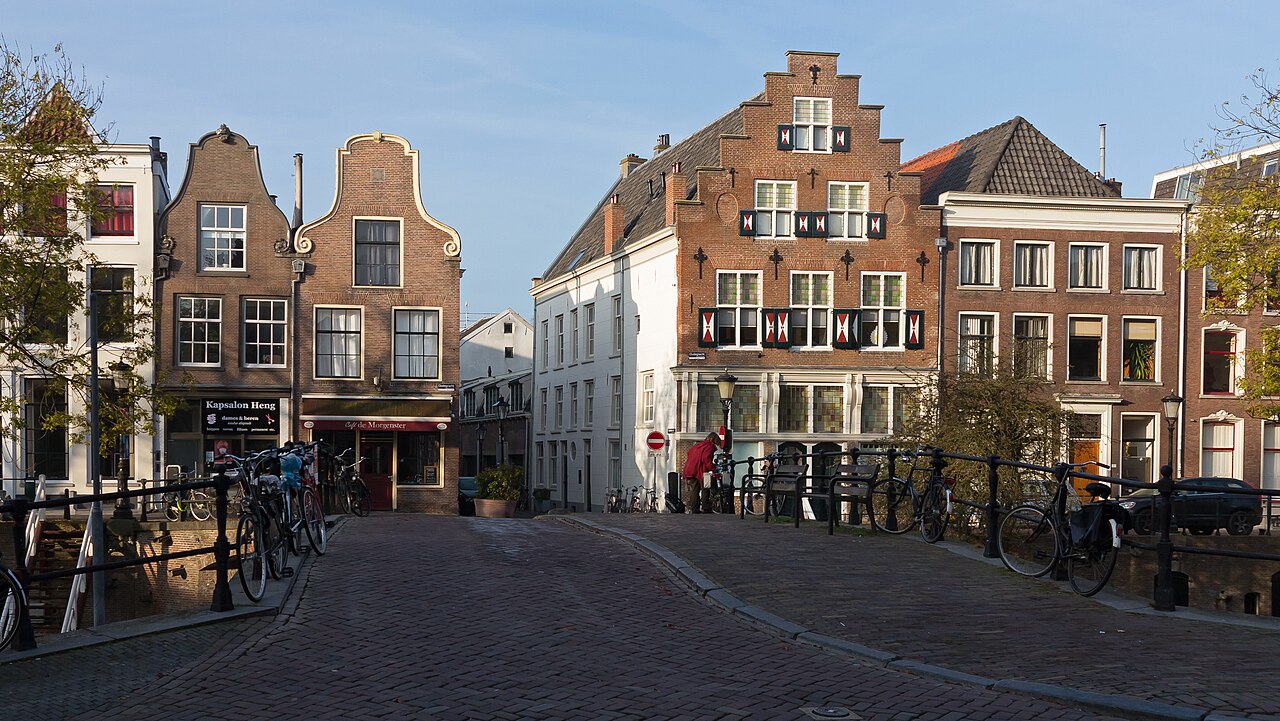
Utrecht: A Quieter Canal City
Amsterdam → Utrecht → Oudegracht
Utrecht's canals have a lower-level quay and a student city vibe, better suited to showcase everyday life than Amsterdam. The cafes, thrift stores, Dom Tower, and waterside terraces around Oudegracht offer a lighter sample of a Dutch city; if incorporating FC Utrecht or Galgenwaard, it also demonstrates that Dutch football is not just Ajax, Feyenoord, and PSV.
By train from Amsterdam, it takes about 25 minutes, suitable for half a day to a full day, no need to change hotels. On weekends, restaurants and waterside seats fill up, so book dinner in advance; for cycling, consider the outer edges of the city or parks, and don't rush into the area around the station right away.
Day 7 · Eindhoven / Lisse
Eindhoven / Keukenhof: PSV or the End of Flower Season
Amsterdam → Eindhoven or Lisse → AMS
In spring, go to Keukenhof to see tulips; outside the flower season, make Eindhoven a side trip for PSV and Cody Gakpo. Eindhoven's value lies in Philips, design, Strijp-S, and the Philips Stadion: it takes the itinerary away from the tourist-familiar Amsterdam and explains why Dutch football produces talent from multiple cities.
Keukenhof is only open during the flower season and is extremely crowded; tickets and transportation should be arranged in advance. Eindhoven is suitable for fans to stay an extra day, with clear routes from the station to the stadium. Allow enough train buffer time before returning to AMS, especially on the day of an international flight.
🇳🇱 Netherlands Travelogue
Netherlands Travel: A Lesson in Space Below Sea Level
Read the narrative side of Netherlands: how arrival, football curiosity and local rhythm connect beyond a checklist.
Morning in Amsterdam was the best opening to this Netherlands trip. The canals still held the dampness of night. A boat moved slowly beneath a bridge, and the sound of water climbed the brick walls. Suddenly, from a small pitch by the bank, came the scrape of a sliding tackle. Studs dragged over artificial grass, the ball rolled to the wire fence, and a teenager in an orange shirt reached out to gather it back. A bicycle bell slipped past behind him, and oars, brakes, and laughter blended together. The Netherlands does not first hand you a postcard. It places you inside a working system: water moving beside you, people cycling on the banks, and a ball searching for an exit in a limited patch of ground.
Traveling in this country, you soon realize that "flat" is not merely a landform. It is a survival design. Schiphol Airport lies below sea level, and many towns stay dry because of dikes, pumping stations, and canals. The waterline by the street is as quiet as a measuring mark, yet it reminds you that the land beneath your feet is not a given. The Dutch did not treat water as an enemy. They gave it routes, leaving themselves houses, lanes, grass, and football fields. Life below sea level is like a daily exercise in possession.
Read the full Netherlands World Cup travel storyHandsome Photos of Famous Local Players
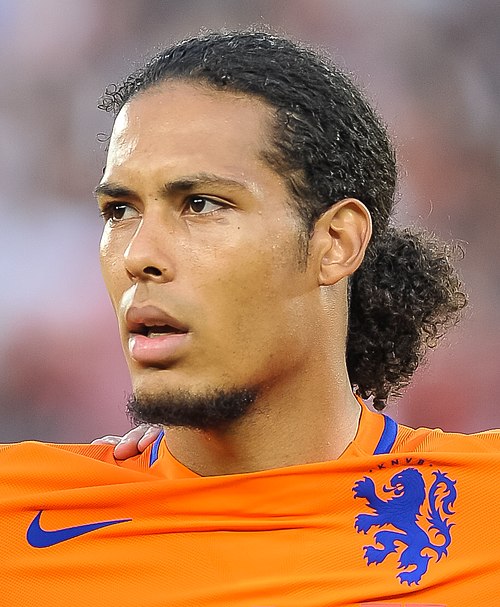
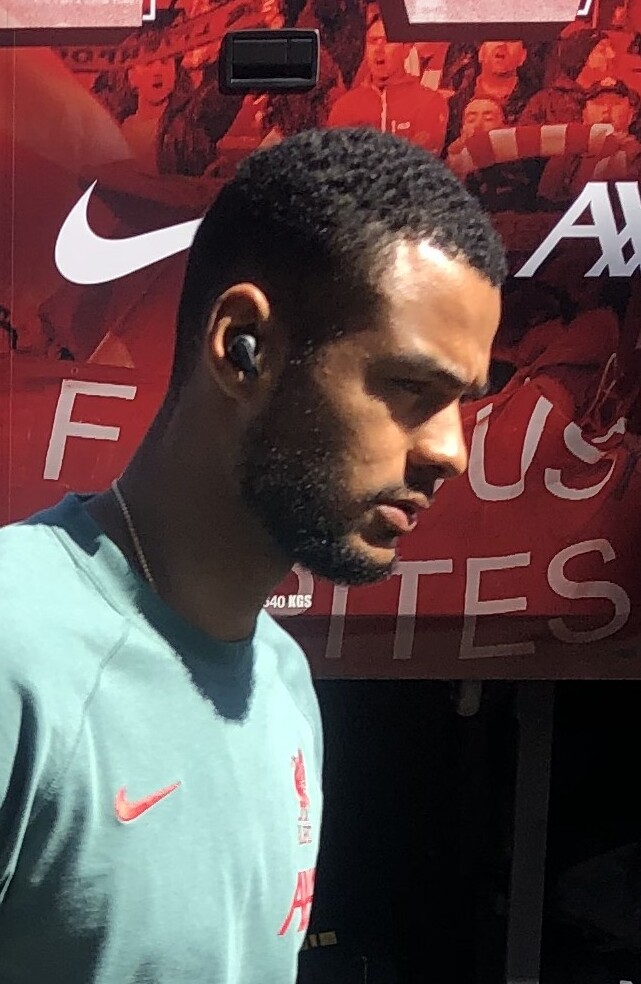
Netherlands players and football faces
Player context helps connect Oranje with hometowns, clubs, diaspora stories and routes a traveler can actually follow.

Recommended Arrival Airport and Flight Budget
Netherlands airports and flight routes
Use this section to compare arrival airports, likely connections and where each route places you inside Netherlands. Flight prices are seasonal budget ranges. Final prices are subject to real-time search.
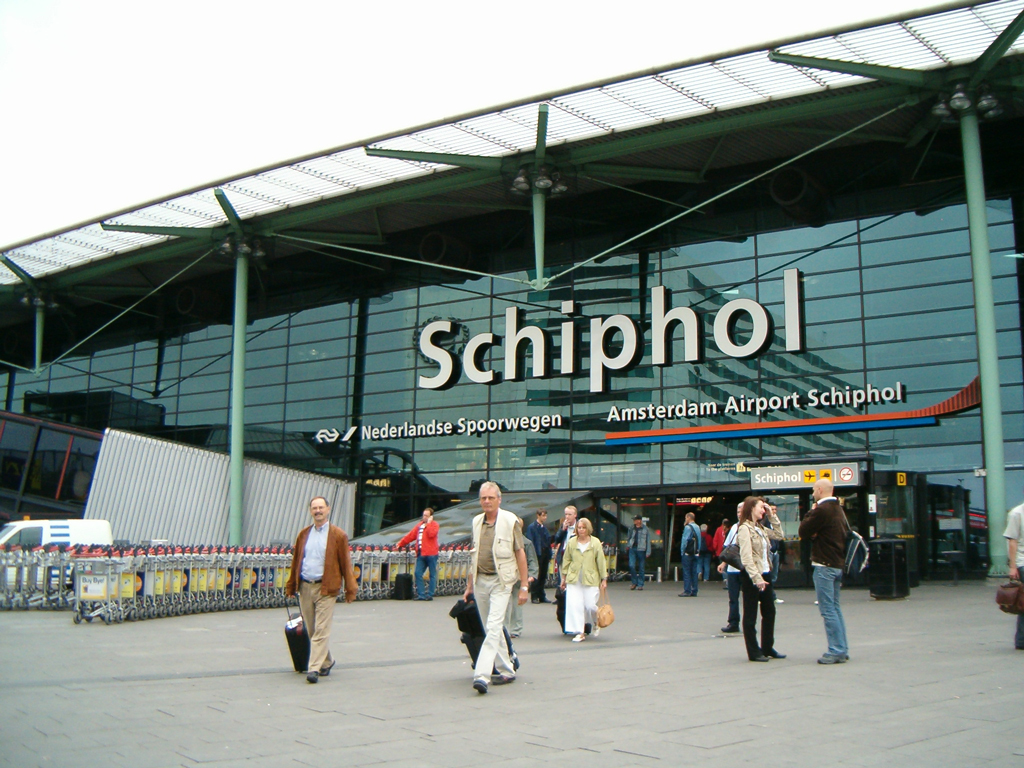
AMS
Amsterdam Airport Schiphol
One of Europe's largest hubs, with the train station located directly beneath the terminal; about 15-20 minutes to Amsterdam city center.
Local Customs
- Bike lanes are commuting routes for Dutch people, not tourist selfie spots. The most common frustration point is renting a bike immediately after arrival and rushing into Amsterdam Centrum: locals move fast, you can't suddenly stop on red bike lanes, you must look over your shoulder before turning, tram tracks can trap tires, and bridge surfaces and rainy cobblestone roads are more slippery. Those cycling for the first time are better off with short rides in Vondelpark, Amsterdam Noord, Waterland, or around Haarlem; for getting to museums, going to bars, and moving with luggage in the city center, trams/walking are more reliable.
- Popular attractions in Amsterdam aren't 'queue at the entrance' experiences. Anne Frank House, Van Gogh Museum, Rijksmuseum all require advance time-slot bookings during peak season and weekends; actual itinerary arranging major museums in the morning, leaving afternoons for Jordaan, De 9 Straatjes, canal walks, and brown cafes. Dutch weather changes quickly; walking along Prinsengracht or Brouwersgracht for half an hour after rain stops often feels more like the city than visiting another indoor attraction.
Netherlands Local Transportation?
"Best suited for 'train connections between cities + city trams/walking + short-distance cycling'. Schiphol to Amsterdam Centraal by train takes about 15-20 minutes; Amsterdam-Rotterdam about 40 minutes, Amsterdam-Utrecht about 25 minutes, Amsterdam-Den Haag about 50 minutes. In the city, GVB accepts direct bank card/mobile phone payments, single-day tickets approximately EUR 10.50, Amsterdam Travel Ticket 1/2/3 days approximately EUR 20/27/34. Bicycles are suitable for those experienced in urban cycling, regular rentals approximately EUR 12-20/day."
Netherlands Route Reference?
The Netherlands is best suited for high-density routes using short-distance railways: Amsterdam (Amsterdam) handles canals, museums, and the Oranje entry; Rotterdam (Rotterdam) handles modern architecture; The Hague (Den Haag) handles the seaside and political capital; Utrecht (Utrecht) handles quieter canal city; Eindhoven (Eindhoven) brings in Cody Gakpo and PSV (PSV) clues. Arriving in Amsterdam: Canals and Brown Cafés Set the Rhythm AMS → Amsterdam Centraal → Jordaan (Jordaan) / Canal Ring Stay in Jordaan (Jordaan), Centrum, or locations convenient to metro/tram; when booking, check for elevator, street noise, and room size. The train from the airport to the city center is fast, but Centraal area is crowded during evening rush hour; if you have large luggage, don't add a long nighttime walk. Museums and City Walk: Rijksmuseum (Rijksmuseum) to Jordaan (Jordaan) Rijksmuseum (Rijksmuseum) → Van Gogh Museum (Van Gogh Museum) → De Pijp (De Pijp) / Jordaan (Jordaan) Rijksmuseum (Rijksmuseum), Van Gogh Museum (Van Gogh Museum), and Anne Frank House (Anne Frank House) require advance time-slot bookings; novice cyclists should not practice in the city center during peak hours. On museum days, wear a waterproof layer and comfortable shoes, and plan lunch outside the museum rather than scrambling for popular restaurants at the last minute. Oranje / Ajax (Ajax) Match Day: Go to Johan Cruijff ArenA (Johan Cruijff ArenA) Centraal → Amsterdam Bijlmer ArenA (Amsterdam Bijlmer ArenA) → Johan Cruijff ArenA (Johan Cruijff ArenA) Check KNVB/Ajax (Ajax) official fixtures and stadium tours; popular matches and European games require advance purchase of official tickets. After the match, Bijlmer ArenA station is crowded; following the crowd back to the station is usually faster than hailing a taxi. Do not wear obvious opposing team colors in the home section.
Hotel Recommendations Near the Airport
Where to stay in Netherlands
Hotel choices are grouped by route logic, airport access, neighborhood feel and match-day convenience.
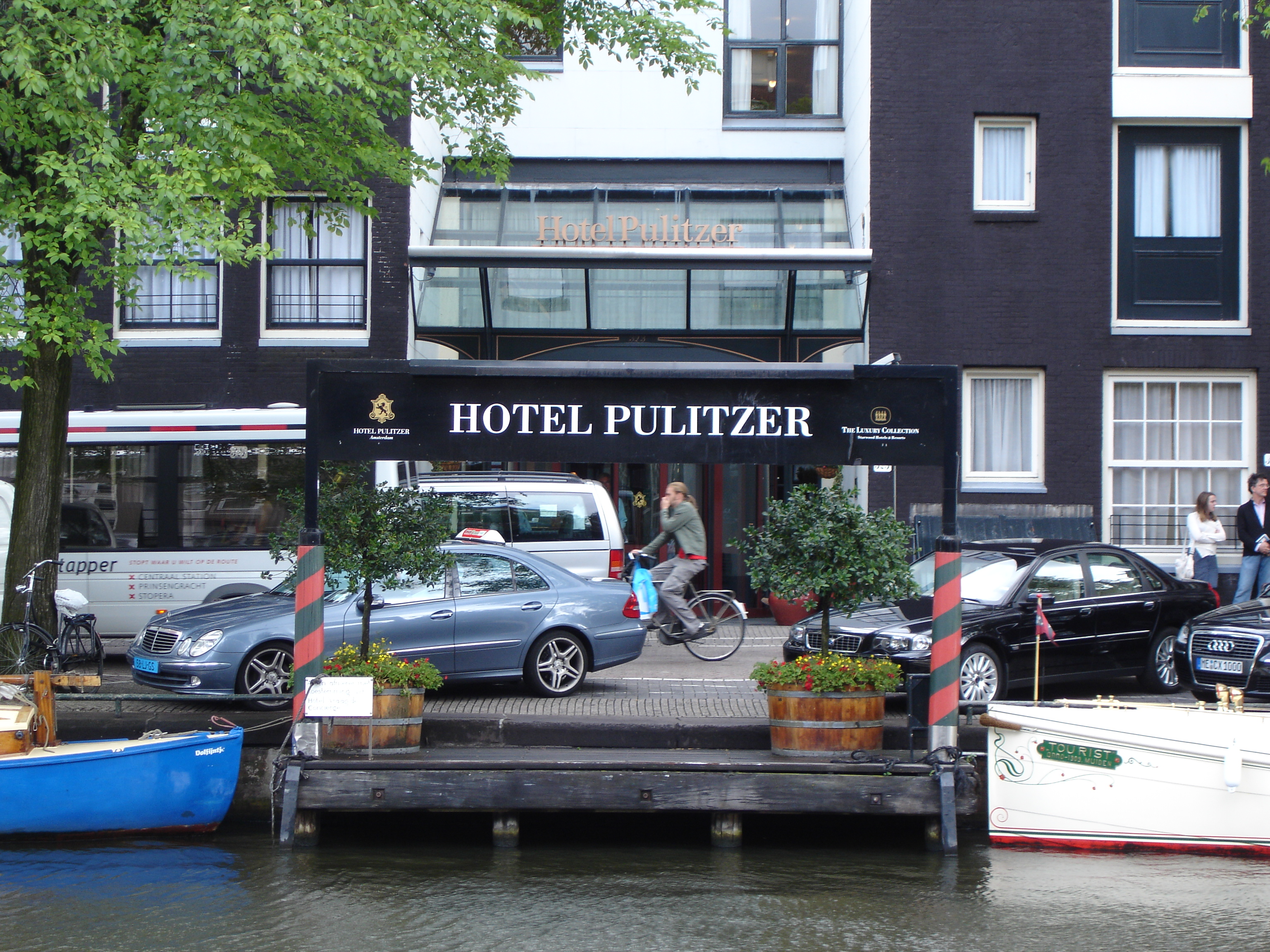
Pulitzer Amsterdam
Price Range: $350-$800/
Composed of multiple 17th-18th century canal houses, suitable for travelers with a higher budget who want to stay in the UNESCO Canal Ring. Pros include walking distance to Jordaan, Anne Frank House, De 9 Straatjes, and brown cafes, without having to cross too many noisy nightlife streets when returning at night. Cons include significant variation in room types due to the old architecture; stairs, elevators, street noise, and canal views are not guaranteed in every room, so check details carefully when booking; don't just look at the 'historic feel' in photos when traveling with large luggage or elders.
The Hoxton Amsterdam
Price Range: $220-$480/
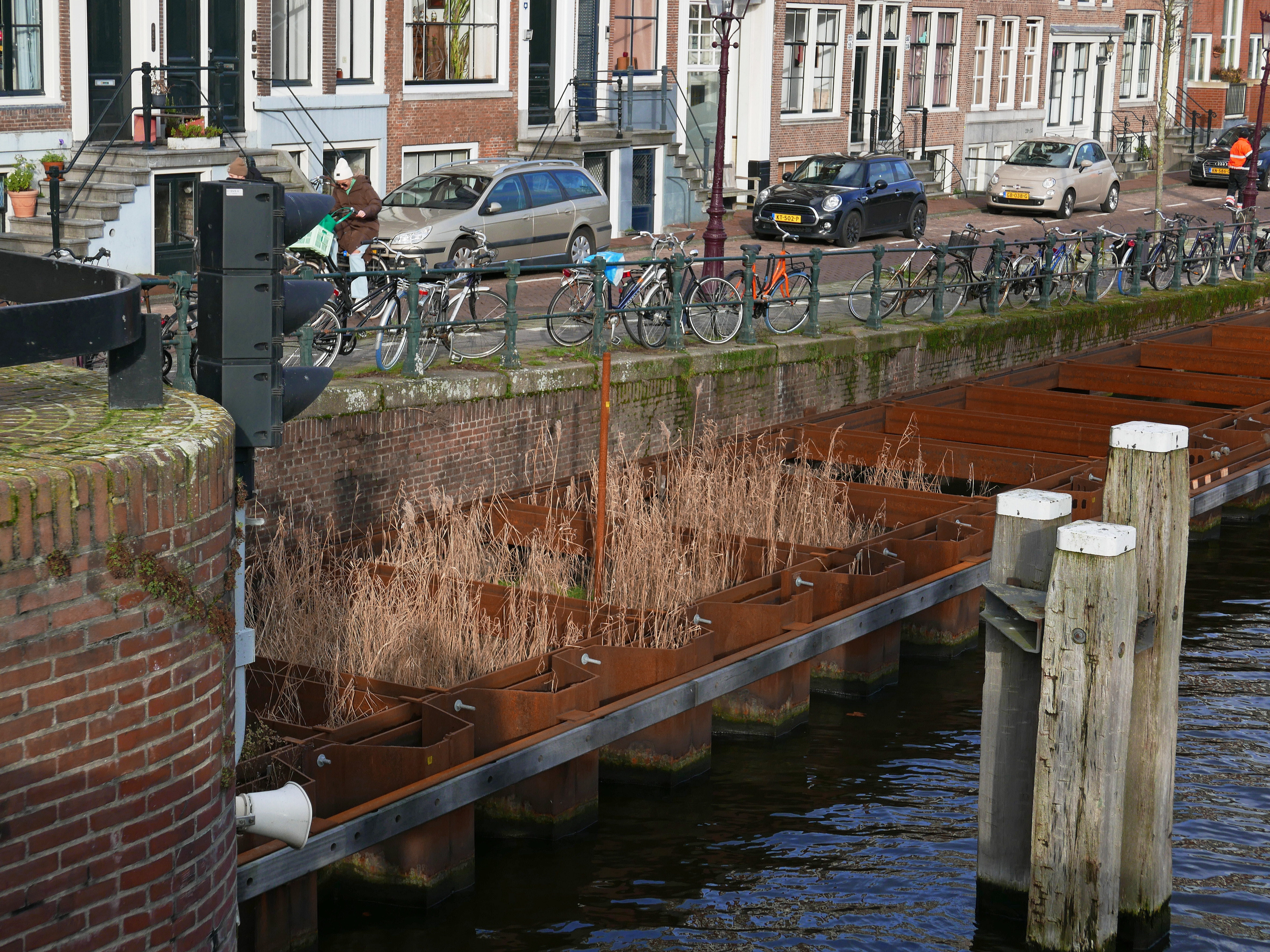
A design hotel on the Herengracht canal, suitable for those staying downtown for the first time but not wanting a traditional luxury feel. Its value lies in accessibility: within walking distance to Dam, Jordaan, and the canal district, with tram connections to Museumplein, De Pijp, or Centraal; the lobby and dining feel more like a city living room, suitable for working during the day or having a drink back at the hotel in the evening. Weekend prices are driven up by nightlife, short-trip tourists, and event schedules; if the main goal is Ajax or an airport transfer, the value for money here may not be the highest.
The Social Hub Amsterdam City
Price Range: $120-$260/
Located near Wibautstraat metro station, with rooms and public spaces featuring a student/remote work style, suitable for those with a controlled budget who use the metro to get to the center daily or go to Bijlmer ArenA for matches. It isn't the 'open the window to a canal' romantic accommodation, but it is very practical for first-time visitors to the Netherlands who want to control costs: the metro routes to Centraal, Zuid, and ArenA are clear, and there are more local dining options nearby. When booking, accept the lively public spaces and the mixed vibe of tour groups and long-term residents.
Local Cuisine and Restaurants
What to eat in Netherlands
Food notes focus on local dishes, realistic restaurant types, prices and the easiest first meals after arrival.
Bitterballen
It's not just 'Dutch croquettes': crispy on the outside, inside is a hot meat ragout; it will burn your tongue when served, so dip in mustard and wait a moment. It is best enjoyed with a first beer at a brown cafe as a snack rather than a main meal; ordering one portion for two or three people is more natural. Tourist shops make it standard but lack atmosphere; the value of old cafes lies in the wood walls, bar counter, sports TV, and the chatter of regulars.
Recommended Restaurants: Cafe Hoppe, De BallenBar, Cafe Luxembourg
Budget: EUR 6-12
Stroopwafel
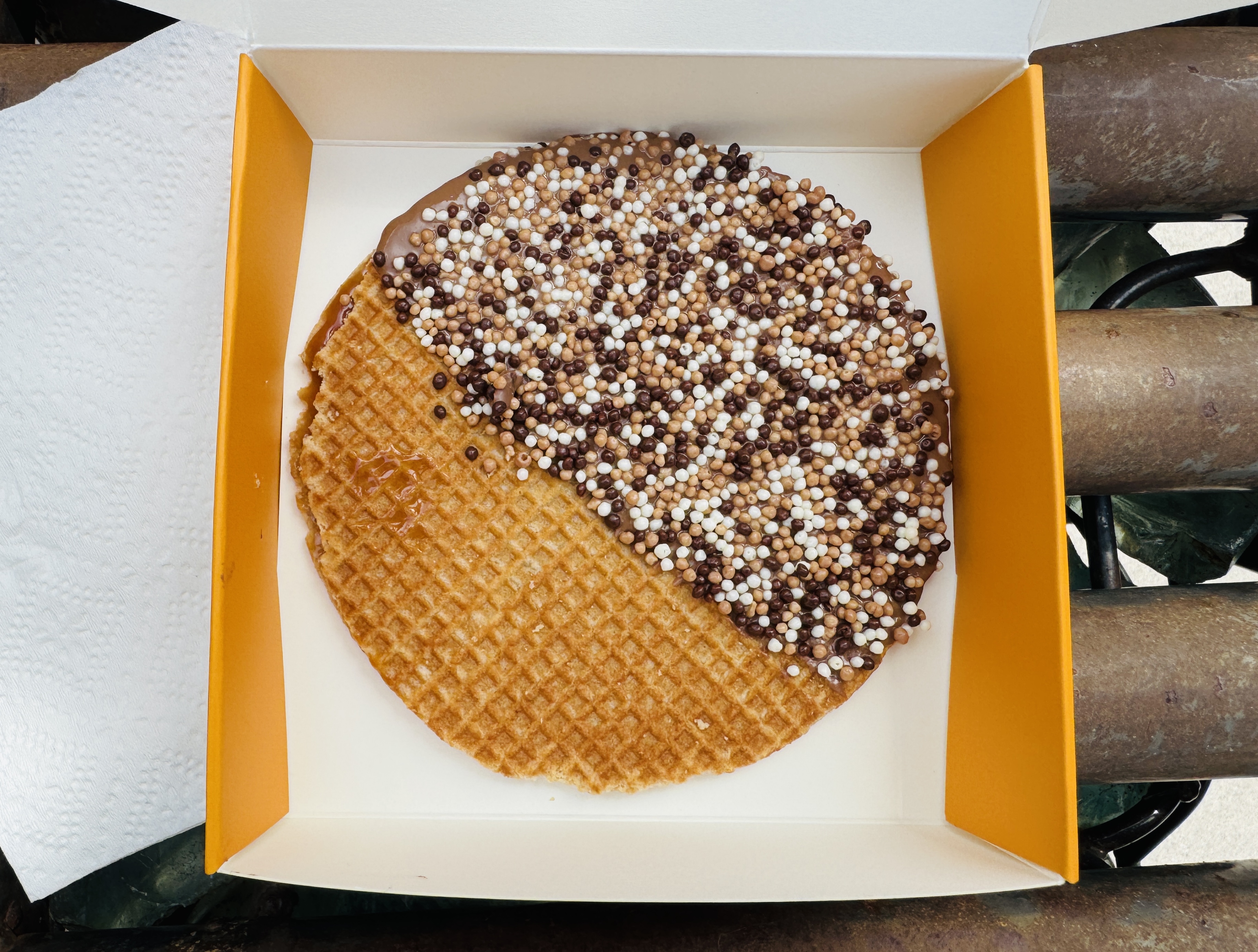
Two thin waffles filled with caramel syrup; the freshly made ones at the market are more memorable than boxed souvenirs: when hot, the syrup creates strings, and it becomes chewier when cooled. Tourist shops often make chocolate, sprinkle, and exaggerated sauce versions that look good in photos but are very sweet; a more practical buy is a hot one at Albert Cuyp Market or weekend markets, paired with black coffee while walking. For bringing home, supermarket boxes are fine; no need to pay high prices at airport gift shops.
Recommended Restaurants: Albert Cuyp Market, Original Stroopwafels, van Wonderen
Budget: EUR 2-6
Haring
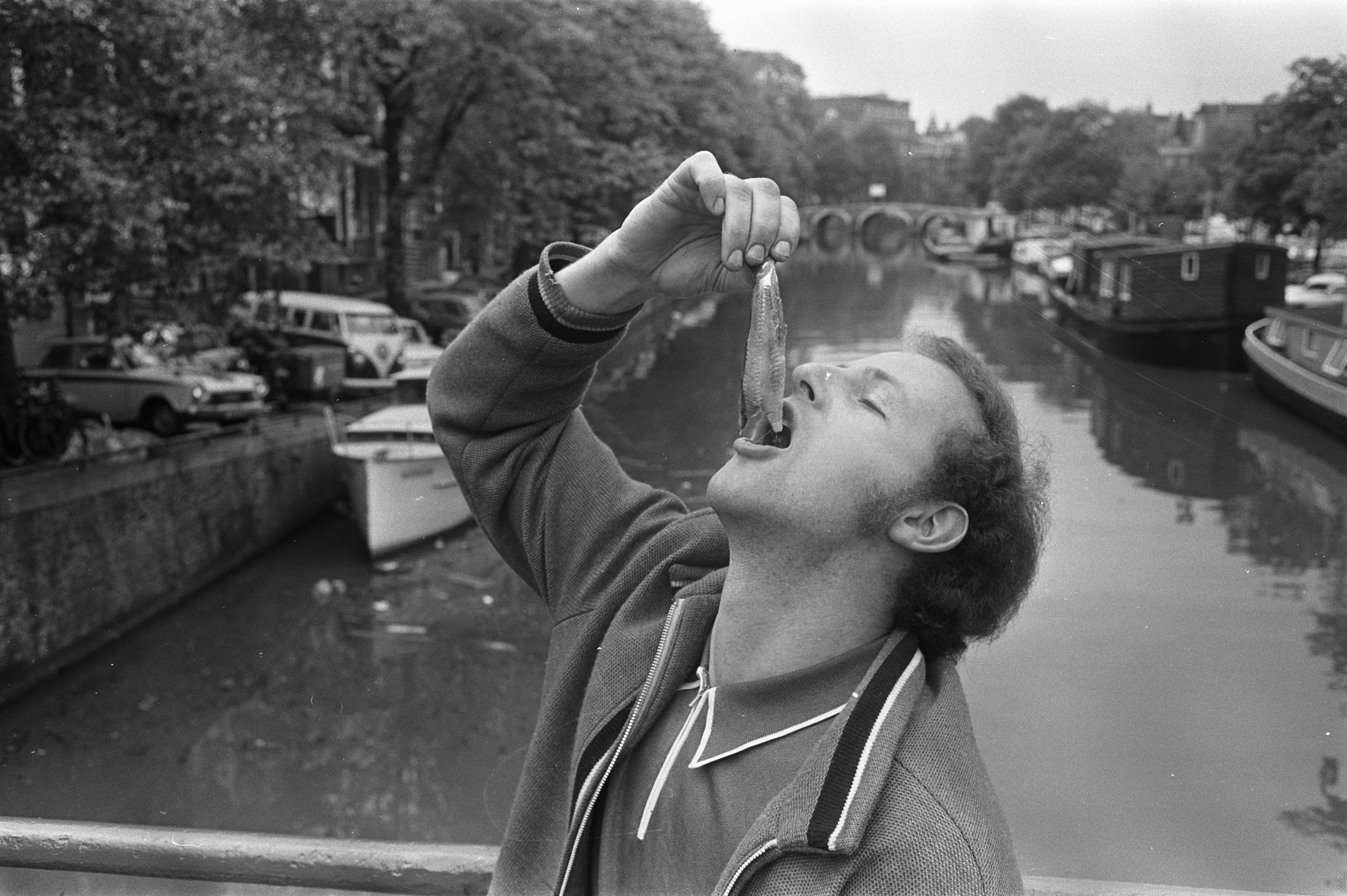
Hollandse Nieuwe is usually served with onions and pickles; the texture is cold, oily, and savory-salty, different from the 'raw fish smell' many imagine. For the first time, ask the vendor to cut it into pieces and try it slowly with a fork; no need to imitate eating it whole. If sensitive to raw cold fish, you can order kibbeling (fried fish chunks) instead. What really needs to be established is the expectation: it is a street snack and seasonal habit, not a fine seafood meal.
Recommended Restaurants: Stubbe's Haring, Frens Haringhandel, fish stalls near markets
Budget: EUR 4-8
Netherlands Local Cuisine and Restaurants?
Bitterballen It's not just 'Dutch croquettes': crispy on the outside, inside is a hot meat ragout; it will burn your tongue when served, so dip in mustard and wait a moment. It is best enjoyed with a first beer at a brown cafe as a snack rather than a main meal; ordering one portion for two or three people is more natural. Tourist shops make it standard but lack atmosphere; the value of old cafes lies in the wood walls, bar counter, sports TV, and the chatter of regulars. Cafe Hoppe, De BallenBar, Cafe Luxembourg EUR 6-12
Nightlife, Shows, and Entertainment Venues
Netherlands after dark and local nights
Evening ideas link music, waterfronts, markets and football screens without forcing every night into a match plan.
Jordaan brown cafes
The essence of a brown cafe is wood walls, dim lighting, regulars, bar beer, and a chatting pace that doesn't rush to turn tables, not checking in for craft beer. Order a beer, bitterballen, or kaasstengels and sit for a while to observe how locals fit after-work relaxation, sports, and neighborhood relationships into the same space. Don't treat it like a nightclub, and don't occupy a large table for a long time just drinking water; on Ajax, Oranje, or Feyenoord match days, these places reveal more about Dutch football daily life than tourist bars.
Johan Cruijff ArenA match day
Ajax's home ground is in the Amsterdam Bijlmer ArenA area, where metro, train, mall, and stadium connect into a large hub. Tourists should arrive early: check out the official store, the crowd outside, and the red-and-white scarves, then go in to see how Ajax fans connect Cruyff memories, youth academy pride, and contemporary matches. National team matches turn it into an orange sea; don't rush to call a car after the game, follow the crowd to the station and board off-peak, which is usually faster.
Museumplein evening
Rijksmuseum and Van Gogh Museum are not suitable for queuing up on a whim; after booking tickets in advance, leave the Museumplein evening for strolling, the lawn, street music, and nearby restaurants, which offers a better experience than forcing in a third museum. Rainy days can be moved up for museum visits, while sunny days can use the lawn, canals, and De Pijp market to adjust the pace. It is often said that the most comfortable part of Amsterdam is not 'completing the checklist', but leaving space for the city between two reservations.
Domestic football clubs
Netherlands football clubs and match culture
Club context adds the local football layer behind Oranje, from stadium neighborhoods to supporter routines. The Dutch clubs most worth attention represent three different football temperaments: Ajax's (Ajax) technical/developmental ethos, Feyenoord's (Feyenoord) port city passion, and PSV's (PSV) southern industrial city and academy output. Travelers need to know which city, which stadium, and when to buy tickets.
Amsterdam
AFC Ajax
Johan Cruijff ArenA is the most accessible Dutch football venue, directly reached by metro/train, suitable for foreign fans visiting the Netherlands for the first time. Ajax is not just a "giant" label: Cruyff, positional play, youth academy, European memories, and the match day atmosphere in Amsterdam Southeast are the truly substantive parts. For tickets, prioritize the official website or official resale; for high-profile matches, European games, and national team games, don't rely on last-minute purchases. After the match, follow the crowd back to Bijlmer ArenA station, which is more practical than hailing a taxi outside the stadium.
Rotterdam
Feyenoord
De Kuip's value lies in its atmosphere: Rotterdam's port city identity, working-class character, the old stadium's curves, and intense home support. Visitors should combine it with Erasmusbrug, Markthal, and Kop van Zuid for a day, to understand the difference in character between Rotterdam and Amsterdam. For matches, check ticket restrictions, fan sectors, and transport in advance; Feyenoord is not just a foil to Ajax—it is itself one of the most important emotional centers of Dutch football.
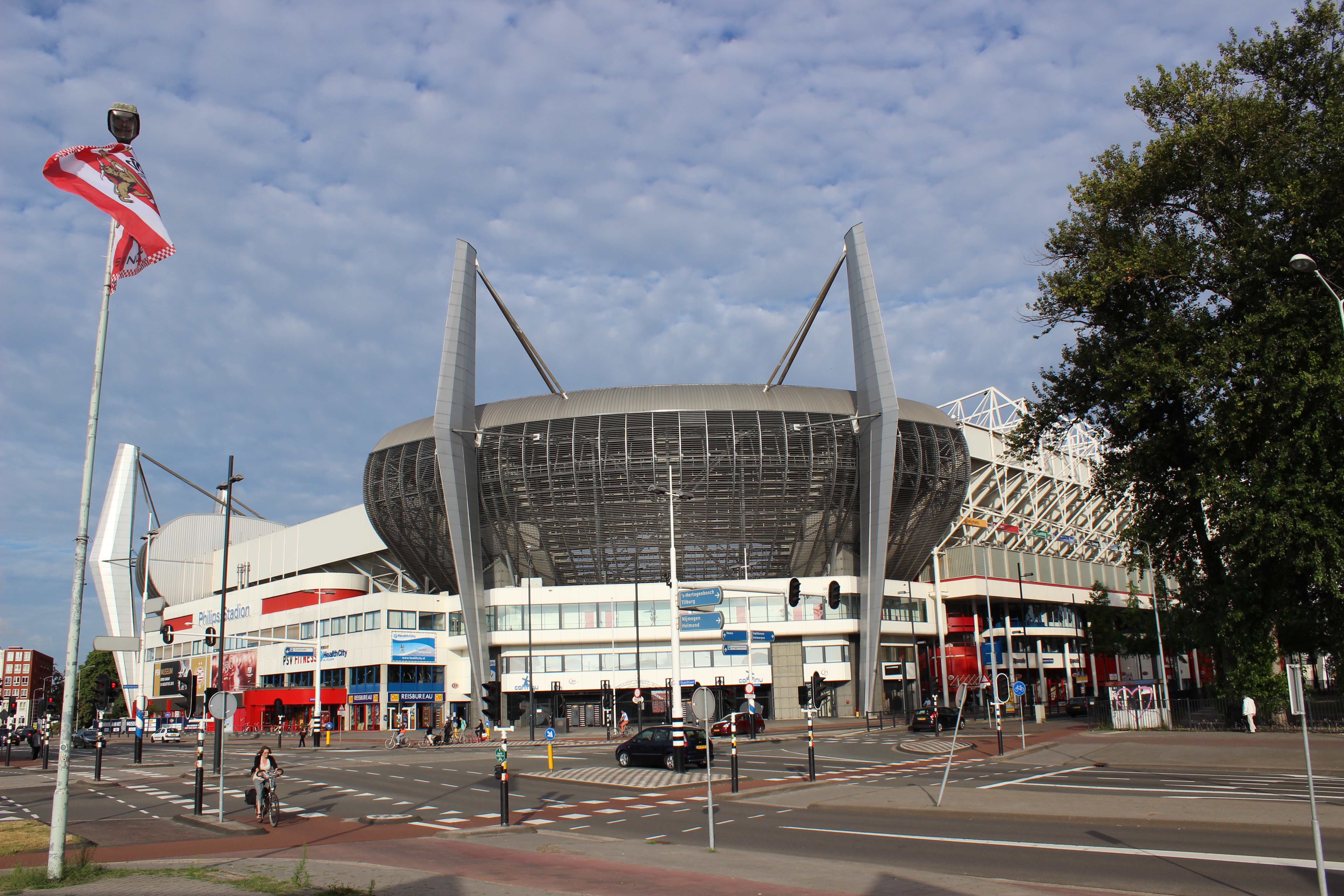
Eindhoven
PSV Eindhoven
Philips Stadion is located near the city center, suitable for explaining PSV's connection with Philips, Eindhoven as a tech city, and the academy pathway of players like Gakpo. It is the best side trip after departing from Amsterdam's football scene: the area around the stadium is less touristy than Amsterdam, and on match days, you can better see local families, students, and the weekend rhythm of the southern city. You can combine Strijp-S, design stores, and the stadium on the same day, creating a narrative of "industrial/tech city + football talent factory."
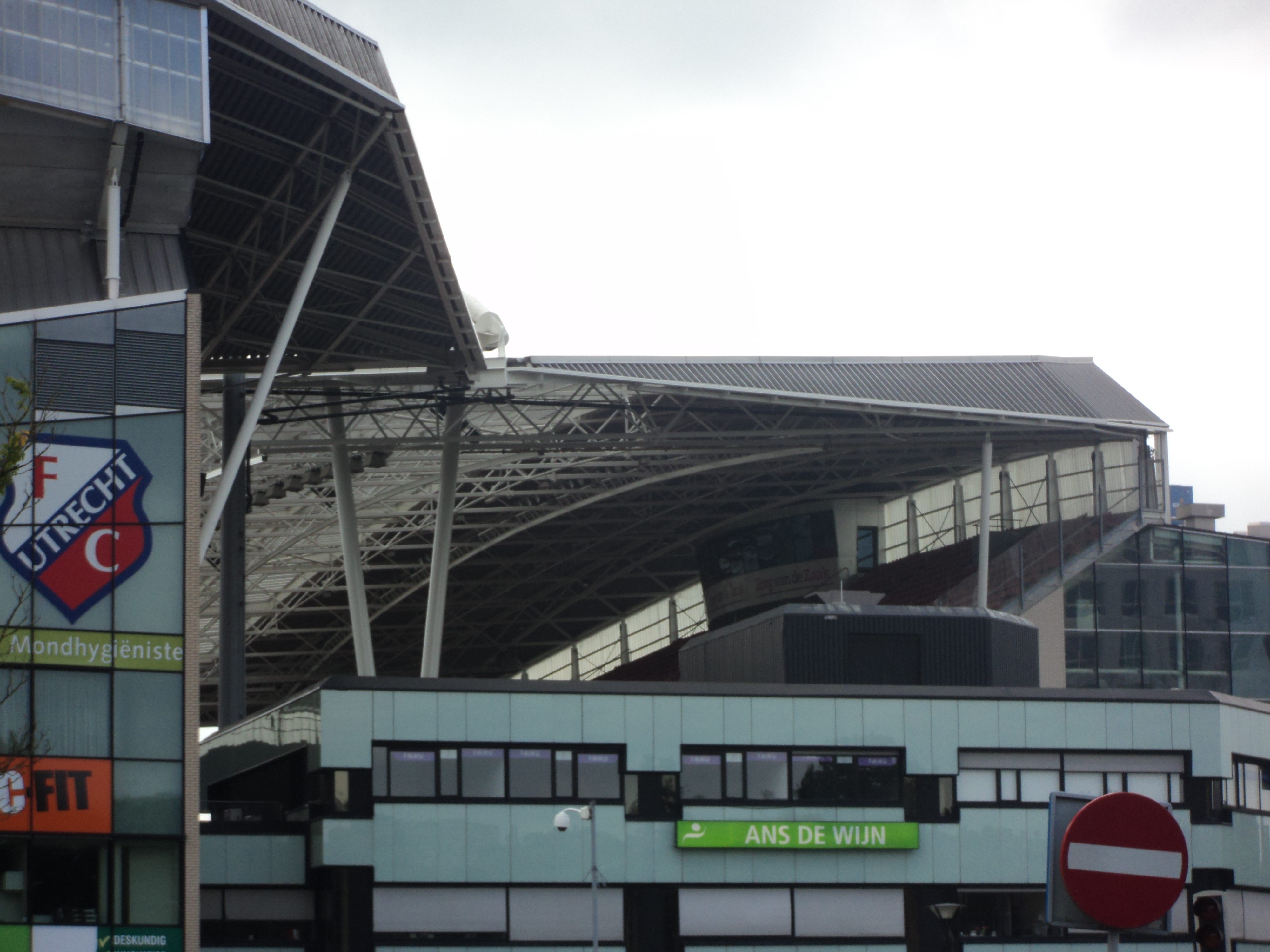
Utrecht
FC Utrecht
FC Utrecht is not the most familiar team for international visitors, but it is suitable for showcasing the daily life of local fans. Galgenwaard can complement Oudegracht, the student city, and local match days, showing how a non-giant Eredivisie club exists in ordinary city life. It is suitable for fans who have already been to Amsterdam/Rotterdam; it doesn't have to be the main focus of a first trip to the Netherlands, but it can make the Dutch football itinerary more authentic.
Landscape anchors
Netherlands attractions that match the Oranje story
These landscapes and city stops give the football-led route a stronger sense of place. Behind the Oranje is a Netherlands travel experience of canals, bicycles, museums, and city-hopping by train in just half an hour.
Amsterdam Canals
An experimental city rebuilt after being flattened in World War II. The Cube Houses, Markthal market, and the Erasmus Bridge form a modern architectural route that can be completed on foot. Take a water bus to see the skyline—it's less tiring than walking.
Johan Cruijff ArenA
Ajax's home ground, a physical landmark of Dutch football philosophy. Take the train to Bijlmer ArenA station and arrive directly at the stadium. Before the match, enjoy a broodje haring with beer outside the stadium, experiencing the order and passion of the orange crowd.
Rotterdam
Rotterdam sits within the main travel corridor of Western Europe / Low Countries.
Keukenhof
The world's largest flower park, open only from mid-March to mid-May. Enter right when it opens at 8 a.m., and rent a bicycle to cycle through the surrounding flower fields—it gets you closer to the daily life of Dutch flower farmers than crowding inside the park.
Overall Travel Map
Netherlands travel map for planning
Save the map to compare airports, hotels, restaurants, clubs and attractions before building the route. The map centers on Amsterdam (Amsterdam), with trains extending to Rotterdam (Rotterdam), The Hague (Den Haag), Utrecht (Utrecht), and Eindhoven (Eindhoven); during tulip season, add Lisse (Lisse) / Keukenhof (Keukenhof).
Download and save the travel mapBrowse all downloadable travel maps →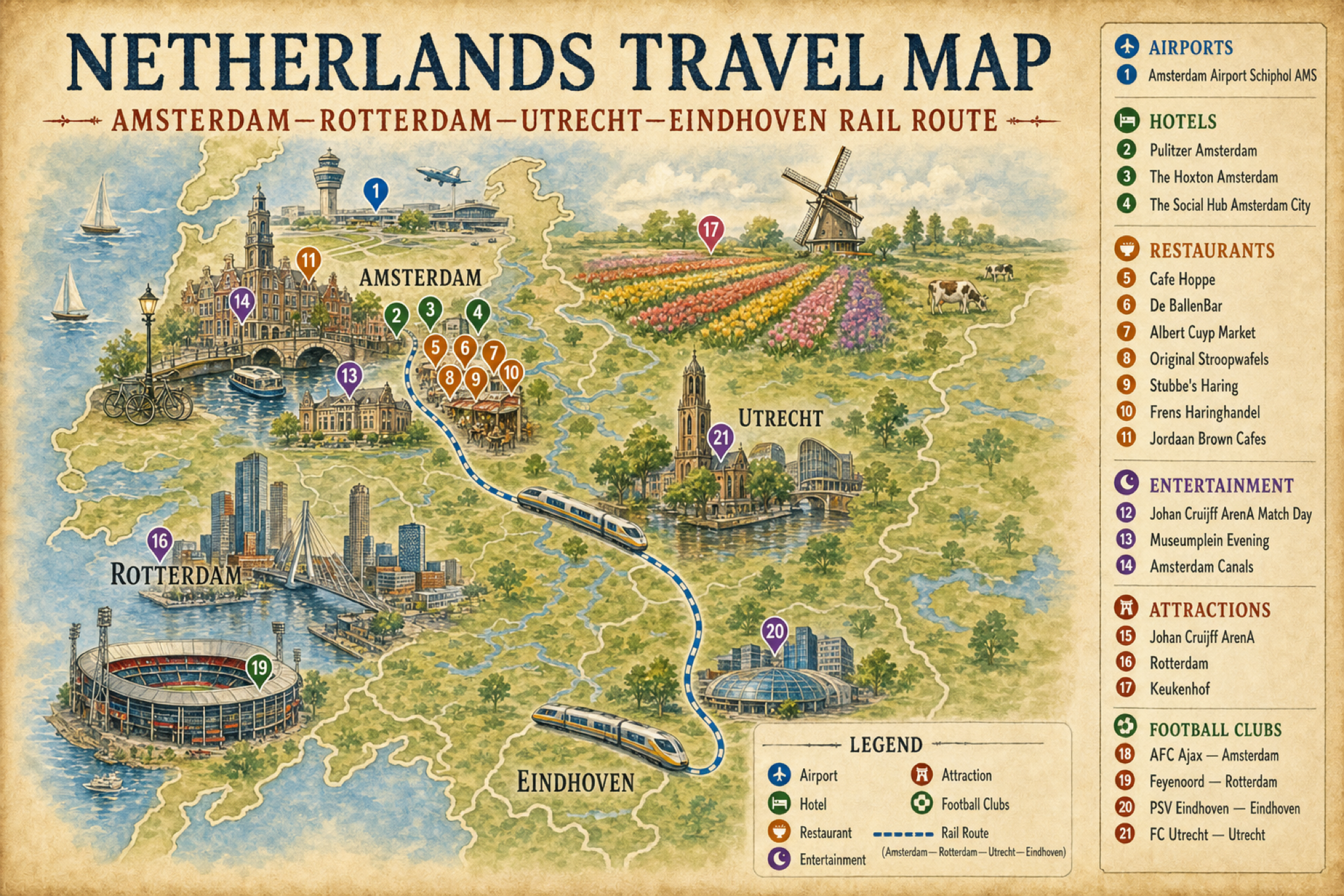
How Much to Budget Per Person
Netherlands trip budget
A quick cost frame for flights, hotels, food, transport and paid activities before you book. 5-7 day Netherlands trip, it's recommended to prepare approximately $1,400-$3,200 per person.
Many direct flights from European departure points, intercontinental routes vary by season.
Prices in Amsterdam rise significantly on weekends and during flower season.
Street snacks can be controlled, regular meals and popular restaurants are more expensive.
Museums, stadiums, garden tickets, and short-distance trains.
City tickets, bicycles, and intercity trains increase by route.
Travel rules, prices, transport schedules and safety conditions can change. Recheck official entry rules, local advisories and current prices before booking.
Route Reference
Netherlands itinerary sources
External route references used to check pacing, logistics and travel assumptions.
- Netherlands Tourism — Used to check travel information for Amsterdam, Rotterdam, The Hague, Utrecht, and the flower season.
- NS Dutch Railways — Used to check intercity trains and airport transfer into the city.
- GVB Amsterdam — Used to check Amsterdam's trams, metro, and day pass prices.
- Netherlands Worldwide — Used to check Schengen visa application times and entry rules.
- KNVB / Ons Oranje — Used to check context regarding the Dutch national team, players, and schedule.
- Ajax / Feyenoord / PSV official sites — Used to check club, stadium, and matchday information; Feyenoord and PSV are further verified via their official websites.
Related route
Compare another World Cup travel route
Editorial notes
How this Netherlands guide is maintained
Researched and edited by the Travel the Teams editorial team. This guide combines route-planning context, cultural background and the sources linked above; it is not a substitute for official entry, safety, health or transport advice.
Travel requirements and prices change. Confirm current information with the relevant official authorities and providers before booking.