Country travel snapshot
Cape Verde travel basics: entry, season, budget and transport
Atlantic island country west of Senegal, spread across volcanic and beach islands. Start here for the practical checks that decide whether a Cape Verde trip works: entry rules, weather, costs and local movement.
- Population
- About 0.6 million people.
- Time zone
- Cape Verde Time, UTC-1.
- People
- Mostly Cape Verdean Creole, with African and Portuguese heritage.
- Local languages
- Portuguese is the official language and belongs to the Romance branch of the Indo-European family. Cape Verdean Creole, or Kriolu/Crioulo, is the everyday language for most people; it is a Portuguese-based Creole with West African influence and island-by-island varieties. In hotels, airports, tourism businesses, and among returnees, you may also meet English, French, and some Spanish or Italian, but outside tourist areas Portuguese and Kriolu matter most.
- Currency and exchange
- Cape Verdean escudo (CVE).
Planning snapshot: 1 USD about 100-110 CVE; 1 EUR about 110 CVE; 1 CNY about 14-16 CVE.Loading live reference rates CVE...
Visa / arrival rules
Visa-free short stays usually cover EU/Schengen-associated countries, the UK, US, Canada, Brazil, ECOWAS states, and a few listed partners, but all foreign visitors still need EASE pre-registration and the airport security fee up to 5 days before travel. Since 2026, visa-on-arrival has been withdrawn for many non-exempt passports; if your passport is not exempt, secure a consular/pre-arrival visa before booking tight connections and allow 2-4 weeks. Before booking flights, recheck the official rule against passport nationality, arrival point, and transit plan.
Visa/entry information last reviewed: 2026-07-08. Rules can change by passport, arrival point and transit plan; recheck official rules before booking.Best local transport
For Cape Verde, budget private drivers at roughly 6,000-12,000 CVE for a half-day island loop and 12,000-25,000 CVE for a full day; specialist hiking or volcano guides are often 5,000-15,000 CVE before transfers. Use domestic flights for Sal-Praia, Sal-Sao Vicente, Praia-Sao Vicente, and Praia-Fogo when the trip needs certainty; typical routes run several times weekly to daily rather than a guaranteed shuttle. Ferries matter for Sao Vicente-Santo Antao, Fogo-Brava, and Santiago-Fogo, but expect anything from 1-4 sailings on busy links to only a few per week on thinner routes, with weather delays. On Sal, taxis work for Santa Maria and beaches, bicycles only for short flat rides; on Santiago, Fogo, and Santo Antao, choose a rental car or driver over casual taxis for mountain roads and full-day sightseeing.
Best season
November to June for beach weather, hiking, and clearer ferry/flight planning. Dry tropical ocean climate, windy and sunny for much of the year. In that travel window, expect outdoor daytime temperatures around 24-29°C (75-84°F) and evenings around 18-23°C (64-73°F); wind can make coastal nights feel cooler. Read season and climate together with the outdoor workload: beach days, desert drives, old-city walking, hiking, and inter-island movement all have different weather tolerance.
Cost level
Mid-range for islands: imported goods are expensive, local meals and guesthouses are better value. For planning, a local restaurant meal is often about 800-1,500 CVE per person, while resort/tourist dinners can run 2,000-4,000 CVE. In Praia, a short city taxi ride is commonly around 500-1,200 CVE; agree the fare before leaving. Tipping is appreciated rather than mandatory: round up taxis and leave about 5-10% in restaurants when service is good or no service charge is included. Plan about $900-$2,000 per person for a 5-7 day first trip before long-haul flights from Asia.
Before you book
Cape Verde practical checks
Use these extra notes after the travel basics to check safety, entry friction, money, transport, routing and the easiest first meal.
Cape Verde Local customs?
Cape Verde's island time is part of the trip, not a joke. Ferries can be affected by wind, loading, and weather, and domestic flights may shift with small-airport operations or seasonal demand. Leave at least half a day around island changes, return to the departure island before important flights, and avoid stacking a Fogo volcano hike, Santo Antao mountain road, or Sal return flight into the same tight day. In markets, fishing harbors, villages, and beach football spaces, greet people before taking portraits. Most encounters are warm, but vendors, children, fishers, and people at work should not be surprised by a camera. If someone hesitates, turns away, or waves you off, lower the lens. Buy fruit, fish, or a drink first, talk briefly about the weather or football, then ask for a natural environmental photo.
Cape Verde Visa / arrival rules?
Visa-free short stays usually cover EU/Schengen-associated countries, the UK, US, Canada, Brazil, ECOWAS states, and a few listed partners, but all foreign visitors still need EASE pre-registration and the airport security fee up to 5 days before travel. Since 2026, visa-on-arrival has been withdrawn for many non-exempt passports; if your passport is not exempt, secure a consular/pre-arrival visa before booking tight connections and allow 2-4 weeks. Music bars are not only tourist performances; they are social rooms where people talk, listen to morna, coladeira, or funana, and ease into the night. If you stay for a set, order a drink, avoid blocking walkways, and do not use constant flash in front of performers. Mindelo is especially good for this: listen first, then let conversations about Cesaria Evora, the national team, or tomorrow's route happen slowly.
Cape Verde Currency and exchange?
Cape Verdean escudo (CVE). Planning snapshot: 1 USD about 100-110 CVE; 1 EUR about 110 CVE; 1 CNY about 14-16 CVE. Mid-range for islands: imported goods are expensive, local meals and guesthouses are better value. For planning, a local restaurant meal is often about 800-1,500 CVE per person, while resort/tourist dinners can run 2,000-4,000 CVE. In Praia, a short city taxi ride is commonly around 500-1,200 CVE; agree the fare before leaving. Tipping is appreciated rather than mandatory: round up taxis and leave about 5-10% in restaurants when service is good or no service charge is included. Plan about $900-$2,000 per person for a 5-7 day first trip before long-haul flights from Asia.
Real route reference
7-day Cape Verde itinerary for World Cup travelers
A practical route that turns interest in Blue Sharks into cities, landscapes, food stops and match-night culture. Cape Verde is not one island experience. For a first football-led travel guide, seven days works best as a compact island-hopping route: land softly on Sal, move into Santiago for Praia, Cidade Velha, mountains, and Tarrafal, then use Fogo as the unforgettable volcanic chapter. Add Mindelo only if you have extra days.
Day 1 · Sal
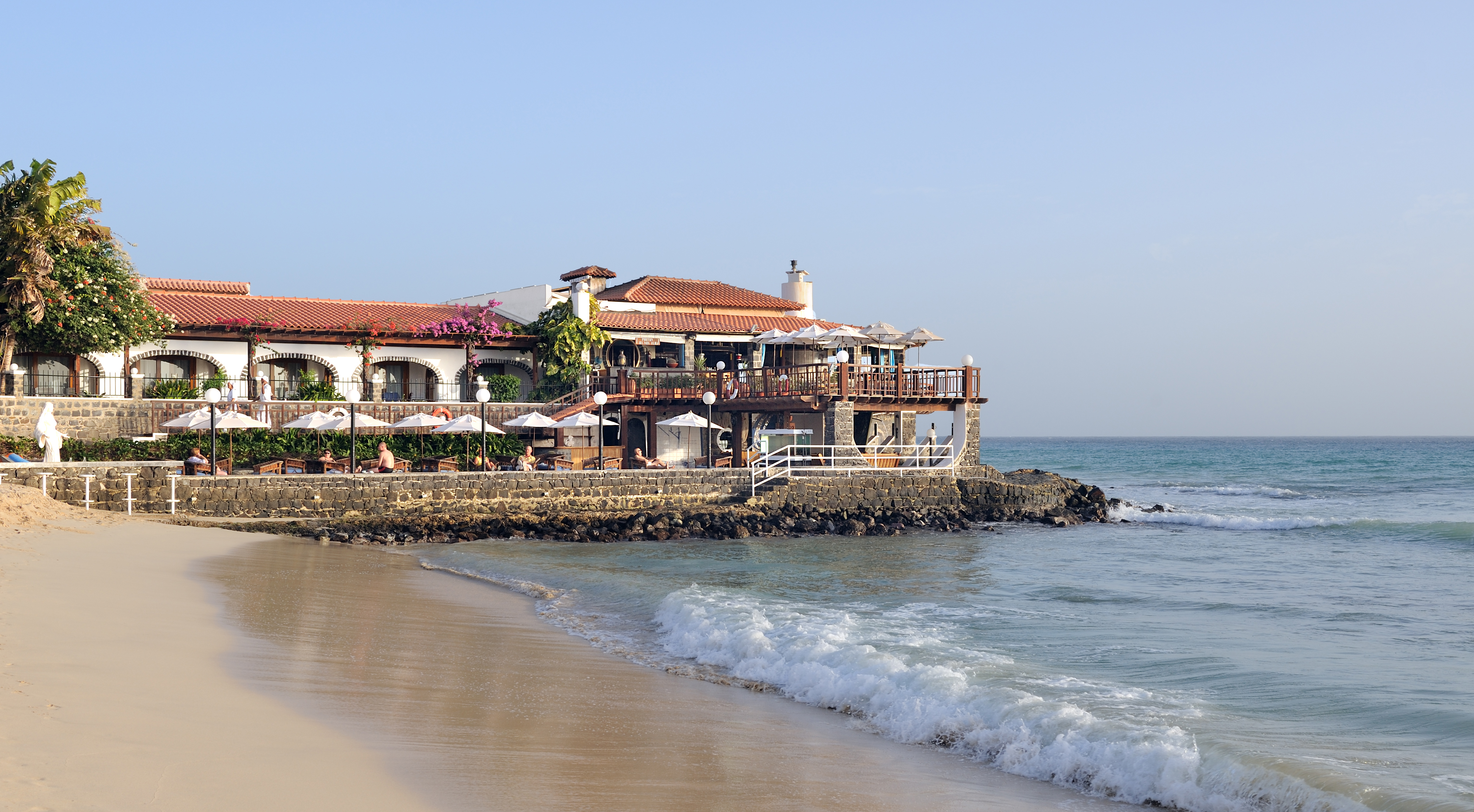
Arrive on Sal and slow down in Santa Maria
Amilcar Cabral International Airport -> Hotel Morabeza -> Santa Maria Beach
Sal is the soft landing: hotel transfers, beach air, grilled fish, and people playing football near the sand. Keep the first evening loose.
Stay near Santa Maria Beach and keep the first night simple.
Day 2 · Sal
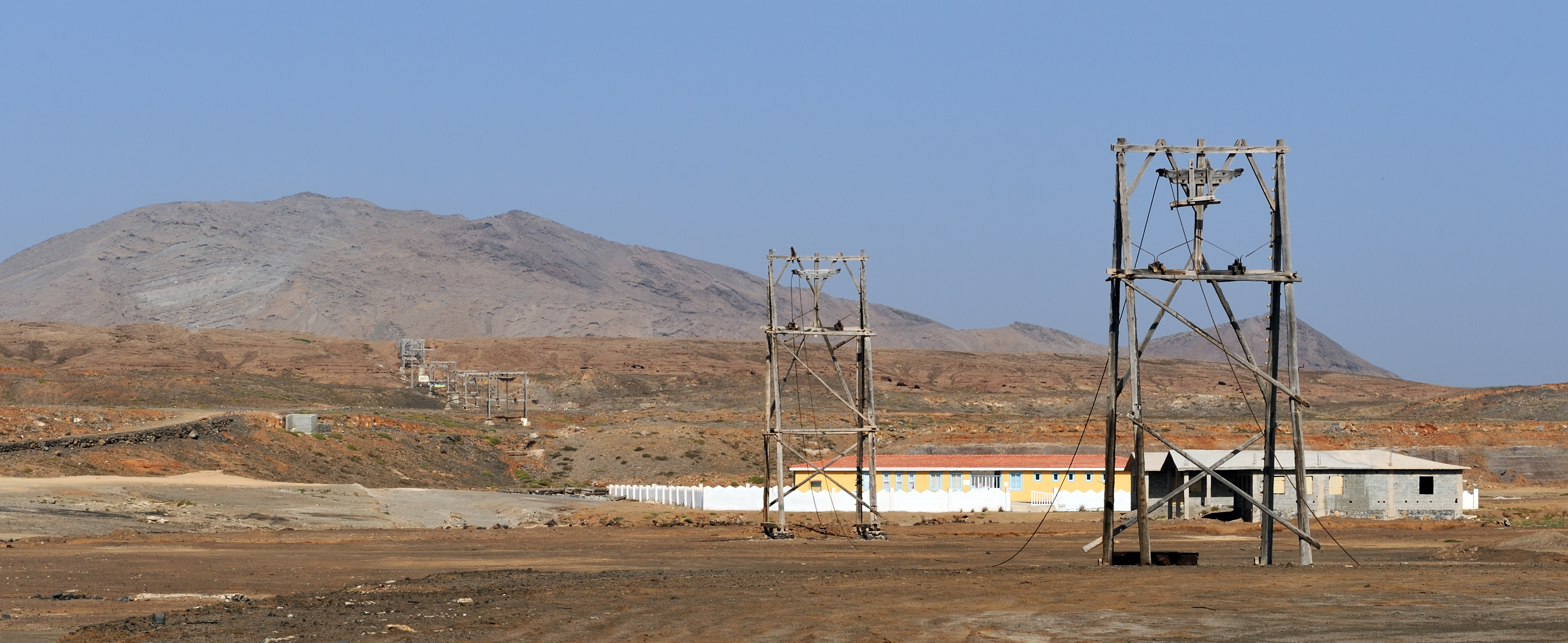
Half-day Sal loop: salt pans, fishing villages, and wind
Santa Maria -> Palmeira -> Buracona -> Pedra de Lume -> Santa Maria
Most Sal tours connect Palmeira, Buracona, and Pedra de Lume in one easy loop. Use it for salt, fishing boats, and Atlantic light rather than a rushed checklist.
Book a half-day driver or tour; bring cash for small fees.
Day 3 · Santiago
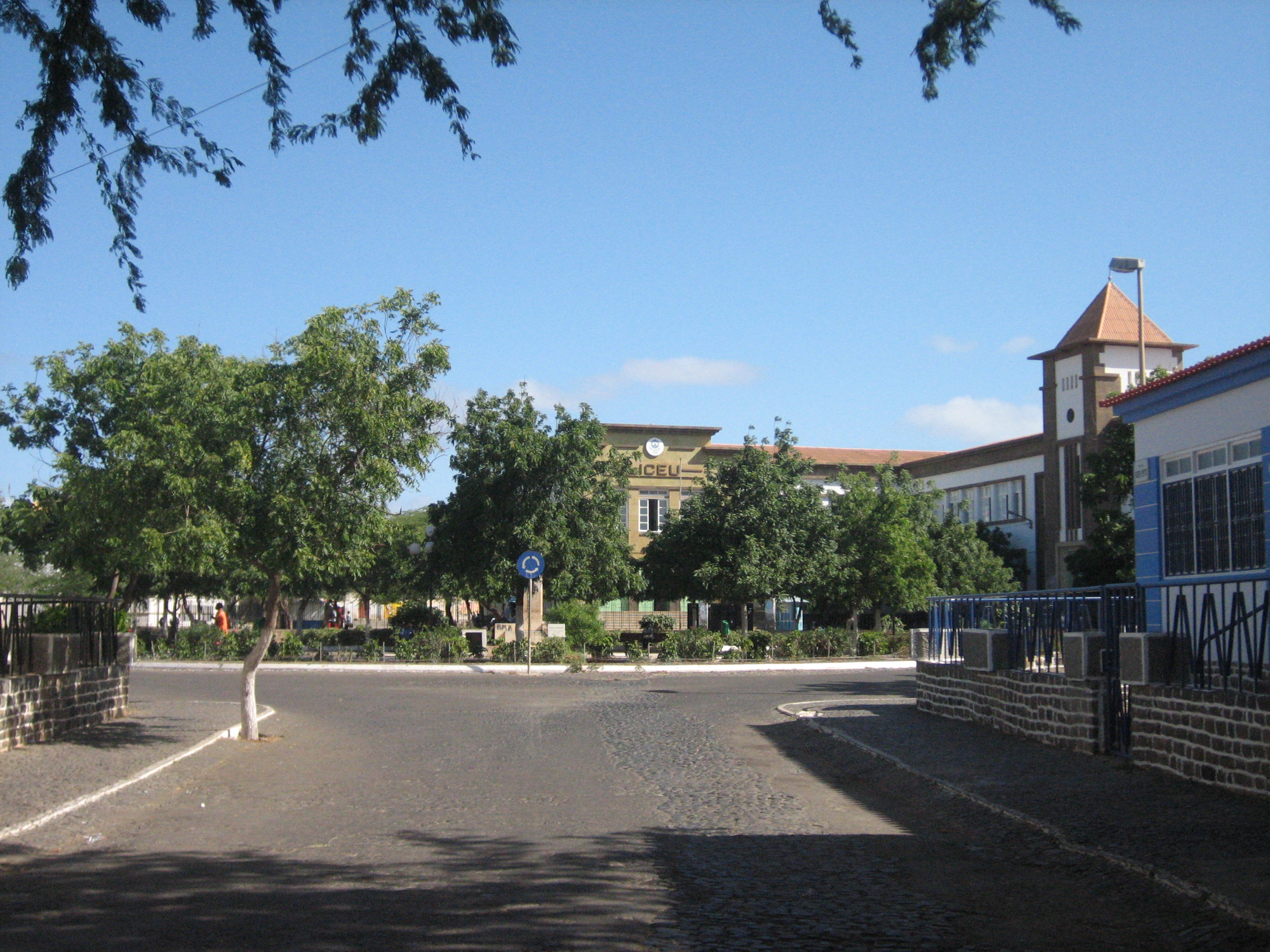
Fly to Praia and meet the capital from the Plateau
Sal -> Nelson Mandela International Airport -> Plateau -> Praia waterfront
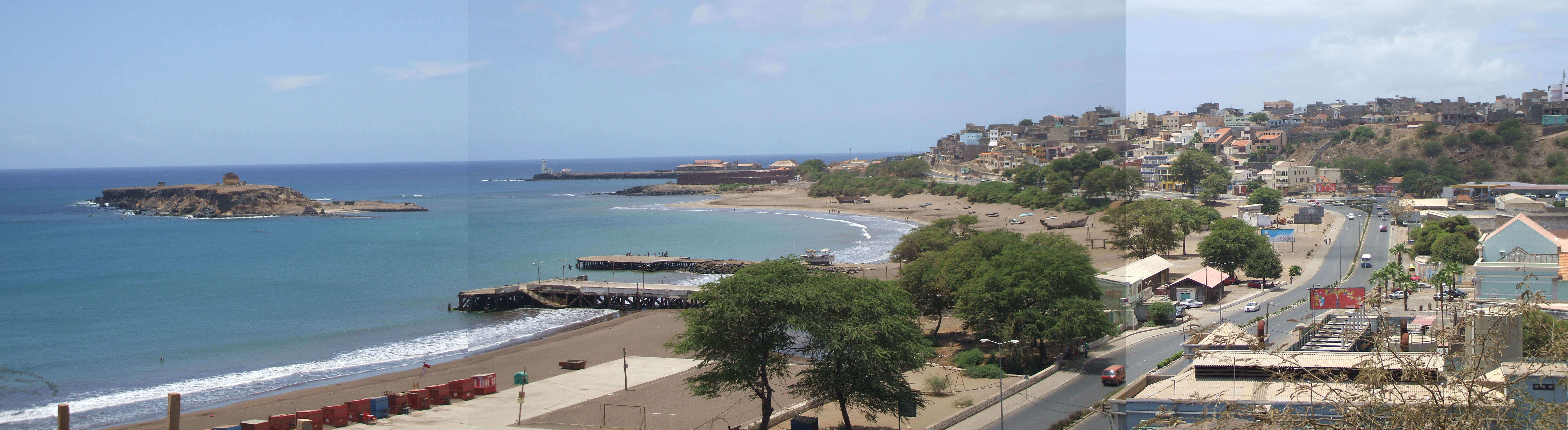
Praia feels more lived-in than the resort islands. The Plateau, small restaurants, public squares, and music give the country page a real city chapter.
Use a hotel transfer or taxi from Praia airport.
Day 4 · Santiago
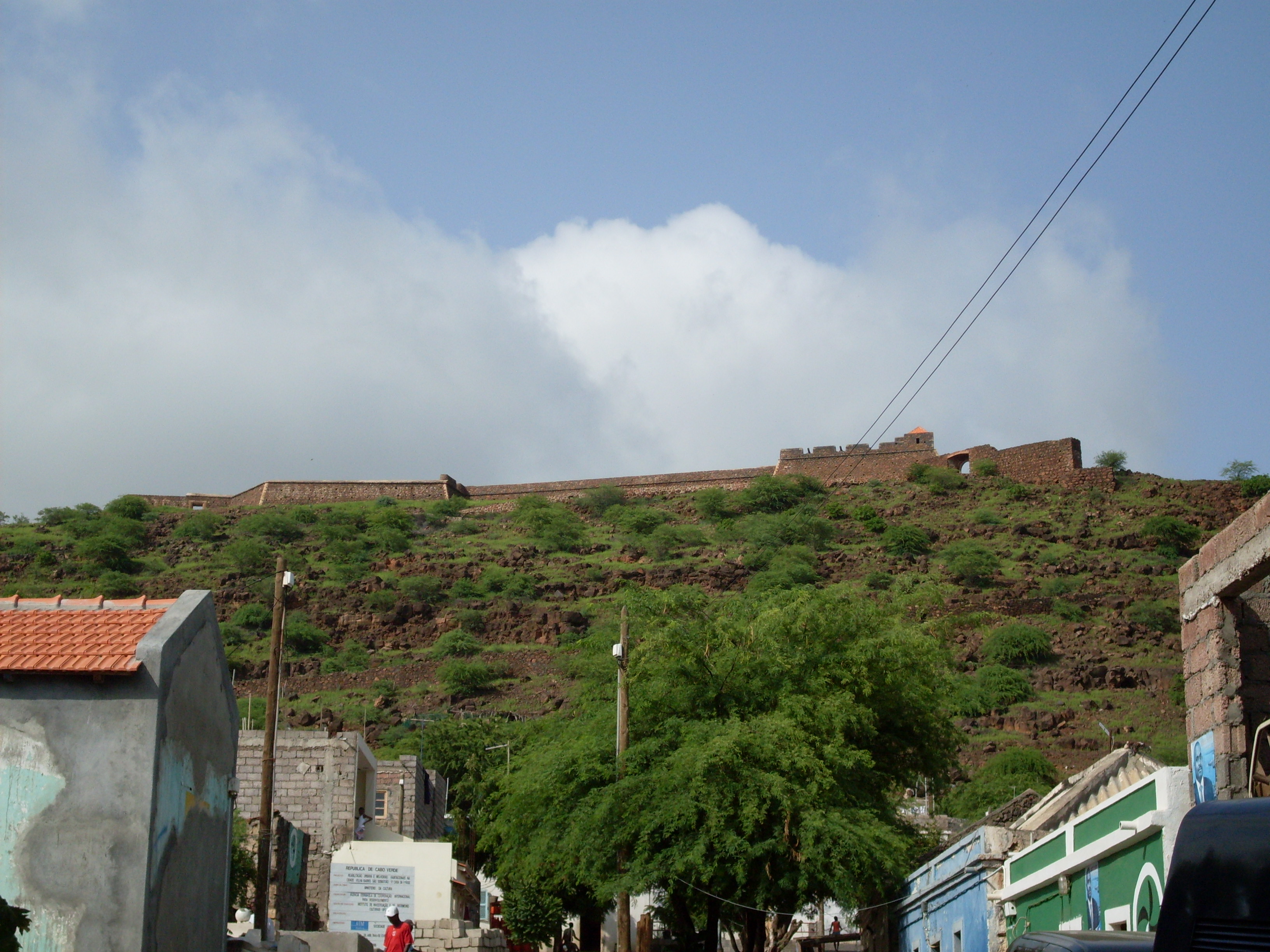
Cidade Velha, market roads, mountains, and Tarrafal
Praia -> Cidade Velha -> Assomada Market -> Serra Malagueta -> Tarrafal
A Santiago day should connect Cidade Velha, Assomada, Serra Malagueta, and Tarrafal. This is where culture, mountain roads, and beach football start to meet.
A driver or full-day tour is easiest; Tarrafal is better as an afternoon pause.
Day 5 · Fogo
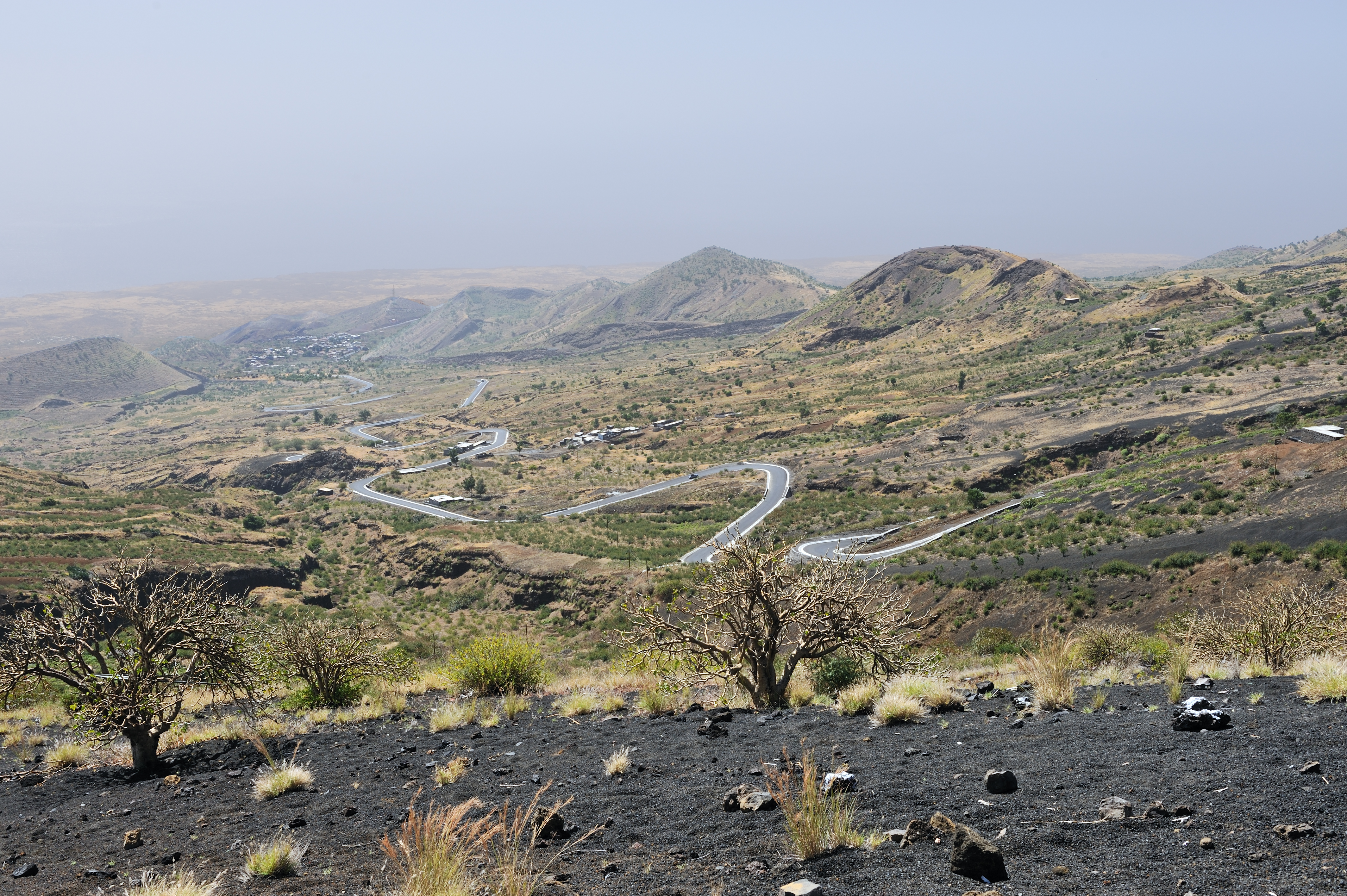
Fly to the volcanic island of Fogo
Praia -> Sao Filipe -> Cha das Caldeiras
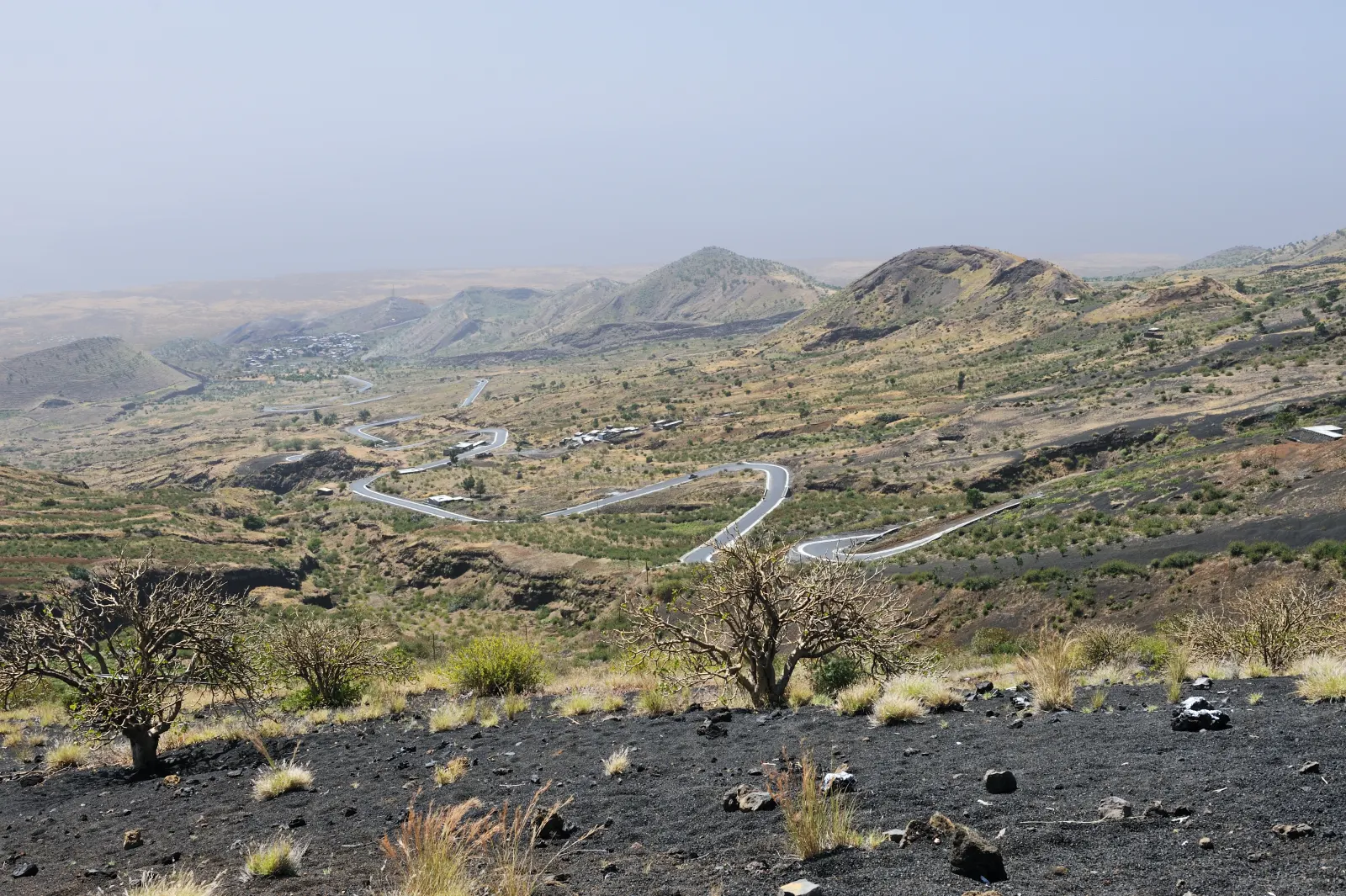
Fogo changes the texture of the trip. Sao Filipe, lava roads, coffee, vines, and the drive toward the crater make Cape Verde feel much larger than a beach destination.
Sleep early if you plan to hike the volcano the next morning.
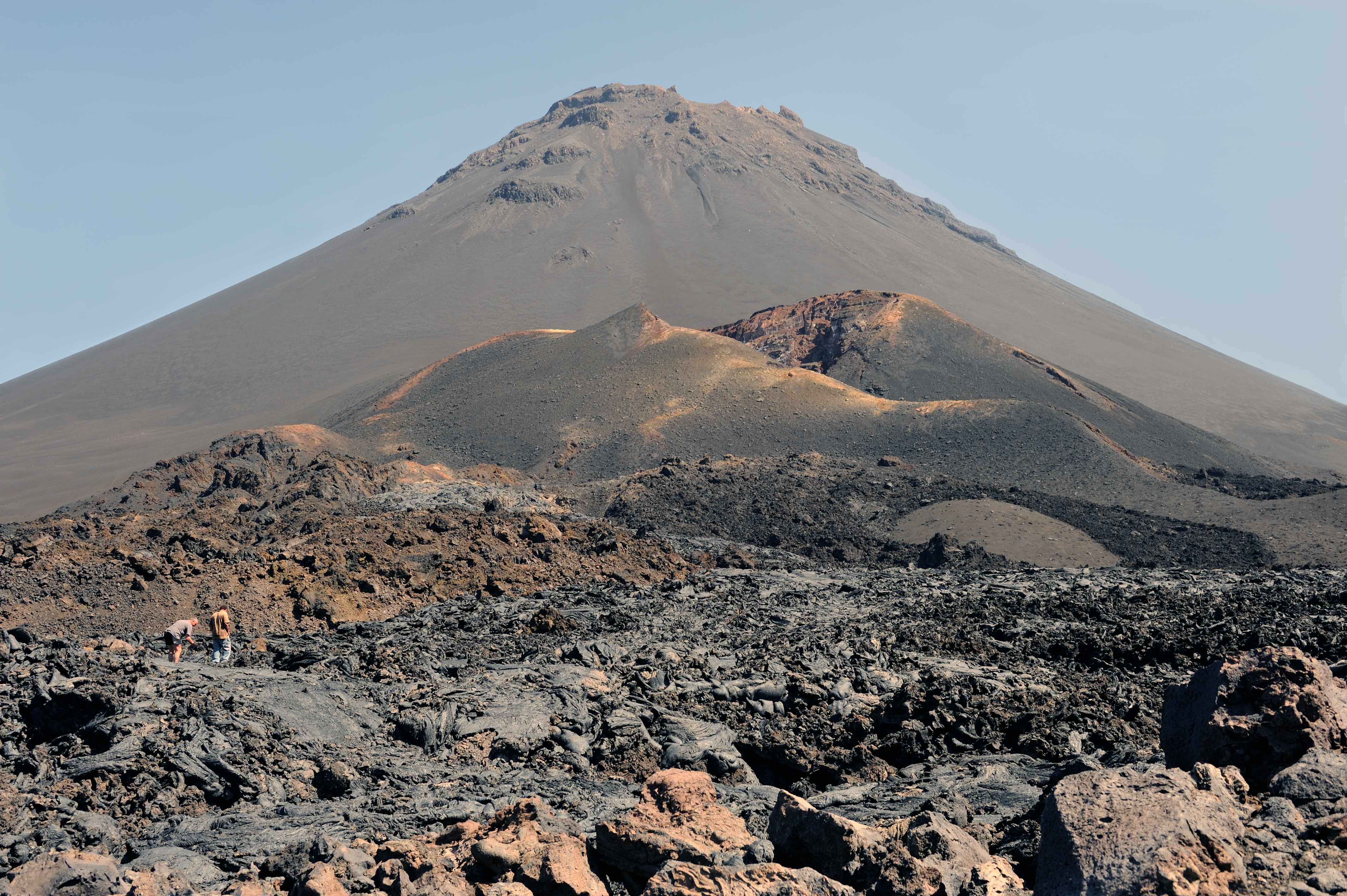
Day 6 · Fogo
Pico do Fogo: a morning volcano day
Cha das Caldeiras -> Pico do Fogo viewpoint or hiking route -> Sao Filipe
The volcano day is the route's strongest memory: black slopes, early light, local guides, ash under your shoes, and a lunch that tastes better after the climb.
Use a guide, hiking shoes, water, and sun protection; choose a viewpoint route if the full hike is too much.
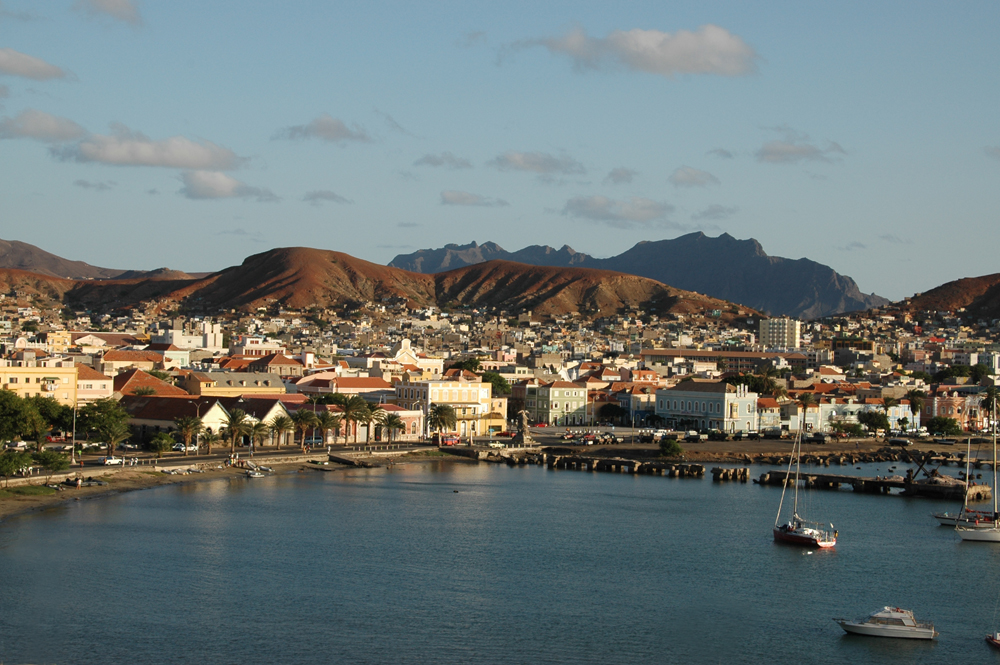
Day 7 · Sal / Sao Vicente
Return to Sal, or extend toward Mindelo
Fogo -> Praia / Sal, or add a flight to Sao Vicente -> Mindelo
A strict 7-day trip should protect the flight home. With two or three extra days, continue to Mindelo for Morna music, harbor streets, and Ryan Mendes' home-island angle.
Leave buffer time between inter-island flights and the international departure.
🇨🇻 Cape Verde travelogue
Cape Verde Doesn't Speak on Maps—It Drifts on the Strings of a Morna
Read the narrative side of Cape Verde: how arrival, football curiosity and local rhythm connect beyond a checklist.
The plane touches down at Praia Airport on Santiago Island, and Cape Verde does not greet you with skyscrapers. Outside the window: low brown hills, air dry and transparent. The thing that actually tells you where you've landed comes the moment you step out of the terminal — a sound. An old man sits on a low wall, playing a battered guitar. There is sea salt in the strings; the tuning is imperfect, but the rhythm is right.
Cesária Évora's voice drifts from the taxi's radio. She died in 2011, but in Cape Verde her voice is more punctual than any flight. The driver gestures toward the radio with his chin and says something in Portuguese threaded with Creole — I didn't catch every word, but I caught the pride in it. Morna, he said. Then he turned the volume up.
Read the full Cape Verde World Cup travel storyFamous player match photos
Cape Verde players and football faces
Player context helps connect Blue Sharks with hometowns, clubs, diaspora stories and routes a traveler can actually follow.


Recommended arrival airports and flight budget
Cape Verde airports and flight routes
Use this section to compare arrival airports, likely connections and where each route places you inside Cape Verde. Flight prices are seasonal planning ranges; check live fares before booking.
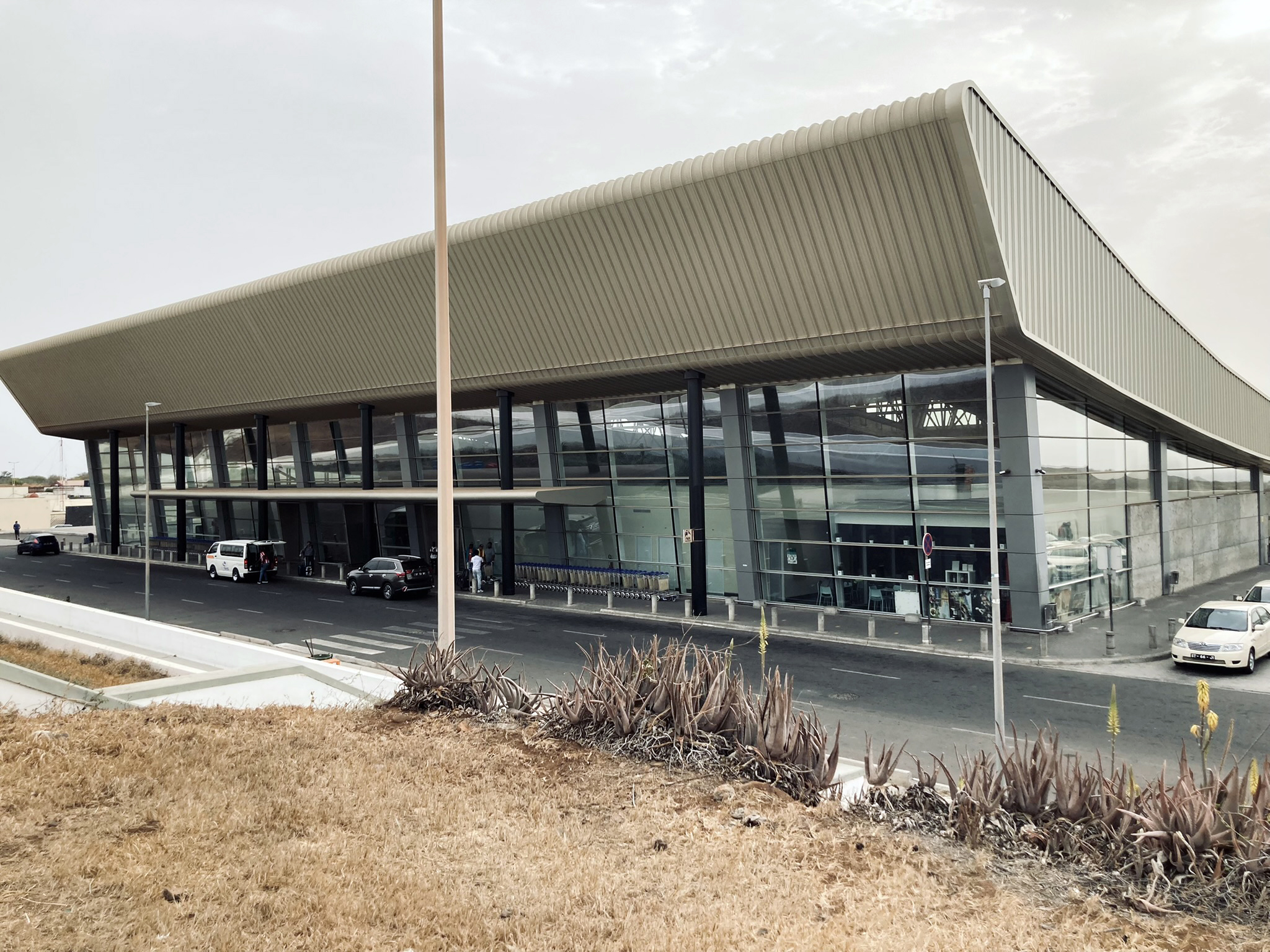
RAI
Nelson Mandela International Airport
Best for Praia, Santiago island, Cidade Velha, and government/capital city routes.
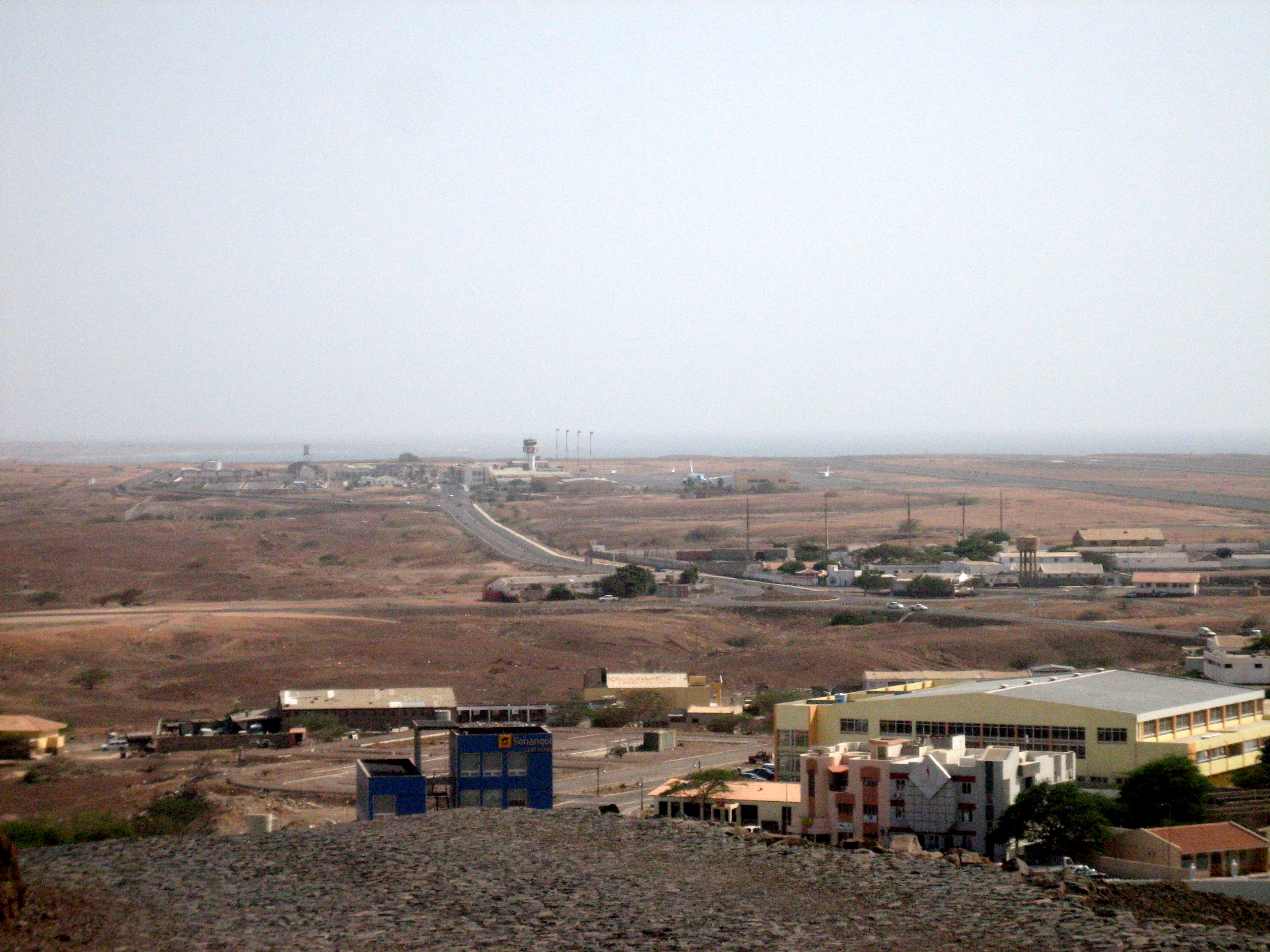
SID
Amilcar Cabral International Airport
Best for Sal beach holidays, Santa Maria, resorts, and European charter routes.
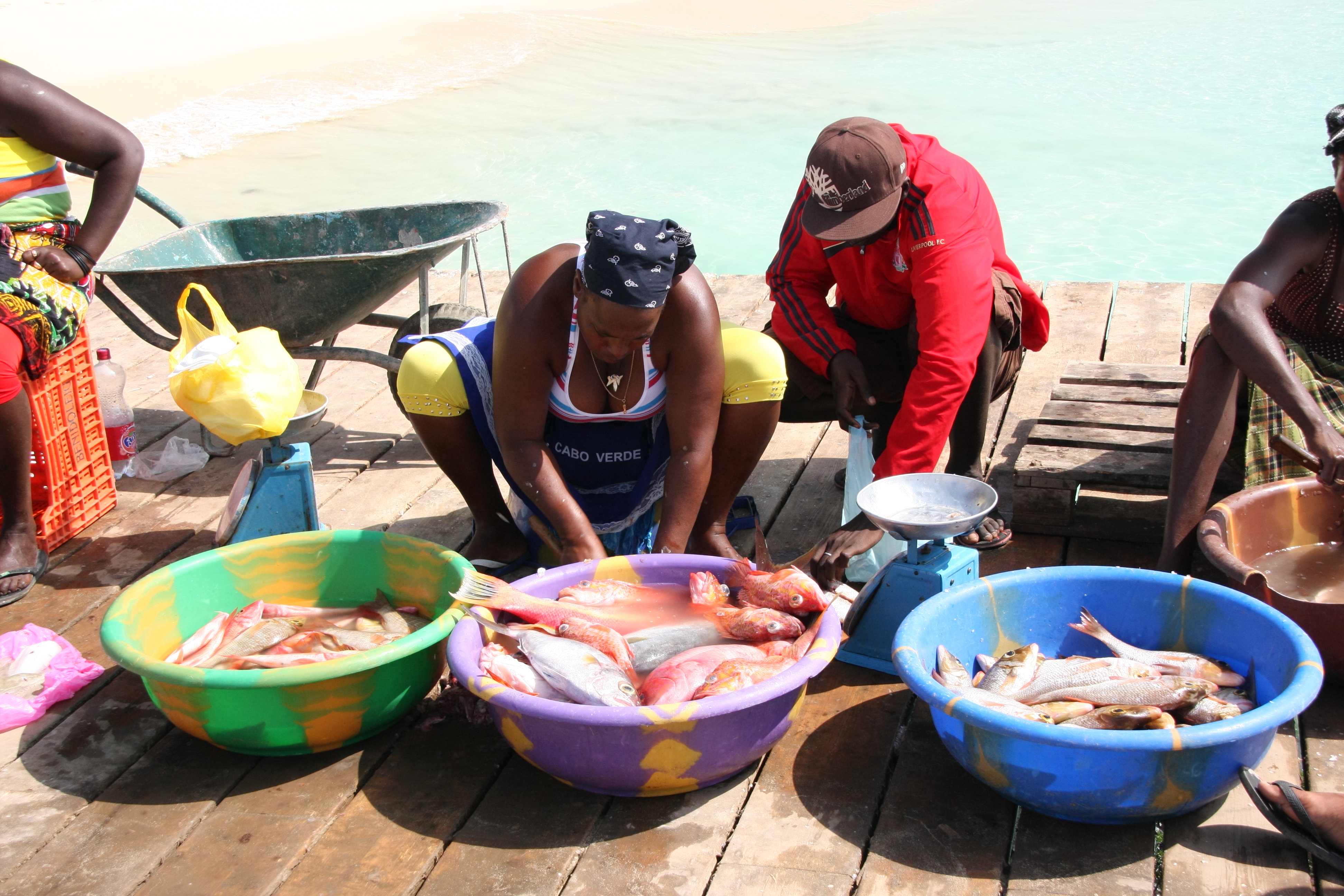
Local customs
- Cape Verde's island time is part of the trip, not a joke. Ferries can be affected by wind, loading, and weather, and domestic flights may shift with small-airport operations or seasonal demand. Leave at least half a day around island changes, return to the departure island before important flights, and avoid stacking a Fogo volcano hike, Santo Antao mountain road, or Sal return flight into the same tight day.
- In markets, fishing harbors, villages, and beach football spaces, greet people before taking portraits. Most encounters are warm, but vendors, children, fishers, and people at work should not be surprised by a camera. If someone hesitates, turns away, or waves you off, lower the lens. Buy fruit, fish, or a drink first, talk briefly about the weather or football, then ask for a natural environmental photo.
- Music bars are not only tourist performances; they are social rooms where people talk, listen to morna, coladeira, or funana, and ease into the night. If you stay for a set, order a drink, avoid blocking walkways, and do not use constant flash in front of performers. Mindelo is especially good for this: listen first, then let conversations about Cesaria Evora, the national team, or tomorrow's route happen slowly.
Cape Verde Best local transport?
For Cape Verde, budget private drivers at roughly 6,000-12,000 CVE for a half-day island loop and 12,000-25,000 CVE for a full day; specialist hiking or volcano guides are often 5,000-15,000 CVE before transfers. Use domestic flights for Sal-Praia, Sal-Sao Vicente, Praia-Sao Vicente, and Praia-Fogo when the trip needs certainty; typical routes run several times weekly to daily rather than a guaranteed shuttle. Ferries matter for Sao Vicente-Santo Antao, Fogo-Brava, and Santiago-Fogo, but expect anything from 1-4 sailings on busy links to only a few per week on thinner routes, with weather delays. On Sal, taxis work for Santa Maria and beaches, bicycles only for short flat rides; on Santiago, Fogo, and Santo Antao, choose a rental car or driver over casual taxis for mountain roads and full-day sightseeing.
Cape Verde Route reference?
Cape Verde is not one island experience. For a first football-led travel guide, seven days works best as a compact island-hopping route: land softly on Sal, move into Santiago for Praia, Cidade Velha, mountains, and Tarrafal, then use Fogo as the unforgettable volcanic chapter. Add Mindelo only if you have extra days. Arrive on Sal and slow down in Santa Maria Amilcar Cabral International Airport -> Hotel Morabeza -> Santa Maria Beach Stay near Santa Maria Beach and keep the first night simple. Half-day Sal loop: salt pans, fishing villages, and wind Santa Maria -> Palmeira -> Buracona -> Pedra de Lume -> Santa Maria Book a half-day driver or tour; bring cash for small fees. Fly to Praia and meet the capital from the Plateau Sal -> Nelson Mandela International Airport -> Plateau -> Praia waterfront Use a hotel transfer or taxi from Praia airport.
Hotels after landing
Where to stay in Cape Verde
Hotel choices are grouped by route logic, airport access, neighborhood feel and match-day convenience.
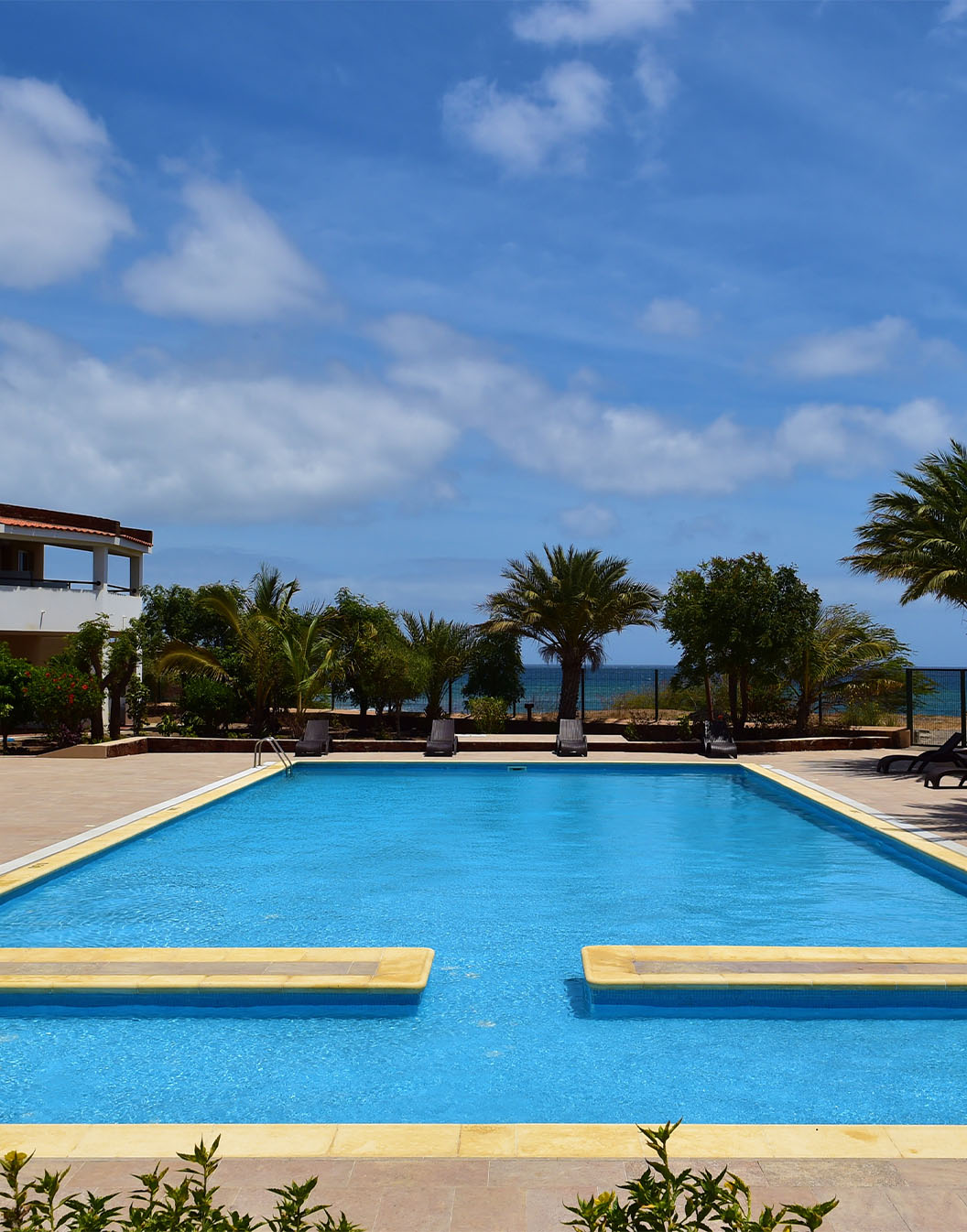
Hotel Morabeza
Price range: $120-$260/night
Classic Sal beach hotel with Cape Verde resort history.
Pestana Tropico
Price range: $90-$180/night
Practical Praia base near the waterfront and city routes, especially after arriving at RAI.
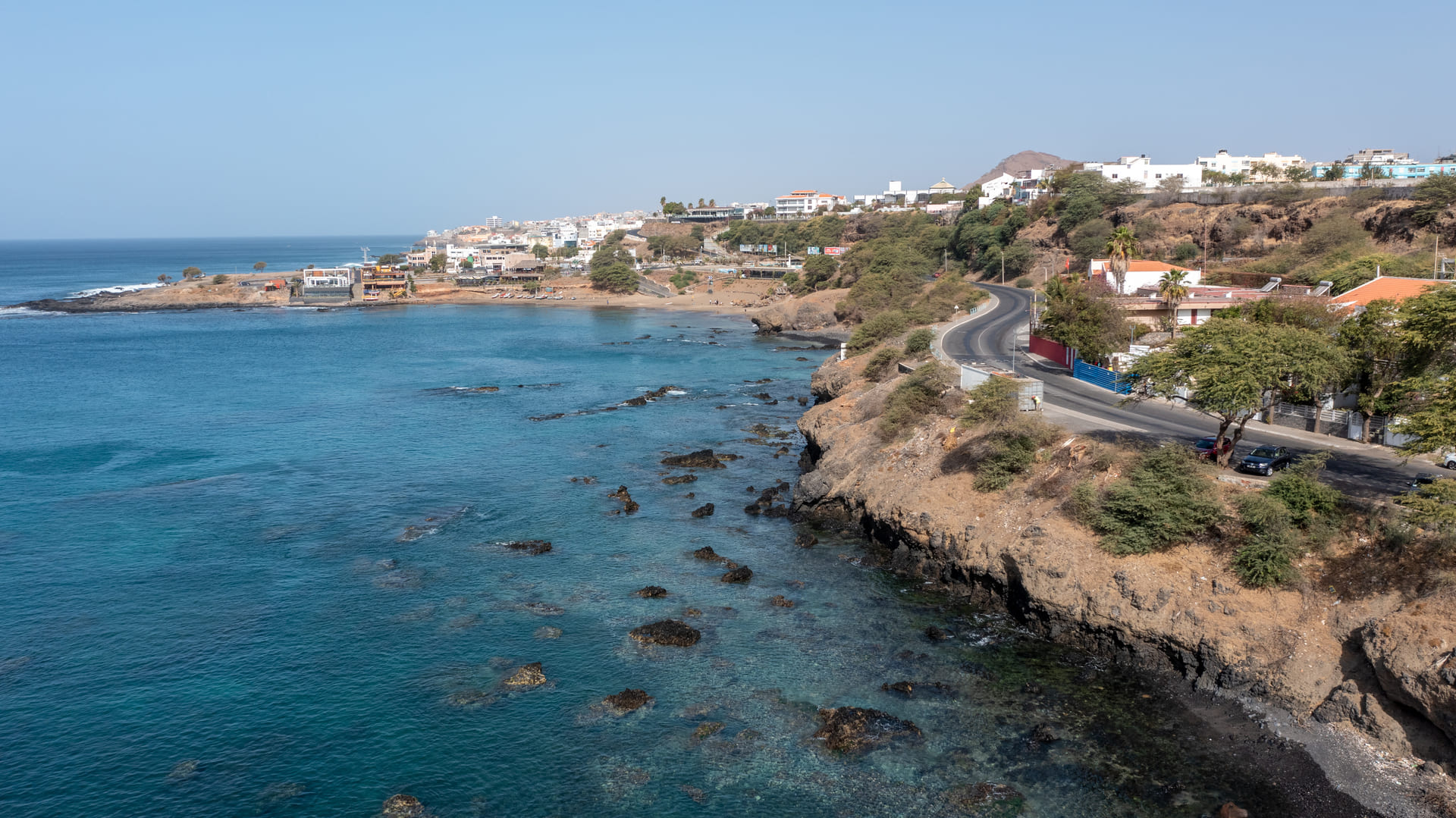
Oasis Atlantico Praiamar
Price range: $95-$210/night
Ocean-facing capital stay, useful after landing at RAI.
Kira's Boutique Hotel
Price range: $70-$150/night
Local-feeling Mindelo base for music and harbor culture.
Local food and restaurants
What to eat in Cape Verde
Food notes focus on local dishes, realistic restaurant types, prices and the easiest first meals after arrival.

Cachupa
Slow-cooked corn, beans, vegetables, and meat or fish.
Restaurants: Quintal da Musica, Chez Loutcha
Budget: $6-$14
Fresh tuna and grilled fish
Best near harbors and beach towns.
Restaurants: Odjo d'Agua, local fish grills in Santa Maria
Budget: $10-$25

Pastel com diablo dentro
Spicy tuna pastry often eaten as a snack.
Restaurants: Praia bakeries and market counters
Budget: $1-$4
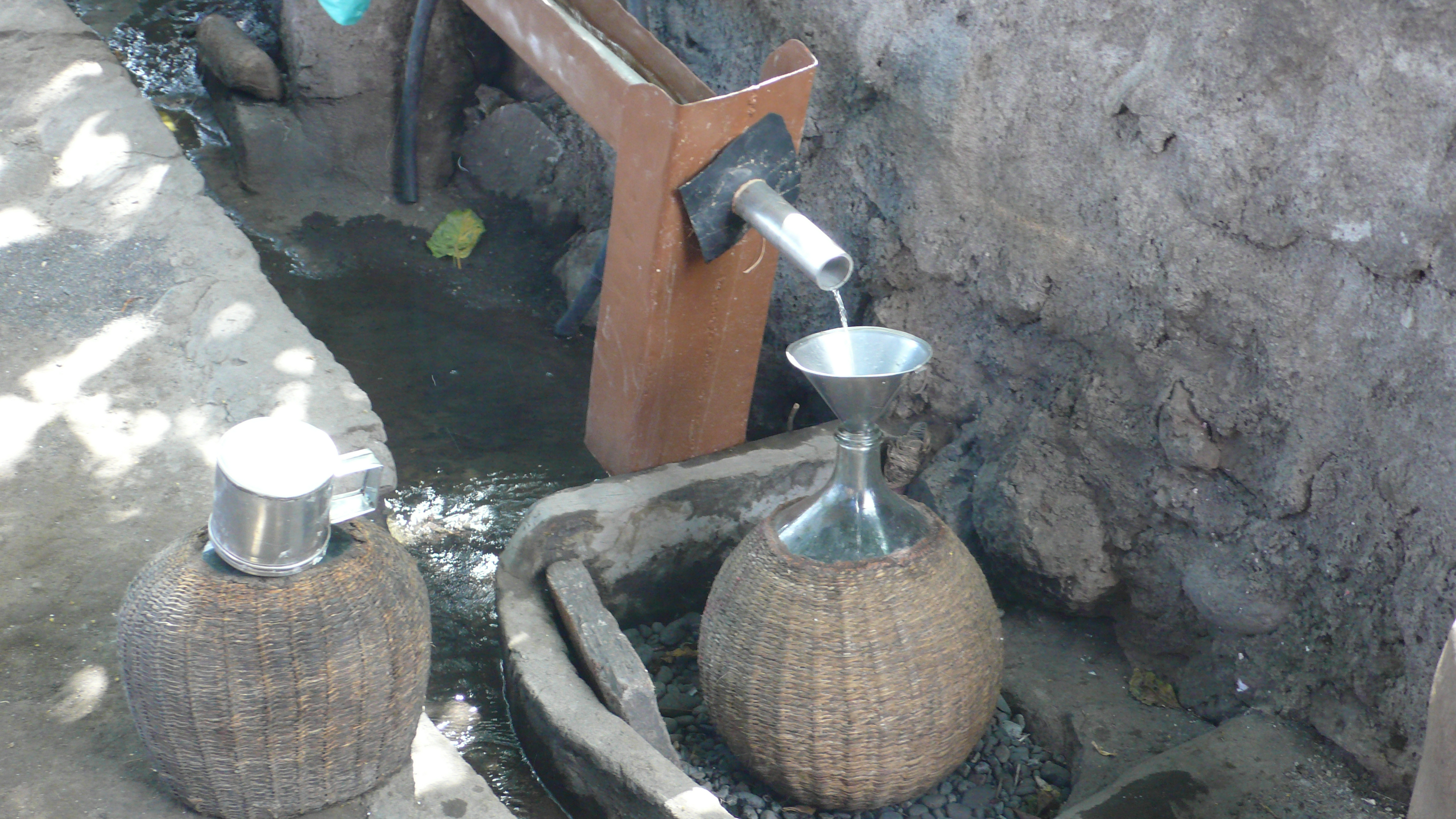
Grogue tasting
Sugarcane spirit, especially linked to Santo Antao.
Restaurants: Small distilleries and music bars
Budget: $3-$8
Cape Verde Local food and restaurants?
Cachupa Slow-cooked corn, beans, vegetables, and meat or fish. Quintal da Musica, Chez Loutcha $6-$14
Shows, bars, and entertainment
Cape Verde after dark and local nights
Evening ideas link music, waterfronts, markets and football screens without forcing every night into a match plan.
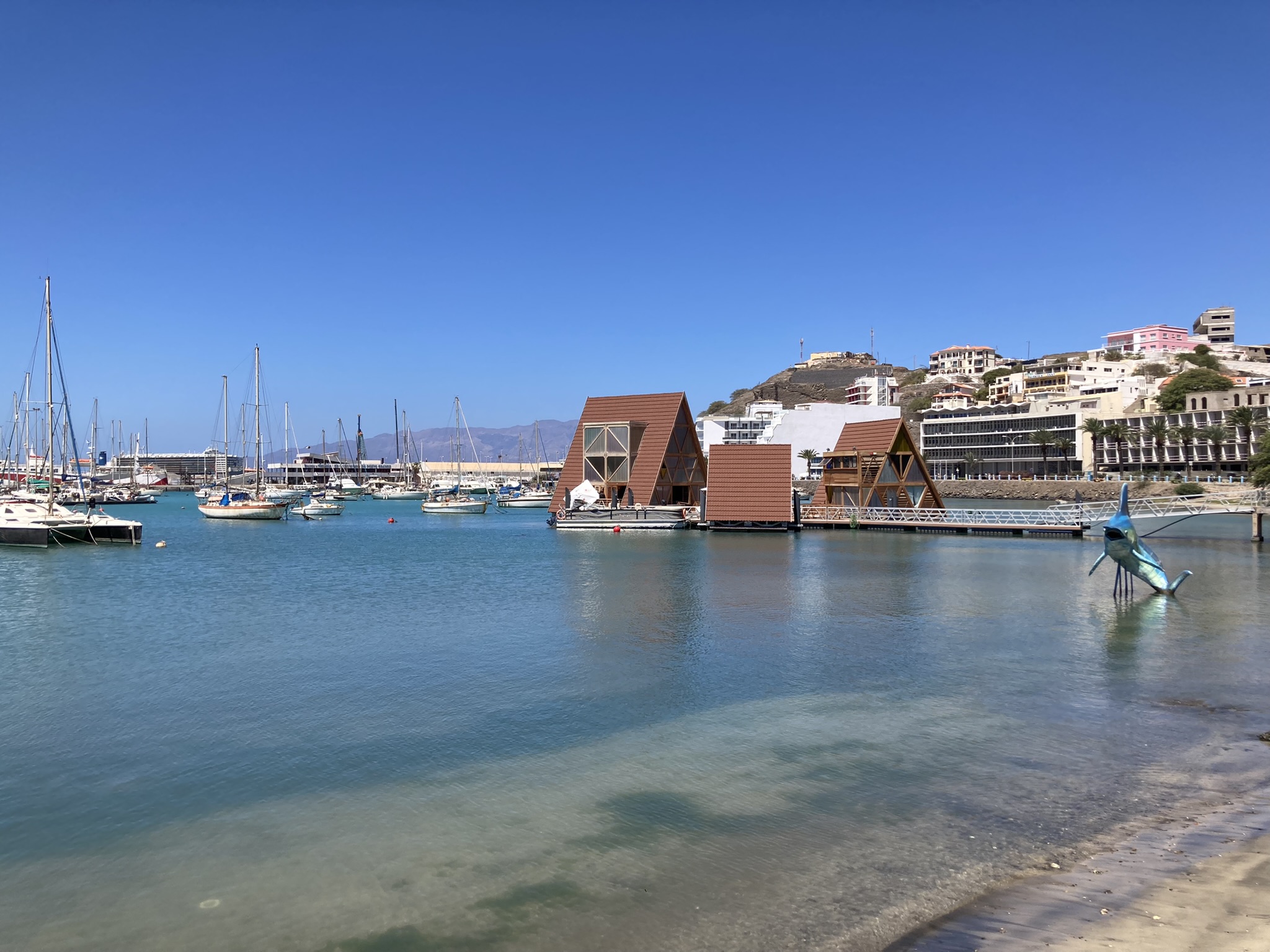
Mansa Floating Hub
Treat it as a Mindelo harbor-side evening pause: by day, watch the water, fishing boats, and mountain line; after dark, let morna, sea wind, and one slow drink take over. It fits the first night on Sao Vicente, when the best plan is not to chase sights but to hear the city move from the pier into music.
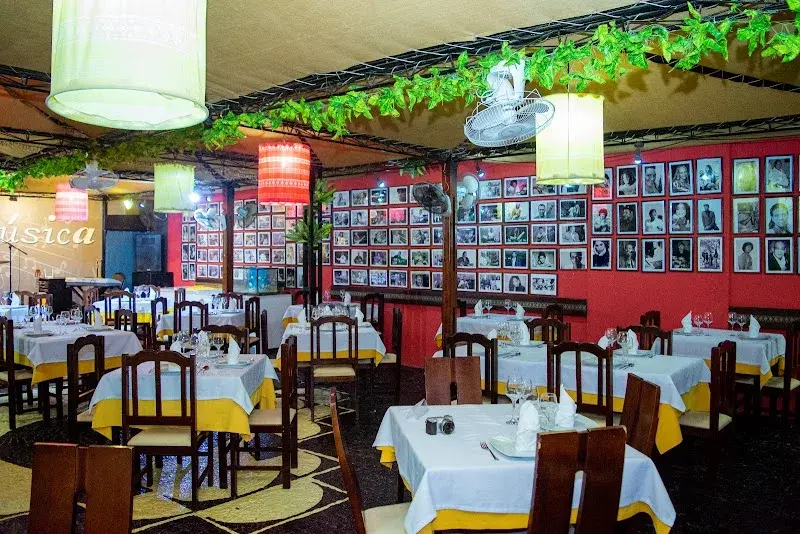
Quintal da Musica
One of Praia Plateau's best live-music dinner stops: begin with cachupa rica or local dishes, then let batuque, funana, coladeira, or morna warm the courtyard. It feels less like a tourist show than the capital's evening living room, joining Santiago's city route, music route, and dinner table in one stop.
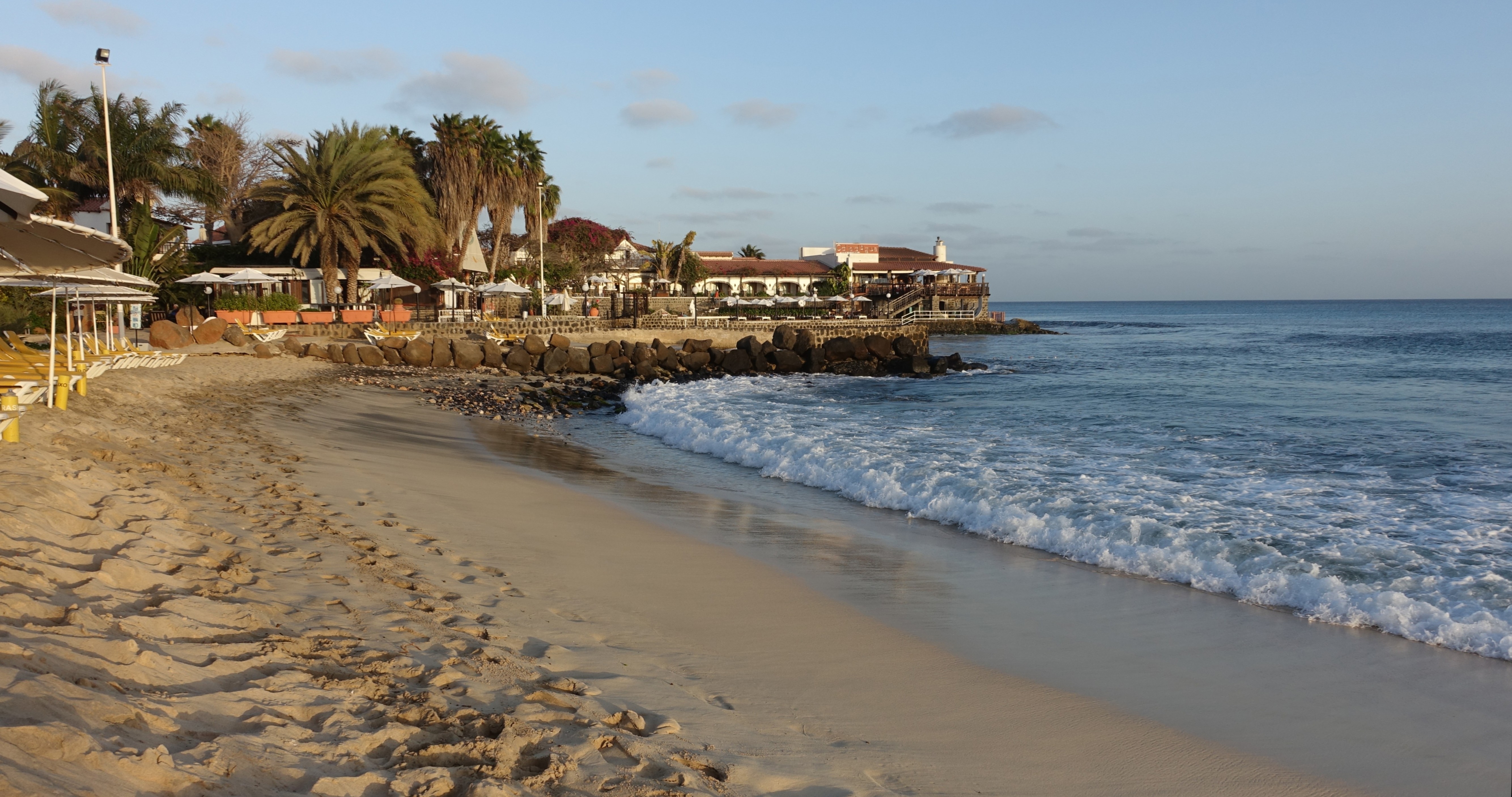
Santa Maria Beach football and sunset
Use this as a real beach-life stop rather than an unnamed beach club: Praia de Santa Maria is the main Sal beach, with sunset walks, music-festival energy in season, and casual football on the sand.
Domestic football clubs
Cape Verde football clubs and match culture
Club context adds the local football layer behind Blue Sharks, from stadium neighborhoods to supporter routines. Use these clubs as football anchors for Praia, Mindelo, and the island story. Club imagery and match photos still need source checks.
Mindelo, São Vicente
CS Mindelense
Cape Verde's strongest domestic club anchor for this page: a Mindelo side with major national-title weight, red-and-white identity, and a natural bridge to Sao Vicente, harbor life, Morna music, and local football tradition.
Praia, Santiago
Sporting Clube da Praia
A key Praia club whose green Sporting identity can connect the capital, the Plateau, national-team context, and Santiago's culture route.
Mindelo, São Vicente
Académica do Mindelo
A Mindelo club with the black-and-white Academica visual language, useful for a second Sao Vicente football stop near the harbor, neighborhood bars, and Laginha Beach.
Mindelo, São Vicente
Batuque FC
A Sao Vicente club that works best as a youth-development and player-export story, keeping the island's football culture broader than national-team stars alone.
Landscape anchors
Cape Verde attractions that match the Blue Sharks story
These landscapes and city stops give the football-led route a stronger sense of place. An island team can turn a match result into searches for volcanoes, beaches, music, and Atlantic routes.
Pico do Fogo
Cape Verde's most dramatic landscape: a volcanic highland route that makes the island story feel bigger than a beach trip.
Santa Maria Beach
The easiest soft landing on Sal, with beach hotels, seafood, wind, and relaxed first-day travel logistics.
Cidade Velha
A compact heritage stop near Praia, useful for adding history, stone streets, and coastal views to the football-led route.
Mindelo harbor
The best bridge between music, port life, Sao Vicente culture, and Cape Verde's football hometown stories.
Country travel map
Cape Verde travel map for planning
Save the map to compare airports, hotels, restaurants, clubs and attractions before building the route. The map should show Sal for arrival and beach time, Santiago for Praia and Cidade Velha, Fogo for the volcano, and Sao Vicente/Mindelo as the optional music-and-football extension.
Download travel mapBrowse all downloadable travel maps →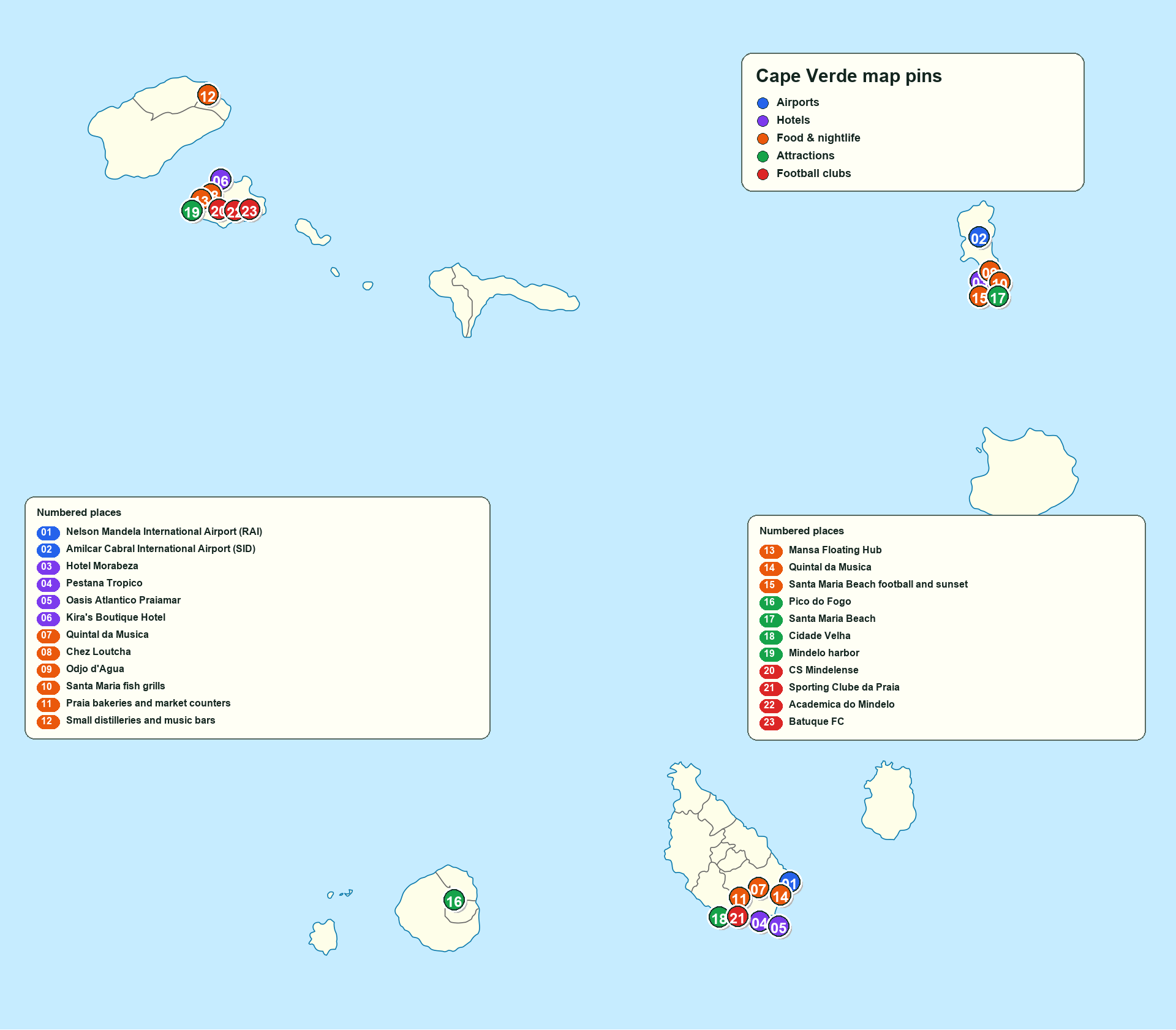
How much money to prepare
Cape Verde trip budget
A quick cost frame for flights, hotels, food, transport and paid activities before you book. Plan about $900-$2,000 per person for a 5-7 day first trip before long-haul flights from Asia.
Cheapest from Lisbon/West Africa, higher from East Asia.
Guesthouses to beach resorts.
Local meals are affordable; resort dining costs more.
Tours, volcano hikes, guides, and ferry buffers.
Taxi/rental car plus inter-island transfers.
Travel rules, prices, transport schedules and safety conditions can change. Recheck official entry rules, local advisories and current prices before booking.
Route reference
Cape Verde itinerary sources
External route references used to check pacing, logistics and travel assumptions.
- The Cape Verde Experience — A 7-night Sal, Santiago, and Fogo island-hopping route with Sal touring, Santiago touring, and a Fogo volcano day.
- Indie Traveller — Separates resort-style Sal/Boa Vista trips from more cultural island travel, with practical arrival notes for Sal, Praia, and Mindelo.
- Cabo Mundo — A longer island-hopping logic linking Sal, Sao Vicente, Santo Antao, Fogo, Santiago, and Boa Vista.
- Brit and Czech Abroad — A one-week Santiago road-trip account covering Praia, Cidade Velha, Serra Malagueta, and Tarrafal.
Related route
Compare another World Cup travel route

Editorial notes
How this Cape Verde guide is maintained
Researched and edited by the Travel the Teams editorial team. This guide combines route-planning context, cultural background and the sources linked above; it is not a substitute for official entry, safety, health or transport advice.
Travel requirements and prices change. Confirm current information with the relevant official authorities and providers before booking.