Why this World Cup travel project exists
I followed the World Cup and found my next journeys
A personal note from a thirty-year football fan and restless traveler.
I have been a football fan for thirty years, which means the World Cup has measured my life in a strange and faithful rhythm. I remember tournaments by the room where I watched them, by the friends who shouted beside me, by the late-night food on the table, by the names that suddenly became part of ordinary conversation. I have also spent much of my adult life chasing the opposite feeling: leaving home, buying a ticket with room for uncertainty, walking through a city before I understand its streets, and letting a country teach me its pace. Travel the Teams began where those two old loves met. It began with the World Cup on a screen, a notebook open beside me, and the sense that every unfamiliar flag was not only a football story but a doorway.
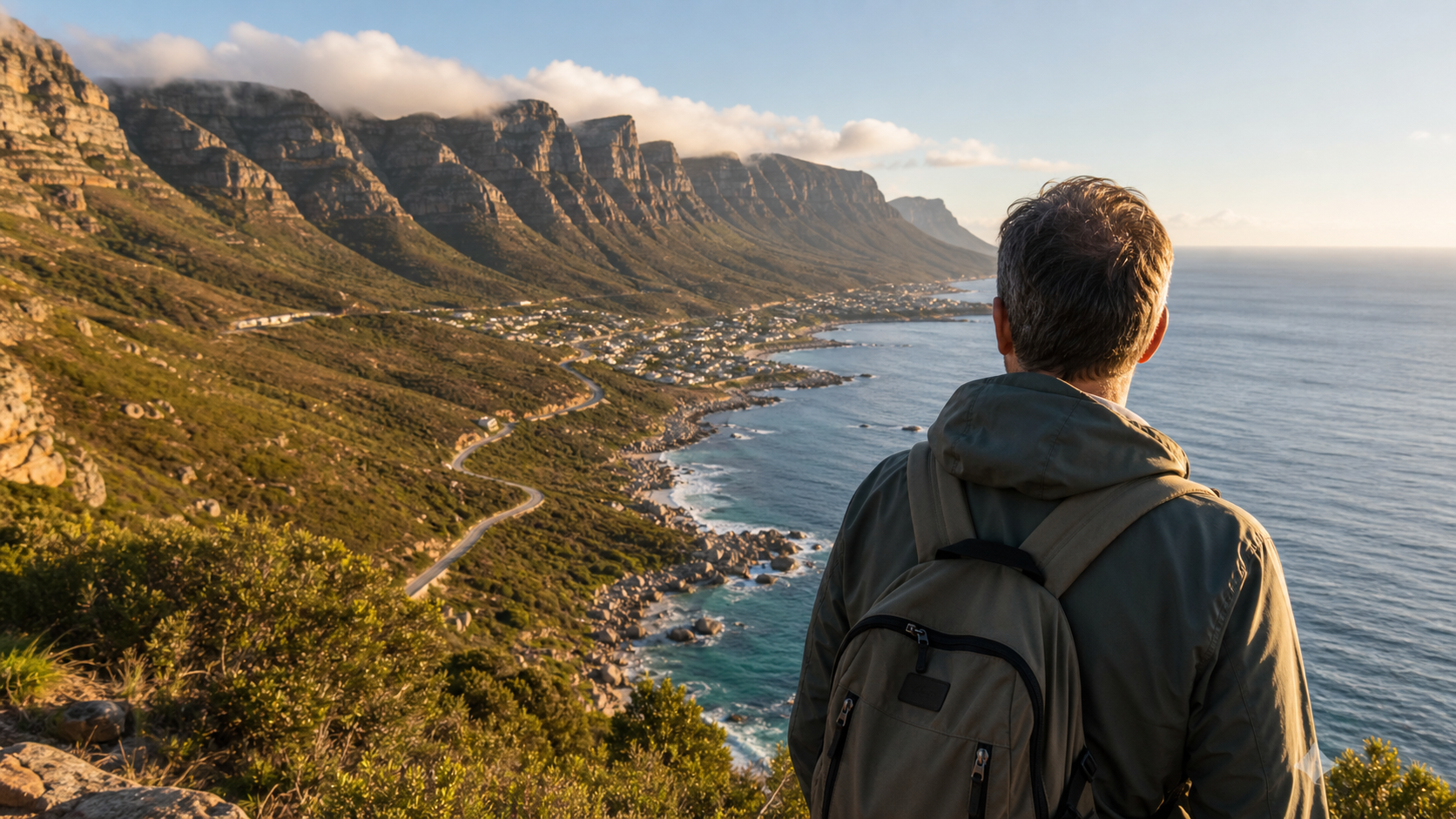
Most years, I travel for nearly two months. I do not travel like someone checking boxes. I like the loose days: a bus station at sunrise, a market where I cannot read every sign, a road that turns from city dust to mountain light, a small restaurant where the menu is explained with hands, smiles, and the one shared word everyone understands. Nature pulls me first, then society, then people. I love coastlines, deserts, rivers, volcanic hills, old towns, music, tea, bread, and the quiet drama of daily life. I like to feel how a place lives when nobody is performing for me. This year, the World Cup kept me at home. I thought I was only staying in to watch football. Instead, I found myself traveling in a different way.
The World Cup always does this to me at first: it narrows the world into groups, scores, injuries, tactics, and nervous minutes. But this tournament had another effect. So many teams appeared with names and flags I did not know well enough. Some were new to the global conversation, some were old football nations that I had shamefully never studied as places, and some were countries I had only seen through headlines, maps, or airport transfer routes. During one match, I caught myself asking a simple question: where is that country, really? Not where on a flat map, not what continent, not what confederation. I meant: what does it look like in the morning, what does the air feel like, what do people eat after work, where do children play football, what road would I take if I landed there tomorrow?
Curiosity is dangerous for a traveler, because it rarely stays small. I started searching between World Cup matches. At first I looked up basic facts: capitals, airports, visa rules, currency, safety notes, football history. Then I began to use AI as a research companion, not as a replacement for travel, but as a lantern in a room full of shelves. It helped me gather leads faster: official tourism pages, maps, old travel reports, Wikimedia images, club histories, player hometowns, mountains, beaches, markets, museums, river towns, desert camps. I checked, compared, opened more tabs, and slowly the football table turned into an atlas. The surprise was not that these World Cup countries had stories. The surprise was how beautiful many of them were, and how little space they had occupied in my imagination.
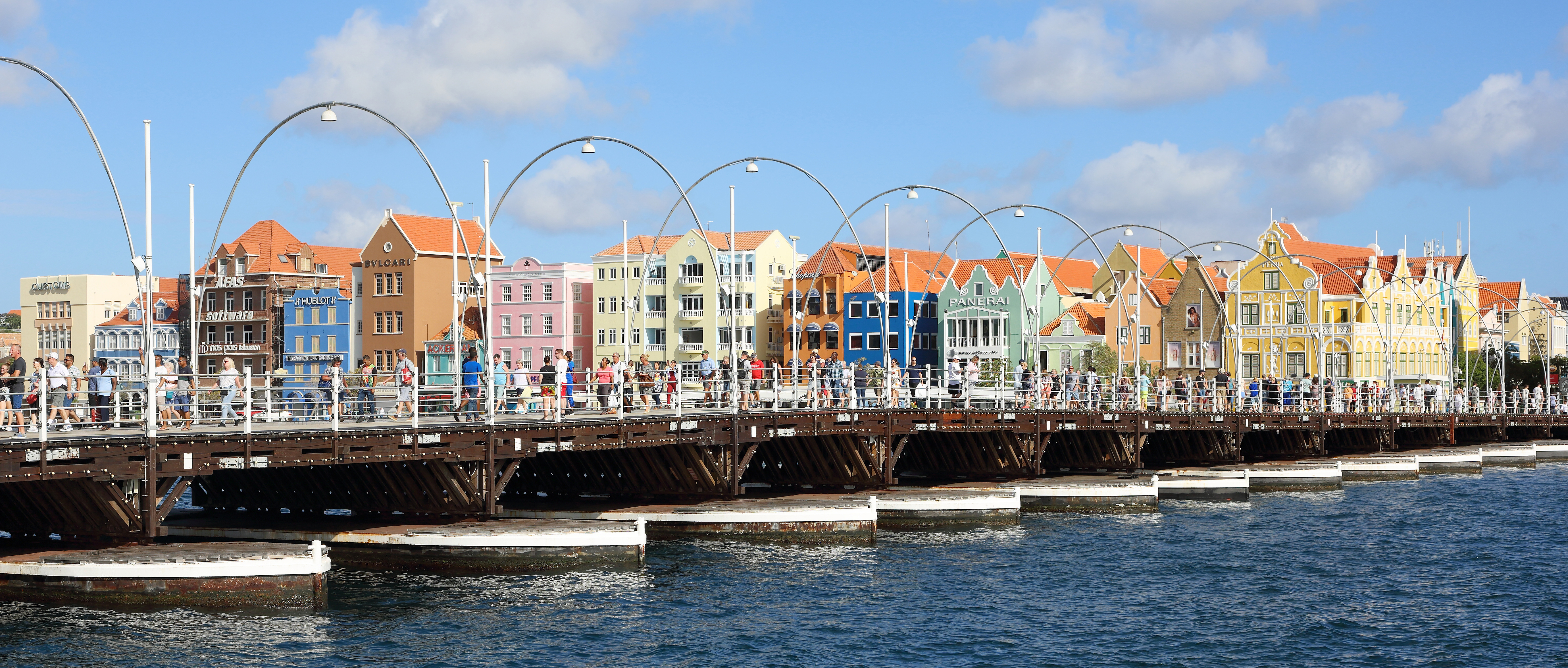
Some landscapes stopped me completely. Cape Verde was not only a team in blue, but Atlantic islands of volcanoes, ports, music, salt flats, beaches, and towns where the sea seems to be part of everyone’s biography. Uzbekistan was not only a fixture on the World Cup schedule, but a road through Tashkent, Samarkand, Bukhara, and Khiva, where blue tiles and railway stations create a rhythm older than any tournament. Jordan was not only a group-stage opponent, but Amman, Petra, Wadi Rum, the Dead Sea, coffee, stone, desert light, and long roads that turn travel into a story you feel in your knees. Curacao opened into color and bridges and Caribbean water. Qatar became more than stadium memory, and Iraq, Haiti, DR Congo, and the others demanded more attention than a hurried search result could give.
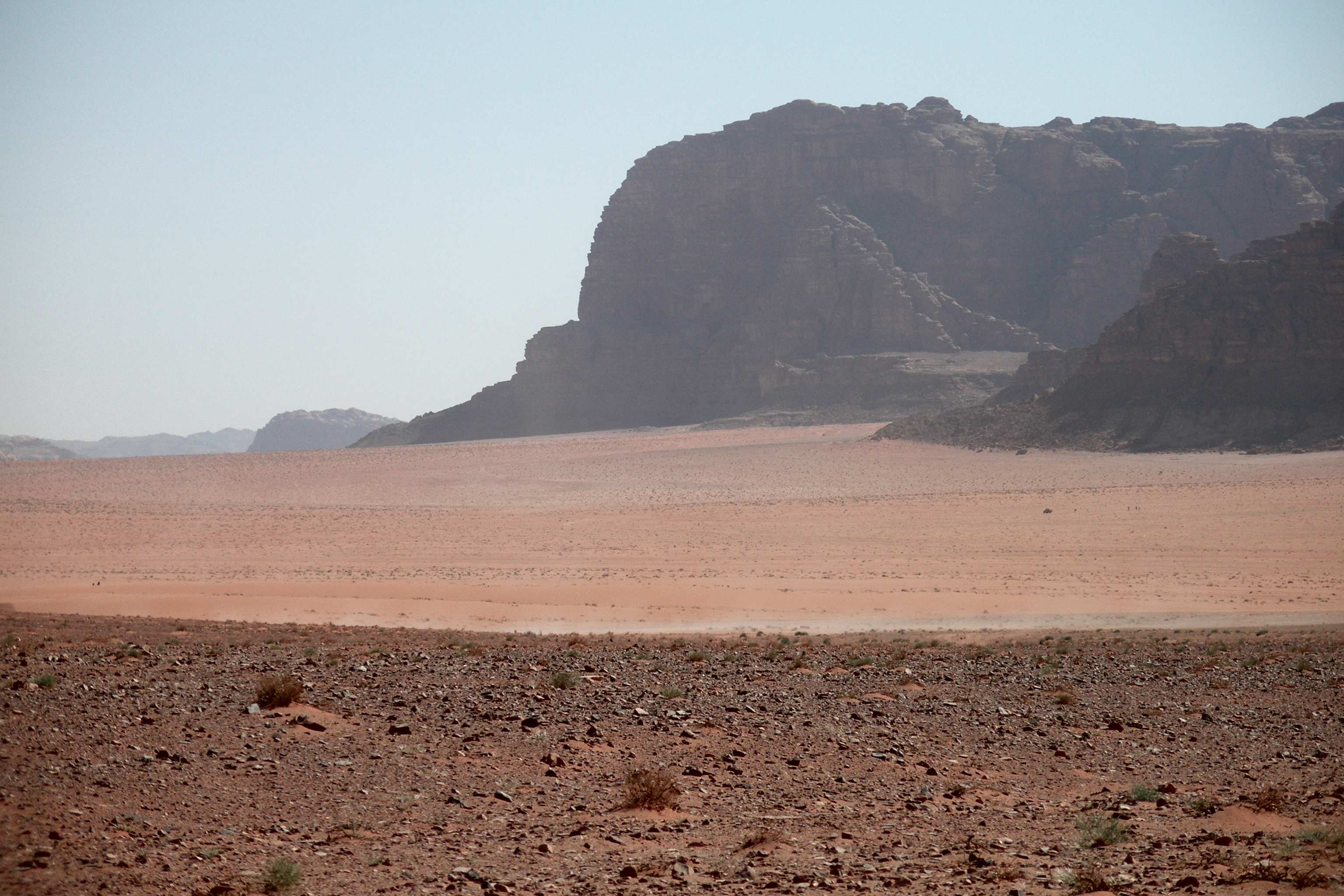
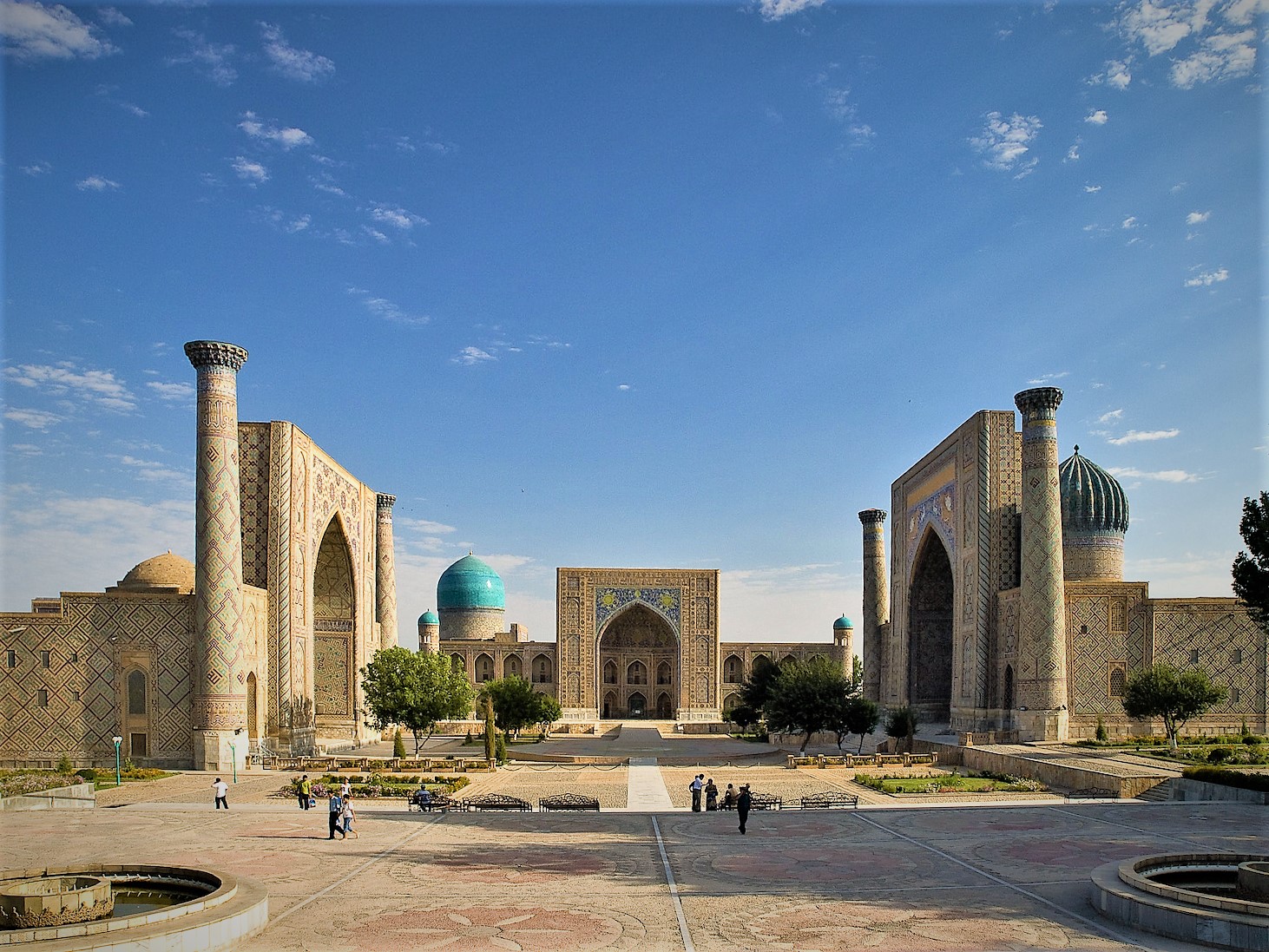
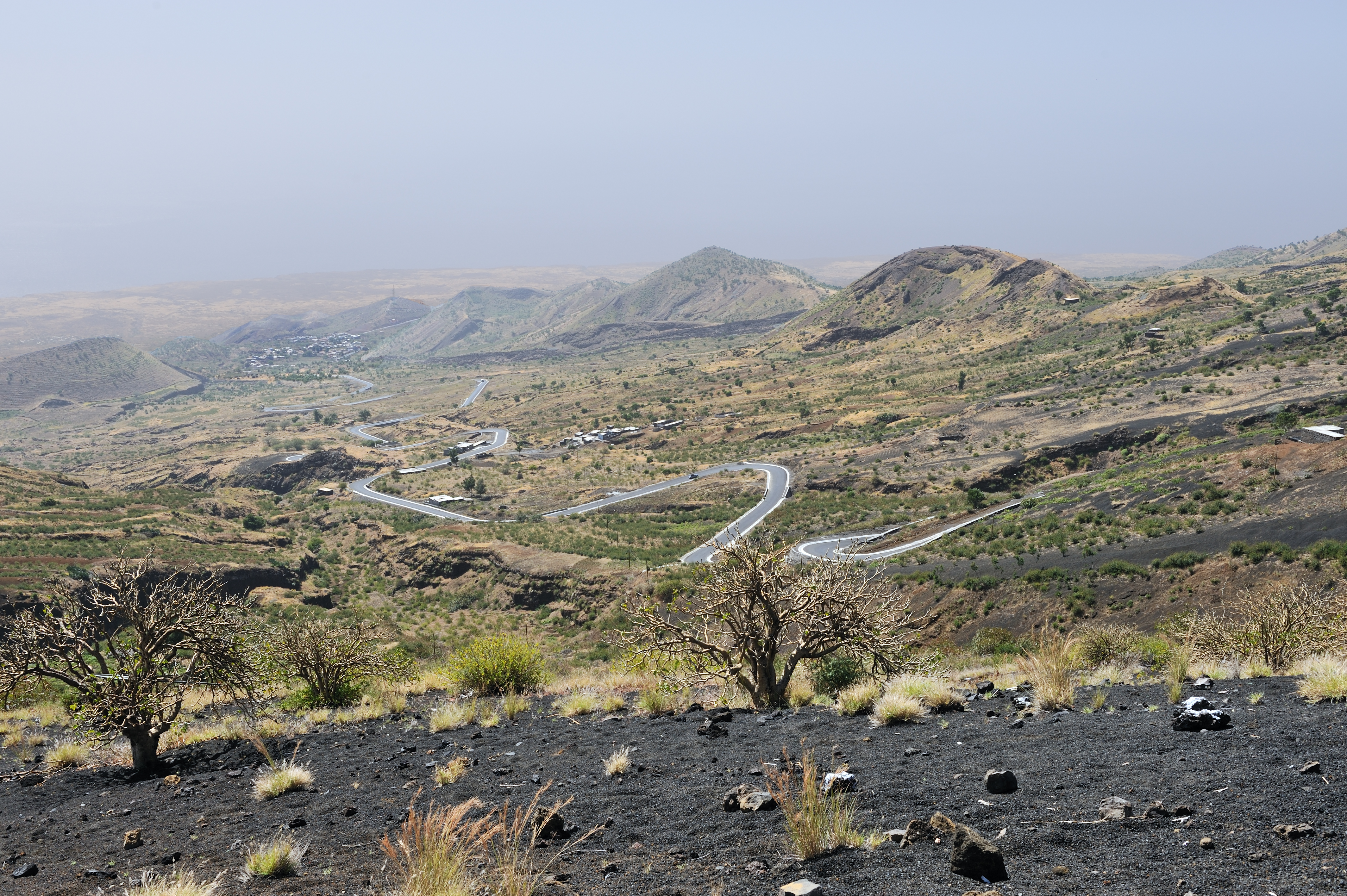
What moved me most was that many of these places did not look like the Western travel imagination I had absorbed for years. They were not trying to be Paris, Rome, London, or New York. Their charm came from elsewhere: a volcanic road, a turquoise harbor, a desert camp, a silk road courtyard, a river edge, a music bar, a market, a football shirt hanging in a shop window, a stadium name that only locals say with real feeling. The World Cup had pushed these countries into my living room, but the research pushed them out of the category of “small teams” or “unfamiliar teams.” They became destinations. They became possible future memories. That change of feeling is the reason this website exists.
I built Travel the Teams because I wanted to keep that feeling alive after the World Cup noise fades. The internet is very good at giving us match reports and very good at giving us generic travel lists, but it is less good at connecting the two with warmth. A team is not only a ranking. A player is not only a transfer value. A country is not only a visa paragraph. When a World Cup team appears on screen, there is a whole world behind the shirt: the player’s hometown, the food near the stadium, the roads fans take, the landscapes used in childhood memories, the music that follows a win or a loss. I wanted a place where football curiosity could become travel curiosity without losing its original spark.
So this site is part notebook, part travel wish list, part football diary, and part invitation. I am gathering what I can: country pages, player trails, attraction notes, maps, image leads, safety caveats, hotel and food ideas, and the kinds of small details that make me want to pack a bag. I am not pretending that every page is finished. Some images still need source verification. Some routes will become sharper after more research. Some places deserve local voices, better photos, and deeper context. But I would rather begin honestly than wait for perfection. The World Cup gives us a short season of attention. Travel gives us a longer season of learning. This website sits between the two.
The voice here is deliberately personal. I am not writing a neutral encyclopedia. I am writing as someone who has watched football for three decades and still feels silly joy when a long shot rises, when a goalkeeper points to the sky, when a country that was dismissed as small refuses to behave that way. I am also writing as someone who believes travel is most alive when it changes your scale of the world. A nation that seemed far away becomes a breakfast table, a ferry queue, a dusty taxi window, a mountain road, a laugh with a stranger, a song from a doorway. If the World Cup can make me ask better questions about a place, then football has done more than entertain me.
After this World Cup ends, I want to visit some of these countries. Not all at once, not as a heroic challenge, and not as a collector of flags. I want to choose a few routes and go slowly. I want to stand on a Cape Verde beach and hear whether football really feels different with Atlantic wind in your face. I want to take trains through Uzbekistan and see if the blue of Registan is as impossible in person as it looks in photographs. I want to return to Jordan with a football reason layered on top of the ancient one. I want to cross a bridge in Willemstad, drink coffee in Doha, watch a river in Kinshasa, and understand at least one ordinary afternoon in a country I first noticed because of the World Cup.
The dream, of course, is that travel gives back one of those small impossible gifts. Maybe I will meet a World Cup player by chance in an airport, a hotel lobby, a cafe, or a training ground street. Maybe that will never happen. More realistically, I may meet fans who carry the same tournament inside them: someone in a shirt, someone watching highlights on a phone, someone explaining why this match mattered to their family, someone laughing because I have traveled too far for a football story. That would be enough. Football is often most beautiful not at the center of the stadium, but in the little circles it creates around the world.
I also hope this website invites friends, readers, and fellow travelers to come along. You do not need to be a tactics expert to enjoy a World Cup country. You do not need to know every player. You only need the first spark of curiosity: a flag you have not studied, a name you mispronounce at first, a landscape that surprises you, a team that makes you wonder what kind of streets made those players. If Travel the Teams works, it will help people move from “Where is that country?” to “What would it feel like to go there?” That is a small sentence, but it changes the direction of the heart.
There is another reason I care about this. The World Cup is one of the few moments when the whole planet briefly shares a map. Of course it is commercial, noisy, unfair, political, and exhausting. I know that. But it is also a rare machine for attention. For a few weeks, people search for countries they had ignored. They ask about languages, flags, players, histories, conflicts, foods, and flights. If even a small part of that attention can become respect, then the tournament has left something useful behind. I do not want the unfamiliar teams to disappear from my mind as soon as the final whistle blows. I want to follow the thread back to the places themselves.
That is why the pages here keep mixing practical travel information with football feeling. Visa notes matter. Airports matter. Hotels and routes matter. But so does the emotional bridge. A World Cup match gives the first image: a flag, a shirt, a goal, a missed chance, a face after defeat. Travel gives the second image: a road, a meal, a conversation, a sunset, a city waking up. Between those two images is the path I want to walk. Travel the Teams is my attempt to mark that path before I can physically take it.
I keep thinking about the first days after the World Cup, when the highlights will still be online but the world will already be moving on. That is usually when small countries vanish from the casual football conversation. The favorites remain, the champions are remembered, and the surprise teams become a short sentence in a tournament review. I do not want to let them disappear that quickly. If a team has made me search, made me learn a capital, made me look up a mountain road or a beach town or a player’s first club, then it has already changed my map. This site is a way of saying thank you to that change. It is also a promise to myself: do not reduce the World Cup to results. Follow the countries after the whistle. Follow the names back to places. Let football become a reason to travel with more attention.
If you are here because the World Cup made you curious too, welcome. I wrote this site for you as much as for myself. Use it as a beginning, not an answer. Check the sources, check the latest rules, respect the countries, listen more than you speak, and leave room for surprise. I will keep adding notes as I research, and later, I hope, as I travel. Maybe some of these pages will become real journeys. Maybe a match-day search will become a road trip, a ferry ride, a train ticket, a shared meal, or a friendship. If that happens, then this small World Cup project will have done exactly what I hoped: it will have turned football curiosity into a reason to see the world more generously.